

 Preview
 Send
Send Share
Share
 Details

 Download
 Similars
 X-Ray
X-Ray Diaporama
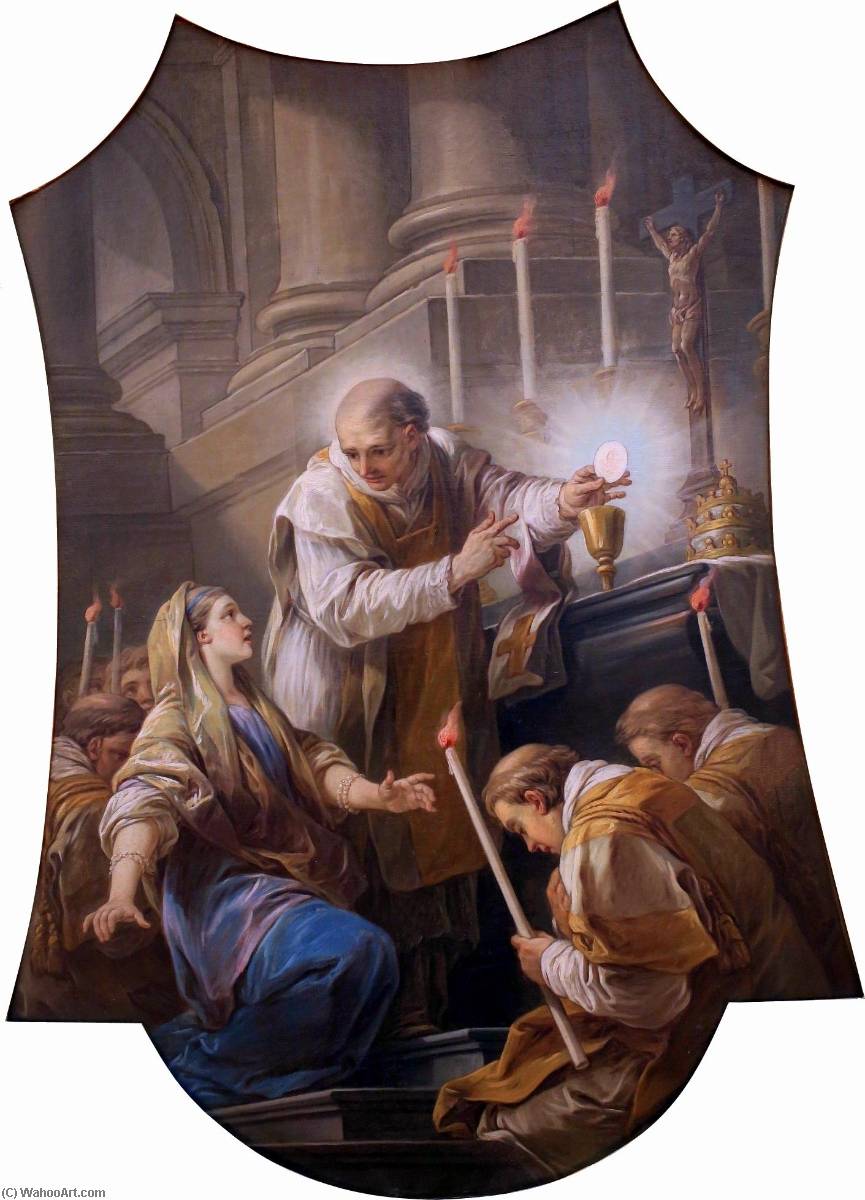
The Mass of Saint Gregory the miracle of the host
 Oil On Canvas
- WallArt
- Rococo
 1764
1764 100.0 x 82.0 cm
 Musée Des Beaux
 Read More
Purchase a high-resolution, enhanced digital image, far superior to the online preview.
Each file is meticulously prepared by our in-house specialists using advanced tools and expert manual retouching. We ensure every image has exceptional clarity, precise color accuracy, and fine detail.
The final file is delivered via email within 72 hours, optimized for immediate use in professional, editorial, and print environments. This is the same quality trusted by top-tier design studios, publishers, and galleries.
Digital Image
Download a high-resolution file for personal display, printing, and creative projects. ( Buy Print Buy Hand Made Painting)
Included in Every Digital Image Order
Expert Digital Delivery, Guaranteed
When you choose ArtsDot.com, you're not just getting an image - you're receiving a professionally enhanced digital artwork, crafted with precision and backed by a satisfaction guarantee. Here's everything that comes with your order, automatically:

Fast Email Delivery
Your high-resolution digital image file will be emailed to you within 72 hours of ordering - ready for immediate use.

AI-Enhanced Digital File
Your artwork is professionally optimized using advanced AI tools and manual editing, ensuring maximum detail, clarity, and color accuracy.

Free Lifetime Re-Delivery
Accidentally deleted or lost your file? No worries - we'll resend it to you anytime, free of charge.

No Import Fees - Ever
Enjoy your artwork instantly with zero customs, duties, or delivery fees - digital downloads are always tax-free.

Color Accuracy Guarantee
We ensure your digital image reflects the original colors as closely as possible using professional tools and color management.

60-Day Satisfaction Guarantee
If you're not satisfied with your digital image, we'll revise it or refund 100% within 60 days - no questions asked.

100% Money-Back Guarantee
Not satisfied? Get a full refund within 60 days of receiving your digital file - no questions asked.

Bulk Order Discounts
Buy 3 images, save 10% - Buy 5, save 15% - Buy 10+, save 20%. Great for creative projects, galleries, and agencies.
Collectible Description
The Mass of Saint Gregory: A Window into Rococo Faith
Charles-André van Loo’s “The Mass of Saint Gregory,” painted in 1764, is more than just a visually stunning depiction of a pivotal religious scene; it's a meticulously crafted tableau that encapsulates the spirit and artistic sensibilities of late Baroque and early Rococo France. The painting transports us to a moment of profound spiritual significance – the miraculous celebration of Mass presided over by Pope Gregory the Great himself – revealing a complex interplay of faith, doubt, and divine intervention.
Van Loo, a prominent figure in the French art world, expertly employs the Rococo style, characterized by its elegance, grace, and intricate detail. The composition is remarkably balanced, utilizing a pyramidal structure that draws the viewer’s eye towards the central figures of Gregory and Christ. The scene unfolds within a richly appointed church interior, meticulously rendered with classical architectural elements – soaring columns, ornate moldings, and a vibrant stained-glass window filtering light onto the scene. Notice the careful attention to texture; from the smooth surfaces of the vestments to the rougher textures of the stone walls and candlelight, Van Loo masterfully creates a sense of tactile realism.
A Miracle Rendered in Oil
The painting’s technical brilliance lies primarily in Van Loo's masterful use of oil paint. He demonstrates an exceptional command of glazing techniques, layering translucent washes to achieve luminous effects and subtle gradations of color. The dramatic lighting – a combination of candlelight and diffused natural light – casts long shadows and highlights key figures, creating a sense of depth and drama. The rendering of the flesh tones is particularly noteworthy, exhibiting a remarkable understanding of anatomy and a sensitivity to capturing the nuances of human expression. Observe how the folds of the robes are depicted with both precision and fluidity, conveying a sense of movement and texture.
Symbolism and Spiritual Resonance
“The Mass of Saint Gregory” is rich in religious symbolism. The central event – the miraculous appearance of Christ’s body within the consecrated bread – speaks directly to the core tenets of Catholic belief: transubstantiation, the real presence of Christ in the Eucharist. The doubting matron, a figure often interpreted as representing human skepticism and doubt, serves as a powerful reminder of the transformative power of faith. The inclusion of monks and onlookers underscores the communal nature of religious devotion. Even seemingly minor details – such as the placement of the chalice and paten – carry symbolic weight, reinforcing the sacredness of the occasion.
A Legacy of Faith and Art
The story behind “The Mass of Saint Gregory” adds another layer of intrigue to this remarkable artwork. Based on a legend dating back to the eighth century, the miracle itself—the transformation of bread and wine into flesh and blood—became a cornerstone of Eucharistic devotion. The painting’s enduring popularity throughout the centuries reflects its ability to capture both the visual splendor of religious ceremony and the profound spiritual questions it raises. It stands as a testament to Van Loo's artistic skill, his understanding of religious iconography, and his ability to evoke a sense of awe and reverence in the viewer. Today, reproductions of this masterpiece continue to inspire contemplation on faith, doubt, and the enduring power of art to communicate profound spiritual truths.
Related Artworks

Artist Biography
Early Life and Training
- Born: February 15, 1705, in Nice, France
- Family Background: Son of Louis-Abraham van Loo and younger brother of Jean-Baptiste van Loo. Member of a successful dynasty of Dutch painters.
- Early Education: Initial training in Turin, followed by studies in Rome (1712) under Benedetto Luti and Pierre Legros.
- Parisian Studies: Attended the Académie royale, winning first prize for drawing in 1723 and historical painting in 1727.
Artistic Career and Notable Works
- Style: Primarily known as a Rococo painter, characterized by elegance, grace, and ornate detail.
- Subject Matter: Diverse range including portraits, mythological scenes, historical paintings, allegories, and genre scenes.
- Significant Works:
- Venus and Amor (Kunsthalle Bremen) - Demonstrates mastery of the Rococo style.
- Halt of the Hunt (The Metropolitan Museum of Art) – Captures aristocratic activities.
- Portrait of Marie Leszczynska, Queen of France – A notable royal portrait.
- Jupiter and Antiope - Showcases mythological themes.
- Self Portrait – Provides insight into the artist's self-perception.
- Perseus and Andromeda (multiple versions) – Illustrates skill in depicting classical mythology.
- Mademoiselle Clairon as Medea (small version) - A captivating Rococo portrait of 1760.
Patronage and Royal Recognition
- Royal Patronage: Enjoyed the patronage of Madame de Pompadour and the French court.
- Appointment to the Court: Became First Painter to King Louis XV in 1762, a prestigious position.
- Order of Saint Michael: Decorated with the Order of Saint Michael, signifying royal favor.
Influences and Legacy
- Family Influence: Heavily influenced by his father and brother, both accomplished painters.
- Rivalry: Competed with François Boucher, another prominent Rococo artist.
- Modern French School: His "simplicity of style and correctness of design" significantly influenced the modern French school of painting.
- Critical Fortune: While his critical standing fluctuated over time, his skill and the breadth of his work command respect.
Museum Collections & Further Exploration
- Museum Presence: Works are featured in prominent museums including the Louvre (The Marriage of the Virgin), Kunsthalle Bremen, and The Metropolitan Museum of Art.
- Further Resources:
- ArtsDot's Charles-André van Loo page: https://www.ArtsDot.com/artists/charles-andre-van-loo/
- ArtsDot's Greatest Artists of All Time page: https://www.ArtsDot.com/greatest-artists
- ArtsDot Virtual Museum: https://www.ArtsDot.com/
- Wikipedia Article: https://en.wikipedia.org/wiki/Charles-Andr%C3%A9_van_Loo
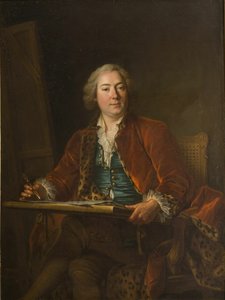
Charles-André van Loo
1705 - 1765 , France
Quick Facts
- Artistic Movement Or Style: Rococo painting
- Artists Or Movements Influenced By This Artist: ['Modern French school']
- Artists Who Influenced This Artist:
- Benedetto Luti
- Pierre Le Gros
- Date Of Birth: February 15, 1705
- Date Of Death: July 15, 1765
- Full Name: Charles-André van Loo
- Nationality: French
- Notable Artworks:
- Venus and Amor
- Halt of the Hunt
- Portrait of Marie Leszczynska
- Jupiter and Antiope
- Self Portrait
- Perseus and Andromeda
- Place Of Birth: Nice, France

