 Preview
 Send
Send Share
Share
 Details

 Download
 Similars
 X-Ray
X-Ray Diaporama
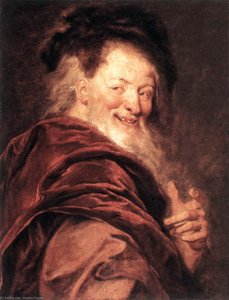
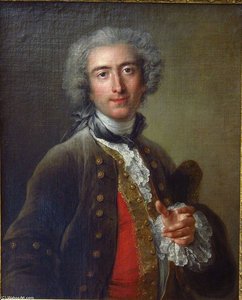
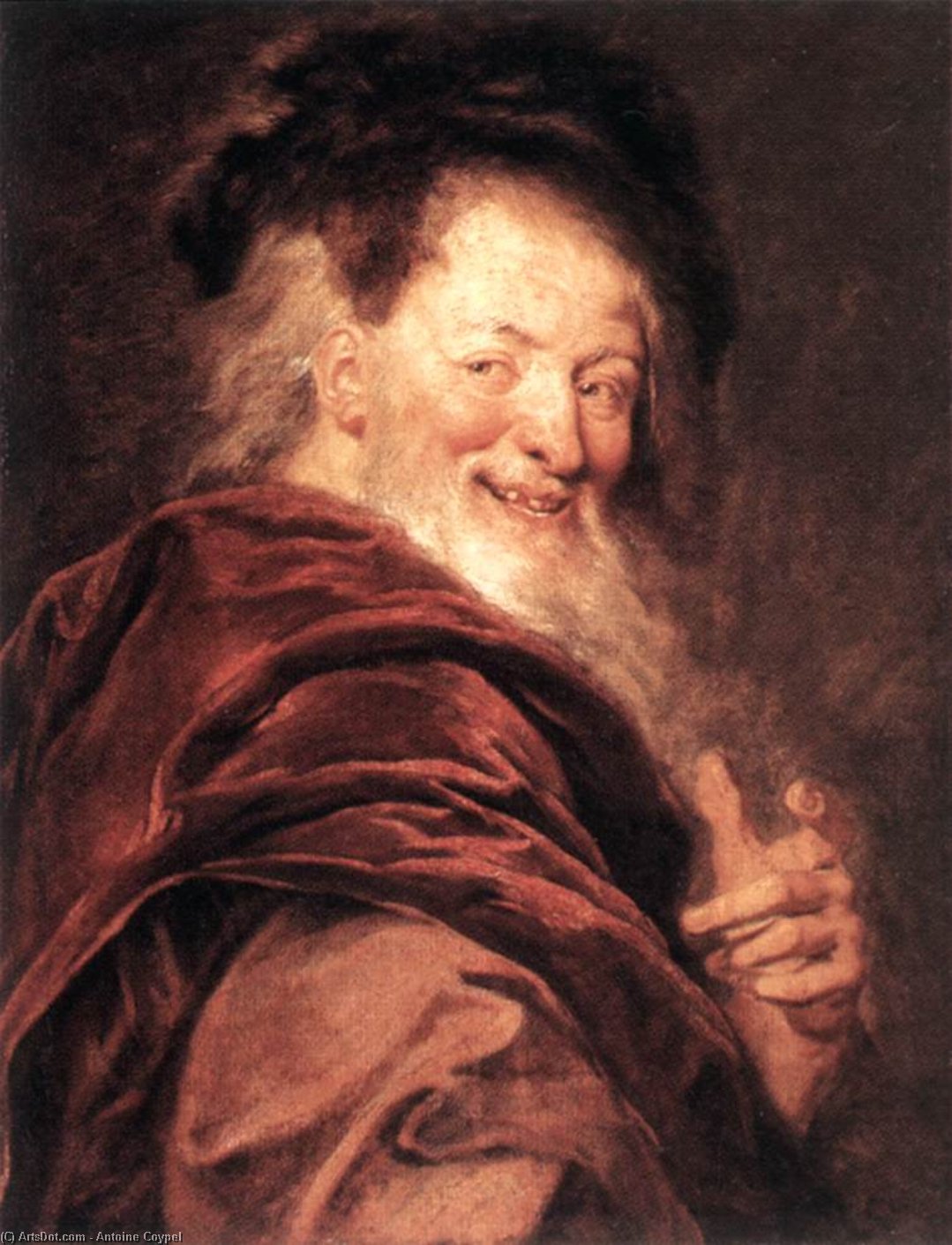
Democritus
 Acrylic On Canvas
- WallArt
- Baroque Rococo
 1692
1692 69.0 x 57.0 cm
 The Louvre
 Read More
Hand Made Oil Reproduction
Hand-painted oil on canvas in your size and frame, made to order by our artists. ( Buy Print Buy Image)




P118B $10

P118H $10

P118W $10

P438Z $10

P508JH $12

P508YH $12

P805H $10

P805Z $10

P919BZ $10

P919G $10

P919XJ $10

P959ZH $10

P968JZ $12

W106C $8

W218G $10

W218JH $8

W218Y $10

W307PJ $10

W316G $10

W316PJ $8

W316Y $10

W398PJ $8

W4111J $10

W500HY $15

W500JH $15

W692G $12

W849H $8

W940BG $15

W953PJ $8




Pick from our preset sizes that match the artwork's original proportions.

You may enter your own dimensions to fit a specific frame or space. If your selected size does not match the original image's proportions, we will either crop the artwork or extend the painting with additional hand-painted elements. A digital mockup will be sent for your approval before production begins.
Please note that the on-screen preview does not reflect the actual cropping or extension. Only the mockup will accurately show the final composition.
While custom sizes are available, we recommend selecting a dimension from the predefined list to preserve the original proportions.
After order, ArtsDot.com team will email client for instructions and provide a mockup preview
Worldwide Delivery () in 3/4 weeks instead of standard 5 weeks. (16 August). No compromise on quality.

Free Worldwide Express Shipping

High-Quality Linen Canvas

Full Shipping Insurance

Customs Tax Refund Guarantee

True Color Matching Guarantee

60-Day Return Policy (Defects Only)

100% Money-Back Guarantee

Bulk Discount Offer
 Glass option is only available in size under 110 CM

Democritus
Reproduction Medium
Reproduction Size
-


Total Price
$ 263
Artwork Description
Charles Antoine Coypel: A Synthesis of Baroque Grandeur and Rococo Delight
Charles Antoine Coypel (1694-1752) stands as a pivotal figure in French art history, embodying the stylistic transition between the opulent Baroque era and the burgeoning Rococo movement. Born in Paris to Antoine Coypel, himself a celebrated artist, Coypel inherited a lineage steeped in artistic tradition – his grandfather Noël Coypel was also a respected painter. This familial connection undoubtedly fostered an early appreciation for visual artistry and propelled him toward a distinguished career as premier peintre du roi (first painter to the king) at Louis XIV’s court, a position he held until his untimely death. He represents a crucial bridge between two dominant artistic sensibilities, skillfully blending their characteristics into a uniquely expressive oeuvre. His ascent began with a formal apprenticeship under Nicolas Frémiet, mastering the techniques of oil painting and etching – skills that would prove invaluable throughout his prolific output. Coypel quickly gained recognition for his ability to capture dramatic narratives and idealized figures, aligning perfectly with the tastes of the French aristocracy during Louis XIV’s reign. However, unlike many Baroque artists who prioritized monumental scale and formal rigidity, Coypel embraced a softer aesthetic, incorporating delicate pastel hues and flowing drapery—elements characteristic of Rococo style. This stylistic duality is evident throughout his extensive body of work, demonstrating an artist acutely aware of the evolving artistic landscape.The Painting: Democritus – A Portrait Steeped in Symbolism
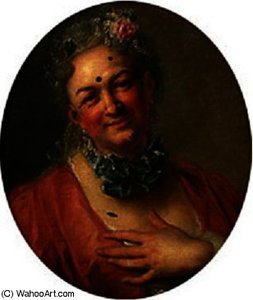
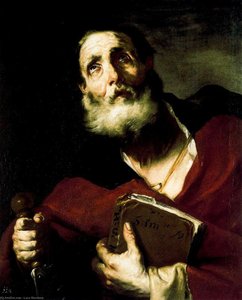
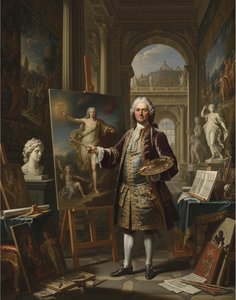
“Democritus” depicts a man with a dignified gaze and subtle smile, rendered in meticulous detail against a muted crimson backdrop. The subject’s attire—a scarlet robe—immediately evokes associations with royalty and piety, suggesting he may have been a religious figure or an intellectual deeply engaged in philosophical contemplation. Coypel's masterful use of chiaroscuro – the dramatic interplay between light and shadow – enhances the portrait’s expressive power, emphasizing the contours of the face and conveying a sense of inner serenity. Two additional figures flank the central subject, appearing smaller and serving as compositional anchors—likely intended to convey depth and perspective within the frame.Technique and Style: Baroque Precision Meets Rococo Elegance
Coypel’s technique exemplifies the harmonious blend of Baroque precision and Rococo elegance. He employed oil paint on canvas with painstaking accuracy, achieving remarkable tonal gradations and capturing subtle nuances of skin texture. Yet, he skillfully incorporated Rococo stylistic elements—such as soft pastel colors and flowing drapery—creating a visual experience that transcends mere representation. The artist’s meticulous attention to detail is particularly noticeable in the rendering of the man's facial features and hair, demonstrating his mastery of anatomical observation. This combination resulted in an artwork that possesses both grandeur and grace, reflecting the artistic sensibilities of its time.Historical Context: Louis XIV’s Court and Artistic Patronage
“Democritus” was created during the zenith of Louis XIV’s reign—a period marked by unparalleled royal patronage of the arts. Coypel benefited enormously from this support, securing commissions for portraits and decorative panels that adorned Versailles and other palaces throughout France. The Baroque tradition, established under Louis XIII, continued to exert influence on artistic production, emphasizing grandeur, monumentality, and idealized beauty. However, Coypel’s work signaled a decisive shift toward the Rococo style—characterized by frivolity, ornamentation, and an emphasis on sensual pleasure—reflecting the changing tastes of the French court and society.Emotional Impact: Serenity Amidst Formal Ornamentation
Despite its formal elegance, “Democritus” communicates a profound sense of inner peace and contemplation. The man’s serene expression invites viewers to engage in introspection, mirroring the philosophical ideals prevalent during Coypel's era. The subdued crimson hue of the robe contributes to the painting’s atmosphere of solemn dignity—a deliberate contrast to the exuberant colors and decorative flourishes typical of Rococo art. Ultimately, Coypel’s masterpiece transcends mere visual spectacle, offering a glimpse into the human spirit and capturing the essence of aristocratic refinement.Related Artworks


Artist Biography
The Legacy of Charles Antoine Coypel: A Bridge Between Eras
In the grand tapestry of French art history, few figures embody the delicate transition from the heavy grandeur of the Baroque to the lighthearted elegance of the Rococo as gracefully as Charles Antoine Coypel. Born in Paris in 1694 into a lineage of artistic distinction, Coypel was destined for greatness. As the son of the celebrated Antoine Coypel and the grandson of Noël Coypel, his very existence was steeped in the traditions of the Académie Royale. This familial heritage provided him with more than just a name; it offered an intimate apprenticeship to the masters of his time, allowing him to inherit a profound understanding of classical composition and the dramatic flair required by the French court.
Coypel’s early training under Nicolas Frémiet equipped him with a versatile technical repertoire, ranging from the precision of etching to the fluid mastery of oil painting. This versatility became the cornerstone of his career, enabling him to navigate the shifting aesthetic tides of the early 18th century. While his foundations were firmly rooted in the monumental and often theatrical style of the late Baroque, he possessed a unique sensitivity to the emerging Rococo spirit. He began to infuse his works with a newfound lightness, utilizing delicate pastel palettes, asymmetrical arrangements, and an ornamental charm that would soon define the French aesthetic for decades to come.
A Master of Narrative and Royal Commission
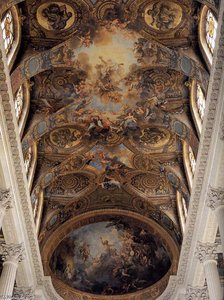
The zenith of Coypel’s professional life was marked by his prestigious appointment as Premier Peintre du Roi (First Painter to the King). Serving the court of Louis XIV and his successors, he became a primary visual storyteller for the French monarchy. His talent extended far beyond the canvas; he was a visionary designer who understood how art could animate entire architectural spaces. One of his most breathtaking achievements can be found in his contributions to the Versailles Chapel, where his fresco work—such as the depiction of God the Father in Glory—utilized masterful trompe-l'oeil techniques to create celestial perspectives that seemed to dissolve the very ceiling into the heavens.
Beyond the walls of royal chapels, Coypel’s influence permeated the decorative arts through his extensive collaborations with the Gobelins Manufactory. He possessed a rare ability to translate epic narratives into monumental tapestry designs. His work on series inspired by Homer’s Iliad and Odyssey demonstrated a profound command of color and movement, turning woven threads into epic poems of light and shadow. Perhaps his most daring and revolutionary undertaking was his illustrated series for Miguel de Cervantes' Don Quixote. In this project, Coypel moved away from rigid formality to embrace a more dynamic, character-driven approach to storytelling, effectively bridging the gap between classical illustration and modern narrative art.
Artistic Significance and Enduring Influence
The historical significance of Charles Antoine Coypel lies in his role as an artistic mediator. He did not merely witness the transition from one era to another; he actively shaped it. By blending the structural integrity and dramatic weight of the Baroque with the whimsical, airy grace of the Rococo, he provided a stylistic continuity that allowed French art to evolve without losing its sense of majesty. His portraits, such as the evocative Democritus, continue to captivate viewers with their ability to balance regal dignity with an intimate, psychological depth.
Though his life was cut short in 1752, the impact of his work remains etched in the history of European painting. His legacy is found in:
- The evolution of French portraiture: Moving from stiff formality toward a more expressive and emotive representation of the subject.
- Tapestry and Decorative Design: Elevating large-scale textile works to the status of high narrative art through his Gobelins commissions.
- The integration of styles: Successfully synthesizing the monumental scale of the 17th century with the intimate, decorative sensibilities of the 18th century.
Today, the works of Coypel serve as a window into a transformative period of human creativity, reminding us of a time when art was used to bridge the gap between the earthly splendor of kings and the divine aspirations of the soul.
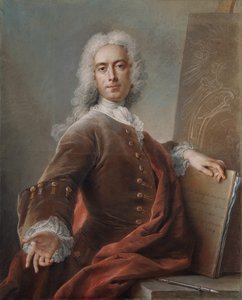
charles antoine coypel
1694 - 1752 , France
Quick Facts
- Artistic Movement Or Style: Baroque Rococo
- Artists Who Influenced This Artist:
- Antoine Coypel
- Noël Coypel
- Date Of Birth: 1694 Paris France
- Date Of Death: 1752
- Full Name: Charles Antoine Coypel
- Nationality: French
- Notable Artworks:
- Don Quixote series
- Portrait De Philippe Coypel
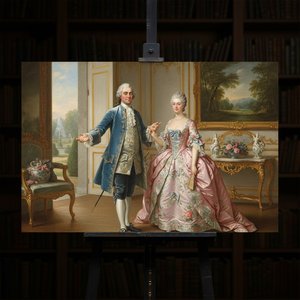
- A Picture Of Philippe Coypel With His Wife
- Place Of Birth: Paris France
Related Articles
From Grandeur to Grace: Exploring the Evolution of Baroque & Rococo Art
Explore the captivating evolution from Baroque's drama to Rococo's grace! Discover key artists, characteristics & lasting influence of these art movements with expert insights at ArtsDot.
Charles Le Brun: Master of French Baroque Classicism & His Enduring Legacy
Explore the life & art of Charles Le Brun, master of French Baroque Classicism. Discover his royal commissions, influence on Versailles, and enduring legacy through detailed analysis & stunning artworks.
Charles-André van Loo: A Study in Rococo Portraiture & the French Court's Artistic Dynamics
Explore the elegant world of Charles-André van Loo, a master of Rococo portraiture at the French court. Discover his life, techniques, and enduring influence on 18th-century art. Hand-painted reproductions available.

Rococo's Radiant Legacy: 10 Masterpieces for Your Home |
Indulge in the elegance of Rococo! Explore 10 masterpieces by Fragonard, Boucher & Watteau. Discover the stories behind these iconic paintings and bring timeless art to your home with museum-quality reproductions from .

The Rococo Aesthetic: Opulence, Rebellion & the Pursuit of Pleasure in 18th-Century Art
Explore the opulent world of Rococo art! Discover its origins, key artists like Watteau & Boucher, and lasting influence on design. Expert insights for collectors & enthusiasts.