

 Preview
 Send
Send Share
Share
 Details

 Download
 Similars
 X-Ray
X-Ray Diaporama
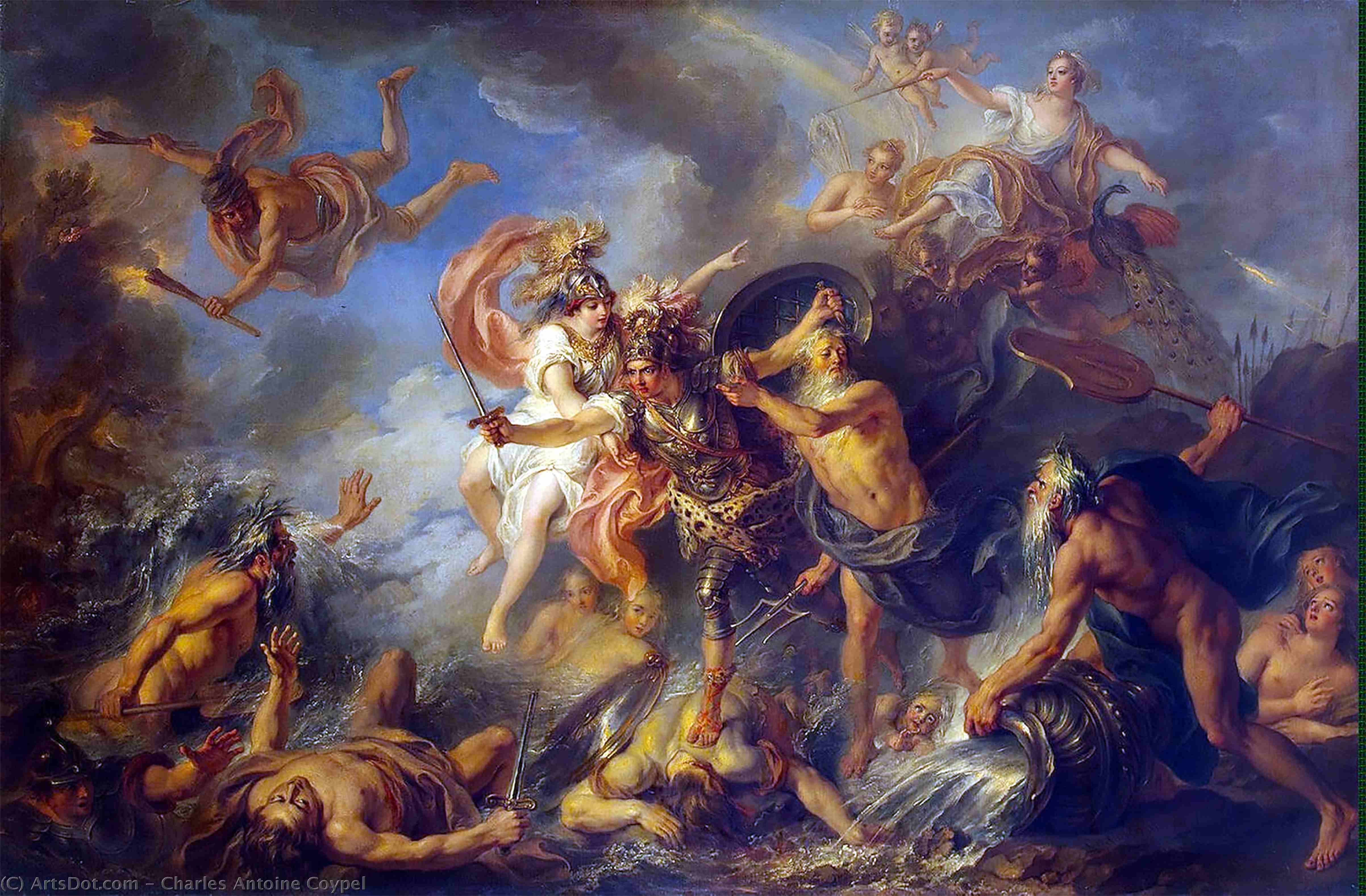
Fury of Achilles
 Acrylic On Canvas
- WallArt
- Rococo
 1737
1737 147.0 x 195.0 cm
 Hermitage Museum
 Read More
Purchase a high-resolution, enhanced digital image, far superior to the online preview.
Each file is meticulously prepared by our in-house specialists using advanced tools and expert manual retouching. We ensure every image has exceptional clarity, precise color accuracy, and fine detail.
The final file is delivered via email within 72 hours, optimized for immediate use in professional, editorial, and print environments. This is the same quality trusted by top-tier design studios, publishers, and galleries.
Digital Image
Download a high-resolution file for personal display, printing, and creative projects. ( Buy Print Buy Hand Made Painting)
Included in Every Digital Image Order
Expert Digital Delivery, Guaranteed
When you choose ArtsDot.com, you're not just getting an image - you're receiving a professionally enhanced digital artwork, crafted with precision and backed by a satisfaction guarantee. Here's everything that comes with your order, automatically:

Fast Email Delivery
Your high-resolution digital image file will be emailed to you within 72 hours of ordering - ready for immediate use.

AI-Enhanced Digital File
Your artwork is professionally optimized using advanced AI tools and manual editing, ensuring maximum detail, clarity, and color accuracy.

Free Lifetime Re-Delivery
Accidentally deleted or lost your file? No worries - we'll resend it to you anytime, free of charge.

No Import Fees - Ever
Enjoy your artwork instantly with zero customs, duties, or delivery fees - digital downloads are always tax-free.

Color Accuracy Guarantee
We ensure your digital image reflects the original colors as closely as possible using professional tools and color management.

60-Day Satisfaction Guarantee
If you're not satisfied with your digital image, we'll revise it or refund 100% within 60 days - no questions asked.

100% Money-Back Guarantee
Not satisfied? Get a full refund within 60 days of receiving your digital file - no questions asked.

Bulk Order Discounts
Buy 3 images, save 10% - Buy 5, save 15% - Buy 10+, save 20%. Great for creative projects, galleries, and agencies.
A Tempestuous Vision: Charles Antoine Coypel’s “Fury of Achilles”
Charles Antoine Coypel's "Fury of Achilles" (1737) isn’t merely a depiction of a pivotal moment from Homer’s epic; it’s a carefully orchestrated tableau of human drama, rendered with the dramatic intensity characteristic of the Rococo period while firmly rooted in the traditions of Baroque painting. The canvas explodes with movement and emotion – a swirling vortex of warriors, gods, and mythical figures caught in the throes of battle and grief. It's a scene saturated not just with physical violence but with psychological turmoil, reflecting the anxieties and passions that defined 18th-century European society.
Coypel, serving as premier peintre du roi to Louis XV, was renowned for his ability to capture narrative power within a relatively small format. He skillfully blends elements of classical composition – particularly in the arrangement of figures and the use of diagonals – with the dynamic brushwork and heightened color palette favored by the Rococo style. The painting’s scale—measuring 147 x 195 cm—allows for an astonishing level of detail, inviting the viewer to become immersed within this chaotic yet meticulously planned scene. The rich, dark tones dominate, punctuated by flashes of brilliant red and gold, creating a dramatic chiaroscuro effect that emphasizes the figures’ musculature and the intensity of their expressions.
A Hero Defined: The Mythic Core
At its heart, “Fury of Achilles” is a retelling of Homer's Iliad, specifically focusing on the moment following Patroclus’s death. Achilles, consumed by rage and grief, unleashes his fury upon the Trojan ranks, depicted with brutal realism. The composition immediately draws the eye to Achilles himself – a towering figure clad in bronze armor, his face contorted in a mask of incandescent anger. His outstretched hand clutches his shield, a symbol of both protection and devastating power. The figures surrounding him are equally compelling: Hector, lying prone on the battlefield, is rendered with poignant vulnerability; Xenia, Achilles’s lover, weeps beside him, embodying the tragic consequences of war. The inclusion of other mythological elements – winged horses, divine messengers, and even a hint of the Fates – elevates the scene beyond a simple historical depiction, transforming it into a profound meditation on fate, honor, and mortality.
The Rococo Palette: Emotion and Ornamentation
Coypel’s masterful use of color is integral to the painting's emotional impact. The deep reds and browns evoke the heat of battle and the bloodshed of war, while the shimmering gold accents suggest both divine intervention and the opulence of the royal court that commissioned the work. Notice how Coypel employs a technique known as “alla prima,” applying paint directly to the canvas in loose, expressive strokes—a hallmark of Rococo style. This approach creates a sense of immediacy and dynamism, capturing the fleeting expressions and dramatic gestures of the figures. The artist’s attention to detail is remarkable; from the intricate folds of Achilles' armor to the subtle nuances of emotion on each character’s face, every element contributes to the painting’s overall power.
Symbolism and Legacy: A Portrait of a Troubled Age
Beyond its narrative content, “Fury of Achilles” offers a glimpse into the anxieties of 18th-century Europe. The depiction of war—a recurring theme in art during this period—reflects the ongoing conflicts between European powers and the devastating human cost of armed conflict. The painting’s focus on individual heroism and tragic loss also speaks to the growing emphasis on emotion and personal experience that characterized the Rococo era. Furthermore, the inclusion of mythological figures suggests a yearning for a lost golden age – a time when heroes were revered and fate was understood with greater clarity. “Fury of Achilles” remains a powerful testament to Coypel’s artistic skill and his ability to capture the complexities of human nature within a dramatic and visually arresting composition. It is a work that continues to resonate with viewers today, reminding us of the enduring power of myth and the timeless themes of war, grief, and revenge.
Related Artworks

Artist Biography
The Legacy of Charles Antoine Coypel: A Bridge Between Eras
In the grand tapestry of French art history, few figures embody the delicate transition from the heavy grandeur of the Baroque to the lighthearted elegance of the Rococo as gracefully as Charles Antoine Coypel. Born in Paris in 1694 into a lineage of artistic distinction, Coypel was destined for greatness. As the son of the celebrated Antoine Coypel and the grandson of Noël Coypel, his very existence was steeped in the traditions of the Académie Royale. This familial heritage provided him with more than just a name; it offered an intimate apprenticeship to the masters of his time, allowing him to inherit a profound understanding of classical composition and the dramatic flair required by the French court.
Coypel’s early training under Nicolas Frémiet equipped him with a versatile technical repertoire, ranging from the precision of etching to the fluid mastery of oil painting. This versatility became the cornerstone of his career, enabling him to navigate the shifting aesthetic tides of the early 18th century. While his foundations were firmly rooted in the monumental and often theatrical style of the late Baroque, he possessed a unique sensitivity to the emerging Rococo spirit. He began to infuse his works with a newfound lightness, utilizing delicate pastel palettes, asymmetrical arrangements, and an ornamental charm that would soon define the French aesthetic for decades to come.
A Master of Narrative and Royal Commission
The zenith of Coypel’s professional life was marked by his prestigious appointment as Premier Peintre du Roi (First Painter to the King). Serving the court of Louis XIV and his successors, he became a primary visual storyteller for the French monarchy. His talent extended far beyond the canvas; he was a visionary designer who understood how art could animate entire architectural spaces. One of his most breathtaking achievements can be found in his contributions to the Versailles Chapel, where his fresco work—such as the depiction of God the Father in Glory—utilized masterful trompe-l'oeil techniques to create celestial perspectives that seemed to dissolve the very ceiling into the heavens.
Beyond the walls of royal chapels, Coypel’s influence permeated the decorative arts through his extensive collaborations with the Gobelins Manufactory. He possessed a rare ability to translate epic narratives into monumental tapestry designs. His work on series inspired by Homer’s Iliad and Odyssey demonstrated a profound command of color and movement, turning woven threads into epic poems of light and shadow. Perhaps his most daring and revolutionary undertaking was his illustrated series for Miguel de Cervantes' Don Quixote. In this project, Coypel moved away from rigid formality to embrace a more dynamic, character-driven approach to storytelling, effectively bridging the gap between classical illustration and modern narrative art.
Artistic Significance and Enduring Influence
The historical significance of Charles Antoine Coypel lies in his role as an artistic mediator. He did not merely witness the transition from one era to another; he actively shaped it. By blending the structural integrity and dramatic weight of the Baroque with the whimsical, airy grace of the Rococo, he provided a stylistic continuity that allowed French art to evolve without losing its sense of majesty. His portraits, such as the evocative Democritus, continue to captivate viewers with their ability to balance regal dignity with an intimate, psychological depth.
Though his life was cut short in 1752, the impact of his work remains etched in the history of European painting. His legacy is found in:
- The evolution of French portraiture: Moving from stiff formality toward a more expressive and emotive representation of the subject.
- Tapestry and Decorative Design: Elevating large-scale textile works to the status of high narrative art through his Gobelins commissions.
- The integration of styles: Successfully synthesizing the monumental scale of the 17th century with the intimate, decorative sensibilities of the 18th century.
Today, the works of Coypel serve as a window into a transformative period of human creativity, reminding us of a time when art was used to bridge the gap between the earthly splendor of kings and the divine aspirations of the soul.
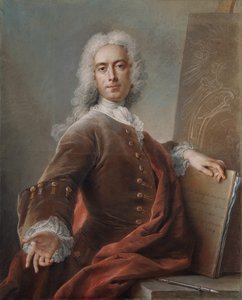
charles antoine coypel
1694 - 1752 , France
Quick Facts
- Artistic Movement Or Style: Baroque Rococo
- Artists Who Influenced This Artist:
- Antoine Coypel
- Noël Coypel
- Date Of Birth: 1694 Paris France
- Date Of Death: 1752
- Full Name: Charles Antoine Coypel
- Nationality: French
- Notable Artworks:
- Don Quixote series
- Portrait De Philippe Coypel
- A Picture Of Philippe Coypel With His Wife
- Place Of Birth: Paris France

