 Preview
 Send
Send Share
Share
 Details

 Download
 Similars
 X-Ray
X-Ray Diaporama
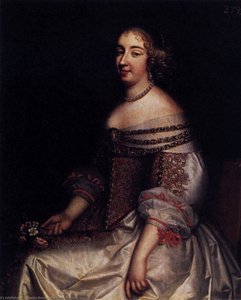
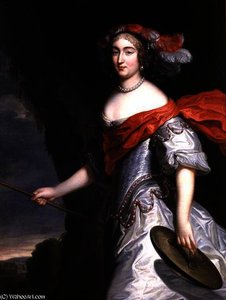
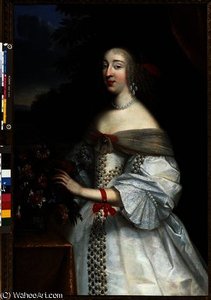
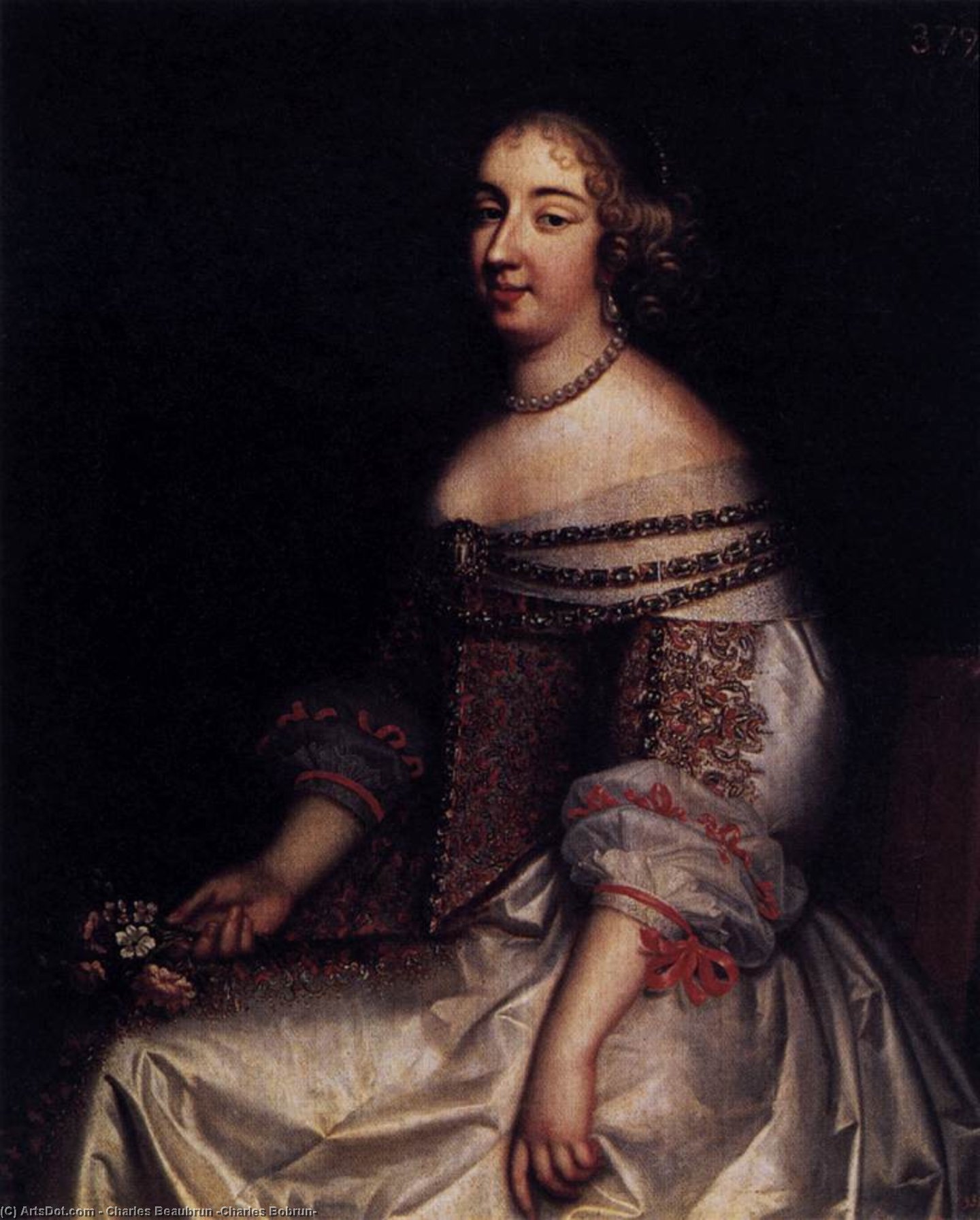
Portrait of Mademoiselle de Montpensier
 Acrylic On Canvas
- WallArt
- Baroque Realism
 1655
1655 109.0 x 88.0 cm
 Museo del Prado
 Read More
Hand Made Oil Reproduction
Hand-painted oil on canvas in your size and frame, made to order by our artists. ( Buy Print Buy Image)




P118B $10

P118H $10

P118W $10

P438Z $10

P508JH $12

P508YH $12

P805H $10

P805Z $10

P919BZ $10

P919G $10

P919XJ $10

P959ZH $10

P968JZ $12

W106C $8

W218G $10

W218JH $8

W218Y $10

W307PJ $10

W316G $10

W316PJ $8

W316Y $10

W398PJ $8

W4111J $10

W500HY $15

W500JH $15

W692G $12

W849H $8

W940BG $15

W953PJ $8




Pick from our preset sizes that match the artwork's original proportions.

You may enter your own dimensions to fit a specific frame or space. If your selected size does not match the original image's proportions, we will either crop the artwork or extend the painting with additional hand-painted elements. A digital mockup will be sent for your approval before production begins.
Please note that the on-screen preview does not reflect the actual cropping or extension. Only the mockup will accurately show the final composition.
While custom sizes are available, we recommend selecting a dimension from the predefined list to preserve the original proportions.
After order, ArtsDot.com team will email client for instructions and provide a mockup preview
Worldwide Delivery () in 3/4 weeks instead of standard 5 weeks. (5 September). No compromise on quality.

Free Worldwide Express Shipping

High-Quality Linen Canvas

Full Shipping Insurance

Customs Tax Refund Guarantee

True Color Matching Guarantee

60-Day Return Policy (Defects Only)

100% Money-Back Guarantee

Bulk Discount Offer
 Glass option is only available in size under 110 CM

Portrait of Mademoiselle de Montpensier
Reproduction Medium
Reproduction Size
-


Total Price
$ 263
Portrait of Mademoiselle de Montpensier – A Window Into Louis XIV’s Court
Charles Beaubrun's "Portrait of Mademoiselle de Montpensier" stands as a testament to the elegance and sophistication that defined Louis XIV’s reign, capturing not merely likeness but also an aura of aristocratic grace. Painted in 1655, this artwork exemplifies Beaubrun’s mastery of realistic portraiture—a style favored by artists striving for accuracy and psychological depth during the Baroque period. The painting depicts Marie de Bourbon, Duchess of Montpensier, a prominent figure within the royal family and a symbol of resistance against Louis XIV's absolutist rule.Subject Matter & Composition
The central subject is undeniably Marie de Bourbon herself—a woman radiating composure and dignity. Positioned seated on a simple bench, she gazes slightly off-camera, inviting contemplation about her thoughts and emotions. Beaubrun skillfully utilizes light to illuminate her face, highlighting delicate features and conveying an impression of inner serenity. The inclusion of two vases flanking the figure adds visual interest and contributes to the overall sense of refined interior décor—a characteristic element of aristocratic residences during this era. These objects aren’t merely decorative; they speak to the wealth and status of Marie's household.Technique & Artistic Style
Beaubrun employed oil paint on canvas, a technique that allowed for nuanced tonal gradations and exceptional detail. His brushstrokes are deliberate yet subtle, creating textures that mimic the fabric of Marie’s dress and conveying a palpable sense of realism. The artist meticulously rendered the folds of her gown, mirroring the meticulous attention to detail prevalent in Baroque art—a style characterized by dramatic contrasts between light and shadow (chiaroscuro) designed to heighten emotional impact. Beaubrun's approach aligns perfectly with the prevailing artistic conventions of his time, prioritizing observation and capturing the essence of human form.Historical Context & Symbolism
“Portrait of Mademoiselle de Montpensier” emerges from a turbulent period marked by political intrigue and dynastic struggles. Marie’s defiance of Louis XIV's authority—particularly her refusal to marry him—represented a challenge to royal power and fueled republican sentiment. Beaubrun subtly communicates this tension through the painting’s composition and Marie’s gaze, hinting at an inner strength and resilience despite societal pressures. The vases serve as emblems of beauty and refinement – mirroring Marie’s noble lineage and embodying the ideals of aristocratic culture during Louis XIV's era.Emotional Impact & Legacy
More than just a depiction of a woman’s appearance, Beaubrun’s portrait conveys an enduring impression of grace, dignity, and inner peace. It captures not only Marie’s physical beauty but also her psychological state—a quiet confidence that speaks volumes about her character. “Portrait of Mademoiselle de Montpensier” remains a captivating example of Baroque artistry, demonstrating Beaubrun's ability to transform observation into emotive expression. Its meticulous realism and symbolic richness continue to inspire admiration and resonate with viewers today.Related Artworks




Artist Biography
Charles Beaubrun (Bobrun): A Master of Elegant Realism
Charles Beaubrun, born in Amboise, France around 1604, emerged from a distinguished family of painters – his father, Jean Beaubrun, was also a respected artist. While biographical details remain somewhat sparse compared to contemporaries like Rembrandt or Rubens, Beaubrun’s legacy rests firmly on his remarkable portraits and allegorical paintings that capture the spirit of Louis XIV's court and beyond. He died in Paris in 1692, leaving behind a body of work celebrated for its refined aesthetic and psychological insight.Early Life and Artistic Training
Information regarding Beaubrun’s formative years is limited. However, it’s believed he received his initial artistic training under the tutelage of Jean Baptiste Dubois, a prominent painter active in Amboise during the reign of Henri IV. This exposure to Dubois's style—characterized by meticulous detail and a humanist sensibility—likely instilled in Beaubrun a foundational understanding of classical principles and compositional techniques. The influence of Nicolas Sustris, another influential artist of the period, is also noted, further broadening Beaubrun’s artistic horizons.Notable Works and Artistic Style
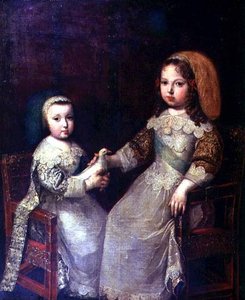
Beaubrun's oeuvre comprises approximately 80 paintings, predominantly portraits executed with exceptional skill and sensitivity. He gained considerable renown for his depictions of royal figures, notably King Louis XIV as a child alongside Philippe I, Duke of Orleans – a piece that exemplifies Beaubrun’s ability to convey both youthful vulnerability and regal dignity. Similarly impressive is his portrait of Anne Marie Louise, Duchess d'Orleans, capturing her serene beauty with remarkable precision. Beyond these portraits, Beaubrun produced several allegorical compositions, including “Minette,” which showcases his mastery of symbolism and narrative storytelling. His technique involved layering thin glazes over a carefully prepared ground, achieving luminous surfaces and subtle tonal gradations that are hallmarks of French Baroque painting. He skillfully employed chiaroscuro—the dramatic interplay of light and shadow—to sculpt form and imbue his subjects with emotional depth.Influence and Legacy
Beaubrun’s artistic style aligns closely with the prevailing trends of the French Baroque, reflecting the humanist ideals championed by Louis XIV's court. He adhered to the principles of disegno – careful observation and anatomical accuracy—a cornerstone of Renaissance art revived during this era. Beaubrun’s work stands apart from many of his peers due to its understated elegance and psychological realism. Unlike some artists who prioritized grandeur or theatricality, Beaubrun focused on capturing the inner life of his subjects, conveying their character and emotions with remarkable subtlety. His influence extended beyond his immediate contemporaries; he served as a teacher and mentor to younger painters, shaping the artistic landscape of Paris during the latter half of the 17th century.Recognition and Continued Appreciation
Charles Beaubrun’s paintings continue to be admired for their beauty and artistry. They reside primarily in private collections and museums across Europe, including the Charles Allis Art Museum in Milwaukee, Wisconsin. Ongoing research into his life and work contributes to a deeper understanding of French Baroque art history and underscores Beaubrun's enduring contribution to European artistic tradition. His meticulous attention to detail and profound psychological insight cemented his place as one of France’s most accomplished portraitists of the era.
charles beaubrun (charles bobrun)
1604 - 1692 , France
Quick Facts
- Artistic Movement Or Style: Portraiture
- Date Of Birth: 1604
- Full Name: Charles Beaubrun
- Nationality: French
- Notable Artworks:
- Minette
- King Louis Xiv - As A Child With Philippe I
- Place Of Birth: Amboise, France
Related Articles

Goya's Masterpieces: Explore 25 Iconic Paintings & Art Prints | ArtsDot
Delve into the world of Francisco Goya with ArtsDot. Explore 25 iconic paintings – from 'The Third of May' to his haunting Black Paintings. Discover the stories, techniques & emotions behind these Spanish masterpieces. Find museum-quality art reproductions for your home at ArtsDot.com!
Charles Le Brun: Master of French Baroque Classicism & His Enduring Legacy
Explore the life & art of Charles Le Brun, master of French Baroque Classicism. Discover his royal commissions, influence on Versailles, and enduring legacy through detailed analysis & stunning artworks.
Simon Vouet: A Baroque Master's Journey from Italian Influence to French Classicism
Explore the life & art of Simon Vouet, a pivotal French Baroque painter who introduced Italian styles to France. Discover his masterpieces and lasting influence on 17th-century art.

About Us
Discover our story! We bring world-class art into your life through expert curation, personalized creations, and free previews. Trusted by individuals and businesses since 2000.

Baroque Drama: Bringing Opulence & Emotion into Contemporary Interiors
Explore the opulent world of Baroque interior design! Discover key elements, modern applications & how to bring dramatic elegance into your home with 's authentic reproductions.