 Preview
 Send
Send Share
Share
 Details

 Download
 Similars
 X-Ray
X-Ray Diaporama
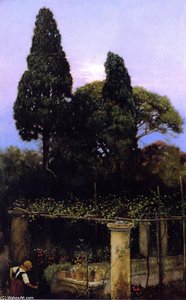
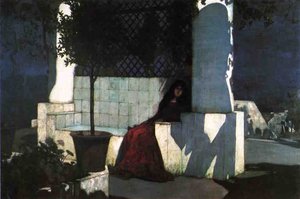
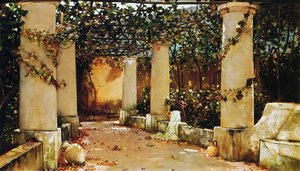
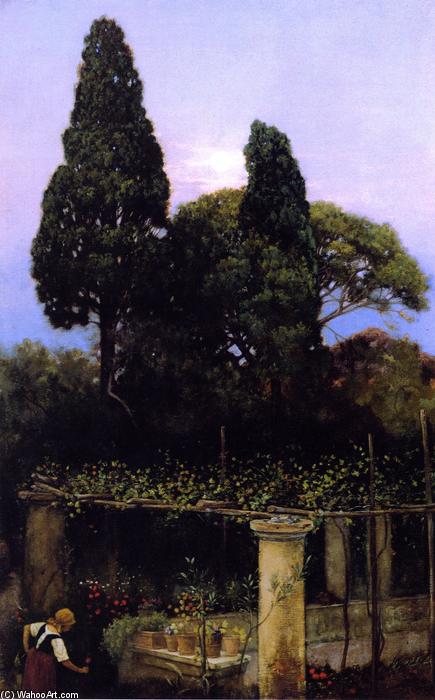
Garden of the Villa Castello, Capri


 Read More
Hand Made Oil Reproduction
Hand-painted oil on canvas in your size and frame, made to order by our artists. ( Buy Print Buy Image)




P118B $10

P118H $10

P118W $10

P438Z $10

P508JH $12

P508YH $12

P805H $10

P805Z $10

P919BZ $10

P919G $10

P919XJ $10

P959ZH $10

P968JZ $12

W106C $8

W218G $10

W218JH $8

W218Y $10

W307PJ $10

W316G $10

W316PJ $8

W316Y $10

W398PJ $8

W4111J $10

W500HY $15

W500JH $15

W692G $12

W849H $8

W940BG $15

W953PJ $8




Pick from our preset sizes that match the artwork's original proportions.

You may enter your own dimensions to fit a specific frame or space. If your selected size does not match the original image's proportions, we will either crop the artwork or extend the painting with additional hand-painted elements. A digital mockup will be sent for your approval before production begins.
Please note that the on-screen preview does not reflect the actual cropping or extension. Only the mockup will accurately show the final composition.
While custom sizes are available, we recommend selecting a dimension from the predefined list to preserve the original proportions.
After order, ArtsDot.com team will email client for instructions and provide a mockup preview
Worldwide Delivery () in 3/4 weeks instead of standard 5 weeks. (16 August). No compromise on quality.

Free Worldwide Express Shipping

High-Quality Linen Canvas

Full Shipping Insurance

Customs Tax Refund Guarantee

True Color Matching Guarantee

60-Day Return Policy (Defects Only)

100% Money-Back Guarantee

Bulk Discount Offer
 Glass option is only available in size under 110 CM

Garden of the Villa Castello, Capri
Reproduction Medium
Reproduction Size
-


Total Price
$ 263
Artwork Description
Charles Caryl Coleman’s Enchanting Capri Landscape
The Garden of the Villa Castello, Capri is more than just a depiction of an Italian garden; it's a testament to Charles Caryl Coleman’s masterful embrace of Aesthetic Movement principles and his profound connection with the beauty of nature. Painted in 1906, this oil on canvas captures a moment of serene tranquility—a scene bathed in soft light that transports viewers back to a bygone era of refined sensibilities.A Vision of Impressionistic Elegance
Coleman’s style aligns perfectly with the Aesthetic Movement's core tenets: prioritizing emotion and sensory experience over strict realism. Brushstrokes are visible, lending dynamism to the canvas while simultaneously conveying an atmosphere of dreamy contemplation. The artist skillfully utilizes color—primarily greens and blues—to evoke the lush foliage and azure skies characteristic of Capri’s landscape. These hues aren’t merely descriptive; they aim to stir feelings of peace and wonder within the observer. Lines dominate the composition, delineating the shapes of cypress trees, a trellis, and architectural elements with precision yet maintaining an organic fluidity.Historical Context: Capri and Artistic Inspiration
Capri itself held considerable allure for artists during the early 20th century. The island’s picturesque villas and gardens served as ideal subjects for painters seeking to capture idealized beauty—a pursuit championed by figures like Claude Monet and Pierre-Auguste Renoir. Coleman's choice of location reflects this broader artistic preoccupation with capturing fleeting impressions of nature, mirroring the Impressionist movement’s core ethos. Furthermore, Villa Medici, a magnificent Renaissance palazzo overlooking Capri’s harbor, stands as an emblem of Italian cultural heritage and served as inspiration for many artists of the time.Symbolism: Tranquility and Artistic Ideal
The garden depicted embodies several symbolic meanings. The cypress trees, traditionally associated with immortality and remembrance, represent resilience and enduring beauty—themes central to Aesthetic ideals. Similarly, the trellis framing the scene symbolizes containment and refinement, mirroring the artistic discipline required to achieve such a harmonious composition. The woman present in the foreground adds a human element, suggesting observation and appreciation of this idyllic setting – an embodiment of the artist’s own aesthetic sensibilities.Technique: Delicate Layers of Color
Coleman's meticulous technique is evident in the layering of paint—creating textures that mimic the roughness of stone surfaces and the velvety sheen of foliage. The blending of colors achieves remarkable luminosity, capturing the diffused light that characterizes Capri during dawn or dusk. This careful attention to detail underscores Coleman’s dedication to crafting a painting that transcends mere representation, striving instead for an emotional resonance that lingers long after viewing.Concluding Reflection
“The Garden of the Villa Castello,” Capri exemplifies Coleman's artistic vision—a celebration of beauty, tranquility, and the transformative power of art. Its enduring appeal lies in its ability to transport viewers to a moment of sublime contemplation, reminding us of the importance of savoring sensory experiences and appreciating the timeless elegance of Impressionistic landscapes.Related Artworks

Artist Biography
A Life Immersed in Aesthetic Beauty: The World of Charles Caryl Coleman
Charles Caryl Coleman, born in Buffalo, New York, in 1840, was an American artist who carved a unique niche for himself within the late 19th-century art world. His journey, spanning continents and artistic movements, culminated in a style celebrated for its delicate beauty, refined craftsmanship, and evocative atmosphere. Coleman’s story is one of dedicated study, personal hardship overcome through artistic expression, and an enduring fascination with the landscapes and aesthetics that captivated his imagination. From early training under William Holbrook Beard to formal instruction with Thomas Couture in Paris, Coleman absorbed a foundation steeped in academic tradition. This period proved crucial, exposing him to European sensibilities that would profoundly shape his artistic vision. The outbreak of the American Civil War interrupted his studies; he served with the Union Army and sustained serious injuries in South Carolina, experiences which undoubtedly left an indelible mark on his psyche. Following recovery, Coleman embarked on a series of travels through Europe alongside fellow artists William Morris Hunt and Elihu Vedder – journeys that broadened his horizons and solidified his commitment to a life devoted to art.The Italian Embrace: Finding Inspiration in Light and Form
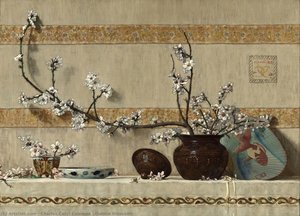
It was Italy, however, that truly claimed Coleman’s artistic allegiance. Settling in Rome during the late 1860s and later finding solace and inspiration on the island of Capri, he immersed himself in a vibrant international art scene. This extended sojourn profoundly influenced his aesthetic sensibilities, leading him to develop a style that blended elements of Aestheticism, Pre-Raphaelitism, and Japanese artistic principles. The influence of Aestheticism is particularly evident in Coleman’s emphasis on beauty for its own sake – a rejection of moral or social didacticism in favor of pure visual harmony. His meticulous attention to detail echoes the spirit of the Pre-Raphaelites, while the flattened perspective and decorative patterns found within his compositions reveal a clear appreciation for Japanese prints. These diverse influences coalesced into something distinctly Coleman’s own: large-scale decorative panels depicting flowering branches arranged with exquisite care in ornate vases against richly patterned backgrounds.Decorative Panels and Artistic Innovation
Coleman's most significant contribution to the art world lies within these remarkable decorative panels. These were not merely paintings; they were immersive visual experiences, precursors to stained glass art that embodied the principles of the Aesthetic Movement. The attenuated branches of blossoming fruit trees or azaleas, rendered with painstaking detail, seem to float against a backdrop of luxurious textiles and intricate designs. He masterfully manipulated light and shadow, creating an ethereal quality that draws the viewer into a world of serene beauty. Beyond these panels, Coleman also excelled in Italian landscapes and still lifes, showcasing his ability to capture the nuances of light and atmosphere with remarkable sensitivity. His landscapes evoke a sense of tranquility and timelessness, while his still lifes – particularly those featuring flowers – are characterized by their delicate brushwork and exquisite attention to detail.Villa Narcissus: A Palace Dedicated to Art
Coleman’s dedication to art extended beyond the canvas; he sought to create an environment entirely devoted to aesthetic experience. In Capri, he transformed a former convent into Villa Narcissus, a “palace of art” where his own works were displayed alongside a carefully curated collection of antiquities. This space served not only as his home and studio but also as a testament to his artistic philosophy – a celebration of beauty in all its forms. The villa became a gathering place for artists, writers, and intellectuals, fostering a vibrant exchange of ideas and creative energy. It was a physical manifestation of Coleman’s belief that art should permeate every aspect of life.A Lasting Legacy
Charles Caryl Coleman passed away in Capri in 1928, leaving behind a body of work that continues to captivate and inspire. His decorative panels are now recognized as unique contributions to 19th-century American art, representing a distinctive blend of European artistic traditions and Aesthetic ideals. He bridged the gap between painting and decorative arts, influencing subsequent generations of artists and designers. Today, his paintings grace major museum collections worldwide, including the Metropolitan Museum of Art and the Virginia Museum of Fine Arts, ensuring that his legacy endures. Coleman remains a significant figure in the study of American Aestheticism and the artistic exchange between Europe and America during a pivotal period in art history – an artist who dedicated his life to the pursuit and celebration of beauty.
Charles Caryl Coleman
1840 - 1928 , United States of America
Quick Facts
- Artistic Movement Or Style: Aestheticism
- Artists Or Movements Influenced By This Artist:
- Stained glass art
- Later artists/designers
- Artists Who Influenced This Artist:
- Thomas Couture
- William Morris Hunt
- Elihu Vedder
- Date Of Birth: April 25, 1840
- Date Of Death: December 5, 1928
- Full Name: Charles Caryl Coleman
- Nationality: American
- Notable Artworks:
- Garden of the Villa Castello
- Capri
- In the Shade of the Vines, Capri
- Place Of Birth: Buffalo, USA
Related Articles
Cultivating Paradise: A Historical & Artistic Exploration of Gardens in Painting
Explore the rich history of gardens in painting! Discover masterpieces from Renaissance to Impressionism & beyond. Learn about symbolism, artists like Monet & Klimt, and find your perfect artwork at ArtsDot.

Impressionistic Landscapes: 10 Masterpieces That Changed Art & Decor
Journey into the heart of Impressionism! Explore 10 masterpieces by Monet, Renoir & Degas that revolutionized landscape art. Discover their stories, techniques & find museum-quality reproductions to elevate your home decor on ArtsDot.com.

Beyond the Horizon: 10 Landscape Masterpieces for Your Home Decor
Journey through 10 breathtaking landscape paintings by Monet, Van Gogh & more! Explore iconic artworks, artistic techniques & find inspiration for your home decor. Museum-quality reproductions at ArtsDot.com. Discover all masterpieces on ArtsDot.com
Impressionist Landscapes: 10 Masterpieces for Your Home | ArtsDot
Journey through 10 iconic Impressionist landscapes by Monet, Renoir & Degas. Explore the history, techniques & emotions behind these masterpieces. Find museum-quality reproductions for your home at ArtsDot.com – where art comes to life! Discover all masterpieces on ArtsDot.com
Beyond the Horizon: A Curated Guide to Integrating Post-Impressionist Landscapes into Modern Interiors
Transform your home with the emotive power of Post-Impressionist landscapes. Discover expert tips on selecting hand-painted oil reproductions to create a soulful, vibrant interior that reflects your unique style and connection to nature.