

 Preview
 Send
Send Share
Share
 Details

 Download
 Similars
 X-Ray
X-Ray Diaporama
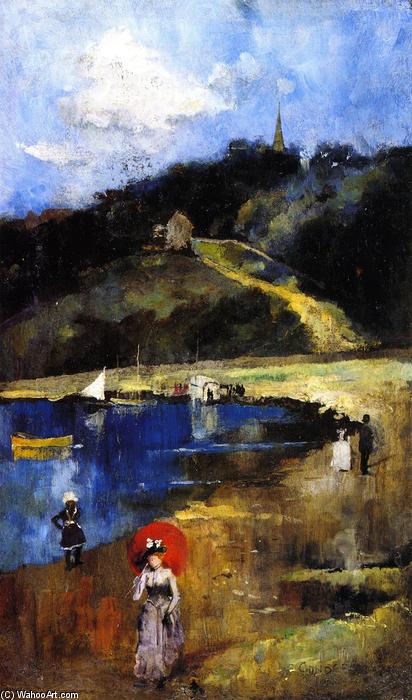
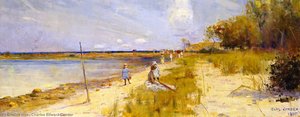
A Shady Hollow by a Dusty Road (also known as Pugh's Lagoon or A Cove on the Hawkesbury)


 Read More
Purchase a high-resolution, enhanced digital image, far superior to the online preview.
Each file is meticulously prepared by our in-house specialists using advanced tools and expert manual retouching. We ensure every image has exceptional clarity, precise color accuracy, and fine detail.
The final file is delivered via email within 72 hours, optimized for immediate use in professional, editorial, and print environments. This is the same quality trusted by top-tier design studios, publishers, and galleries.
Digital Image
Download a high-resolution file for personal display, printing, and creative projects. ( Buy Print Buy Hand Made Painting)
Included in Every Digital Image Order
Expert Digital Delivery, Guaranteed
When you choose ArtsDot.com, you're not just getting an image - you're receiving a professionally enhanced digital artwork, crafted with precision and backed by a satisfaction guarantee. Here's everything that comes with your order, automatically:

Fast Email Delivery
Your high-resolution digital image file will be emailed to you within 72 hours of ordering - ready for immediate use.

AI-Enhanced Digital File
Your artwork is professionally optimized using advanced AI tools and manual editing, ensuring maximum detail, clarity, and color accuracy.

Free Lifetime Re-Delivery
Accidentally deleted or lost your file? No worries - we'll resend it to you anytime, free of charge.

No Import Fees - Ever
Enjoy your artwork instantly with zero customs, duties, or delivery fees - digital downloads are always tax-free.

Color Accuracy Guarantee
We ensure your digital image reflects the original colors as closely as possible using professional tools and color management.

60-Day Satisfaction Guarantee
If you're not satisfied with your digital image, we'll revise it or refund 100% within 60 days - no questions asked.

100% Money-Back Guarantee
Not satisfied? Get a full refund within 60 days of receiving your digital file - no questions asked.

Bulk Order Discounts
Buy 3 images, save 10% - Buy 5, save 15% - Buy 10+, save 20%. Great for creative projects, galleries, and agencies.
Collectible Description
A Serene Escape into the Impressionist Light
In the delicate brushstrokes of Charles Edward Conder’s 1887 masterpiece, A Shady Hollow by a Dusty Road, we are invited to step into a moment of profound tranquility. This evocative landscape, also known as Pugh's Lagoon, captures more than just a geographical location; it captures a feeling of suspended time. The scene unfolds along a sun-drenched shoreline where the gentle rhythm of the water meets the soft textures of the earth. A solitary woman, distinguished by her vibrant red umbrella, wanders along the beach, serving as a focal point that draws the eye through the composition. Her presence introduces a sense of quiet companionship with nature, suggesting a narrative of peaceful introspection amidst the vastness of the Australian landscape.
The technique employed by Conder reflects the burgeoning influence of Impressionism during his formative years in Australia. Through a masterful use of light and atmosphere, he creates a sense of depth that pulls the viewer toward the horizon. The background is populated with the silhouettes of boats, some anchored near the shore and others drifting further out into the shimmering expanse, adding layers of movement to an otherwise still scene. A subtle presence of another figure and a lonely bench tucked to the side suggest that this is a place of shared human experience, yet the overwhelming emotional impact remains one of solitude and calm. The interplay between the warm, dusty tones of the road and the cool, reflective surfaces of the water creates a visual harmony that is both stimulating and soothing.
Historical Resonance and Artistic Legacy
To understand this work is to understand the spirit of the Heidelberg School era. Conder, a British-born artist who found his true calling in the landscapes of Sydney, possessed a unique ability to translate the light of the Antipodes into a sophisticated visual language. Painted in 1887, this piece sits at a pivotal moment in his career when he was transitioning from a surveyor’s precision to an artist’s poetic intuition. The composition reflects the late 19th-century fascination with plein air painting—capturing the fleeting effects of sunlight and shadow as they dance across a landscape.
For the discerning collector or interior designer, this reproduction offers much more than mere decoration; it serves as a window into a bygone era of elegance and natural beauty. The painting’s palette, rich with earthy ochres and tranquil blues, makes it an incredibly versatile piece for high-end residential or commercial spaces. Whether placed in a sunlit study to evoke a sense of wanderlust or in a sophisticated living area to provide a calming focal point, the artwork brings a timeless, academic prestige to any environment. It is a celebration of light, a tribute to the Australian coast, and an enduring testament to Conder’s ability to find magic in the quietest corners of the world.
Related Artworks
Artist Biography
early life and artistic journey
charles edward conder, a british-born painter, lithographer, and designer, left an indelible mark on the art world. born in tottenham, middlesex, on october 24, 1868, conder's early life was marked by his mother's passing in india when he was just four years old.artistic career in australia
in 1884, at 16, conder moved to sydney, australia, working for his uncle as a land surveyor. however, he soon discovered his true passion lay in drawing the landscape rather than surveying it. by 1886, he had become an artist for the illustrated sydney news, alongside notable artists like albert henry fullwood and frank mahony.the heidelberg school and notable works
conder's masterpiece, departure of the orient – circular quay (1888), showcased his newfound mastery of form and brushwork. this dockside scene, depicting the bustling harbour at sydney cove, was quickly purchased by the art gallery of new south wales, making it conder's first work to enter a public collection.- a holiday at mentone (1888), a fun-loving painting showcasing men and women relaxing on the beach, is another notable example of conder's work.
- conder's association with g. p. nerli, an itinerant italian painter, significantly influenced his development as an artist.
- his contributions to the 9 by 5 impression exhibition in melbourne, alongside tom roberts and arthur streeton, solidified his position within the heidelberg school movement.
legacy and later life
conder's later years were plagued by poor health, including paralysis and a bout of delirium tremens. despite this, he continued to paint, leaving behind a legacy as a key figure in the heidelberg school. his art was better received in england than in paris, with his portrait being painted by henri de toulouse-lautrec in 1892. view conder's works at the art gallery of new south wales or explore more about the heidelberg school on ArtsDot's charles edward conder page.- discover more about conder's life and works on wikipedia's charles conder page.
- explore ArtsDot's collection of conder's paintings, including a holiday at mentone (1888) and departure of the orient – circular quay (1888), on ArtsDot's website.
conclusion
charles edward conder's impact on australian impressionism is undeniable. his legacy, marked by his captivating paintings and association with the heidelberg school, continues to inspire art enthusiasts worldwide.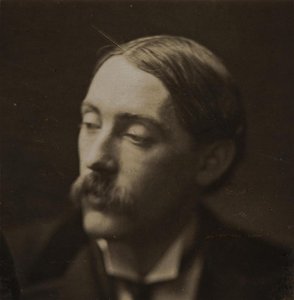
Charles Edward Conder
1868 - 1909 , United Kingdom
Quick Facts
- Artistic Movement Or Style: Heidelberg School
- Artists Who Influenced This Artist:
- Alfred Daplyn
- Victor Mann
- Julian Ashton
- Date Of Birth: October 24, 1868
- Full Name: Charles Edward Conder
- Nationality: British
- Notable Artworks:
- Departure of the Orient – Circular Quay
- A holiday at Mentone
- Under The Southern Sun
- Place Of Birth: Tottenham, United Kingdom

