 Preview
 Send
Send Share
Share
 Details

 Download
 Similars
 X-Ray
X-Ray Diaporama
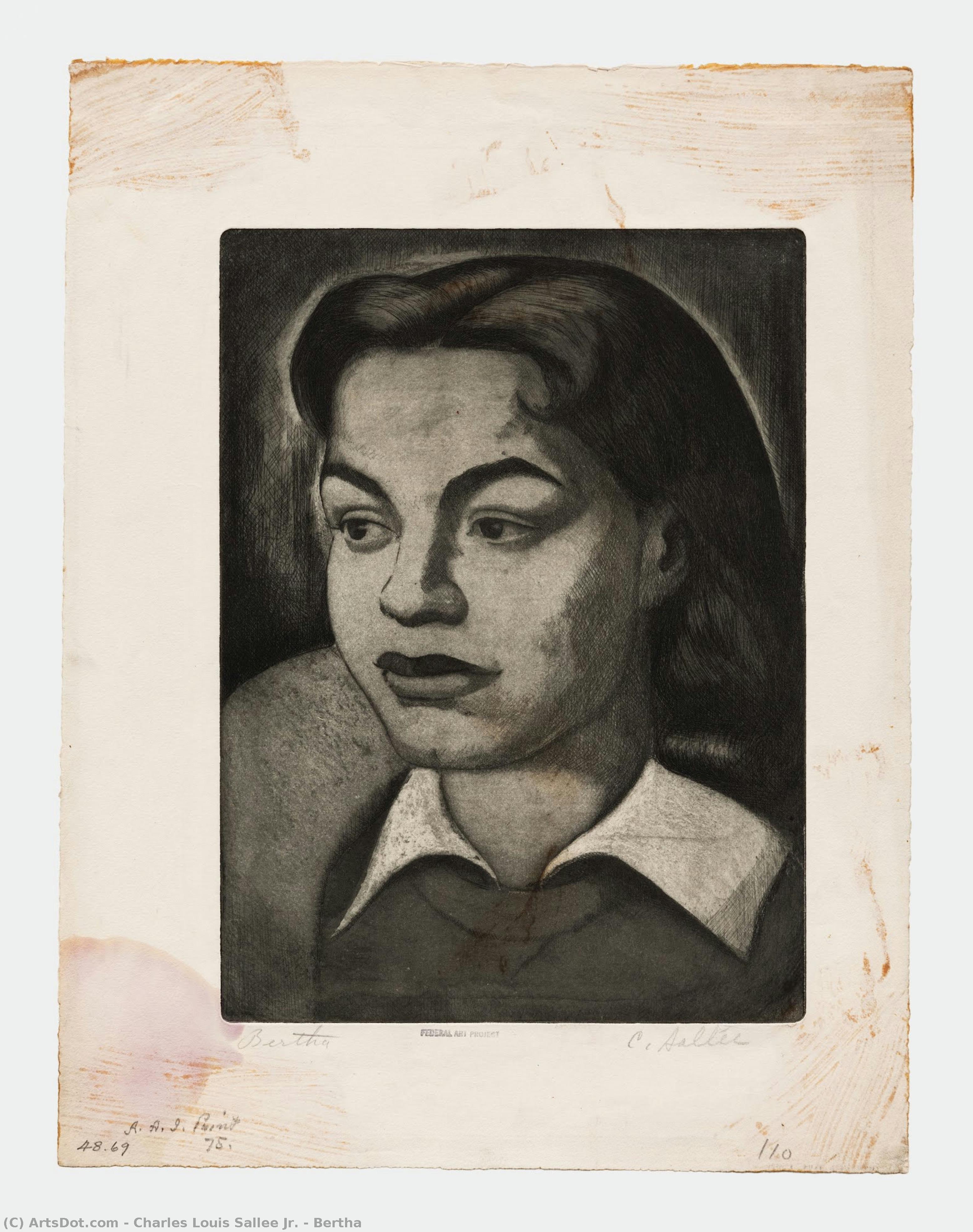
Bertha


 Read More
Giclée / Art Print
Museum-quality giclée or canvas print with fast production and flexible finish options. ( Buy Hand Made Painting Buy Image)




































Pick from our preset sizes that match the artwork's original proportions.

You may enter your own dimensions to fit a specific frame or space. If your selected size does not match the original image's proportions, we will either crop the artwork or extend the image with a mirrored or solid-fill edge. A digital mockup will be sent for your approval before production begins.
Please note that the on-screen preview does not reflect the actual cropping or extension. Only the mockup will accurately show the final composition.
While custom sizes are available, we recommend selecting a dimension from the predefined list to preserve the original proportions.
Worldwide Delivery () in 2 weeks instead of standard 4/5 weeks. (25 August)

Free Worldwide Express Shipping

High-Quality Linen Canvas

Full Shipping Insurance

Customs Tax Refund Guarantee

True Color Matching Guarantee

60-Day Return Policy (Defects Only)

100% Money-Back Guarantee

Bulk Discount Offer
 Glass option is only available in size under 110 CM

Bertha
Giclée / Art Print
Reproduction Size
-


Total Price
$ 63
Related Artworks



Artist Biography
A Pioneer’s Palette: The Life and Legacy of Charles Louis Sallee Jr.
Charles Louis Sallee Jr., born in Oberlin, Ohio, in 1911 (though some sources cite 1913), emerged as a pivotal figure in the landscape of African American art during the Great Depression era. His journey, marked by both artistic innovation and societal barriers, reflects a determination to capture the nuances of Black life with honesty and grace. Sallee wasn’t merely an artist; he was a trailblazer—the first African American graduate of the Cleveland School of Art, a distinction that opened doors for generations to come. From his early fascination with drawing as a child alongside his father, a skilled ornamental plasterer, to his later accomplishments as a WPA muralist and interior designer, Sallee’s life was a testament to the power of creative vision in the face of adversity. His upbringing instilled in him not only an appreciation for aesthetics but also a practical understanding of construction and design—a foundation that would prove invaluable throughout his career.Early Influences and Artistic Development
Sallee’s artistic inclinations blossomed early, nurtured by a natural talent and a supportive environment. Even as a high school student in Sandusky, Ohio, he distinguished himself through portraiture and mural work, demonstrating an innate ability to capture likeness and imbue his creations with life. This early promise led him to Cleveland in 1931, where he enrolled at Karamu House, a renowned settlement house that served as a vital hub for African American artists and cultural expression. It was here, under the mentorship of Richard Beatty and other prominent figures like Elmer Brown and Hughie-Lee Smith, that Sallee’s artistic voice began to take shape. The Gilpin Scholarship, awarded in 1932, provided crucial financial support, enabling him to pursue formal studies at the Cleveland School of Art. His curriculum encompassed portrait painting, design, lithography, and etching—a comprehensive training that honed his technical skills and broadened his creative horizons. Sallee’s instructors, many of whom also taught at Karamu House, fostered a sense of community and encouraged experimentation. He excelled in portraiture under Rolf Stoll, while Kenneth Bates and Victor Schreckengost guided his explorations in design.WPA Commissions and the Evocation of Everyday Life
The mid-1930s proved to be a transformative period for Sallee as he became involved with the Works Progress Administration (WPA). This federal program provided employment for artists during the Depression, and Sallee seized the opportunity to create public art that reflected the realities of African American life. Initially focused on printmaking, he soon transitioned to mural work, culminating in “A New Day,” a significant piece preserved at the Outhwaite Apartment Center. His artistic style during this period was characterized by realism—a deliberate choice to depict the common experiences and dignity of Black individuals. Sallee’s paintings and prints weren't grandiose statements; they were intimate portraits of everyday life, capturing moments of joy, resilience, and quiet strength. This commitment to representing authentic narratives resonated deeply with audiences and earned him recognition from critics like Alain Locke, a leading figure in the Harlem Renaissance. His most famous image, *Bedtime*, gained national acclaim when featured in James A. Porter’s groundbreaking survey, *Modern Negro Art* (1943), solidifying his place within the canon of African American art history.Beyond Canvas: Interior Design and a Lasting Impact
While Sallee's early work established him as a painter and printmaker, he embarked on a successful career in interior design following his military service during World War II. His background in construction, combined with his artistic sensibilities, proved to be a potent combination. He quickly gained a reputation for creating stylish and inviting spaces, notably designing interiors for restaurants, bars, and nightclubs—including the iconic Tijuana Club on 105th Street. This transition wasn’t a departure from his artistic principles but rather an extension of them; Sallee approached interior design with the same attention to detail, sensitivity to color and form, and commitment to creating environments that reflected the lives and aspirations of those who inhabited them. Throughout his life, Sallee continued to produce artwork in various mediums—drawings, landscapes, nudes, religious paintings—maintaining a prolific output even into his late years. His legacy extends beyond his individual creations; he paved the way for future generations of African American artists, challenging racial barriers and demonstrating the transformative power of art as a vehicle for social change. Charles Louis Sallee Jr. passed away in 2006, leaving behind a body of work that continues to inspire and provoke dialogue about race, representation, and the enduring spirit of human creativity.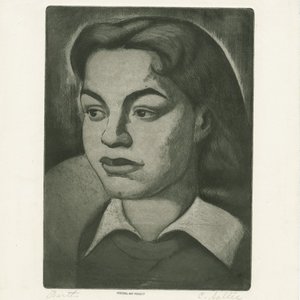
charles louis sallee jr.
1911 - 2006 , United States of America
Quick Facts
- Artistic Movement Or Style: Realism, Depression Era
- Artists Who Influenced This Artist: ['Ingres']
- Date Of Birth: 1911
- Date Of Death: 2006
- Full Name: Charles Louis Sallee Jr.
- Nationality: American
- Notable Artworks:
- Bedtime
- Bertha
- Place Of Birth: Oberlin, USA