 Preview
 Send
Send Share
Share
 Details

 Download
 Similars
 X-Ray
X-Ray Diaporama
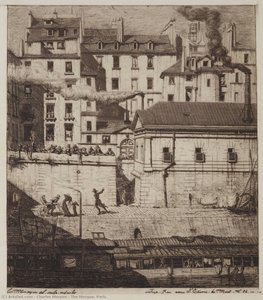
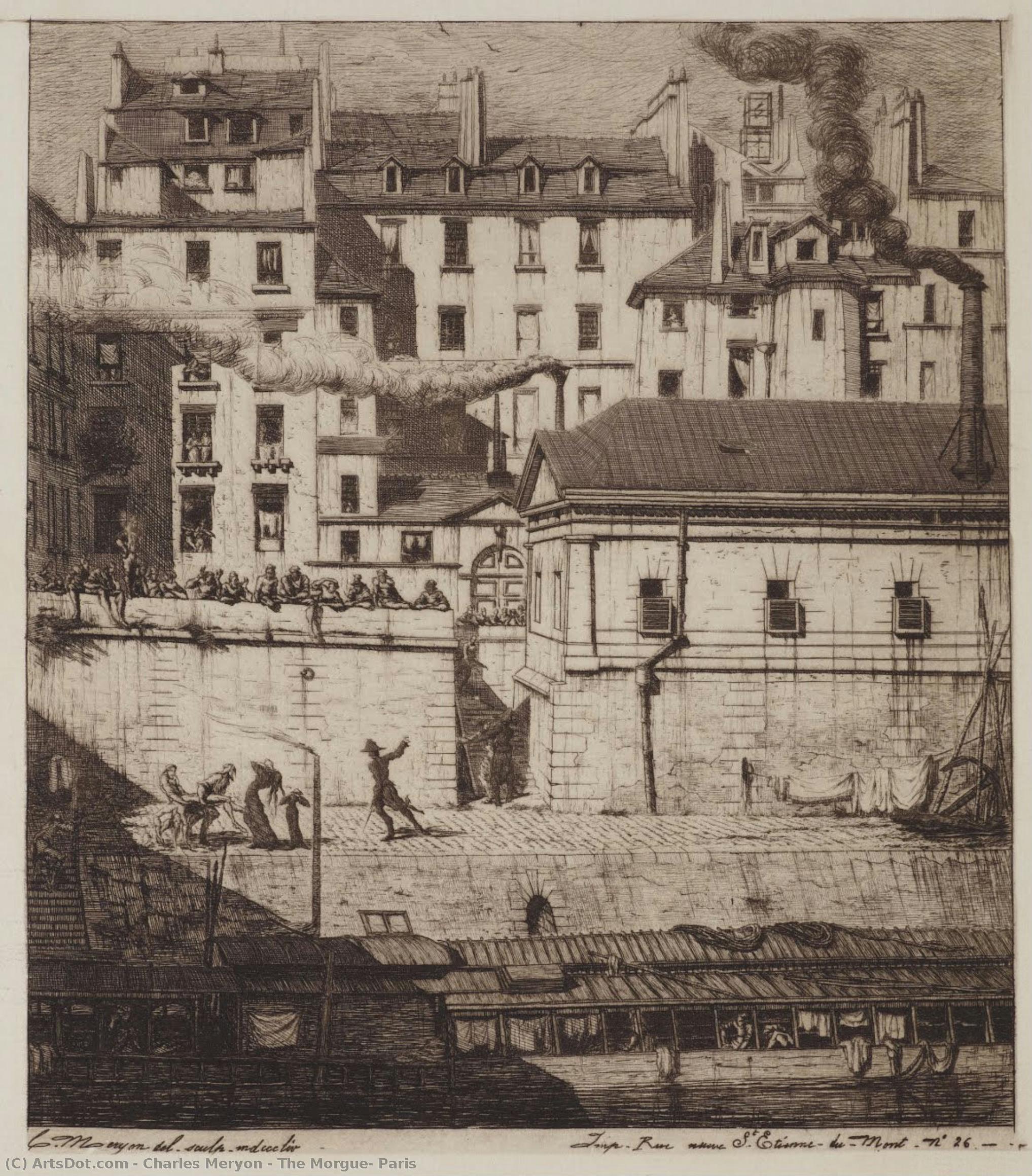
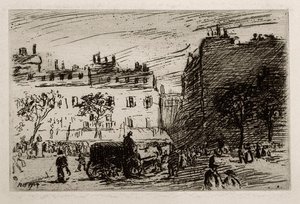
The Morgue, Paris


 Read More
Hand Made Oil Reproduction
Hand-painted oil on canvas in your size and frame, made to order by our artists. ( Buy Print Buy Image)




































Pick from our preset sizes that match the artwork's original proportions.

You may enter your own dimensions to fit a specific frame or space. If your selected size does not match the original image's proportions, we will either crop the artwork or extend the painting with additional hand-painted elements. A digital mockup will be sent for your approval before production begins.
Please note that the on-screen preview does not reflect the actual cropping or extension. Only the mockup will accurately show the final composition.
While custom sizes are available, we recommend selecting a dimension from the predefined list to preserve the original proportions.
After order, ArtsDot.com team will email client for instructions and provide a mockup preview
Worldwide Delivery () in 3/4 weeks instead of standard 5 weeks. (17 August). No compromise on quality.

Free Worldwide Express Shipping

High-Quality Linen Canvas

Full Shipping Insurance

Customs Tax Refund Guarantee

True Color Matching Guarantee

60-Day Return Policy (Defects Only)

100% Money-Back Guarantee

Bulk Discount Offer
 Glass option is only available in size under 110 CM

The Morgue, Paris
Reproduction Medium
Reproduction Size
-


Total Price
$ 463
Artwork Description
Related Artworks
Artist Biography
early life and naval career
charles méryon, a french artist, was born on november 23, 1821, in paris. his mother, a dancer at the paris opera, had a significant influence on his early life. méryon's colour blindness led him to pursue a naval career, which took him on extensive voyages, including a four-year tour around the world. this experience would later inspire his etched depictions of paris.artistic journey and notable works
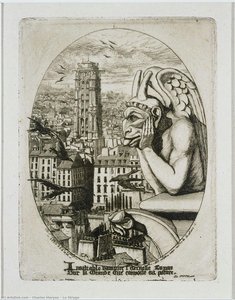
after realizing that colour-blindness ruled out painting for him, méryon settled on etching in 1848. his most famous work is the series eaux-fortes sur paris, which powerfully conveys his distinctive gothic vision of paris. this series, executed from 1850 to 1854, includes twenty-two etchings that are now considered a testament to méryon's skill and artistry.- le stryge (the gargoyle or the vampire), 1853, is now meryon's most famous print, showcasing his mastery of the etching medium. (view on ArtsDot)
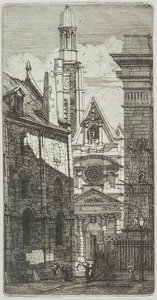
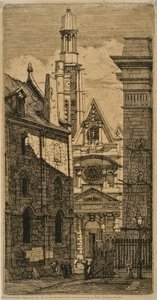
- st. etienne-du-mont, paris, from eaux-fortes sur paris, demonstrates méryon's ability to capture the essence of parisian landscapes. (view on ArtsDot)
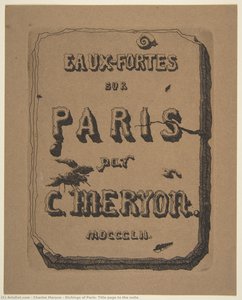
- etchings of paris; title page to the suite, housed at the metropolitan museum of art, serves as a prime example of méryon's etching prowess. (view on ArtsDot)
museums and collections featuring charles méryon's work
* the metropolitan museum of art (new york city, united states) houses several of méryon's notable etchings, including etchings of paris; title page to the suite. (view on ArtsDot) * harvard art museums (cambridge, united states) features méryon's le stryge, a testament to his skill in etching. (view on ArtsDot) discover more about charles méryon's life and work on wikipedia: read more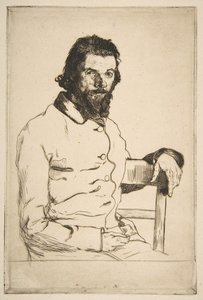
Charles Meryon
1821 - 1868 , France
Quick Facts
- Artistic Movement Or Style: Gothic Romanticism
- Artists Who Influenced This Artist:
- Eugène Delacroix
- Caspar David Friedrich
- Date Of Birth: November 23, 1821
- Date Of Death: February 14, 1868
- Full Name: Charles Meryon
- Nationality: French
- Notable Artworks:
- Eaux-fortes sur Paris
- Le Stryge
- St. Etienne-du-Mont
- Place Of Birth: Paris, France
Related Articles
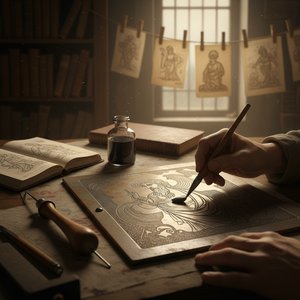
Etching: A Historical Survey of Technique, Aesthetic Qualities & Enduring Artistic Significance
Explore the rich history of etching, from its origins to Rembrandt's masterful innovations. Discover the technique, aesthetic qualities & enduring legacy of this captivating art form. Expert insights for collectors and enthusiasts.
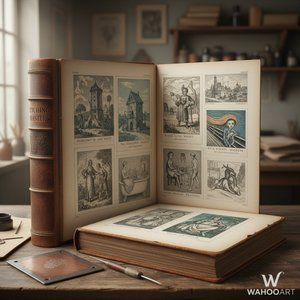
Etching Masters: 10 Legendary Prints That Revolutionized Art | ArtsDot
Journey through 10 legendary etching masterpieces by Rembrandt, Dürer & Goya. Explore the history of printmaking and discover timeless art for your home. Find museum-quality reproductions at ArtsDot.com.
The Intricate World of Etching: A Historical Survey of Technique, Aesthetic Evolution, and Enduring Artistic Impact
Explore the rich history of etching, from its origins to modern practice. Discover techniques, key artists like Rembrandt, and insights for collectors. A comprehensive guide by ArtsDot.
Giclée Prints: Archival Quality & Aesthetic Nuances for the Discerning Collector
Explore the world of giclée prints with ArtsDot. Learn about archival quality, aesthetic nuances & investment potential. Expert guidance for discerning art collectors seeking museum-quality reproductions and lasting value.

The Enduring Legacy of Fine Art Prints: Technique, History & Aesthetic Impact
Explore the rich history & techniques of fine art prints. Discover investment potential, assess authenticity, and learn how to preserve your collection with expert guidance. Trusted insights for discerning collectors.