 Preview
 Send
Send Share
Share
 Details

 Download
 Similars
 X-Ray
X-Ray Diaporama
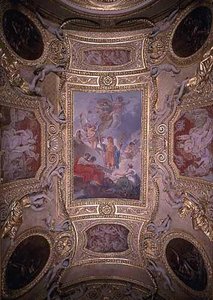
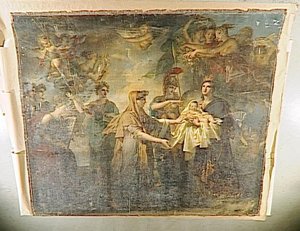
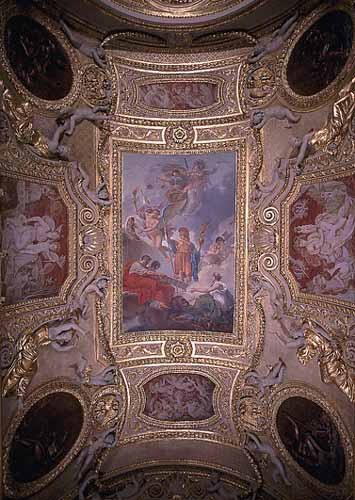
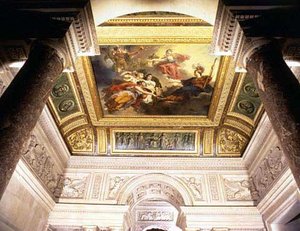
La terre recevant des empereurs Adrien et Justinien le code des lois romaines dictées par la nature, la justice et la sagesse


 Read More
Hand Made Oil Reproduction
Hand-painted oil on canvas in your size and frame, made to order by our artists. ( Buy Print Buy Image)




P118B $10

P118H $10

P118W $10

P438Z $10

P508JH $12

P508YH $12

P805H $10

P805Z $10

P919BZ $10

P919G $10

P919XJ $10

P959ZH $10

P968JZ $12

W106C $8

W218G $10

W218JH $8

W218Y $10

W307PJ $10

W316G $10

W316PJ $8

W316Y $10

W398PJ $8

W4111J $10

W500HY $15

W500JH $15

W692G $12

W849H $8

W940BG $15

W953PJ $8




Pick from our preset sizes that match the artwork's original proportions.

You may enter your own dimensions to fit a specific frame or space. If your selected size does not match the original image's proportions, we will either crop the artwork or extend the painting with additional hand-painted elements. A digital mockup will be sent for your approval before production begins.
Please note that the on-screen preview does not reflect the actual cropping or extension. Only the mockup will accurately show the final composition.
While custom sizes are available, we recommend selecting a dimension from the predefined list to preserve the original proportions.
After order, ArtsDot.com team will email client for instructions and provide a mockup preview
Worldwide Delivery () in 3/4 weeks instead of standard 5 weeks. (17 August). No compromise on quality.

Free Worldwide Express Shipping

High-Quality Linen Canvas

Full Shipping Insurance

Customs Tax Refund Guarantee

True Color Matching Guarantee

60-Day Return Policy (Defects Only)

100% Money-Back Guarantee

Bulk Discount Offer
 Glass option is only available in size under 110 CM

La terre recevant des empereurs Adrien et Justinien le code des lois romaines dictées par la nature, la justice et la sagesse
Reproduction Medium
Reproduction Size
-


Total Price
$ 263
Artwork Description
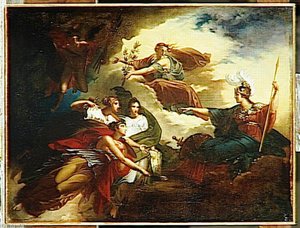
La Terre Recevant des Empereurs Adrien et Justinien Le Code des Lois Romaines Dictées par la Nature, la Justice et la Sagesse
Charles Meynier’s monumental ceiling painting, “La Terre recevant des empereurs Adrien et Justinien le code des lois romaines dictées par la nature, la justice et la sagesse,” stands as a testament to the neoclassical fervor of early 19th-century France and embodies an ambitious vision of philosophical allegory. Executed in 1802–1803 during Napoleon III’s reign, this artwork resides within the Louvre Museum's Room 22, specifically dedicated to Roman antiquities—a deliberate choice reflecting the era’s fascination with classical ideals.
- Subject Matter: The painting depicts two emperors – Hadrian and Justinian – receiving a scroll from figures representing Nature, Justice, and Wisdom. This central tableau encapsulates the core tenets of Roman law and philosophy, symbolizing the transmission of knowledge and moral authority.
- Style & Technique: Meynier’s masterful application of oil paint on canvas demonstrates remarkable skill in capturing dramatic lighting and conveying emotion—characteristics typical of Baroque art but adapted to the neoclassical aesthetic. The extensive use of gold leaf lends an opulent grandeur to the composition, elevating it beyond mere decoration into a profound statement about artistic excellence.
- Historical Context: Created during Napoleon III’s reign, “La Terre recevant des empereurs Adrien et Justinien” reflects the broader cultural preoccupation with reviving classical virtues and celebrating imperial power. It aligns perfectly with the Louvre's mission to showcase masterpieces of Roman antiquity and reinforce France’s position as a champion of artistic innovation.
- Symbolism: Each element within the painting carries significant symbolic weight. Hadrian, representing reason and law, receives the scroll from Wisdom—a figure embodying enlightenment and moral guidance. Justinian, symbolizing justice, stands steadfastly beside him, upholding ethical principles. The surrounding decorative elements – swirling patterns, floral motifs, and mythological creatures – reinforce these themes of harmony and order.
- Emotional Impact: Viewing this artwork evokes a sense of awe and contemplation. Meynier’s meticulous attention to detail—the drapery folds, the facial expressions of the figures—creates an immersive experience that transports the viewer back to the grandeur of Roman civilization. It serves as a reminder of the enduring power of art to communicate complex ideas and inspire admiration for human intellect and moral fortitude.
The Louvre’s curators recognize its importance, positioning it prominently within Room 22 alongside other treasures from antiquity. Its enduring appeal lies in its ability to capture not only a specific historical moment but also the timeless pursuit of wisdom and justice—values that continue to resonate with audiences today.
Related Artworks
Artist Biography
early life and training
charles meynier, a prominent figure in the neoclassical art movement, was born in paris on november 24, 1768. initially destined for a career as a tailor by his family, meynier's inclination towards the arts led him to apprentice under pierre-philippe choffard, a renowned engraver and artist. this early training laid the groundwork for his future success.rise to prominence
meynier's breakthrough came in 1789 when, as a student of françois-andré vincent, he won the second prize in the prix de rome competition. this achievement granted him membership in the académie de france in rome, further solidifying his artistic credentials.notable works and commissions
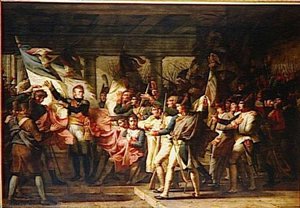
- marshal ney and the soldiers of the 76th regiment retrieving their flags from the arsenal of inspruck, a piece that garnered significant praise at the paris salon in 1808.
- a series of drawings for bas-reliefs and sculptures to ornament the arc de triomphe du carrousel, paris, showcasing his versatility and skill.
legacy and remembrance
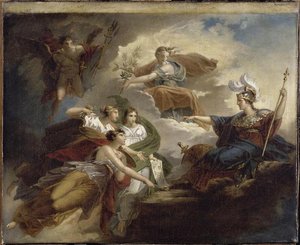
charles meynier passed away in paris on september 6, 1832, leaving behind a legacy of neoclassical masterpieces that continue to inspire. his work can be found in various collections, including those at https://ArtsDot.com, offering a glimpse into the artistic genius of this period. selected works at ArtsDot:- france triumphant encouraging the sciences and the arts, a painting that marked the beginning of his illustrious career.
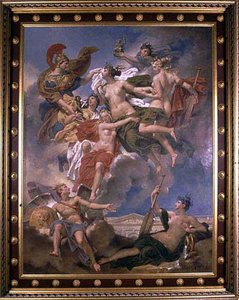
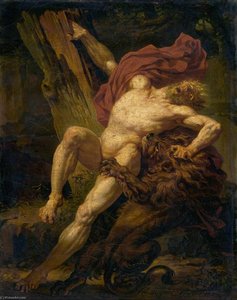
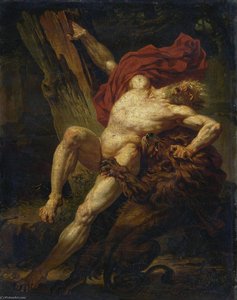
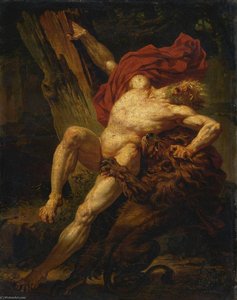
- milo of croton, showcasing his mastery of neoclassical subjects, currently on display at the montreal museum of fine arts.
Charles Meynier
1768 - 1832
Quick Facts
- Artistic Movement Or Style: Neoclassical
- Artists Or Movements Influenced By This Artist: ['James Pradier']
- Artists Who Influenced This Artist:
- Pierre-Philippe Choffard
- François-André Vincent
- Date Of Birth: November 24, 1768
- Date Of Death: September 6, 1832
- Full Name: Charles Meynier
- Nationality: French
- Notable Artworks:
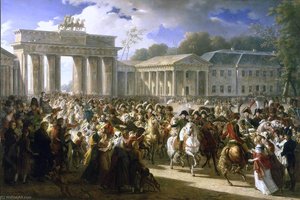
- Napoleon in Berlin
- Milo of Croton
- Marshal Ney...
- France Triumphant...
- Place Of Birth: Paris, France
Related Articles

Giclée Prints: Archival Quality & Aesthetic Nuances for the Discerning Collector
Explore the world of giclée prints with ArtsDot. Learn about archival quality, aesthetic nuances & investment potential. Expert guidance for discerning art collectors seeking museum-quality reproductions and lasting value.

The Enduring Legacy of Fine Art Prints: Technique, History & Aesthetic Impact
Explore the rich history & techniques of fine art prints. Discover investment potential, assess authenticity, and learn how to preserve your collection with expert guidance. Trusted insights for discerning collectors.

Echoes of Time: Exploring the Enduring Appeal & Historical Context of Vintage Art Prints
Explore the captivating world of vintage art prints! Discover their history, collecting tips & enduring appeal. Expert insights on chromolithography and building a legacy collection with ArtsDot.
The Modern Ceiling Fresco: Reimagining Renaissance Grandeur for Contemporary Spaces
Discover the resurgence of ceiling frescoes! Explore historical traditions & modern interpretations for luxury spaces. 's expert artists create custom, hand-painted masterpieces.

Baroque Drama: Bringing Opulence & Emotion into Contemporary Interiors
Explore the opulent world of Baroque interior design! Discover key elements, modern applications & how to bring dramatic elegance into your home with 's authentic reproductions.