

 Preview
 Send
Send Share
Share
 Details

 Download
 Similars
 X-Ray
X-Ray Diaporama
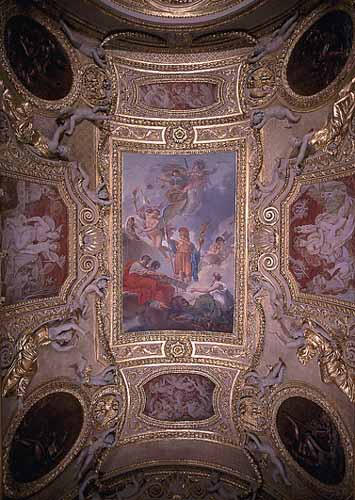
La terre recevant des empereurs Adrien et Justinien le code des lois romaines dictées par la nature, la justice et la sagesse


 Read More
Purchase a high-resolution, enhanced digital image, far superior to the online preview.
Each file is meticulously prepared by our in-house specialists using advanced tools and expert manual retouching. We ensure every image has exceptional clarity, precise color accuracy, and fine detail.
The final file is delivered via email within 72 hours, optimized for immediate use in professional, editorial, and print environments. This is the same quality trusted by top-tier design studios, publishers, and galleries.
Digital Image
Download a high-resolution file for personal display, printing, and creative projects. ( Buy Print Buy Hand Made Painting)
Included in Every Digital Image Order
Expert Digital Delivery, Guaranteed
When you choose ArtsDot.com, you're not just getting an image - you're receiving a professionally enhanced digital artwork, crafted with precision and backed by a satisfaction guarantee. Here's everything that comes with your order, automatically:

Fast Email Delivery
Your high-resolution digital image file will be emailed to you within 72 hours of ordering - ready for immediate use.

AI-Enhanced Digital File
Your artwork is professionally optimized using advanced AI tools and manual editing, ensuring maximum detail, clarity, and color accuracy.

Free Lifetime Re-Delivery
Accidentally deleted or lost your file? No worries - we'll resend it to you anytime, free of charge.

No Import Fees - Ever
Enjoy your artwork instantly with zero customs, duties, or delivery fees - digital downloads are always tax-free.

Color Accuracy Guarantee
We ensure your digital image reflects the original colors as closely as possible using professional tools and color management.

60-Day Satisfaction Guarantee
If you're not satisfied with your digital image, we'll revise it or refund 100% within 60 days - no questions asked.

100% Money-Back Guarantee
Not satisfied? Get a full refund within 60 days of receiving your digital file - no questions asked.

Bulk Order Discounts
Buy 3 images, save 10% - Buy 5, save 15% - Buy 10+, save 20%. Great for creative projects, galleries, and agencies.
Collectible Description
La Terre Recevant des Empereurs Adrien et Justinien Le Code des Lois Romaines Dictées par la Nature, la Justice et la Sagesse
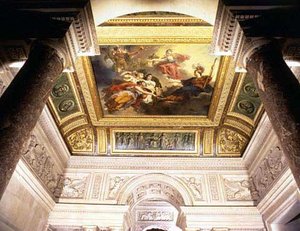
Charles Meynier’s monumental ceiling painting, “La Terre recevant des empereurs Adrien et Justinien le code des lois romaines dictées par la nature, la justice et la sagesse,” stands as a testament to the neoclassical fervor of early 19th-century France and embodies an ambitious vision of philosophical allegory. Executed in 1802–1803 during Napoleon III’s reign, this artwork resides within the Louvre Museum's Room 22, specifically dedicated to Roman antiquities—a deliberate choice reflecting the era’s fascination with classical ideals.
- Subject Matter: The painting depicts two emperors – Hadrian and Justinian – receiving a scroll from figures representing Nature, Justice, and Wisdom. This central tableau encapsulates the core tenets of Roman law and philosophy, symbolizing the transmission of knowledge and moral authority.
- Style & Technique: Meynier’s masterful application of oil paint on canvas demonstrates remarkable skill in capturing dramatic lighting and conveying emotion—characteristics typical of Baroque art but adapted to the neoclassical aesthetic. The extensive use of gold leaf lends an opulent grandeur to the composition, elevating it beyond mere decoration into a profound statement about artistic excellence.
- Historical Context: Created during Napoleon III’s reign, “La Terre recevant des empereurs Adrien et Justinien” reflects the broader cultural preoccupation with reviving classical virtues and celebrating imperial power. It aligns perfectly with the Louvre's mission to showcase masterpieces of Roman antiquity and reinforce France’s position as a champion of artistic innovation.
- Symbolism: Each element within the painting carries significant symbolic weight. Hadrian, representing reason and law, receives the scroll from Wisdom—a figure embodying enlightenment and moral guidance. Justinian, symbolizing justice, stands steadfastly beside him, upholding ethical principles. The surrounding decorative elements – swirling patterns, floral motifs, and mythological creatures – reinforce these themes of harmony and order.
- Emotional Impact: Viewing this artwork evokes a sense of awe and contemplation. Meynier’s meticulous attention to detail—the drapery folds, the facial expressions of the figures—creates an immersive experience that transports the viewer back to the grandeur of Roman civilization. It serves as a reminder of the enduring power of art to communicate complex ideas and inspire admiration for human intellect and moral fortitude.
The Louvre’s curators recognize its importance, positioning it prominently within Room 22 alongside other treasures from antiquity. Its enduring appeal lies in its ability to capture not only a specific historical moment but also the timeless pursuit of wisdom and justice—values that continue to resonate with audiences today.
Related Artworks
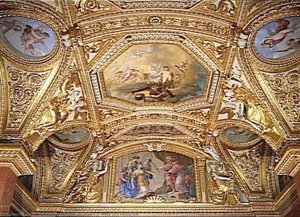
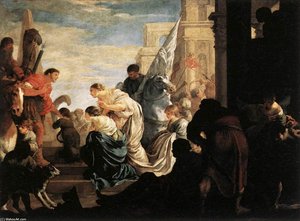
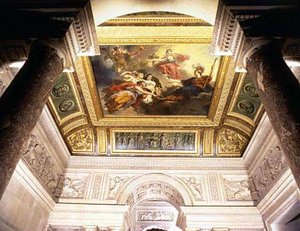
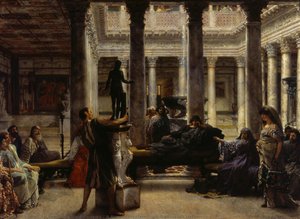
Artist Biography
early life and training
charles meynier, a prominent figure in the neoclassical art movement, was born in paris on november 24, 1768. initially destined for a career as a tailor by his family, meynier's inclination towards the arts led him to apprentice under pierre-philippe choffard, a renowned engraver and artist. this early training laid the groundwork for his future success.rise to prominence
meynier's breakthrough came in 1789 when, as a student of françois-andré vincent, he won the second prize in the prix de rome competition. this achievement granted him membership in the académie de france in rome, further solidifying his artistic credentials.notable works and commissions
- marshal ney and the soldiers of the 76th regiment retrieving their flags from the arsenal of inspruck, a piece that garnered significant praise at the paris salon in 1808.
- a series of drawings for bas-reliefs and sculptures to ornament the arc de triomphe du carrousel, paris, showcasing his versatility and skill.
legacy and remembrance
charles meynier passed away in paris on september 6, 1832, leaving behind a legacy of neoclassical masterpieces that continue to inspire. his work can be found in various collections, including those at https://ArtsDot.com, offering a glimpse into the artistic genius of this period. selected works at ArtsDot:- france triumphant encouraging the sciences and the arts, a painting that marked the beginning of his illustrious career.
- milo of croton, showcasing his mastery of neoclassical subjects, currently on display at the montreal museum of fine arts.
Charles Meynier
1768 - 1832
Quick Facts
- Artistic Movement Or Style: Neoclassical
- Artists Or Movements Influenced By This Artist: ['James Pradier']
- Artists Who Influenced This Artist:
- Pierre-Philippe Choffard
- François-André Vincent
- Date Of Birth: November 24, 1768
- Date Of Death: September 6, 1832
- Full Name: Charles Meynier
- Nationality: French
- Notable Artworks:
- Napoleon in Berlin
- Milo of Croton
- Marshal Ney...
- France Triumphant...
- Place Of Birth: Paris, France

