

 Preview
 Send
Send Share
Share
 Details

 Download
 Similars
 X-Ray
X-Ray Diaporama
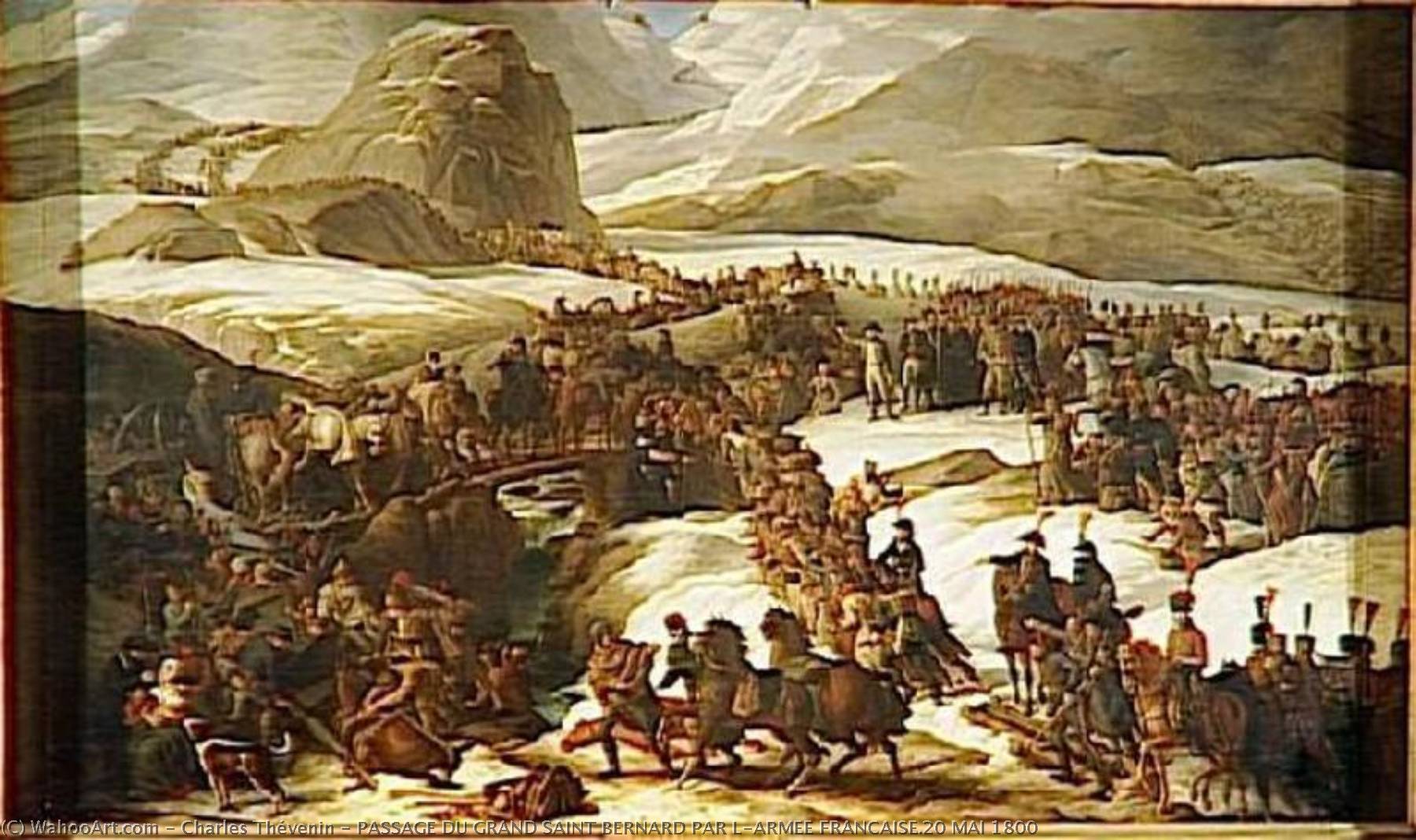
PASSAGE DU GRAND SAINT BERNARD PAR L'ARMEE FRANCAISE.20 MAI 1800

 Read More
Purchase a high-resolution, enhanced digital image, far superior to the online preview.
Each file is meticulously prepared by our in-house specialists using advanced tools and expert manual retouching. We ensure every image has exceptional clarity, precise color accuracy, and fine detail.
The final file is delivered via email within 72 hours, optimized for immediate use in professional, editorial, and print environments. This is the same quality trusted by top-tier design studios, publishers, and galleries.
Digital Image
Download a high-resolution file for personal display, printing, and creative projects. ( Buy Print Buy Hand Made Painting)
Included in Every Digital Image Order
Expert Digital Delivery, Guaranteed
When you choose ArtsDot.com, you're not just getting an image - you're receiving a professionally enhanced digital artwork, crafted with precision and backed by a satisfaction guarantee. Here's everything that comes with your order, automatically:

Fast Email Delivery
Your high-resolution digital image file will be emailed to you within 72 hours of ordering - ready for immediate use.

AI-Enhanced Digital File
Your artwork is professionally optimized using advanced AI tools and manual editing, ensuring maximum detail, clarity, and color accuracy.

Free Lifetime Re-Delivery
Accidentally deleted or lost your file? No worries - we'll resend it to you anytime, free of charge.

No Import Fees - Ever
Enjoy your artwork instantly with zero customs, duties, or delivery fees - digital downloads are always tax-free.

Color Accuracy Guarantee
We ensure your digital image reflects the original colors as closely as possible using professional tools and color management.

60-Day Satisfaction Guarantee
If you're not satisfied with your digital image, we'll revise it or refund 100% within 60 days - no questions asked.

100% Money-Back Guarantee
Not satisfied? Get a full refund within 60 days of receiving your digital file - no questions asked.

Bulk Order Discounts
Buy 3 images, save 10% - Buy 5, save 15% - Buy 10+, save 20%. Great for creative projects, galleries, and agencies.
Related Artworks

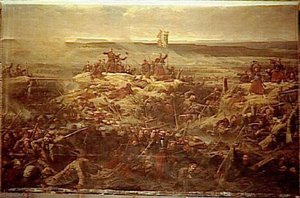
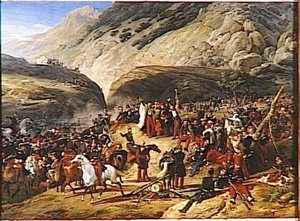
Artist Biography
A Witness to Tumult: The Life and Art of Charles Thévenin
Charles Thévenin, born in Paris in 1764, emerged as a pivotal figure during an era defined by seismic shifts – the French Revolution and the Napoleonic Empire. His canvases weren’t merely depictions of historical events; they were immersive experiences, capturing the fervor, chaos, and ultimately, the heroic narratives that shaped a nation's identity. The son of a court architect, Thévenin was steeped in an environment where artistic expression held considerable value, a foundation upon which he would build his own distinguished career. His formal training at the Académie Royale de Peinture et de Sculpture under François-André Vincent provided him with the rigorous grounding in Neoclassical principles that would become hallmarks of his style: clarity of form, balanced composition, and an unwavering commitment to depicting subjects with a sense of noble grandeur. Early success came with recognition in the prestigious Prix de Rome competition, securing second prize for *Joseph Recognized by his Brothers* in 1789 and then claiming first prize two years later with *Regulus Returns to Carthage*. These early works weren’t simply exercises in academic skill; they demonstrated a burgeoning talent for narrative painting, an ability to translate complex stories into visually compelling scenes brimming with emotional resonance.Painting the Revolution: Thévenin's Rise to Prominence
The outbreak of the French Revolution provided Thévenin with subject matter that would define his artistic trajectory. He didn’t shy away from the dramatic upheaval; instead, he embraced it, seeking to immortalize the pivotal moments on canvas. His *The Taking of the Bastille* (1793) stands as a testament to this commitment. This monumental work wasn't simply a record of an event; it was a visceral portrayal of revolutionary energy – the surging crowds, the determined faces, and the sheer scale of the uprising. The painting sparked considerable debate upon its unveiling, solidifying Thévenin’s reputation not just as a skilled painter but also as one willing to engage with the politically charged atmosphere of the time. It was a bold statement, marking his arrival onto the wider art world stage. This success paved the way for further commissions, most notably a series glorifying Napoleon Bonaparte's military victories, collectively known as *Augereau Arcole*. These paintings weren’t subtle in their praise; they were designed to celebrate Napoleon’s triumphs and reinforce his image as a powerful leader, establishing Thévenin as a leading artist of the Napoleonic period.Grandeur and Precision: The Art of Historical Narrative
Thévenin's mastery lay in his ability to blend historical accuracy with artistic license. He wasn’t merely recreating events; he was interpreting them, imbuing them with a sense of drama and emotional weight. *Napoleon I Receives the Capitulation of General Mack* (1815) exemplifies this skill. The composition is meticulously crafted, drawing the viewer's eye to Napoleon as the central figure, radiating authority and control. The details – the uniforms, the weaponry, the expressions on the faces of those present – are rendered with remarkable precision, lending an air of authenticity to the scene. However, it’s not simply a matter of technical skill; Thévenin understood how to use light, shadow, and color to create a specific mood, enhancing the narrative impact of his work. His paintings functioned as powerful tools for shaping public perception, contributing significantly to the construction of national identity during an era of profound political change. They weren’t just art; they were propaganda, carefully designed to inspire patriotism and loyalty.Legacy and Influence: A Neoclassical Master
Even after the fall of Napoleon, Thévenin remained a respected figure in the French art establishment. He held several prestigious positions, including director of museums and academies, demonstrating his continued influence within artistic circles. While documented interactions are scarce, he had contact with Dominique Ingres during his career, another leading Neoclassical painter of the time. Though their styles differed somewhat – Ingres being known for his meticulous draftsmanship and emphasis on line – both artists shared a commitment to classical ideals and a desire to elevate history painting as a genre. Thévenin’s contributions to the neoclassical movement are undeniable; he helped define its characteristics, demonstrating its capacity to convey complex historical narratives with power and clarity. His works continue to be valued today not only for their artistic merit but also for the insights they offer into a pivotal period in French history. Through platforms like ArtsDot, his legacy endures, allowing audiences worldwide to experience the grandeur and drama of his vision.Exploring Thévenin’s World
- Key Characteristics: Thévenin's style is defined by its Neoclassical rigor – balanced compositions, clear lines, and a focus on anatomical accuracy.
- Major Themes: His work primarily revolves around historical events, particularly those of the French Revolution and Napoleonic era. He frequently depicted scenes of military victory, political upheaval, and heroic sacrifice.
- Influences: He was heavily influenced by his training at the Académie Royale de Peinture et de Sculpture and the principles of Neoclassical art. The works of artists like Jacques-Louis David also likely played a role in shaping his style.
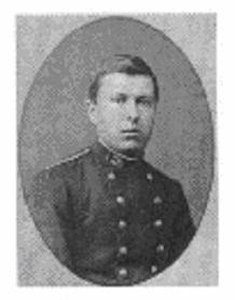
Charles Thévenin
1764 - 1838 , France
Quick Facts
- Artistic Movement Or Style: Neoclassical
- Artists Or Movements Influenced By This Artist: ['Neoclassical traditions']
- Artists Who Influenced This Artist: ['François-André Vincent']
- Date Of Birth: July 12, 1764
- Date Of Death: February 28, 1838
- Full Name: Charles Thévenin
- Nationality: French
- Notable Artworks:
- The Taking of the Bastille
- Augereau Arcole
- Napoleon I Receives...
- Regulus Returns to Carthage
- Place Of Birth: Paris, France

