 Preview
 Send
Send Share
Share
 Details

 Download
 Similars
 X-Ray
X-Ray Diaporama
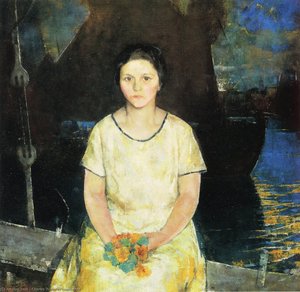
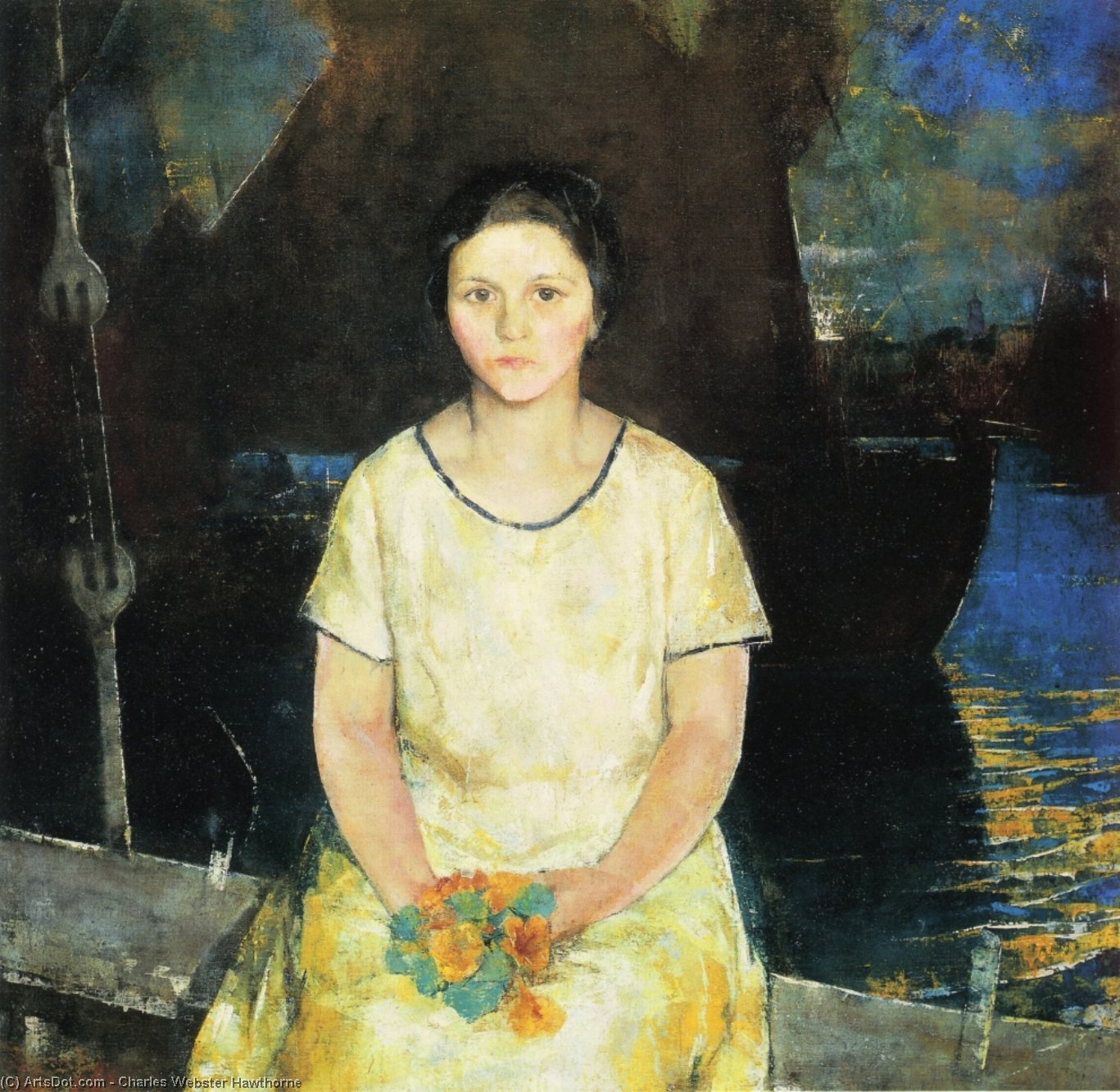
The Fisherman's Daughter


 Read More
Giclée / Art Print
Museum-quality giclée or canvas print with fast production and flexible finish options. ( Buy Hand Made Painting Buy Image)




P118B $10

P118H $10

P118W $10

P438Z $10

P508JH $12

P508YH $12

P805H $10

P805Z $10

P919BZ $10

P919G $10

P919XJ $10

P959ZH $10

P968JZ $12

W106C $8

W218G $10

W218JH $8

W218Y $10

W307PJ $10

W316G $10

W316PJ $8

W316Y $10

W398PJ $8

W4111J $10

W500HY $15

W500JH $15

W692G $12

W849H $8

W940BG $15

W953PJ $8




Pick from our preset sizes that match the artwork's original proportions.

You may enter your own dimensions to fit a specific frame or space. If your selected size does not match the original image's proportions, we will either crop the artwork or extend the image with a mirrored or solid-fill edge. A digital mockup will be sent for your approval before production begins.
Please note that the on-screen preview does not reflect the actual cropping or extension. Only the mockup will accurately show the final composition.
While custom sizes are available, we recommend selecting a dimension from the predefined list to preserve the original proportions.
Worldwide Delivery () in 2 weeks instead of standard 4/5 weeks. (16 August)

Free Worldwide Express Shipping

High-Quality Linen Canvas

Full Shipping Insurance

Customs Tax Refund Guarantee

True Color Matching Guarantee

60-Day Return Policy (Defects Only)

100% Money-Back Guarantee

Bulk Discount Offer
 Glass option is only available in size under 110 CM

The Fisherman's Daughter
Giclée / Art Print
Reproduction Size
-


Total Price
$ 63
Collectible Description
A Serenade on the Water: Exploring The Fisherman's Daughter
To gaze upon Charles Webster Hawthorne’s The Fisherman's Daughter is to be instantly transported to a moment suspended in time, where the gentle rhythm of the tide meets the quiet dignity of human grace. Painted in 1912, this oil on canvas captures more than just a scene; it encapsulates a mood—a luminous blend of coastal serenity and feminine elegance. The subject itself is captivating: a young woman seated upon the edge of a boat, framed by an abundance of beautiful, blooming flowers. Her posture suggests a moment of quiet contemplation, as if she has paused her day's activities to simply absorb the beauty surrounding her.
Mastery of Light and Impressionistic Brushwork
Hawthorne’s technique here is a masterful homage to the capturing of light itself. While his style possesses the bold strokes characteristic of late Impressionism, there is an underlying Luminist glow that speaks directly to his New England roots. Observe how the sunlight seems to filter across the water and illuminate the delicate folds of her attire. The artist does not merely paint objects; he paints the quality of light falling upon them. This attention to atmospheric effect gives the entire composition a breathtaking depth, drawing the viewer's eye from the foreground flowers to the distant sails.
Symbolism of Place and Passage
The setting is rich with symbolic resonance. The boat itself, with its visible sail and the other vessels dotting the background, speaks to themes of journey, passage, and life’s ongoing voyage. Yet, this movement is anchored by the woman and the flowers she cradles near her chest. These blossoms are potent symbols—of fleeting beauty, burgeoning life, and perhaps a tender secret held close. Her elegant outfit, complete with its distinct collar and necklace, suggests a refinement that contrasts beautifully with the rugged, natural backdrop of the sea, hinting at the delicate balance between civilization and nature.
An Emotional Echo for the Modern Collector
For the art lover or designer seeking to infuse a space with soulful depth, The Fisherman's Daughter offers profound emotional resonance. It is an image that whispers tales of quiet moments—of waiting, of beauty appreciated in stillness, and of the enduring connection between humanity and the natural world. Owning a high-quality reproduction allows one to bring this captured light and serene narrative into your own home or gallery. It serves not just as decoration, but as a daily meditation on grace, depth, and the breathtaking poetry found at the water's edge.
Related Artworks
Artist Biography
A Luminist of the New England Coast
Charles Webster Hawthorne, born in Lodi, Illinois, in 1872, stands as a pivotal figure in American art during a period defined by transition and burgeoning national identity. Though his earliest years unfolded inland, it was the rugged, windswept coastline of Maine—to which his parents returned shortly after his birth—that would indelibly shape his artistic vision. This profound connection to the sea, instilled through childhood experiences with his father’s profession as a ship captain and ice farmer, became a recurring motif throughout his career, informing both subject matter and aesthetic sensibility. Hawthorne's journey toward becoming a celebrated portraitist and genre painter was one of dedicated study, unwavering commitment to capturing the essence of light and form, and an innovative approach to art education that would leave a lasting legacy on American painting. He initially pursued formal training in New York City, balancing the demands of work as an office boy with evening classes at the Art Students League under George de Forest Brush and H. Siddons Mowbray, followed by studies at the National Academy of Design. Crucially, his exposure to William Merritt Chase—first as a student and then as an assistant at Shinnecock Hills—proved transformative, instilling in him a deep appreciation for plein air painting and the expressive potential of brushwork. These formative experiences laid the foundation for Hawthorne’s distinctive style, characterized by its robust handling of paint and luminous tonal qualities.The Cape Cod School and a Philosophy of Painting
Hawthorne's influence extended far beyond his own canvases; he was also an exceptionally influential teacher, driven by a desire to foster genuine artistic vision in others. In 1899, recognizing a need for a dedicated space where artists could immerse themselves in direct observation of nature, he founded the Cape Cod School of Art in Provincetown, Massachusetts. This institution quickly became a haven for aspiring painters, attracting students from across the country and establishing Provincetown as a thriving art colony—a beacon for those seeking an alternative to traditional academic training. Hawthorne’s pedagogical approach was unconventional yet profoundly effective. He emphasized simplifying forms, focusing on tonal values, and capturing the fleeting effects of light – principles deeply rooted in his own artistic practice. His teaching wasn't about imposing a specific technique but rather encouraging students to develop their individual vision through rigorous observation and bold experimentation. He famously urged them to “go out like a savage,” embracing a fresh, uninhibited approach to painting, stripping away preconceived notions and allowing the immediacy of experience to guide their hand. Among his notable pupils was Norman Rockwell, who spent a formative summer studying with Hawthorne, absorbing lessons that would later inform his own iconic American scenes. Bertha Noyes, another prominent student, went on to become a significant figure in the Washington D.C. artistic community. The Cape Cod School of Art flourished under Hawthorne’s guidance for thirty years, leaving an enduring mark on American art education and fostering a generation of artists who valued direct observation and expressive brushwork.Capturing Light and Life: Themes and Techniques
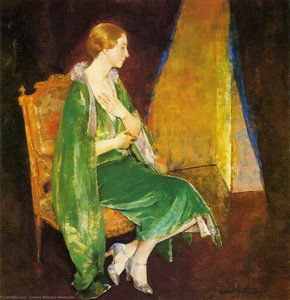
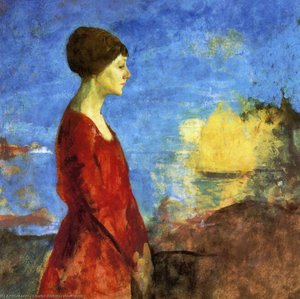
Hawthorne's paintings are immediately recognizable for their vibrant color palettes and masterful handling of light. He frequently depicted scenes from the seaside around Provincetown, portraying fishermen, families, and everyday life with a remarkable sensitivity to atmosphere and character. His portraits, in particular, stand out for their psychological depth and expressive brushwork. He wasn’t interested in mere likeness but rather sought to capture the inner essence of his subjects—their personalities, their stories, their connection to the world around them. He achieved this through careful observation of light and shadow, using tonal variations to model form and create a sense of volume. His technique often involved applying paint with broad, confident strokes, allowing the texture of the canvas to contribute to the overall effect. This approach, influenced by both Chase and the Dutch masters he encountered during his travels—particularly Frans Hals—resulted in paintings that are simultaneously realistic and painterly. Hawthorne’s work also reflects an interest in genre painting, depicting scenes of everyday life with a keen eye for detail and social commentary. He found beauty in the ordinary, elevating humble subjects to the level of art through his skillful execution and empathetic portrayal. His First Voyage, for example, captures a poignant moment of youthful potential, while works like The Red Dress demonstrate his ability to imbue even simple compositions with emotional resonance.Legacy and Enduring Influence
Charles Webster Hawthorne passed away in Baltimore, Maryland, in 1930, leaving behind a rich artistic legacy that continues to resonate today. His wife, Marion Campbell Hawthorne, played a crucial role in preserving his work and ideas by collecting and publishing his writings in the influential book Hawthorne on Painting in 1938. This collection offers invaluable insights into his artistic philosophy and teaching methods, providing a window into the mind of a master painter. His works are now held in prestigious collections such as the Art Institute of Chicago, the Metropolitan Museum of Art in New York, and the Smithsonian American Art Museum in Washington D.C., ensuring their accessibility to future generations. Hawthorne’s influence can be seen in the work of countless artists who followed him, particularly those associated with the Cape Cod School of Art and the broader American Impressionist movement. He remains a celebrated figure for his luminous paintings, masterful use of oil paint, and enduring commitment to artistic education—a testament to his belief that art should be rooted in direct observation, personal expression, and a deep connection to the natural world.- Born: January 8, 1872, Lodi, Illinois
- Founded Cape Cod School of Art: 1899
- Died: November 29, 1930, Baltimore, Maryland
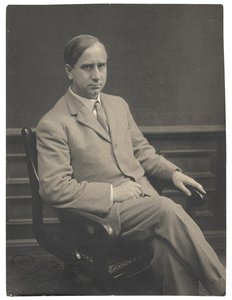
Charles Webster Hawthorne
1872 - 1930 , United States of America
Quick Facts
- Artistic Movement Or Style: Impressionism, Luminism
- Artists Or Movements Influenced By This Artist: ['Norman Rockwell']
- Artists Who Influenced This Artist: ['William Merritt Chase']
- Date Of Birth: January 8, 1872
- Date Of Death: November 29, 1930
- Full Name: Charles Webster Hawthorne
- Nationality: American
- Notable Artworks:
- His First Voyage
- The Red Dress
- Early Moonrise
- Place Of Birth: Lodi, USA
Related Articles
Boats on Canvas: 10 Masterpieces of Maritime Art for Your Home Decor
Sail away with 10 iconic boat paintings! Explore masterpieces by Monet, Van Gogh & Turner. Discover the stories behind these timeless seascapes and find museum-quality art reproductions for your home decor at ArtsDot.com.

The Enduring Legacy of Oil on Canvas: Technique, History & Aesthetic Impact
Explore the rich history & techniques of oil painting – from Renaissance masters to Impressionism. Discover pigments, layering methods, and why this timeless medium endures. Expert insights for artists & art enthusiasts.

Oil on Canvas: A Historical & Technical Exploration of a Timeless Artistic Medium
Explore the rich history & enduring techniques of oil painting on canvas. Discover the science behind its longevity, conservation practices, and contemporary relevance. Expert insights for art enthusiasts.
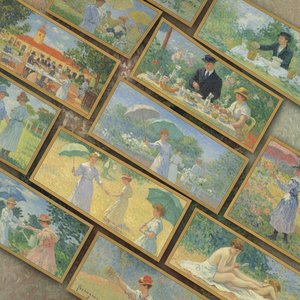
Renoir's Masterpieces: Explore 25 Iconic Paintings & Bring Art Home | ArtsDot
Explore 25 iconic Pierre-Auguste Renoir paintings! Discover the stories behind Impressionist masterpieces like 'Dance at Le Moulin de la Galette' & 'Luncheon of the Boating Party'. Find museum-quality art reproductions and elevate your home decor with ArtsDot.com.

The Enduring Power of Painting: A Historical & Contemporary Exploration of Form and Emotion
Explore the rich history & enduring techniques of oil painting with ArtsDot. Discover masterpieces, learn about art collecting, and find authentic handmade reproductions crafted by skilled artists.