 Preview
 Send
Send Share
Share
 Details

 Download
 Similars
 X-Ray
X-Ray Diaporama
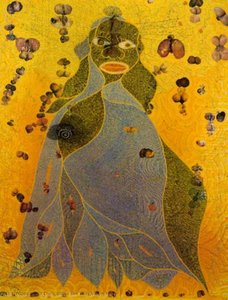
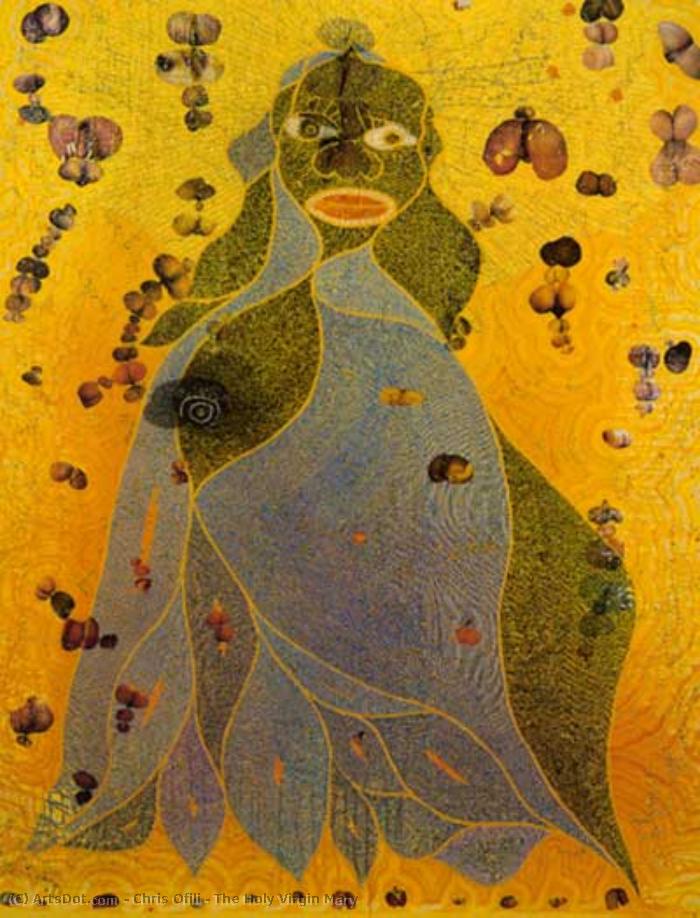
The Holy Virgin Mary
 Acrylic On Canvas
- WallArt
- Hip-Hop Realism
 1996
1996- Contemporary
 253.0 x 182.0 cm
 MOMA - Museum of Modern Art
 Read More
Hand Made Oil Reproduction
Hand-painted oil on canvas in your size and frame, made to order by our artists. ( Buy Print Buy Image)




P118B $10

P118H $10

P118W $10

P438Z $10

P508JH $12

P508YH $12

P805H $10

P805Z $10

P919BZ $10

P919G $10

P919XJ $10

P959ZH $10

P968JZ $12

W106C $8

W218G $10

W218JH $8

W218Y $10

W307PJ $10

W316G $10

W316PJ $8

W316Y $10

W398PJ $8

W4111J $10

W500HY $15

W500JH $15

W692G $12

W849H $8

W940BG $15

W953PJ $8




Pick from our preset sizes that match the artwork's original proportions.

You may enter your own dimensions to fit a specific frame or space. If your selected size does not match the original image's proportions, we will either crop the artwork or extend the painting with additional hand-painted elements. A digital mockup will be sent for your approval before production begins.
Please note that the on-screen preview does not reflect the actual cropping or extension. Only the mockup will accurately show the final composition.
While custom sizes are available, we recommend selecting a dimension from the predefined list to preserve the original proportions.
After order, ArtsDot.com team will email client for instructions and provide a mockup preview
Worldwide Delivery () in 3/4 weeks instead of standard 5 weeks. (17 August). No compromise on quality.

Free Worldwide Express Shipping

High-Quality Linen Canvas

Full Shipping Insurance

Customs Tax Refund Guarantee

True Color Matching Guarantee

60-Day Return Policy (Defects Only)

100% Money-Back Guarantee

Bulk Discount Offer
 Glass option is only available in size under 110 CM

The Holy Virgin Mary
Reproduction Medium
Reproduction Size
-


Total Price
$ 263
Artwork Description
A Collision of Worlds: Chris Ofili’s “The Holy Virgin Mary”
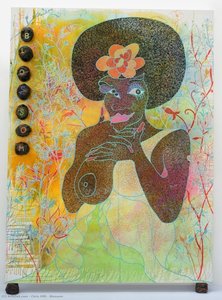
Chris Ofili’s 1996 painting, "The Holy Virgin Mary," isn't merely an image; it’s a deliberate provocation, a vibrant collision of sacred iconography and jarring contemporary elements. Immediately arresting, the work confronts viewers with a black female figure embodying the traditional representation of the Virgin Mary, yet radically transformed by Ofili’s signature blend of materials and unsettling juxtapositions. It’s a piece that demands attention, sparking debate and inviting layers of interpretation long after the initial visual impact fades.
At first glance, the painting echoes centuries-old depictions of the Madonna – the flowing blue robe, the serene expression, the haloed light. However, this familiar form is immediately destabilized by a multitude of unconventional additions. Glitter, meticulously applied, shimmers across the canvas, reflecting and refracting light in an almost overwhelming display. Beneath this shimmering surface lies a complex layering of oil paint, polyester resin, and crucially, elephant dung – a material that simultaneously grounds the work in the realities of Ofili’s upbringing in Nigeria and introduces a potent element of the grotesque. The inclusion of map pins, spelling out “Virgin” and “Mary,” further anchors the piece within a geographical and historical context, subtly questioning the established narratives surrounding religious iconography.
Deconstructing Divinity: Symbolism and Context
Ofili’s decision to utilize elephant dung is arguably the most controversial element of "The Holy Virgin Mary," yet it's also central to understanding the painting’s broader significance. Growing up in a Nigerian household, Ofili was exposed to traditional beliefs surrounding the medicinal properties of elephant dung – a substance considered sacred and imbued with protective qualities. This connection to his cultural heritage provides a crucial counterpoint to the Western tradition of depicting the Virgin Mary as an ethereal, untouchable figure. The use of dung simultaneously elevates and subverts religious imagery, forcing viewers to confront uncomfortable questions about representation, power, and the relationship between art and culture.
Furthermore, the inclusion of collaged images – specifically photographs of female genitalia – adds another layer of complexity. These fragments, sourced from pornographic magazines, disrupt the idealized image of the Virgin Mary and introduce a frankness that challenges traditional notions of piety and purity. Ofili isn’t simply depicting a religious figure; he's engaging in a critical dialogue with Western art history, questioning its established conventions and exposing its inherent biases.
Technique and Materiality: A Layered Approach
The painting’s power lies not only in its symbolism but also in Ofili’s masterful manipulation of materials. He employs a layered approach, building up the surface with meticulous detail – each glitter particle, each carefully placed map pin, contributes to the overall effect. The use of resin creates a glossy, almost sculptural quality, while the elephant dung introduces an unexpected tactile element, grounding the ethereal imagery in the physicality of the material.
The deliberate leaning of the painting against the gallery wall, rather than suspending it on the wall, further emphasizes this materiality. It’s as if the work is asserting its presence within the space, demanding to be seen and experienced. This unconventional presentation underscores Ofili's desire to blur the boundaries between art and life, challenging viewers to engage with the painting not just visually but also emotionally and intellectually.
A Legacy of Provocation: Impact and Interpretation
"The Holy Virgin Mary" remains a profoundly impactful work of art, sparking ongoing debate about its meaning and significance. Its initial reception was fraught with controversy, particularly in New York City where it was exhibited as part of the “Sensation” exhibition – a collection of provocative works that challenged conventional notions of taste and beauty. The painting’s inclusion in this exhibition led to vandalism and legal challenges, highlighting the power of art to provoke and disrupt.
Despite these controversies, "The Holy Virgin Mary" has become recognized as one of Chris Ofili's most important and enduring works. It stands as a testament to his innovative approach to materials, his willingness to challenge established conventions, and his ability to create images that are both visually arresting and intellectually stimulating. Today, reproductions of this iconic painting continue to resonate with audiences worldwide, prompting reflection on themes of faith, identity, and the complex relationship between art and society.
Related Artworks
Artist Biography
Robert Rauschenberg: A Life in Flux
Robert Rauschenberg, a name synonymous with innovation and playful disruption within the art world, wasn’t simply an artist; he was a restless explorer of materials, processes, and the very definition of what constitutes “art.” Born Milton Ernest Rauschenberg in Port Arthur, Texas, in 1925, his early life – shaped by fundamentalist Christian parents and a childhood steeped in the rhythms of rural America – would profoundly influence his later work. This grounding in everyday experience, juxtaposed with an innate curiosity and a willingness to dismantle established conventions, became the bedrock of his extraordinary career, spanning nearly six decades and leaving an indelible mark on 20th-century art.
Rauschenberg’s artistic journey began at the University of Texas at Austin, where he initially studied philosophy before gravitating towards painting. However, it was in New York City during the late 1940s and early 1950s that his true creative revolution ignited. He immersed himself in the vibrant scene of post-war Abstract Expressionism, encountering figures like Jackson Pollock and Mark Rothko. Yet, Rauschenberg quickly rejected the purely gestural approach favored by many of his contemporaries, seeking instead to integrate elements of chance, found objects, and popular culture into his work. This marked a pivotal shift towards what would become known as “Combines,” a term coined by art critic Clement Greenberg to describe Rauschenberg’s groundbreaking hybrid paintings.
The Rise of the Combine
The Combines – works like *Monogram* (1955) and *Max Ernst as Private Detective* (1956) – represented a radical departure from traditional painting. These pieces weren't simply canvases adorned with paint; they were complex assemblages incorporating everything from fabric, photographs, newspaper clippings, rubber tires, and even taxidermied animals. Rauschenberg meticulously layered these disparate elements, often using silkscreen techniques to create intricate patterns and textures. The process itself was deliberately unpredictable, relying on chance encounters between materials and the artist’s intuitive responses. As he himself described, “I wanted to make a painting that wasn't a painting.”
The influence of Dadaism and Surrealism is readily apparent in Rauschenberg’s early work, particularly his use of collage and assemblage. However, unlike the often ironic detachment of Dada, Rauschenberg infused his art with a sense of genuine engagement with the world around him. He wasn't merely critiquing society; he was actively participating in it, blurring the boundaries between high art and low culture, private and public.
Autobiography: A Monumental Reflection
In 1968, Rauschenberg created *Autobiography*, a monumental print that stands as perhaps his most ambitious and revealing work. Commissioned by Marion Javits, the wife of Senator Jacob Javits, the piece was intended to be a comprehensive overview of the artist’s life and career. Printed on three sheets of paper using a billboard press – an industrial printing method typically reserved for advertising – *Autobiography* is a chaotic yet meticulously organized montage of images, text, and found objects. It incorporates photographs of Rauschenberg himself, X-rays of his body, maps, diagrams, and snippets from his personal writings.
The print’s sprawling format—over sixteen feet tall—mirrors the breadth and complexity of Rauschenberg's artistic practice. The inclusion of seemingly random elements – an umbrella, a wheel, a piece of fabric – reflects his fascination with everyday objects and their potential as sources of inspiration. *Autobiography* is not merely a self-portrait; it’s a meditation on art itself, questioning the nature of representation, authorship, and the very act of remembering.
Beyond the Combine: Printmaking and Late Work
While the Combines remain Rauschenberg's most iconic achievement, his artistic output extended far beyond this singular approach. He became a master printmaker, experimenting with diverse techniques – lithography, screenprinting, woodcut – to create works of remarkable beauty and complexity. His prints often incorporated elements of collage and assemblage, echoing the spirit of his paintings but adapted to the unique properties of the medium.
In his later years, Rauschenberg continued to push boundaries, exploring themes of memory, identity, and the relationship between art and life. He created large-scale installations, incorporating found objects and performance elements into his work. His late works, characterized by their vibrant colors and layered imagery, demonstrate a remarkable consistency of vision—a continuing commitment to experimentation, chance, and the playful interrogation of artistic conventions. Robert Rauschenberg died in May 2008, leaving behind a legacy as one of the most innovative and influential artists of the 20th century.

chris ofili
1968 - , United Kingdom
Quick Facts
- Artistic Movement Or Style:
- Assemblage
- Pop Art
- Neo-Dada
- Abstract Expressionism
- Artists Or Movements Influenced By This Artist:
- Andy Warhol
- Minimalism
- Artists Who Influenced This Artist:
- Jackson Pollock
- Mark Rothko
- Jasper Johns
- Date Of Birth: October 22, 1925
- Date Of Death: May 12, 2008
- Full Name: Robert Rauschenberg
- Nationality: American
- Notable Artworks:
- Canyon
- Monogram
- Autobiography
- Place Of Birth: Port Arthur, Texas, USA
Related Articles
Evoking Tranquility: Serene Beauty in Art Across Movements & Media
Explore the history of serene art & discover masterpieces evoking tranquility. From Impressionism to Japanese aesthetics, find calming paintings for your home. Museum-quality reproductions at ArtsDot.
Jacob Henricus Maris: A Master of Dutch Atmospheric Realism & the Intimate Landscape
Explore the captivating world of Jacob Henricus Maris, a leading figure of the Dutch Hague School. Discover his atmospheric landscapes, signature brushstrokes & lasting influence on 19th-century art. Learn more at ArtsDot.
The Allure of Ethereality in Art: Exploring Transcendent Vibes Across Movements & Media
Explore the captivating world of ethereal art with ArtsDot. Discover masterpieces from Symbolism to Abstract Expressionism & beyond. Expert insights for discerning collectors.
Mary Cassatt: Modernity, Motherhood & the Impressionist Gaze – A Timeless Legacy
Explore the life & art of Mary Cassatt, a pivotal American Impressionist renowned for intimate portrayals of women & children. Discover her unique style, legacy, and groundbreaking techniques at ArtsDot.
Raphael's Masterpieces: 25 Iconic Paintings & Renaissance Art for Your Home
Explore 25 breathtaking Raphael paintings! Journey through the Italian Renaissance with masterpieces like 'School of Athens' & iconic Madonnas. Find museum-quality art reproductions and elevate your home decor on ArtsDot.com.