 Preview
 Send
Send Share
Share
 Details

 Download
 Similars
 X-Ray
X-Ray Diaporama
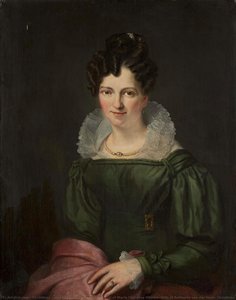
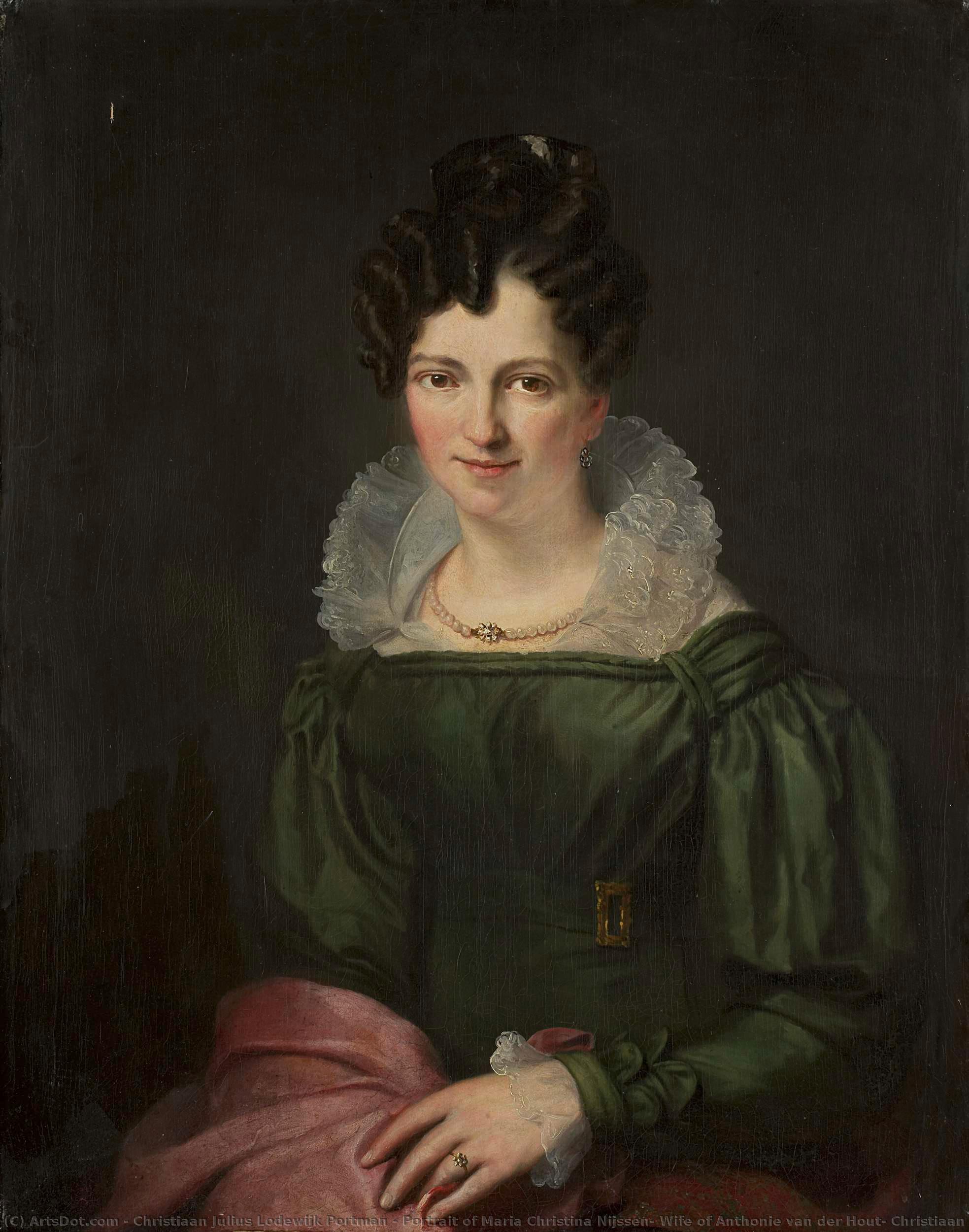
Portrait of Maria Christina Nijssen, Wife of Anthonie van der Hout, Christiaan Julius Lodewijk Portman, 1826
 Neoclassicism
 1826
1826 68.0 x 8.0 cm
 Read More
Hand Made Oil Reproduction
Hand-painted oil on canvas in your size and frame, made to order by our artists. ( Buy Print Buy Image)




































Pick from our preset sizes that match the artwork's original proportions.

You may enter your own dimensions to fit a specific frame or space. If your selected size does not match the original image's proportions, we will either crop the artwork or extend the painting with additional hand-painted elements. A digital mockup will be sent for your approval before production begins.
Please note that the on-screen preview does not reflect the actual cropping or extension. Only the mockup will accurately show the final composition.
While custom sizes are available, we recommend selecting a dimension from the predefined list to preserve the original proportions.
After order, ArtsDot.com team will email client for instructions and provide a mockup preview
Worldwide Delivery () in 3/4 weeks instead of standard 5 weeks. (16 August). No compromise on quality.

Free Worldwide Express Shipping

High-Quality Linen Canvas

Full Shipping Insurance

Customs Tax Refund Guarantee

True Color Matching Guarantee

60-Day Return Policy (Defects Only)

100% Money-Back Guarantee

Bulk Discount Offer
 Glass option is only available in size under 110 CM

Portrait of Maria Christina Nijssen, Wife of Anthonie van der Hout, Christiaan Julius Lodewijk Portman, 1826
Reproduction Medium
Reproduction Size
-


Total Price
$ 263
Artwork Description
Related Artworks
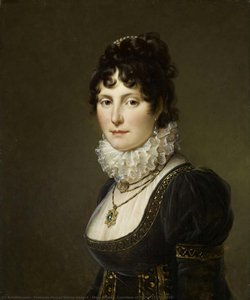
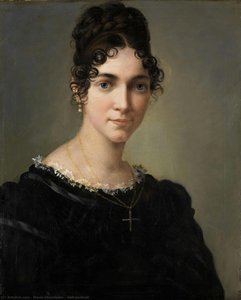
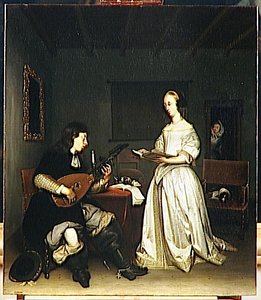
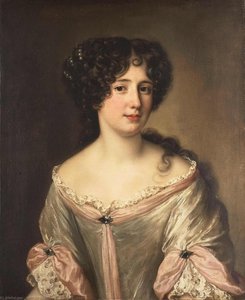
Artist Biography
Francisco Goya: A Visionary of Darkness and Light
Born in Fuendetodos, Spain, in 1746, Francisco José de Goya y Lucientes’s life was a remarkable tapestry woven from artistic brilliance, personal tragedy, and profound social observation. Initially trained as a court painter under the tutelage of José Luzán y Martínez and later influenced by the Neoclassical style of Anton Raphael Mengs in Madrid, Goya rapidly ascended through the ranks of Spanish aristocracy, producing portraits and decorative frescoes that initially catered to the tastes of the royal court. However, it was his evolving artistic vision—one increasingly marked by a darker sensibility—that would ultimately cement his legacy as one of art’s most significant and unsettling figures.
Goya's early career was characterized by a polished, elegant style, exemplified in works like *The Family of Marquis de Sade* (1793-94) and the series of portraits commissioned by the Spanish crown. These pieces showcased his technical skill and ability to capture the superficial grandeur of aristocratic life. Yet, beneath this veneer of refinement, hints of a growing disillusionment began to emerge. The influence of the Enlightenment ideals of reason and progress clashed with the realities of political instability and social injustice in Spain during the late 18th century.
The Turbulent Years: War, Plague, and Personal Loss
The French invasion of Spain in 1808 marked a pivotal moment in Goya’s life and art. Witnessing firsthand the brutality of war and the suffering inflicted upon his countrymen, he produced a series of powerful etchings known as *The Disasters of War* (1810-14). These stark depictions of violence, executions, and civilian casualties—including the iconic image of *The Third of May 1808*, depicting Spanish rebels facing down firing French soldiers—are not merely historical records but visceral expressions of human anguish. This period was further compounded by the devastating effects of the cholera epidemic that ravaged Madrid in 1817, an event Goya documented with unsettling realism in *The Plague* (1819-20).
Personal tragedy also cast a long shadow over Goya’s life. The loss of his wife, Maria Josepha, and their daughter, Lola, in quick succession deeply affected him, contributing to a period of profound depression. This emotional turmoil manifested in his later works, particularly the *Black Paintings*, a series of intensely dark and psychologically charged canvases executed directly on the walls of his Quinta del Sordo (Deaf House) residence.
The Evolution of Style: From Rococo to Romanticism
Throughout his career, Goya’s style underwent a dramatic transformation. Initially influenced by the Rococo traditions of his early training, he gradually embraced a more expressive and emotionally charged approach. His use of color became increasingly bold and dramatic, moving from delicate pastels to intense blacks, browns, and reds. His brushwork grew looser and more gestural, reflecting a desire to capture not just appearances but also the inner turmoil of his subjects.
Goya’s later works, particularly those produced during his time in exile in Bordeaux, France, foreshadowed the Romantic movement. His emphasis on subjective experience, emotional intensity, and the exploration of dark themes—such as death, madness, and the grotesque—anticipated the sensibilities of artists like Eugène Delacroix and Caspar David Friedrich. His *Saturn* (1819-23), for example, is a terrifying depiction of the Roman god’s punishment of his son, embodying themes of tyranny and despair.
Legacy and Influence
Francisco Goya remains one of the most influential artists in Western art history. His unflinching portrayal of human suffering, coupled with his innovative use of technique and color, continues to resonate with audiences today. His work profoundly impacted subsequent generations of painters, including Édouard Manet, Pablo Picasso, and Salvador Dalí, who acknowledged Goya’s influence on their own artistic visions.
Beyond his individual masterpieces, Goya's legacy lies in his willingness to confront difficult truths about the human condition. His art serves as a powerful reminder of the darkness that can exist within us all, and the importance of bearing witness to the suffering of others. His exploration of psychological states—particularly through the *Black Paintings*—paved the way for modern approaches to representing inner experience in art.
Major Works
- The Family of Marquis de Sade (1793-94)
- Saturn Devouring His Son (1819-23)
- The Third of May 1808 (1814)
- *Los Desastres de la Guerra* (The Disasters of War) (1810-14)
- *The Sleep of Reason Produces Monsters* (1797-98)
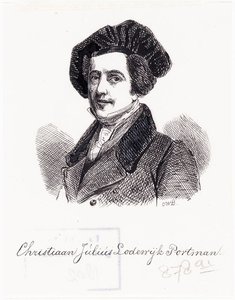
christiaan julius lodewijk portman
1799 - 1868 , Netherlands
Quick Facts
- Artistic Movement Or Style: Romanticism, Neoclassicism
- Artists Or Movements Influenced By This Artist: ['19th-century painters']
- Artists Who Influenced This Artist:
- Diego Velázquez
- Tiepolo
- Mengs
- Date Of Birth: March 30, 1746
- Date Of Death: April 16, 1828
- Full Name: Francisco Goya y Lucientes
- Nationality: Spanish
- Notable Artworks:
- The Third of May 1808
- Saturn Devouring His Son
- The Naked Maja
- Place Of Birth: Fuendetodos, Spain
Related Articles
Neo-Classicism's Greatest Hits: 10 Masterpieces for Your Home |
Journey through Neo-Classicism's finest! Explore 10 iconic masterpieces by David, Ingres & Canova. Discover art history, techniques & timeless beauty – perfect for inspiring your home decor. Find museum-quality reproductions at
The Enduring Legacy of Classicism: Principles, Evolution & Influence in Western Art
Explore the enduring legacy of Classicism in Western art! Discover its historical context, key principles, iconic masterpieces & lasting influence. Learn about Renaissance and Neoclassical movements with ArtsDot.
Golden Light & Dutch Skies: Bringing the Magic of Dutch Golden Age Landscapes into Your Home
Transform your home with the breathtaking light of Dutch Golden Age landscapes. Discover how hand-painted oil reproductions of masterworks like Ruisdael and Vermeer bring timeless elegance, atmosphere, and soulful texture to modern interiors. Elevate your space with museum-quality art.

Dutch Masters: 10 Golden Age Paintings That Still Inspire |
Journey into the Dutch Golden Age! Explore 10 iconic paintings by Rembrandt, Vermeer & Hals. Discover the stories behind these Baroque masterpieces and find museum-quality art reproductions to elevate your home decor on .
Timeless Resonance: Exploring Classic Vibe in Art – A Historical & Aesthetic Analysis
Explore the rich history & enduring aesthetic of Classicism art! Discover key movements, iconic artists like Raphael & David, and its lasting influence on Western art. Deepen your appreciation today.