

 Preview
 Send
Send Share
Share
 Details

 Download
 Similars
 X-Ray
X-Ray Diaporama
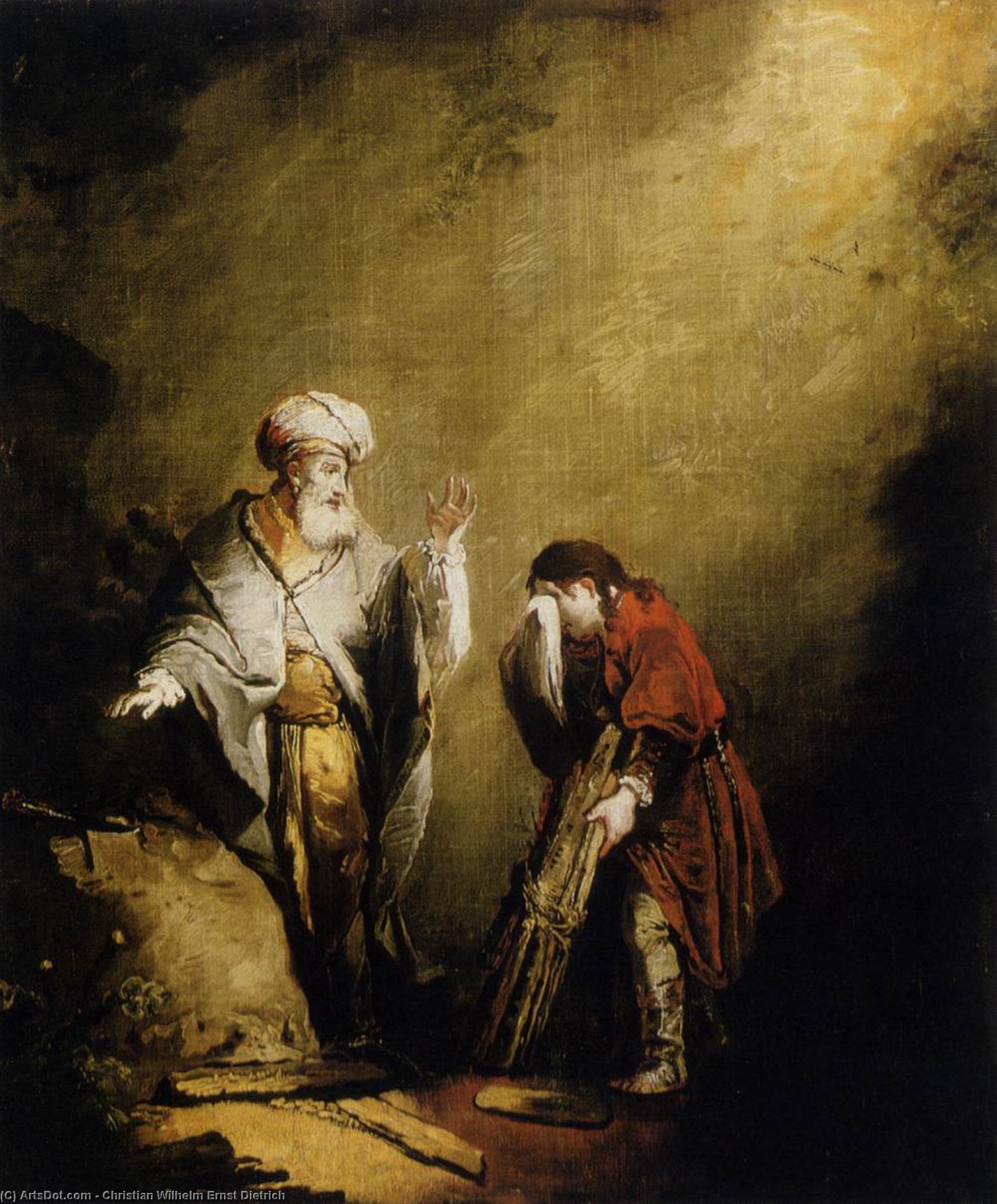
The Sacrifice of Isaac
 Oil On Canvas
- WallArt
- Baroque
 Early Modern
 66.0 x 54.0 cm
 Szépmûvészeti Múzeum
 Read More
Purchase a high-resolution, enhanced digital image, far superior to the online preview.
Each file is meticulously prepared by our in-house specialists using advanced tools and expert manual retouching. We ensure every image has exceptional clarity, precise color accuracy, and fine detail.
The final file is delivered via email within 72 hours, optimized for immediate use in professional, editorial, and print environments. This is the same quality trusted by top-tier design studios, publishers, and galleries.
Digital Image
Download a high-resolution file for personal display, printing, and creative projects. ( Buy Print Buy Hand Made Painting)
Included in Every Digital Image Order
Expert Digital Delivery, Guaranteed
When you choose ArtsDot.com, you're not just getting an image - you're receiving a professionally enhanced digital artwork, crafted with precision and backed by a satisfaction guarantee. Here's everything that comes with your order, automatically:

Fast Email Delivery
Your high-resolution digital image file will be emailed to you within 72 hours of ordering - ready for immediate use.

AI-Enhanced Digital File
Your artwork is professionally optimized using advanced AI tools and manual editing, ensuring maximum detail, clarity, and color accuracy.

Free Lifetime Re-Delivery
Accidentally deleted or lost your file? No worries - we'll resend it to you anytime, free of charge.

No Import Fees - Ever
Enjoy your artwork instantly with zero customs, duties, or delivery fees - digital downloads are always tax-free.

Color Accuracy Guarantee
We ensure your digital image reflects the original colors as closely as possible using professional tools and color management.

60-Day Satisfaction Guarantee
If you're not satisfied with your digital image, we'll revise it or refund 100% within 60 days - no questions asked.

100% Money-Back Guarantee
Not satisfied? Get a full refund within 60 days of receiving your digital file - no questions asked.

Bulk Order Discounts
Buy 3 images, save 10% - Buy 5, save 15% - Buy 10+, save 20%. Great for creative projects, galleries, and agencies.
A Dramatic Encounter in Shadow and Light
In the profound depths of The Sacrifice of Isaac, we are transported into a moment of intense spiritual and psychological tension. The canvas presents a striking encounter between an elderly man, whose gestures convey a sense of urgent, divine instruction, and a younger figure kneeling in receptive, perhaps even trembling, submission. This is not merely a depiction of a biblical narrative; it is a masterclass in the Baroque tradition, where every brushstroke serves to heighten the drama of the human condition. The composition is anchored by these two central figures, emerging from an atmospheric void of swirling clouds and indistinct, shadowy forms that suggest a world caught in the throes of divine intervention.
The brilliance of this work lies in its masterful use of chiaroscuro. By employing extreme contrasts between brilliant highlights and deep, impenetrable shadows, the artist directs our gaze with surgical precision. The light falls most intensely upon the faces and hands of the subjects, illuminating the raw emotion etched into their features and the kinetic energy of their gestures. This technique does more than create three-dimensional form; it creates a spiritual spotlight, isolating the figures from the mundane world and thrusting them into a realm of prophetic revelation and profound obedience.
The Artistry of Imitation and Texture
While the subject matter draws from sacred scripture, the technical execution reveals the extraordinary skill of Christian Wilhelm Ernst Dietrich. Often celebrated as an imitator of the great masters, Dietrich demonstrates here a profound command over the textures and techniques popularized by legends like Rembrandt. The painting is characterized by a rich, tactile quality, achieved through the use of impasto—the thick, deliberate application of oil paint that gives the light a physical presence on the canvas. One can almost feel the weight of the heavy fabrics in the figures' robes and the turbulent energy of the sky.
The artist’s approach to line and shape is intentionally fluid rather than rigid. The forms are defined by shifts in tone and light rather than sharp outlines, allowing the figures to blend organically into the surrounding atmosphere. This softness contributes to a sense of mystery and movement, as if the scene itself is breathing. For the discerning collector or interior designer, this piece offers a sophisticated layer of depth; its ability to command attention through texture and tonal complexity makes it a breathtaking focal point for any curated space, evoking a sense of timelessness and historical grandeur.
A Legacy of Emotion and Devotion
Beyond its technical prowess, The Sacrifice of Isaac resonates on an emotional level that transcends its era. The painting captures the very essence of revelation—that fleeting, terrifying, and beautiful moment when the human meets the divine. There is a palpable sense of weight in the air, a heaviness born from the gravity of the biblical themes of prophecy and sacrifice. It invites the viewer to contemplate their own moments of surrender and the profound impact of unseen forces.
For those seeking to adorn a home or gallery with art that tells a story, this reproduction offers more than just aesthetic beauty. It provides an opportunity to possess a fragment of the Baroque spirit. Whether placed in a quiet study or a grand hall, the painting’s dramatic interplay of light and shadow serves as a constant reminder of the power of narrative and the enduring allure of the masters. It is a piece designed not just to be seen, but to be felt.
Related Artworks




Artist Biography
The Virtuoso of Mimicry
In the grand tapestry of eighteenth-century art, few figures possess a legacy as enigmatic and technically profound as Christian Wilhelm Ernst Dietrich. Born in Weimar in 1712, Dietrich did not seek to shatter the existing artistic paradigms with a revolutionary new vision; instead, he sought to master the echoes of the past. Raised in an environment steeped in the traditions of German art patronage, his early life was shaped by the meticulous craftsmanship of his father, Johann Georg, a miniature painter to the court of Saxe-Weimar-Eisenach. This foundational exposure to fine detail and royal expectation prepared him for a career that would transcend mere painting, turning him into a living bridge between the Golden Age of the past and the Neoclassical era of his own time.His talent was so undeniable that by the age of eighteen, he had already captured the attention of King Augustus II. This royal recognition provided the essential means for Dietrich to embark on an expansive journey through the great artistic hubs of Europe, including Italy and the Netherlands. It was during these travels that his unique approach began to coalesce—not as a search for a personal style, but as a dedicated pursuit of the perfection found in the masters who preceded him.
A Chameleon of the Canvas
Dietrich’s greatness lay in his uncanny ability to inhabit the very souls of other artists. He was a master of transformation, capable of adopting the heavy, dramatic chiaroscuro of Rembrandt or the rustic, earthy textures of Ostade with astonishing fluidity. As he traversed the landscapes of Europe, he absorbed the stylistic nuances of Salvator Rosa and Allaert van van Everdingen, weaving their techniques into his own repertoire. To observe a Dietrich landscape is to witness a profound conversation between centuries; his brush could shift from the tempestuous, rocky vistas of the Italian style to the serene, light-dappled groves of the Dutch tradition.This remarkable versatility earned him the reverent title of “the Raphael of Landscape” from the influential art theorist Johann Joachim Winckelmann. While some might dismiss imitation as a lack of originality, Dietrich elevated the practice to a high form of technical mastery and historical preservation. His work was characterized by:
- Masterful Landscapes: Ranging from rugged, craggy formations to lush, tranquil greenery.
- Genre Scenes: Capturing the intimate and often humorous nuances of everyday life.
- Biblical Narratives: Utilizing classical compositions to breathe life into sacred history.
- Intricate Engravings: Meticulous prints that echoed the tonal depth of his oil paintings.
The Legacy of a Courtly Master
By 1741, Dietrich’s skill had secured him a prestigious appointment as the court painter to Augustus III in Dresden. This position was not merely an honor but a commitment to the continuous production of high-quality art that met the exacting standards of the era. His life and work were defined by a disciplined devotion to the art of reproduction, a practice that allowed him to serve as a custodian of artistic excellence. Even when he utilized fictitious dates or names to attribute works to masters like Rembrandt, his intention remained rooted in the celebration of those very legends.Though he never developed a singular, recognizable "Dietrich style" in the way a contemporary might, his historical significance remains undeniable. He was an artist who found his voice through the voices of others, ensuring that the brilliance of the Dutch and Italian masters continued to shine brightly within the German courts. Through his meticulous hand, the beauty of previous centuries was preserved, making him one of the most accomplished and fascinating imitators in the history of Western art.
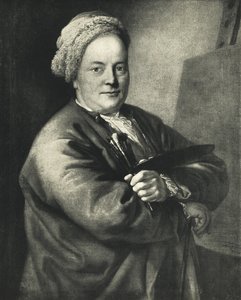
christian wilhelm ernst dietrich dietrich
1712 - 1774
Quick Facts
- Artistic Movement Or Style: Imitation of Dutch & Italian masters
- Artists Or Movements Influenced By This Artist:
- Rembrandt
- Salvator Rosa
- Allaert van Everdingen
- Artists Who Influenced This Artist:
- Johann Georg
- Johannes Alexander Thiele
- Giovanni Battista Piranesi
- Date Of Death: April 23, 1774
- Full Name: Christian Wilhelm Ernst Dietrich
- Nationality: German
- Notable Artworks:
- Baptism of the Chamberlain of Queen Candace of Ethiopia
- Surprised, or Infidelity Found Out
- Place Of Birth: Weimar, Germany

