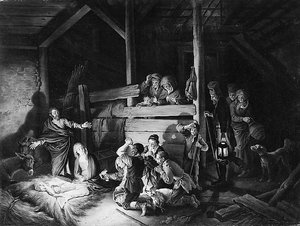
The Virtuoso of Mimicry
In the grand tapestry of eighteenth-century art, few figures possess a legacy as enigmatic and technically profound as Christian Wilhelm Ernst Dietrich. Born in Weimar in 1712, Dietrich did not seek to shatter the existing artistic paradigms with a revolutionary new vision; instead, he sought to master the echoes of the past. Raised in an environment steeped in the traditions of German art patronage, his early life was shaped by the meticulous craftsmanship of his father, Johann Georg, a miniature painter to the court of Saxe-Weimar-Eisenach. This foundational exposure to fine detail and royal expectation prepared him for a career that would transcend mere painting, turning him into a living bridge between the Golden Age of the past and the Neoclassical era of his own time.His talent was so undeniable that by the age of eighteen, he had already captured the attention of King Augustus II. This royal recognition provided the essential means for Dietrich to embark on an expansive journey through the great artistic hubs of Europe, including Italy and the Netherlands. It was during these travels that his unique approach began to coalesce—not as a search for a personal style, but as a dedicated pursuit of the perfection found in the masters who preceded him.
A Chameleon of the Canvas
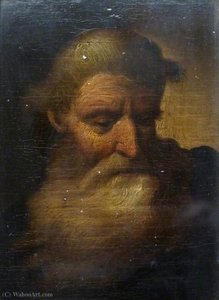
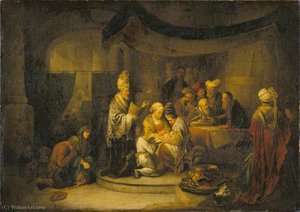
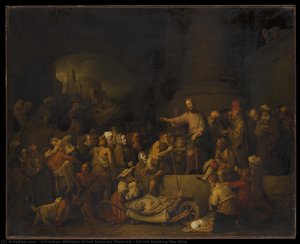
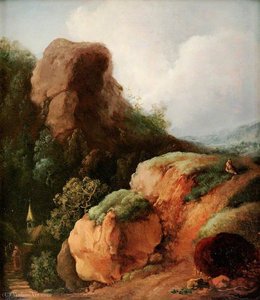
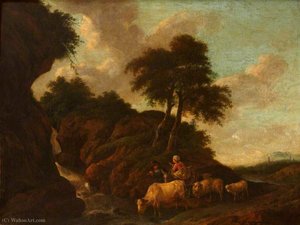
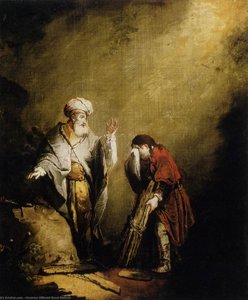
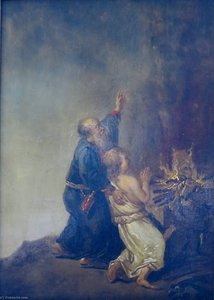
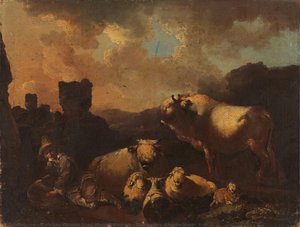
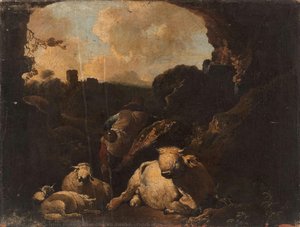
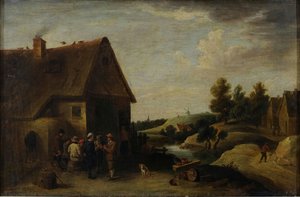
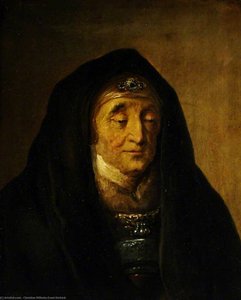
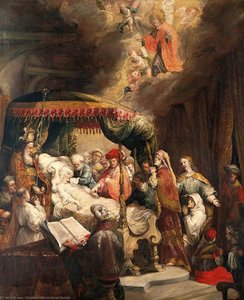
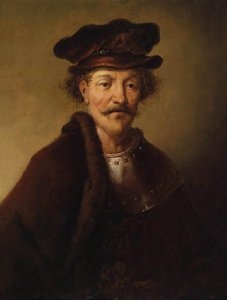
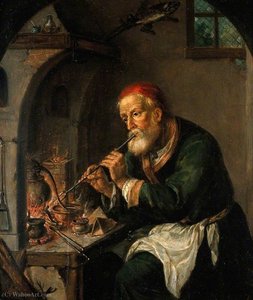
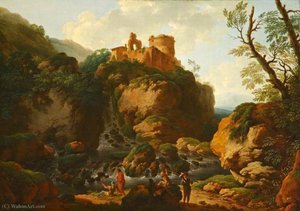
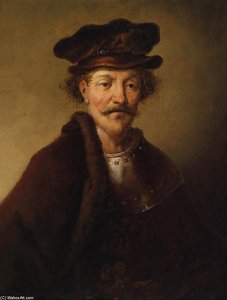
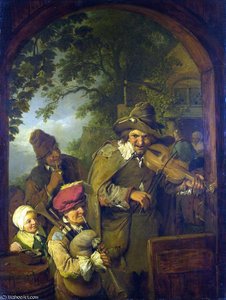
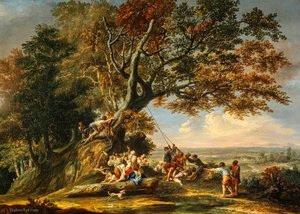
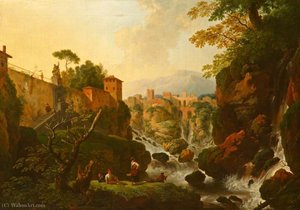
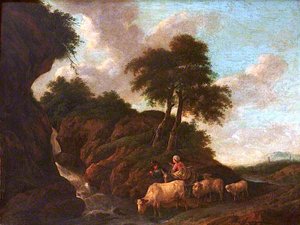
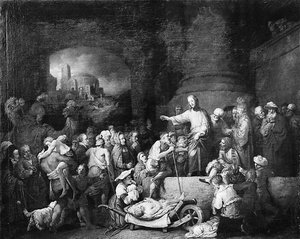
Dietrich’s greatness lay in his uncanny ability to inhabit the very souls of other artists. He was a master of transformation, capable of adopting the heavy, dramatic chiaroscuro of Rembrandt or the rustic, earthy textures of Ostade with astonishing fluidity. As he traversed the landscapes of Europe, he absorbed the stylistic nuances of Salvator Rosa and Allaert van van Everdingen, weaving their techniques into his own repertoire. To observe a Dietrich landscape is to witness a profound conversation between centuries; his brush could shift from the tempestuous, rocky vistas of the Italian style to the serene, light-dappled groves of the Dutch tradition.This remarkable versatility earned him the reverent title of “the Raphael of Landscape” from the influential art theorist Johann Joachim Winckelmann. While some might dismiss imitation as a lack of originality, Dietrich elevated the practice to a high form of technical mastery and historical preservation. His work was characterized by:
- Masterful Landscapes: Ranging from rugged, craggy formations to lush, tranquil greenery.
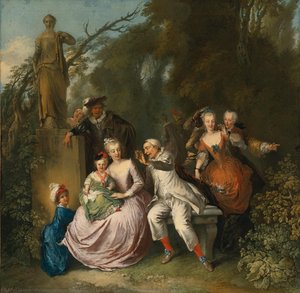
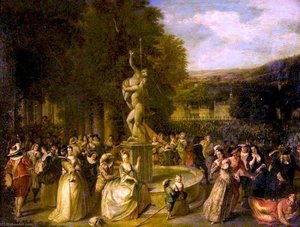
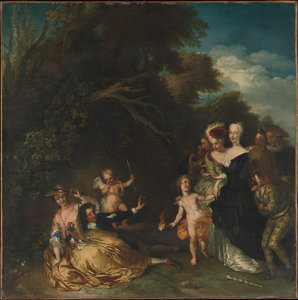
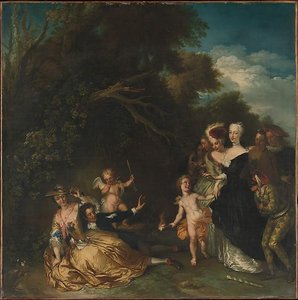
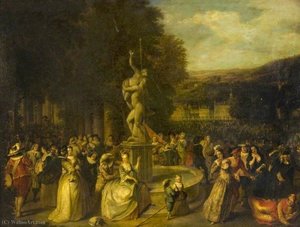
- Genre Scenes: Capturing the intimate and often humorous nuances of everyday life.
- Biblical Narratives: Utilizing classical compositions to breathe life into sacred history.
- Intricate Engravings: Meticulous prints that echoed the tonal depth of his oil paintings.
The Legacy of a Courtly Master
By 1741, Dietrich’s skill had secured him a prestigious appointment as the court painter to Augustus III in Dresden. This position was not merely an honor but a commitment to the continuous production of high-quality art that met the exacting standards of the era. His life and work were defined by a disciplined devotion to the art of reproduction, a practice that allowed him to serve as a custodian of artistic excellence. Even when he utilized fictitious dates or names to attribute works to masters like Rembrandt, his intention remained rooted in the celebration of those very legends.Though he never developed a singular, recognizable "Dietrich style" in the way a contemporary might, his historical significance remains undeniable. He was an artist who found his voice through the voices of others, ensuring that the brilliance of the Dutch and Italian masters continued to shine brightly within the German courts. Through his meticulous hand, the beauty of previous centuries was preserved, making him one of the most accomplished and fascinating imitators in the history of Western art.