 Preview
 Send
Send Share
Share
 Details

 Download
 Similars
 X-Ray
X-Ray Diaporama
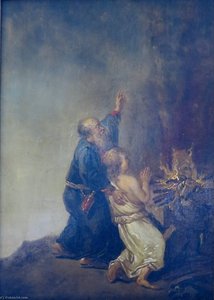
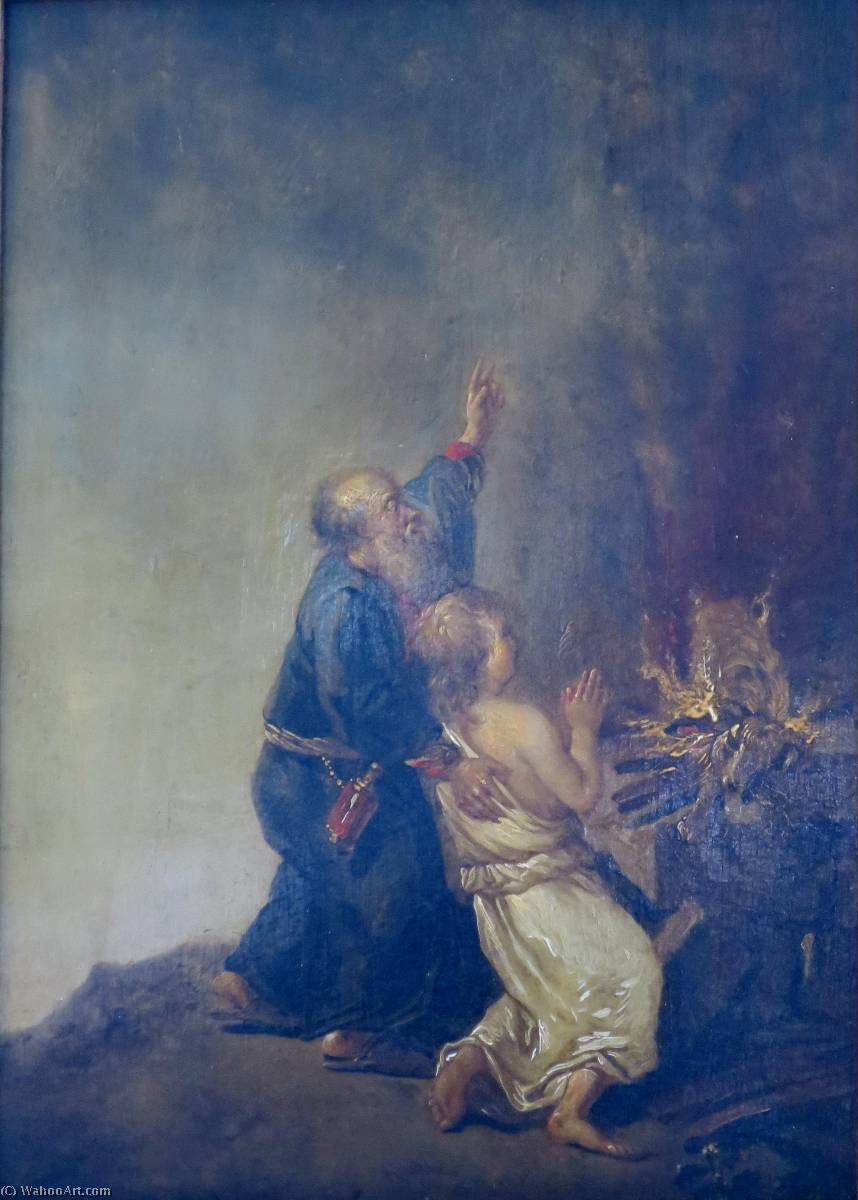
The Sacrifice of Isaac
 Acrylic On Canvas
- WallArt
- Neoclassical
 29.0 x 20.0 cm
 Hermitage Museum
 Read More
Hand Made Oil Reproduction
Hand-painted oil on canvas in your size and frame, made to order by our artists. ( Buy Print Buy Image)




P118B $10

P118H $10

P118W $10

P438Z $10

P508JH $12

P508YH $12

P805H $10

P805Z $10

P919BZ $10

P919G $10

P919XJ $10

P959ZH $10

P968JZ $12

W106C $8

W218G $10

W218JH $8

W218Y $10

W307PJ $10

W316G $10

W316PJ $8

W316Y $10

W398PJ $8

W4111J $10

W500HY $15

W500JH $15

W692G $12

W849H $8

W940BG $15

W953PJ $8




Pick from our preset sizes that match the artwork's original proportions.

You may enter your own dimensions to fit a specific frame or space. If your selected size does not match the original image's proportions, we will either crop the artwork or extend the painting with additional hand-painted elements. A digital mockup will be sent for your approval before production begins.
Please note that the on-screen preview does not reflect the actual cropping or extension. Only the mockup will accurately show the final composition.
While custom sizes are available, we recommend selecting a dimension from the predefined list to preserve the original proportions.
After order, ArtsDot.com team will email client for instructions and provide a mockup preview
Worldwide Delivery () in 3/4 weeks instead of standard 5 weeks. (31 August). No compromise on quality.

Free Worldwide Express Shipping

High-Quality Linen Canvas

Full Shipping Insurance

Customs Tax Refund Guarantee

True Color Matching Guarantee

60-Day Return Policy (Defects Only)

100% Money-Back Guarantee

Bulk Discount Offer
 Glass option is only available in size under 110 CM

The Sacrifice of Isaac
Reproduction Medium
Reproduction Size
-


Total Price
$ 263
The Sacrifice of Isaac by DIETRICH, Christian Wilhelm Ernst
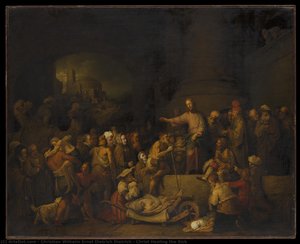
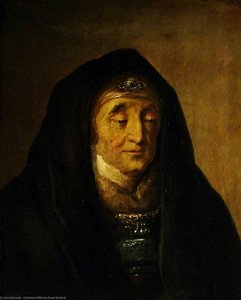
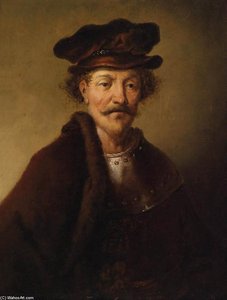
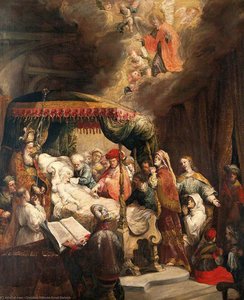
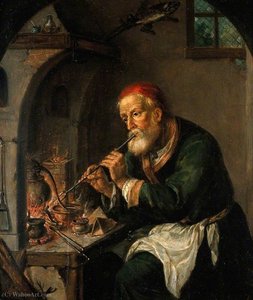
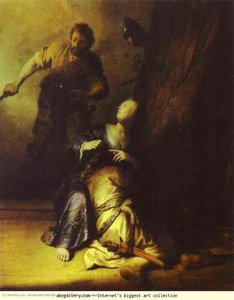
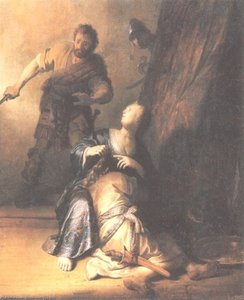
Christian Wilhelm Ernst Dietrich (1712-1774) stands as an enigmatic figure in German art history—a master craftsman celebrated not for originality but for unparalleled imitation. His legacy rests upon a singular achievement: the ability to flawlessly reproduce the styles of his predecessors, cementing his reputation as “the Raphael of Landscape,” according to Johann Joachim Winckelmann, a pivotal voice in shaping Neoclassical aesthetics. Rather than forging a distinctive artistic vision, Dietrich dedicated himself to meticulous copying—a practice that secured him enduring recognition and elevated him above many contemporaries. His output consisted predominantly of landscapes imbued with biblical narratives alongside genre scenes reflecting the tastes of his era, demonstrating an astonishing grasp of artistic conventions honed through decades of devoted study.- Subject Matter: The painting depicts a dramatic retelling of the biblical tale of Abraham and Isaac—a cornerstone of Jewish and Christian tradition concerning divine obedience and filial piety.
- Style: Dietrich’s work embodies the prevailing stylistic currents of his time, firmly rooted in Dutch and Italian artistic influences. He skillfully blended elements from Salvator Rosa's expressive landscapes with Rembrandt’s masterful chiaroscuro technique—a dramatic interplay of light and shadow that profoundly impacted visual art.
- Technique: Executed in oil on canvas, Dietrich employed a meticulous layering process characteristic of the Baroque period, achieving remarkable tonal depth and textural richness. His brushstrokes were deliberate and controlled, prioritizing accuracy and capturing the essence of his chosen masters’ styles.
Related Artworks

Artist Biography
The Virtuoso of Mimicry
In the grand tapestry of eighteenth-century art, few figures possess a legacy as enigmatic and technically profound as Christian Wilhelm Ernst Dietrich. Born in Weimar in 1712, Dietrich did not seek to shatter the existing artistic paradigms with a revolutionary new vision; instead, he sought to master the echoes of the past. Raised in an environment steeped in the traditions of German art patronage, his early life was shaped by the meticulous craftsmanship of his father, Johann Georg, a miniature painter to the court of Saxe-Weimar-Eisenach. This foundational exposure to fine detail and royal expectation prepared him for a career that would transcend mere painting, turning him into a living bridge between the Golden Age of the past and the Neoclassical era of his own time.His talent was so undeniable that by the age of eighteen, he had already captured the attention of King Augustus II. This royal recognition provided the essential means for Dietrich to embark on an expansive journey through the great artistic hubs of Europe, including Italy and the Netherlands. It was during these travels that his unique approach began to coalesce—not as a search for a personal style, but as a dedicated pursuit of the perfection found in the masters who preceded him.
A Chameleon of the Canvas
Dietrich’s greatness lay in his uncanny ability to inhabit the very souls of other artists. He was a master of transformation, capable of adopting the heavy, dramatic chiaroscuro of Rembrandt or the rustic, earthy textures of Ostade with astonishing fluidity. As he traversed the landscapes of Europe, he absorbed the stylistic nuances of Salvator Rosa and Allaert van van Everdingen, weaving their techniques into his own repertoire. To observe a Dietrich landscape is to witness a profound conversation between centuries; his brush could shift from the tempestuous, rocky vistas of the Italian style to the serene, light-dappled groves of the Dutch tradition.This remarkable versatility earned him the reverent title of “the Raphael of Landscape” from the influential art theorist Johann Joachim Winckelmann. While some might dismiss imitation as a lack of originality, Dietrich elevated the practice to a high form of technical mastery and historical preservation. His work was characterized by:
- Masterful Landscapes: Ranging from rugged, craggy formations to lush, tranquil greenery.
- Genre Scenes: Capturing the intimate and often humorous nuances of everyday life.
- Biblical Narratives: Utilizing classical compositions to breathe life into sacred history.
- Intricate Engravings: Meticulous prints that echoed the tonal depth of his oil paintings.
The Legacy of a Courtly Master
By 1741, Dietrich’s skill had secured him a prestigious appointment as the court painter to Augustus III in Dresden. This position was not merely an honor but a commitment to the continuous production of high-quality art that met the exacting standards of the era. His life and work were defined by a disciplined devotion to the art of reproduction, a practice that allowed him to serve as a custodian of artistic excellence. Even when he utilized fictitious dates or names to attribute works to masters like Rembrandt, his intention remained rooted in the celebration of those very legends.Though he never developed a singular, recognizable "Dietrich style" in the way a contemporary might, his historical significance remains undeniable. He was an artist who found his voice through the voices of others, ensuring that the brilliance of the Dutch and Italian masters continued to shine brightly within the German courts. Through his meticulous hand, the beauty of previous centuries was preserved, making him one of the most accomplished and fascinating imitators in the history of Western art.
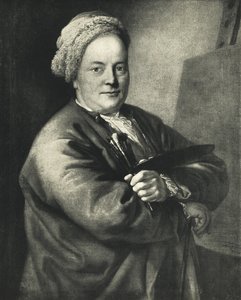
christian wilhelm ernst dietrich dietrich
1712 - 1774
Quick Facts
- Artistic Movement Or Style: Imitation of Dutch & Italian masters
- Artists Or Movements Influenced By This Artist:
- Rembrandt
- Salvator Rosa
- Allaert van Everdingen
- Artists Who Influenced This Artist:
- Johann Georg
- Johannes Alexander Thiele
- Giovanni Battista Piranesi
- Date Of Death: April 23, 1774
- Full Name: Christian Wilhelm Ernst Dietrich
- Nationality: German
- Notable Artworks:
- Baptism of the Chamberlain of Queen Candace of Ethiopia
- Surprised, or Infidelity Found Out
- Place Of Birth: Weimar, Germany
Related Articles

Rembrandt's Masterpieces: Explore 25 Iconic Paintings & Prints | ArtsDot
Journey through Rembrandt van Rijn's 25 most iconic paintings & etchings. Explore Dutch Golden Age masterpieces, dramatic chiaroscuro, and timeless portraits. Find museum-quality art reproductions to elevate your home decor on ArtsDot.com.

Dutch Baroque Masters: 10 Paintings That Shaped an Era | ArtsDot
Journey through the Golden Age with our guide to the Top 10 Dutch Baroque masterpieces! Explore iconic paintings by Rembrandt, Vermeer & Frans Hals. Find museum-quality art reproductions and elevate your home decor at ArtsDot.com.

Baroque Masterpieces: 10 Paintings That Defined an Era |
Journey through the drama & grandeur of Baroque art! Explore 10 masterpieces by Caravaggio, Rembrandt, Rubens & more. Discover stunning oil paintings, rich colors & timeless stories. Find museum-quality reproductions at .

Romantic Landscapes: 10 Masterpieces for Your Home | ArtsDot
Journey through 10 Romantic landscape masterpieces by Friedrich, Turner & Cole. Explore emotional art, sublime nature scenes & iconic 19th-century paintings. Find museum-quality reproductions for your home at ArtsDot.com – discover the full collection online!

Evocations of Place: A Historical Journey Through Landscape Art
Explore the rich history of landscape art with ArtsDot. Discover renowned artists, movements like Impressionism & Romanticism, and expert guidance for collecting timeless pieces. Find your perfect serene escape today!