 Preview
 Send
Send Share
Share
 Details

 Download
 Similars
 X-Ray
X-Ray Diaporama
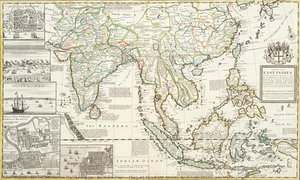
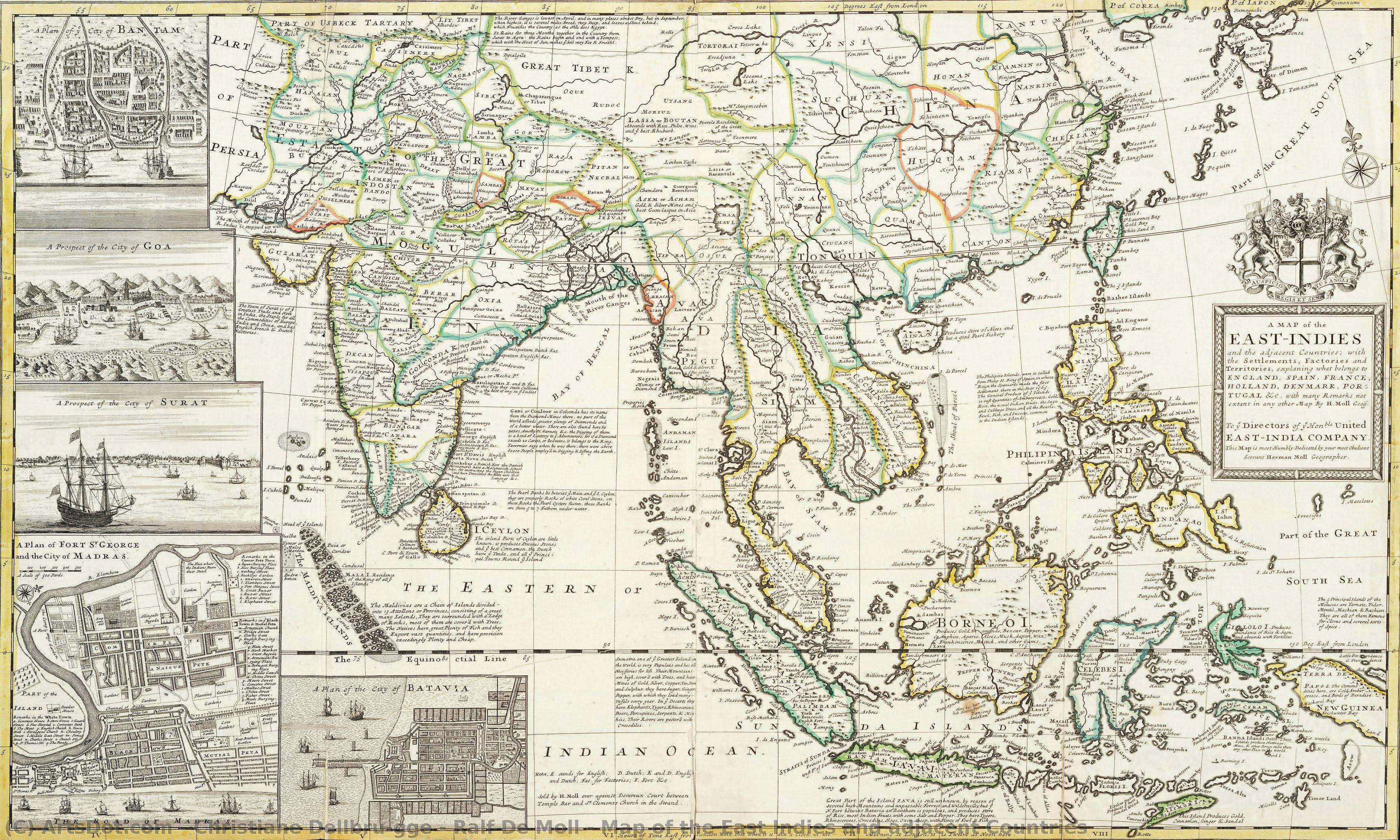
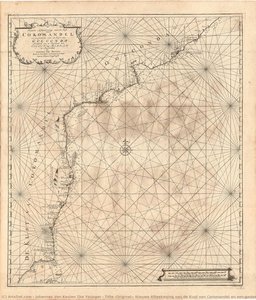
Map of the East Indies and adjacent Countries


 Read More
Hand Made Oil Reproduction
Hand-painted oil on canvas in your size and frame, made to order by our artists. ( Buy Print Buy Image)




P118B $10

P118H $10

P118W $10

P438Z $10

P508JH $12

P508YH $12

P805H $10

P805Z $10

P919BZ $10

P919G $10

P919XJ $10

P959ZH $10

P968JZ $12

W106C $8

W218G $10

W218JH $8

W218Y $10

W307PJ $10

W316G $10

W316PJ $8

W316Y $10

W398PJ $8

W4111J $10

W500HY $15

W500JH $15

W692G $12

W849H $8

W940BG $15

W953PJ $8




Pick from our preset sizes that match the artwork's original proportions.

You may enter your own dimensions to fit a specific frame or space. If your selected size does not match the original image's proportions, we will either crop the artwork or extend the painting with additional hand-painted elements. A digital mockup will be sent for your approval before production begins.
Please note that the on-screen preview does not reflect the actual cropping or extension. Only the mockup will accurately show the final composition.
While custom sizes are available, we recommend selecting a dimension from the predefined list to preserve the original proportions.
After order, ArtsDot.com team will email client for instructions and provide a mockup preview
Worldwide Delivery () in 3/4 weeks instead of standard 5 weeks. (5 September). No compromise on quality.

Free Worldwide Express Shipping

High-Quality Linen Canvas

Full Shipping Insurance

Customs Tax Refund Guarantee

True Color Matching Guarantee

60-Day Return Policy (Defects Only)

100% Money-Back Guarantee

Bulk Discount Offer
 Glass option is only available in size under 110 CM

Map of the East Indies and adjacent Countries
Reproduction Medium
Reproduction Size
-


Total Price
$ 263
Related Artworks
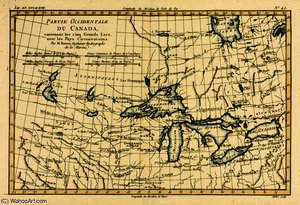
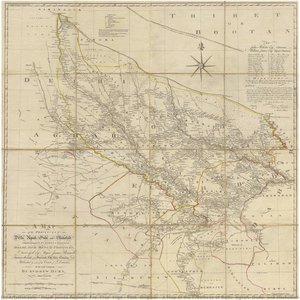
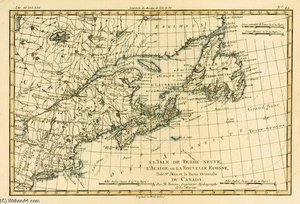
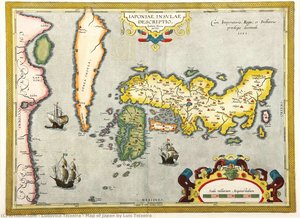
Artist Biography
A Dialogue Between Commerce and Concept: The World of dellbrügge & de moll
Christiane Dellbrügge and Ralf de Moll, a collaborative artistic force born in Cologne, Germany in 1956, have quietly yet profoundly reshaped the landscape of contemporary art since the 1980s. Their work isn’t easily categorized; it exists at the compelling intersection of photography, conceptualism, and a shrewd observation of societal structures—particularly those governing commerce and consumption. Rather than presenting themselves as detached observers, dellbrügge & de moll actively engage with these forces, often incorporating advertising aesthetics and consumer culture directly into their pieces. This isn’t mere critique, however; it's a complex dialogue, an exploration of how art itself functions within the very systems it sometimes questions. Their collaborative process is key to understanding their output – two distinct perspectives merging to create works that are layered in meaning and often subtly unsettling.Early Influences and Artistic Development
The artistic climate of post-war Germany undoubtedly shaped dellbrügge & de moll’s early sensibilities. Emerging from a context grappling with reconstruction, economic boom, and the rise of mass media, they developed an acute awareness of the power of imagery and its ability to construct reality. While formal training provided a foundation, their true education came through immersion in the burgeoning conceptual art scene and a fascination with the visual language of advertising. They weren’t interested in replicating traditional artistic forms; instead, they sought to deconstruct them, examining the underlying mechanisms that give images their power.- Early works often involved re-photographing existing advertisements, subtly altering them to reveal hidden meanings or expose the constructed nature of desire.
- A key turning point was their exploration of found objects and archival materials, particularly maps – specifically those relating to the East Indies. These weren’t simply aesthetic choices; they represented a fascination with history, colonialism, and the ways in which power structures are embedded within seemingly neutral representations of geography.
The Power of Maps: History, Commerce, and Representation
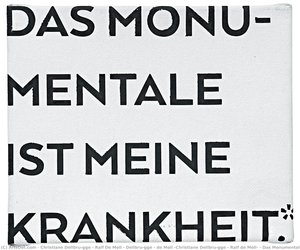
The duo's sustained engagement with maps—particularly antique East Indies maps—forms a significant strand of their artistic practice. These aren’t presented as nostalgic relics; rather, they are dissected, re-contextualized, and often overlaid with text or other imagery. The maps become potent symbols of colonial power, the relentless pursuit of trade, and the inherent biases embedded within cartography itself. “Das Monumentale ist meine Krankheit” (The Monumental is my Illness), a striking acrylic painting from 2015, exemplifies this approach. The juxtaposition of black and white with vibrant color, combined with German text, creates a visually arresting work that invites contemplation on the relationship between scale, ambition, and the weight of history. Their use of maps isn’t about recreating historical narratives; it's about exposing their constructed nature and prompting viewers to question the authority of representation.Art as Commerce: Navigating the Market
dellbrügge & de moll don’t shy away from the commercial aspects of the art world—they actively engage with them. This isn’t a contradiction, but rather an integral part of their conceptual framework. They explore how art functions as a commodity, examining the dynamics between artist, gallery, collector, and market forces. Their work often incorporates elements that directly address these issues, blurring the lines between artistic creation and commercial transaction. This self-awareness extends to their own practice, questioning the very notion of originality and authorship in an age of reproduction and digital dissemination. They’ve exhibited extensively in galleries and museums worldwide, demonstrating a keen understanding of how art can both critique and participate within established systems.Legacy and Historical Significance
dellbrügge & de moll occupy a unique position within contemporary art. Their work resists easy categorization, blending conceptual rigor with a visually compelling aesthetic. They’ve influenced a generation of artists interested in exploring the relationship between art, commerce, and society, prompting critical reflection on the power of imagery and the constructed nature of reality. Their sustained engagement with historical materials—particularly maps—offers a powerful lens through which to examine issues of colonialism, globalization, and the enduring legacy of power structures. They continue to challenge conventional notions of artistic practice, reminding us that art isn’t simply about creating beautiful objects; it's about engaging in a complex dialogue with the world around us.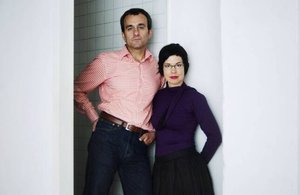
christiane dellbrügge & ralf de moll
1956 - , Germany
Quick Facts
- Artistic Movement Or Style: Conceptual Art
- Date Of Birth: 1956
- Full Name: Christiane Dellbrügge & Ralf de Moll
- Nationality: German
- Notable Artworks: ['Das Monumentale ist meine Krankheit']
- Place Of Birth: Cologne, Germany
Related Articles
Echoes of Time: Nostalgia, Technique & Cultural Significance in Vintage Paintings
Explore the captivating world of vintage paintings! Discover key styles, cultural significance & collecting tips from art experts at ArtsDot. Find authentic reproductions and elevate your home décor.
Alfred East: Pioneering Plein Air & Evoking Atmospheric Landscapes
Explore the life & work of Alfred East, a pioneer of British plein air painting. Discover his techniques for capturing atmospheric landscapes, Barbizon influences, and lasting legacy. Learn more at ArtsDot.
F.A.Q.: How to Apply for a Trade Account or Professional Discount at
Unlock exclusive discounts & dedicated support with 's trade program for interior designers, art consultants & businesses. Source premium oil paintings & custom artwork – trusted by elite collectors worldwide.
Echoes of Time: Exploring the Enduring Appeal of Vintage Artwork
Explore the captivating world of vintage art! Discover its history, enduring appeal, & how to build your own collection. Expert advice, custom reproductions & museum-quality prints at ArtsDot.

Echoes of Time: Exploring the Enduring Appeal & Historical Context of Vintage Art Prints
Explore the captivating world of vintage art prints! Discover their history, collecting tips & enduring appeal. Expert insights on chromolithography and building a legacy collection with ArtsDot.