

 Preview
 Send
Send Share
Share
 Details

 Download
 Similars
 X-Ray
X-Ray Diaporama
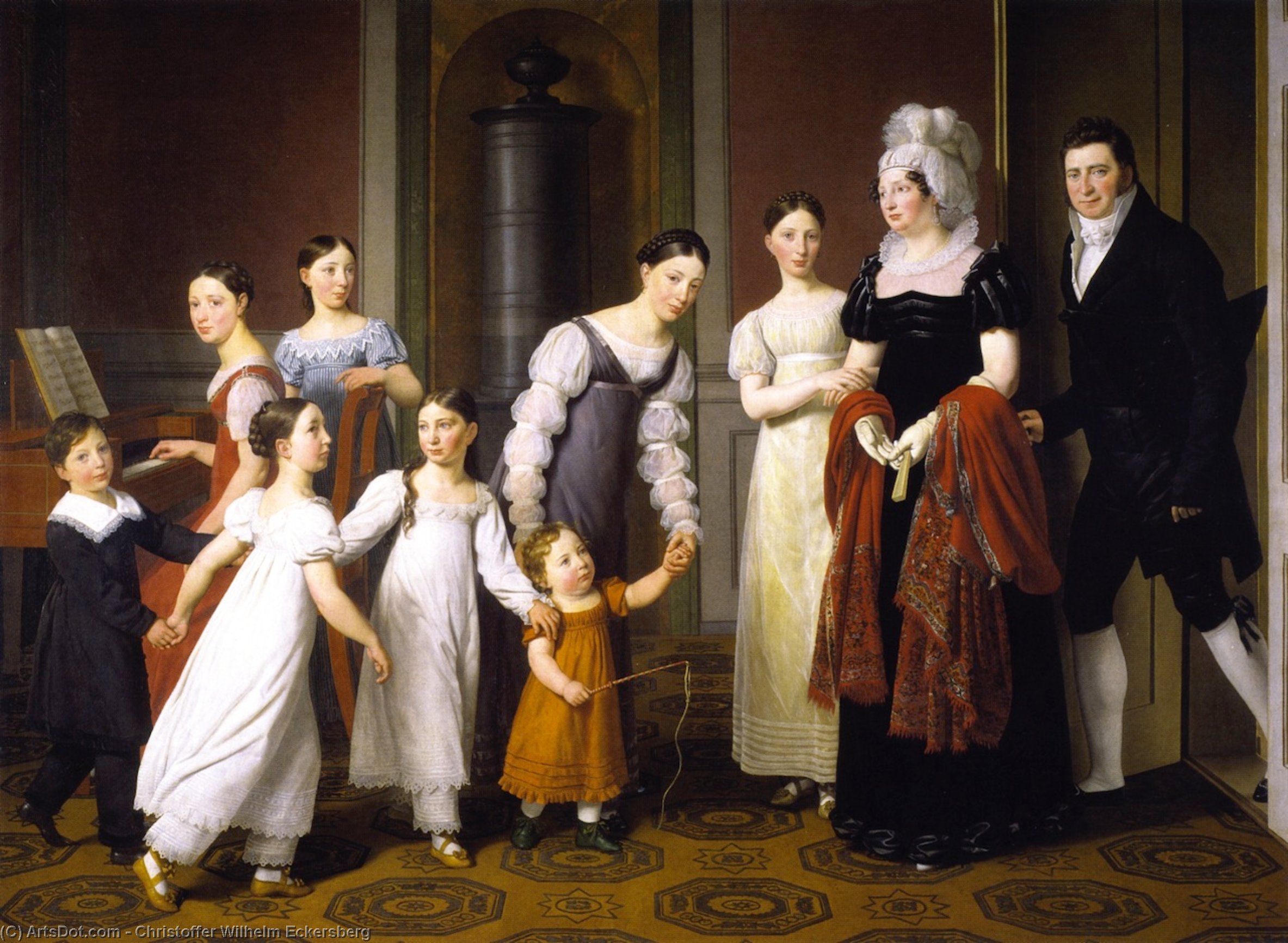
The Nathanson Family


 Read More
Purchase a high-resolution, enhanced digital image, far superior to the online preview.
Each file is meticulously prepared by our in-house specialists using advanced tools and expert manual retouching. We ensure every image has exceptional clarity, precise color accuracy, and fine detail.
The final file is delivered via email within 72 hours, optimized for immediate use in professional, editorial, and print environments. This is the same quality trusted by top-tier design studios, publishers, and galleries.
Digital Image
Download a high-resolution file for personal display, printing, and creative projects. ( Buy Print Buy Hand Made Painting)
Included in Every Digital Image Order
Expert Digital Delivery, Guaranteed
When you choose ArtsDot.com, you're not just getting an image - you're receiving a professionally enhanced digital artwork, crafted with precision and backed by a satisfaction guarantee. Here's everything that comes with your order, automatically:

Fast Email Delivery
Your high-resolution digital image file will be emailed to you within 72 hours of ordering - ready for immediate use.

AI-Enhanced Digital File
Your artwork is professionally optimized using advanced AI tools and manual editing, ensuring maximum detail, clarity, and color accuracy.

Free Lifetime Re-Delivery
Accidentally deleted or lost your file? No worries - we'll resend it to you anytime, free of charge.

No Import Fees - Ever
Enjoy your artwork instantly with zero customs, duties, or delivery fees - digital downloads are always tax-free.

Color Accuracy Guarantee
We ensure your digital image reflects the original colors as closely as possible using professional tools and color management.

60-Day Satisfaction Guarantee
If you're not satisfied with your digital image, we'll revise it or refund 100% within 60 days - no questions asked.

100% Money-Back Guarantee
Not satisfied? Get a full refund within 60 days of receiving your digital file - no questions asked.

Bulk Order Discounts
Buy 3 images, save 10% - Buy 5, save 15% - Buy 10+, save 20%. Great for creative projects, galleries, and agencies.
Collectible Description
A Window into the Early 19th Century: Christoffer Wilhelm Eckersberg’s “The Nathanson Family”
Christoffer Wilhelm Eckersberg's "The Nathanson Family," painted in 1818, is more than just a portrait; it’s a meticulously crafted snapshot of Danish society during a period of significant social and cultural transformation. This oil on canvas masterpiece offers a rare glimpse into the refined world of the upper class, capturing not only their outward appearance but also hinting at the complexities of family life and societal expectations within early 19th-century Denmark. Eckersberg, widely considered the “Father of Danish Painting,” masterfully employs his signature style – characterized by its luminous light, subtle color palettes, and a remarkable ability to convey both realism and emotional depth – to create an image that is both visually stunning and historically resonant.
The painting depicts the Nathanson family gathered in their home, a scene rendered with an almost theatrical elegance. The patriarch, Mendel Levin Nathanson, stands proudly at the center, flanked by his wife and children. Each figure is meticulously detailed, from the intricate folds of their clothing to the subtle expressions on their faces. Notice the careful arrangement – the piano on the left side, a symbol of cultured refinement, and the book near the top right corner, suggesting intellectual pursuits and a commitment to education. These seemingly minor details contribute significantly to the painting’s overall narrative, revealing much about the family's status and values.
The Art of Eckersberg: Light, Atmosphere, and Psychological Insight
Eckersberg’s technical skill is immediately apparent in the masterful use of light. He employs a soft, diffused illumination that bathes the scene in a warm glow, creating an atmosphere of intimacy and comfort. This technique isn't merely decorative; it serves to draw the viewer into the painting, inviting them to observe the family with a sense of quiet contemplation. Furthermore, Eckersberg’s ability to capture subtle nuances of expression is remarkable. The slight smiles, averted glances, and thoughtful poses suggest a complex interplay of emotions and relationships within the family unit.
The artist's background in etching informs his approach to color and composition. He utilizes a restrained palette – primarily warm browns, golds, and muted reds – which evokes a sense of tradition and stability. The careful layering of paint creates a remarkable sense of depth and texture, while the subtle gradations of tone contribute to the painting’s overall atmospheric effect. Eckersberg's training in Rome profoundly influenced his style, introducing him to classical ideals of beauty and harmony.
Historical Context: A Society in Transition
“The Nathanson Family” is a product of its time – a period marked by significant social and political changes in Denmark. Following the Napoleonic Wars, the country was grappling with questions of national identity and social reform. The rise of the middle class and the gradual emancipation of the Jews were reshaping Danish society, and portraits like this one offer valuable insights into the values and aspirations of the elite.
The Nathansons themselves represent a prominent family within this context. Mendel Levin Nathanson was a successful businessman, an editor for the leading newspaper *Berlingske Tidende*, and a key figure in advocating for Jewish rights. His portrait serves as a testament to his achievements and social standing. The inclusion of his children underscores the importance of lineage and legacy – a central theme in Danish society at the time.
A Legacy of Beauty: Reproductions and Artistic Appreciation
Eckersberg’s “The Nathanson Family” remains a beloved masterpiece of Danish art, admired for its technical brilliance, emotional depth, and historical significance. Reproductions offer an accessible way to experience the beauty and artistry of this iconic painting, bringing it into homes and galleries around the world. When selecting a reproduction, consider the quality of materials used – a high-quality print on canvas or archival paper will ensure that the colors and details are faithfully reproduced for generations to come.
To explore more works by Christoffer Wilhelm Eckersberg and discover the beauty of handmade oil paintings reproductions, visit https://ArtsDot.com. This website offers a curated selection of fine art prints and original paintings, allowing you to connect with the artistic legacy of Denmark’s “Father of Painting.”
Related Artworks
Artist Biography
The Dawn of Danish Modernity: Christoffer Wilhelm Eckersberg’s Artistic Vision
Christoffer Wilhelm Eckersberg, born in 1783 in the small Duchy of Schleswig – a landscape that would forever imprint itself upon his artistic sensibility – stands as a monumental figure in the history of Danish art. Often lauded as the “Father of Danish Painting,” Eckersberg wasn’t merely a skilled practitioner; he was a revolutionary, a pedagogue who fundamentally reshaped the nation's artistic identity during its Golden Age. His early life, spent between his father’s carpentry workshop and the windswept shores near Alssund, instilled in him both a meticulous attention to detail and a profound appreciation for the natural world – qualities that would define his oeuvre. These formative years weren’t confined to idyllic observation; he actively sketched and sailed, honing skills that foreshadowed his later mastery of light, form, and atmospheric perspective. Formal training began with Jes Jessen in Aabenraa and continued with Josiah Jacob Jessen in Flensburg, providing a solid foundation before Eckersberg ventured towards the artistic heart of Europe: Copenhagen.Paris, Rome, and the Forging of a Neoclassical Ideal
Eckersberg’s arrival at the Royal Danish Academy of Art in 1803 marked a pivotal moment, yet his relationship with the prevailing academic authority, Nikolaj Abraham Abildgaard, was fraught with tension. This friction, however, may have inadvertently spurred Eckersberg to seek further refinement abroad. The years 1811-1812 found him in Paris, studying under the towering figure of Jacques-Louis David. David’s Neoclassical principles – an emphasis on clarity, precise draftsmanship, and a return to classical forms – deeply resonated with Eckersberg's inherent inclinations towards order and realism. This period wasn’t simply about adopting a style; it was about internalizing a philosophy of artistic rigor. The subsequent sojourn in Rome (1813-1816) proved equally transformative. Immersed in the Italian light and landscape, Eckersberg developed an unparalleled sensitivity to atmospheric effects and tonal nuances. Crucially, he forged a lasting friendship with Bertel Thorvaldsen, the celebrated Danish sculptor whose influence extended beyond the realm of sculpture into Eckersberg’s compositional thinking and understanding of form. Personal hardship also marked this period; his divorce from Christine Rebekka Hyssing added another layer to his evolving character, perhaps deepening his introspective approach to art.A Professor's Revolution: Shaping a Generation
Returning to Denmark in 1818, Eckersberg assumed the role of professor at the Royal Danish Academy of Art – a position he would hold for decades and utilize to enact a sweeping pedagogical reform. He challenged the established curriculum, prioritizing drawing from life and, most radically, *plein air* painting. This insistence on direct observation—of capturing light and atmosphere as they truly existed—was revolutionary for its time, breaking with tradition and encouraging artists to engage directly with the world around them. Eckersberg’s influence extended far beyond his formal lectures; he fostered a spirit of meticulous study and independent thought among his students. Among those profoundly impacted were Christen Købke, Wilhelm Marstrand, and Martinus Rørbye – artists who would become leading figures in the Golden Age of Danish Painting. His artistic style itself is characterized by an unwavering commitment to realism, a painstaking attention to detail, and a masterful handling of light. He painted over 500 works throughout his career, encompassing portraits of the royal family, dramatic maritime scenes like The Russian Ship of the Line “Asow” and a Frigate at Anchor in the Elsinore Roads, and intimate depictions of everyday life in Copenhagen.Legacy: The Father’s Enduring Influence
Christoffer Wilhelm Eckersberg's historical significance lies not only in his own artistic achievements but also in his transformative impact on Danish painting as a whole. He shifted the focus away from grandiose historical narratives towards a more grounded, contemporary vision – one that celebrated the beauty of the everyday and the subtleties of the natural world. He laid the groundwork for a distinctly Danish artistic identity, characterized by its realism, clarity, and quiet introspection. His emphasis on observation and technique instilled in his students a commitment to quality and a willingness to challenge convention. Eckersberg’s legacy continues to resonate today, inspiring artists and art historians alike to appreciate the profound impact of this remarkable painter and pedagogue – the true “Father of Danish Painting.” His works remain testaments to an era where artistic skill was coupled with intellectual curiosity, and where the pursuit of beauty was inextricably linked to a deep understanding of the world.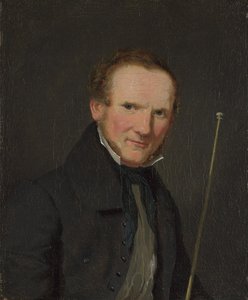
Christoffer Wilhelm Eckersberg
1783 - 1853 , Denmark
Quick Facts
- Artistic Movement Or Style: Neoclassical, Realism
- Artists Or Movements Influenced By This Artist:
- Christen Købke
- Wilhelm Marstrand
- Martinus Rørbye
- Artists Who Influenced This Artist:
- Jacques-Louis David
- Bertel Thorvaldsen
- Date Of Birth: 1783
- Date Of Death: 1853
- Full Name: Christoffer Wilhelm Eckersberg
- Nationality: Danish
- Notable Artworks:
- Seated Nude Model
- View of the Garden...
- A Courtyard in Rome
- Asow and a Frigate
- Place Of Birth: Kolding, Denmark

