 Preview
 Send
Send Share
Share
 Details

 Download
 Similars
 X-Ray
X-Ray Diaporama
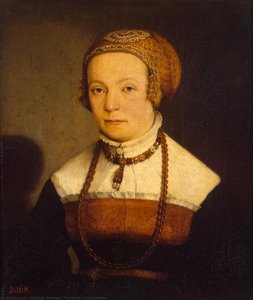
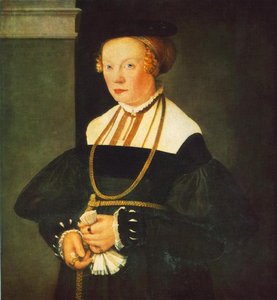
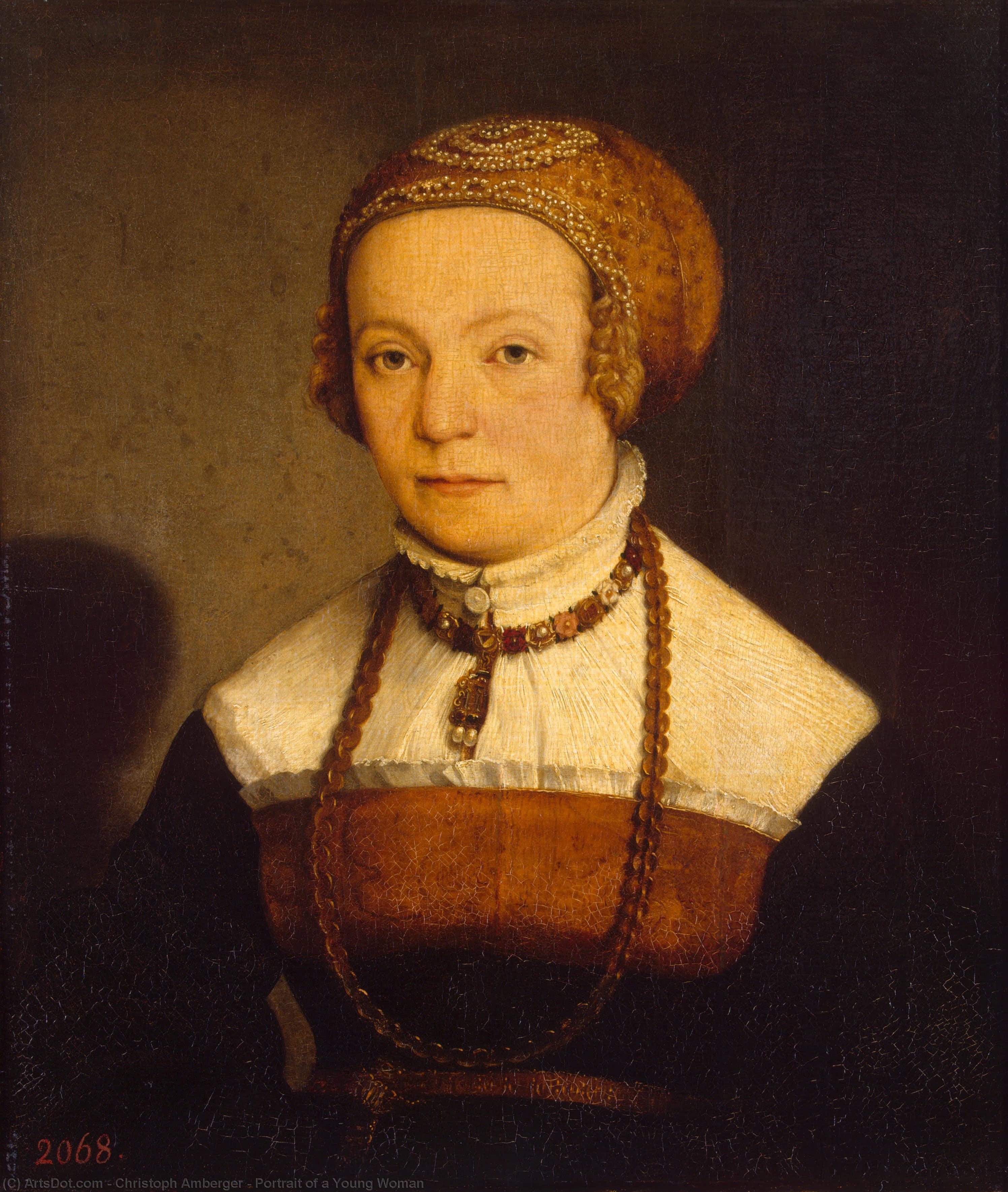
Portrait of a Young Woman
 Oil On Canvas
- WallArt
- Early Netherlandish Painting
 51.0 x 43.0 cm
 Hermitage Museum
 Read More
Hand Made Oil Reproduction
Hand-painted oil on canvas in your size and frame, made to order by our artists. ( Buy Print Buy Image)




P118B $10

P118H $10

P118W $10

P438Z $10

P508JH $12

P508YH $12

P805H $10

P805Z $10

P919BZ $10

P919G $10

P919XJ $10

P959ZH $10

P968JZ $12

W106C $8

W218G $10

W218JH $8

W218Y $10

W307PJ $10

W316G $10

W316PJ $8

W316Y $10

W398PJ $8

W4111J $10

W500HY $15

W500JH $15

W692G $12

W849H $8

W940BG $15

W953PJ $8




Pick from our preset sizes that match the artwork's original proportions.

You may enter your own dimensions to fit a specific frame or space. If your selected size does not match the original image's proportions, we will either crop the artwork or extend the painting with additional hand-painted elements. A digital mockup will be sent for your approval before production begins.
Please note that the on-screen preview does not reflect the actual cropping or extension. Only the mockup will accurately show the final composition.
While custom sizes are available, we recommend selecting a dimension from the predefined list to preserve the original proportions.
After order, ArtsDot.com team will email client for instructions and provide a mockup preview
Worldwide Delivery () in 3/4 weeks instead of standard 5 weeks. (16 August). No compromise on quality.

Free Worldwide Express Shipping

High-Quality Linen Canvas

Full Shipping Insurance

Customs Tax Refund Guarantee

True Color Matching Guarantee

60-Day Return Policy (Defects Only)

100% Money-Back Guarantee

Bulk Discount Offer
 Glass option is only available in size under 110 CM

Portrait of a Young Woman
Reproduction Medium
Reproduction Size
-


Total Price
$ 263
Artwork Description
A Quiet Dignity: Christoph Amberger’s Portrait of a Young Woman
Christoph Amberger's "Portrait of a Young Woman," painted circa 1548, is not merely a depiction of an individual; it’s a carefully constructed window into the burgeoning humanist ideals and artistic sensibilities of Augsburg during the High Renaissance. Often overshadowed by the more flamboyant portraits of Hans Holbein, Amberger’s work possesses a subtle power—a quiet dignity born from meticulous observation and a deep understanding of human psychology. This painting, residing within the Hermitage Museum in St. Petersburg, offers a poignant glimpse into a world where portraiture served as both a commemoration and a reflection of social status.
The subject herself is rendered with remarkable realism for her time. Her face, characterized by its relatively flat planes and subtly spaced features – a characteristic often interpreted as reflecting the influence of Holbein’s style – avoids idealized beauty in favor of an honest portrayal. There's a certain vulnerability in her gaze, a hint of introspection that invites the viewer to contemplate her inner life. The simplicity of her attire—a dark gown and a delicate scarf—further emphasizes her face, drawing attention to the nuances of expression and the subtle play of light and shadow across her skin.
The Early Netherlandish Influence
Amberger’s approach is firmly rooted in the traditions of Early Netherlandish painting, a style he honed under the tutelage of Hans Holbein the Younger. This lineage is evident in his masterful use of oil paint—a relatively new medium at the time—to build up form and create luminous surfaces. The layering technique allows for incredible detail, particularly in the rendering of fabrics and textures, while simultaneously achieving a remarkable sense of depth and atmosphere. The muted color palette – dominated by browns, grays, and blacks – contributes to the painting’s somber yet dignified mood.
Crucially, Amberger departs from purely representational goals. He wasn't simply aiming for an accurate likeness; he was striving to capture a *tronie*—a Dutch term denoting a type of portrait that prioritized capturing a particular expression or character rather than a specific individual. This focus on psychological depth is what elevates the painting beyond a simple likeness, transforming it into a study of human emotion and personality.
Historical Context and Artistic Significance
Christoph Amberger’s life was inextricably linked to Augsburg's vibrant cultural scene during the Renaissance. Born in 1505, he witnessed the city’s rise as a center for trade, art, and learning. His father’s background as a stonemason and his grandfather’s expertise in woodcarving instilled in him an appreciation for craftsmanship and precision—qualities that undoubtedly informed his artistic practice. He spent time traveling to Italy, absorbing the influences of Renaissance masters like Leonardo da Vinci and Raphael.
The portrait's creation coincided with a period of significant social and political change in Augsburg. The Fugger family, one of Europe’s wealthiest merchant dynasties, exerted considerable influence over the city’s affairs, commissioning portraits from artists like Amberger to commemorate their status and lineage. This painting likely served as part of a series intended to document the prominent figures of Augsburg's elite.
Symbolism and Emotional Resonance
While the symbolism within the portrait is subtle, it speaks volumes about the era’s values. The young woman’s reserved demeanor reflects the prevailing ideals of female virtue—modesty, chastity, and piety. The dark background serves to isolate her, drawing attention to her face and inviting contemplation. There's a sense of quiet dignity and composure that permeates the painting – a feeling of inner strength and resilience.
“Portrait of a Young Woman” is more than just a beautiful artwork; it’s a testament to Amberger’s skill as an artist and his ability to capture the essence of human character. It offers a rare glimpse into the social and cultural landscape of Augsburg during the High Renaissance, inviting viewers to pause and reflect on the enduring power of portraiture to reveal both the outward appearance and the inner life of its subject.
Related Artworks



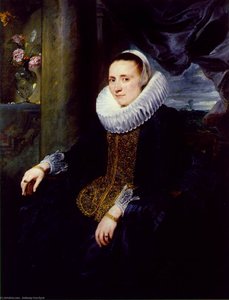

Artist Biography
The Silent Witness of Augsburg’s Renaissance
In the vibrant, bustling heart of 16th-century Augsburg, a city that pulsed with the economic energy of European trade, there lived an artist whose brush captured the very soul of the High Renaissance. Christoph Amberger (c. 1505 – 1562) was not merely a painter of figures, but a meticulous chronicler of human dignity and divine narrative. Born into a lineage of craftsmen—the son of a stonemason and grandson of a woodcarver—Amberger inherited a profound respect for the tactile precision of art. This foundational upbringing in the traditions of German craftsmanship provided the bedrock upon which he would build a career defined by clarity, realism, and an unwavering attention to detail.
The trajectory of Amberger’s talent was irrevocably altered through his apprenticeship under the legendary Hans Holbein the Younger. From Holbein, Amberger inherited more than just technical skill; he absorbed a specific psychological language, a way of rendering the human countenance that allowed a sitter to breathe through the oil and pigment. This mentorship instilled in him a mastery of crisp realism, enabling him to navigate the delicate balance between capturing physical likeness and conveying the inner character of his subjects. His work became a bridge between the Northern European tradition of meticulous detail and the burgeoning humanist ideals sweeping across the continent.
A Journey Through Faith and Humanism
Amberger’s artistic evolution was significantly enriched by his travels, most notably his sojourn through Northern Italy between 1525 and 1527. Immersing himself in the artistic atmosphere of Venice and Florence, he stood in the shadow of giants like Leonardo da Vinci and Michelangelo. This exposure to the Italian Renaissance breathed a new dimension into his work, infusing his German roots with a sophisticated understanding of composition and the monumental grace of the South. Upon his return to Augsburg, this synthesis of styles allowed him to engage with the city's most powerful patrons, including the legendary merchant Jakob Fugger and the statesman Konrad Peutinger.
Perhaps his most enduring contribution to the art historical canon is his profound engagement with biblical storytelling. His celebrated series, The History of Joseph, stands as a testament to his ability to transform scripture into visual dialogue. Through twelve magnificent canvases, Amberger meticulously recounts the life of Joseph, utilizing symbolic resonance to explore themes of virtue, providence, and faith. These are not merely illustrations of text; they are carefully constructed worlds where every fold of fabric and every shadow serves to deepen the theological narrative, making the ancient stories feel immediate and profoundly human.
Legacy of a Master Portraitist
Beyond his religious narratives, Amberger’s legacy is etched into the faces of the era's most influential figures. His portraiture served as a vital historical record of the political and economic titans of his time. By capturing the likenesses of individuals such as Emperor Charles V and the prominent members of the Fugger dynasty, he provided a window into the power structures of the 16th century. His portraits are characterized by:
- Psychological Depth: A profound ability to capture the gravity and intellect of his subjects.
- Material Precision: An exquisite rendering of textures, from heavy velvets to the cold sheen of armor.
- Humanist Spirit: A focus on the individual as a central figure of importance within the cosmic and social order.
Though he may not have sought the flamboyant fame of some of his contemporaries, Christoph Amberger remains an indispensable figure of the German Renaissance. His life’s work represents a harmonious intersection of Northern precision and Italian grace, leaving behind a body of work that continues to resonate with the quiet strength of a master who saw the divine in the details of the human experience.
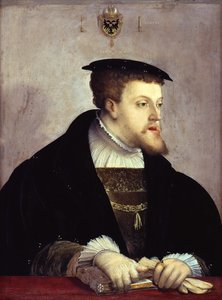
Christoph Amberger
1505 - 1562 , Germany
Quick Facts
- Artistic Movement Or Style: Renaissance
- Artists Or Movements Influenced By This Artist: Italian Renaissance
- Artists Who Influenced This Artist: Hans Holbein
- Date Of Birth: c. 1505
- Date Of Death: 1562
- Full Name: Christoph Amberger
- Nationality: German
- Notable Artworks: ['History of Joseph']
- Place Of Birth: Berlin, Germany
Related Articles

The Enduring Legacy of Oil on Canvas: Technique, History & Aesthetic Impact
Explore the rich history & techniques of oil painting – from Renaissance masters to Impressionism. Discover pigments, layering methods, and why this timeless medium endures. Expert insights for artists & art enthusiasts.

Oil on Canvas: A Historical & Technical Exploration of a Timeless Artistic Medium
Explore the rich history & enduring techniques of oil painting on canvas. Discover the science behind its longevity, conservation practices, and contemporary relevance. Expert insights for art enthusiasts.

The Enduring Power of Painting: A Historical & Contemporary Exploration of Form and Emotion
Explore the rich history & enduring techniques of oil painting with ArtsDot. Discover masterpieces, learn about art collecting, and find authentic handmade reproductions crafted by skilled artists.

The Enduring Legacy of Oil on Canvas: Technique, History & Contemporary Practice
Explore the rich history & enduring techniques of oil painting on canvas. Discover the science behind its longevity, conservation practices, and contemporary relevance. Expert insights for art enthusiasts.
Oil on Board Masters: 10 Paintings That Redefined Art | ArtsDot
Explore 10 legendary 'Oil on Board' masterpieces by Van Gogh, Monet & more! Discover art history, iconic styles like Impressionism, and find museum-quality reproductions to elevate your home decor. Explore the full collection online at ArtsDot.com.