 Preview
 Send
Send Share
Share
 Details

 Download
 Similars
 X-Ray
X-Ray Diaporama
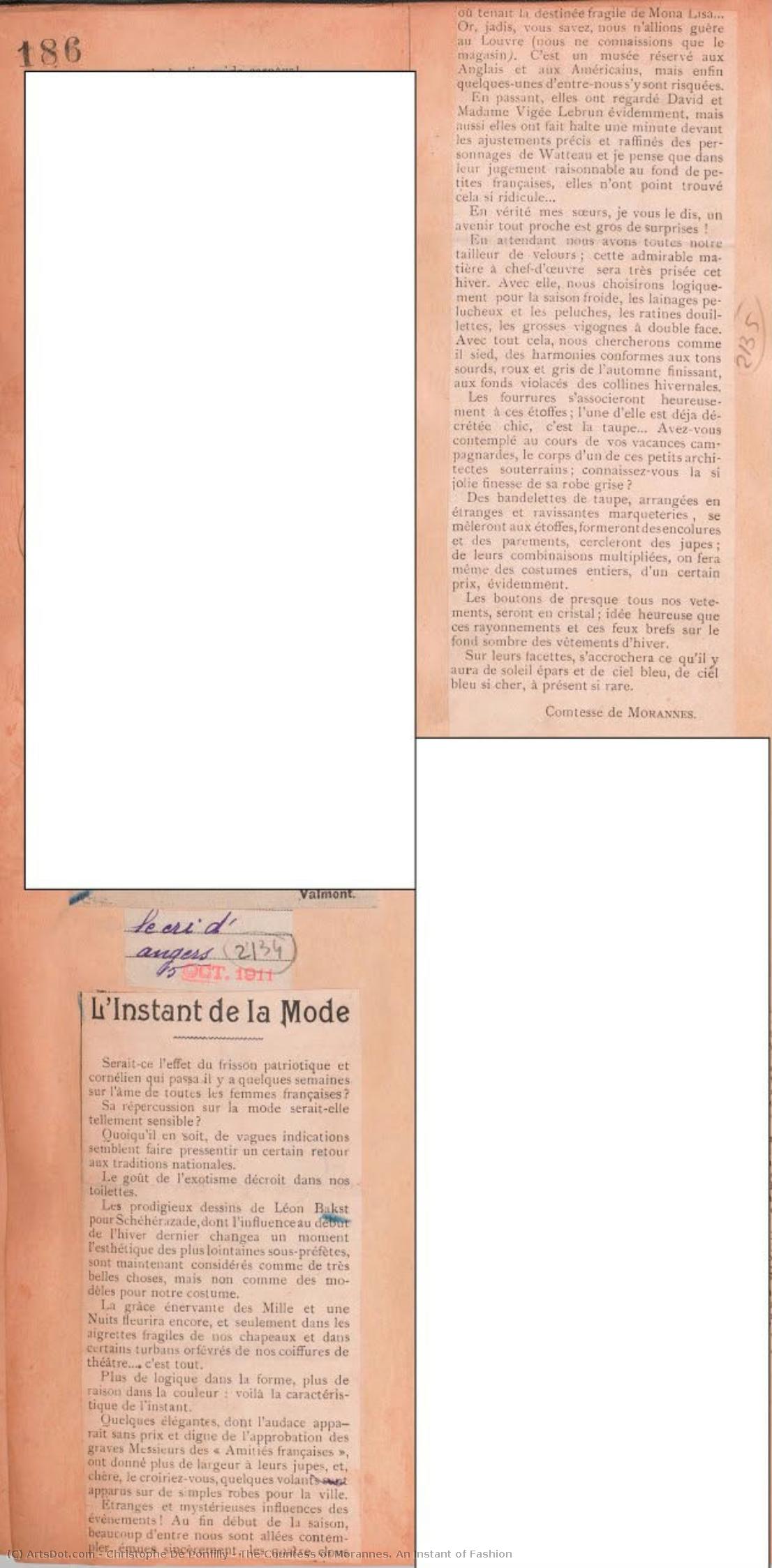
The Countess of Morannes. An Instant of Fashion

 Read More
Giclée / Art Print
Museum-quality giclée or canvas print with fast production and flexible finish options. ( Buy Hand Made Painting Buy Image)




































Pick from our preset sizes that match the artwork's original proportions.

You may enter your own dimensions to fit a specific frame or space. If your selected size does not match the original image's proportions, we will either crop the artwork or extend the image with a mirrored or solid-fill edge. A digital mockup will be sent for your approval before production begins.
Please note that the on-screen preview does not reflect the actual cropping or extension. Only the mockup will accurately show the final composition.
While custom sizes are available, we recommend selecting a dimension from the predefined list to preserve the original proportions.
Worldwide Delivery () in 2 weeks instead of standard 4/5 weeks. (5 September)

Free Worldwide Express Shipping

High-Quality Linen Canvas

Full Shipping Insurance

Customs Tax Refund Guarantee

True Color Matching Guarantee

60-Day Return Policy (Defects Only)

100% Money-Back Guarantee

Bulk Discount Offer
 Glass option is only available in size under 110 CM

The Countess of Morannes. An Instant of Fashion
Giclée / Art Print
Reproduction Size
-


Total Price
$ 63
Related Artworks


Artist Biography
Christophe de Ponfilly: A Poignant Lens on Humanity’s Crossroads
Born in Angers, France, in 1951, Christophe de Ponfilly was more than simply a journalist, filmmaker, cinematographer, and screenwriter; he was a deeply empathetic observer of the human condition. His life, tragically cut short in 2006, left behind a legacy of powerfully intimate documentaries that explored themes of conflict, displacement, and the enduring spirit of individuals caught within turbulent historical currents. De Ponfilly’s work wasn't about grand narratives or sweeping pronouncements; it was a quiet, insistent invitation to confront uncomfortable truths and recognize shared humanity amidst profound suffering.
Early in his career, de Ponfilly worked as an editor for Laffont, a publishing house known for its provocative coverage of social issues. This experience undoubtedly shaped his approach to filmmaking – a commitment to detail, a respect for the voices of those often marginalized, and a willingness to delve beneath superficial appearances. He quickly transitioned into journalism, honing his skills in reporting and investigation before embarking on a career dedicated to visual storytelling. His early work included documenting the Soviet-Afghan conflict, an experience that profoundly impacted him and informed much of his later filmmaking.
A Career Defined by Documentary
De Ponfilly’s most significant contributions lie within the realm of documentary cinema. He wasn't interested in creating sensationalized war films; instead, he sought to capture the quiet dignity and resilience of individuals living through extraordinary circumstances. His films often focused on marginalized communities – Afghan refugees, Palestinian villagers, and those caught in the crossfire of political upheaval. He developed a distinctive visual style characterized by intimate close-ups, natural lighting, and a deliberate avoidance of overt sentimentality. This approach allowed his subjects to speak for themselves, revealing their stories with heartbreaking honesty.
Notable among his works are *Les Combattants de l'Insolence* (1985), which explored the lives of young dissidents in France, and *Monsieur le Rabin* (1999), a poignant examination of Shimon Peres’s role as Israeli President. However, it is arguably his films focusing on Afghanistan that cemented his reputation – particularly *Massoud, l'afghan* (2000) and *Naître, des histoires banales mais belles* (1994). These films offered a rare glimpse into the lives of ordinary Afghans grappling with war, poverty, and displacement. His work on *Massoud, l’afghan*, in particular, earned him prestigious awards including the Special Jury Prize at the 14th Global Television Festival in Japan and a UNESCO prize for its sensitive portrayal of Ahmed Shah Massoud.
Technique and Style
De Ponfilly's cinematic style was rooted in a commitment to authenticity. He eschewed elaborate production values, preferring instead to capture the raw reality of his subjects’ lives. His cinematography relied heavily on natural light, creating a sense of intimacy and immediacy. He employed long takes, allowing viewers to fully absorb the emotions conveyed by his subjects. This deliberate restraint, combined with his keen eye for detail, resulted in films that were both visually stunning and profoundly moving.
His work as a cinematographer extended beyond documentary filmmaking. He contributed to several feature films, demonstrating versatility and a deep understanding of visual storytelling across different genres. He was known for his ability to create atmosphere through lighting and composition, often using subtle shifts in color and tone to evoke specific emotions.
Legacy and Recognition
Despite his untimely death in 2006, Christophe de Ponfilly’s films continue to resonate with audiences around the world. His work is a testament to the power of cinema as a tool for social awareness and human connection. He received numerous accolades throughout his career, including the Prix Albert-Londres in 1985 and several special jury prizes at international film festivals. His films have been screened at prestigious venues worldwide, earning critical acclaim and sparking important conversations about war, displacement, and the enduring value of empathy.
De Ponfilly’s legacy extends beyond his individual films; he established Albert Films and Interscoop, demonstrating a commitment to supporting independent filmmaking and journalistic endeavors. His work serves as a reminder that even in the darkest of times, the human spirit can endure – and that through careful observation and compassionate storytelling, we can gain a deeper understanding of ourselves and the world around us.
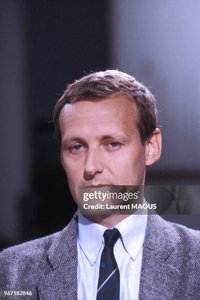
christophe de ponfilly
1951 - 2006 , France
Quick Facts
- Artistic Movement Or Style: Journalism, Filmmaking
- Artists Or Movements Influenced By This Artist: ['']
- Artists Who Influenced This Artist: ['']
- Date Of Birth: January 5, 1951
- Date Of Death: May 16, 2006
- Full Name: Christophe de Ponfilly
- Nationality: French
- Notable Artworks:
- Les Combattants de l'insolence
- Monsieur le Rabin
- Massoud, l'afghan
- Place Of Birth: Angers, France