 Preview
 Send
Send Share
Share
 Details

 Download
 Similars
 X-Ray
X-Ray Diaporama
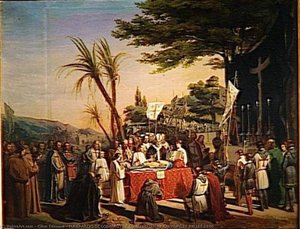
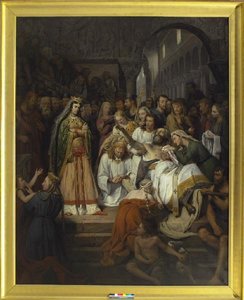
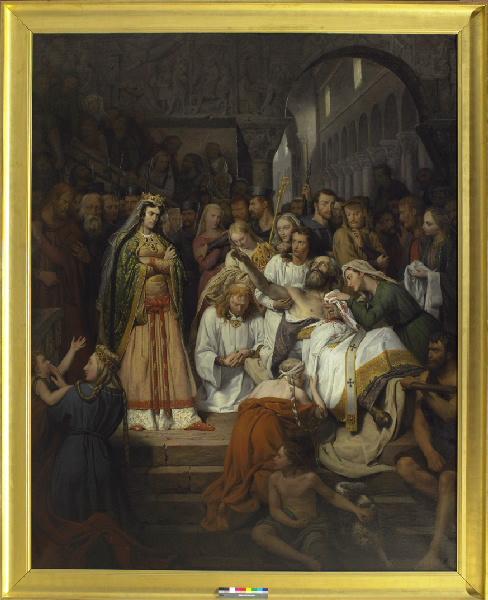
Un trait de la vie de Frédégonde dit aussi Mort de prétextat, évêque de Rouen

 Read More
Hand Made Oil Reproduction
Hand-painted oil on canvas in your size and frame, made to order by our artists. ( Buy Print Buy Image)




































Pick from our preset sizes that match the artwork's original proportions.

You may enter your own dimensions to fit a specific frame or space. If your selected size does not match the original image's proportions, we will either crop the artwork or extend the painting with additional hand-painted elements. A digital mockup will be sent for your approval before production begins.
Please note that the on-screen preview does not reflect the actual cropping or extension. Only the mockup will accurately show the final composition.
While custom sizes are available, we recommend selecting a dimension from the predefined list to preserve the original proportions.
After order, ArtsDot.com team will email client for instructions and provide a mockup preview
Worldwide Delivery () in 3/4 weeks instead of standard 5 weeks. (24 August). No compromise on quality.

Free Worldwide Express Shipping

High-Quality Linen Canvas

Full Shipping Insurance

Customs Tax Refund Guarantee

True Color Matching Guarantee

60-Day Return Policy (Defects Only)

100% Money-Back Guarantee

Bulk Discount Offer
 Glass option is only available in size under 110 CM

Un trait de la vie de Frédégonde dit aussi Mort de prétextat, évêque de Rouen
Reproduction Medium
Reproduction Size
-


Total Price
$ 488
Related Artworks
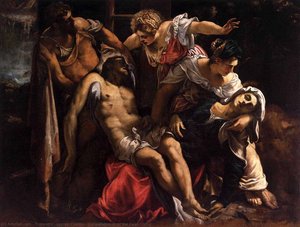
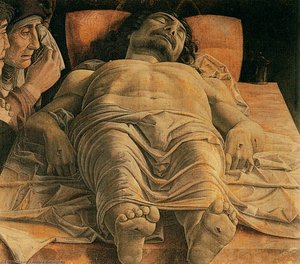
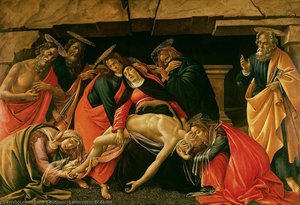
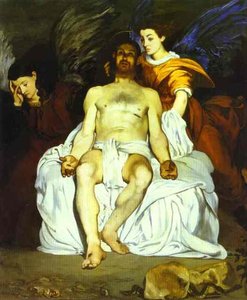
Artist Biography
François Barthélemy Michel Édouard Cibot (1799–1877): A Parisian Landscape Painter Bridging Romanticism and Impressionism
Édouard Cibot, born in Paris in 1799, emerged as a prominent figure within the French artistic landscape of the mid-nineteenth century. His formative years were marked by tutelage under celebrated painters Pierre-Narcisse Guérin and François Picot, establishing him firmly within the Romantic tradition—a movement characterized by emotional intensity and an idealized depiction of nature. This influence would permeate his oeuvre, shaping his stylistic choices and thematic concerns throughout his prolific career.- Early Training & Sacred Art: Cibot’s initial artistic pursuits centered on religious iconography, producing numerous canvases depicting biblical scenes and saints—a testament to the prevailing spiritual fervor of the era. Notable works like ‘Charity,’ housed in St. Leu Church, exemplify his meticulous technique and profound understanding of compositional principles honed during these formative years.
- Transition to Landscape Painting: Around 1863, Cibot decisively shifted his focus towards landscape painting, embracing a style that foreshadowed the burgeoning Impressionist movement. This stylistic evolution reflected a broader cultural shift toward valuing observation and capturing fleeting moments of beauty—a departure from the grand narratives favored by Romanticism.
Notable Works & Artistic Style
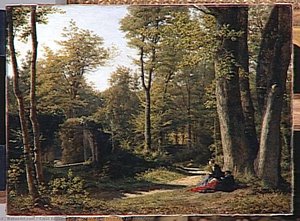
Cibot’s artistic style distinguished itself through several key characteristics. He employed a rich palette, utilizing vibrant hues to convey atmospheric conditions and imbue his canvases with palpable emotion. Linear perspective was skillfully deployed to create depth and realism—particularly evident in paintings such as ‘View at Soisy-sur-Ecolle,’ which captures the serene tranquility of the Parisian suburbs. Furthermore, Cibot’s compositions often incorporated dramatic lighting effects, enhancing visual impact and conveying psychological nuance. His meticulous brushwork contributed to textural richness and a sense of immediacy—qualities that resonated with the aesthetic sensibilities of his time.- Iconic Landscapes: Among Cibot's most celebrated landscapes are ‘Chestnut-trees at Aulnay’ and ‘Park at Orsay,’ which showcase his masterful ability to depict natural beauty with sensitivity and precision. These paintings exemplify the Romantic preoccupation with sublime vistas—inspiring awe and contemplation in viewers.
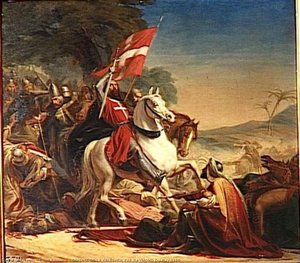
- Dramatic Narratives: Cibot's historical canvases, like ‘Defense of Celesyria by Raymond du Puy’ and ‘The Compromise of Nobles in 1566,’ demonstrate his talent for storytelling through visual imagery. He skillfully utilized chiaroscuro—the interplay of light and shadow—to heighten dramatic tension and convey emotional depth.
Influence & Legacy
Cibot’s artistic endeavors contributed significantly to the development of French landscape painting during the Romantic period, paving the way for Impressionism's emergence. His meticulous technique and expressive style served as inspiration for subsequent generations of artists—solidifying his place within art history. Although Cibot himself never achieved widespread fame during his lifetime, his paintings continue to be admired for their beauty and artistic merit—a testament to his enduring contribution to French cultural heritage.Further Exploration
For a deeper understanding of Édouard Cibot’s life and work, consider visiting these resources:- Wikimedia Commons:Media related to Édouard Cibot
- My Open Museum:Édouard Cibot
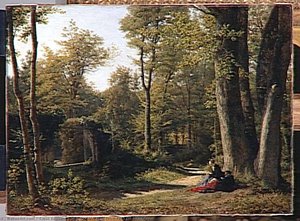
cibot edouard
1799 - 1877
Quick Facts
- Artistic Movement Or Style: Romantic
- Artists Or Movements Influenced By This Artist: ['Édouard Manet']
- Artists Who Influenced This Artist:
- Guérin
- Picot
- Date Of Birth: 1799
- Full Name: François Barthélemy Michel Édouard Cibot
- Nationality: French
- Notable Artworks:
- The Loves of the Angels
- Regina Coeli
- St. Theresa
- Place Of Birth: Paris
Related Articles
Édouard Manet's Masterpieces: Explore 25 Iconic Paintings for Your Home Decor
Explore 25 iconic Édouard Manet paintings, from 'Le Déjeuner sur l'herbe' to 'Olympia'. Discover the stories behind these Impressionist masterpieces & find museum-quality art reproductions for your home. Explore the full collection online at ArtsDot.com!

The Enduring Legacy of Oil on Canvas: Technique, History & Aesthetic Impact
Explore the rich history & techniques of oil painting – from Renaissance masters to Impressionism. Discover pigments, layering methods, and why this timeless medium endures. Expert insights for artists & art enthusiasts.

Oil on Canvas: A Historical & Technical Exploration of a Timeless Artistic Medium
Explore the rich history & enduring techniques of oil painting on canvas. Discover the science behind its longevity, conservation practices, and contemporary relevance. Expert insights for art enthusiasts.

Romantic Realism's Finest: 10 Masterpieces for Your Home | ArtsDot
Explore 10 defining masterpieces of Romantic Realism! Discover Courbet, Millet & Daumier's powerful paintings—capturing emotion and social realities. Find museum-quality reproductions for your home at ArtsDot.com.

The Enduring Power of Painting: A Historical & Contemporary Exploration of Form and Emotion
Explore the rich history & enduring techniques of oil painting with ArtsDot. Discover masterpieces, learn about art collecting, and find authentic handmade reproductions crafted by skilled artists.