 Preview
 Send
Send Share
Share
 Details

 Download
 Similars
 X-Ray
X-Ray Diaporama
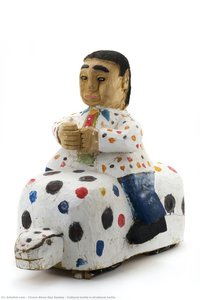
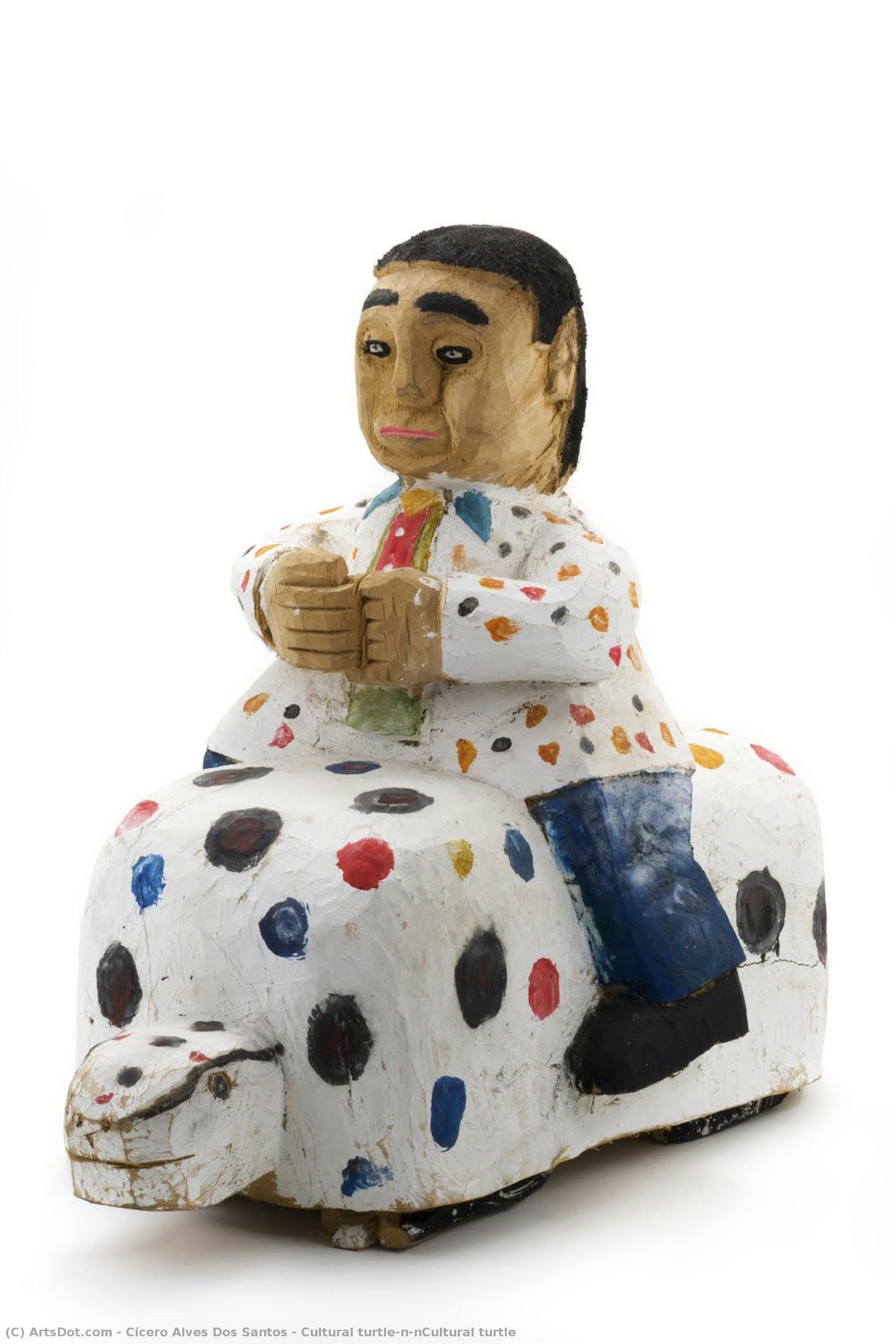
Cultural turtle\n\nCultural turtle
 Naive Art
 2000
2000 68.0 x 87.0 cm
 Museum of the Man of the Northeast
 Read More
Giclée / Art Print
Museum-quality giclée or canvas print with fast production and flexible finish options. ( Buy Hand Made Painting Buy Image)




































Pick from our preset sizes that match the artwork's original proportions.

You may enter your own dimensions to fit a specific frame or space. If your selected size does not match the original image's proportions, we will either crop the artwork or extend the image with a mirrored or solid-fill edge. A digital mockup will be sent for your approval before production begins.
Please note that the on-screen preview does not reflect the actual cropping or extension. Only the mockup will accurately show the final composition.
While custom sizes are available, we recommend selecting a dimension from the predefined list to preserve the original proportions.
Worldwide Delivery () in 2 weeks instead of standard 4/5 weeks. (27 August)

Free Worldwide Express Shipping

High-Quality Linen Canvas

Full Shipping Insurance

Customs Tax Refund Guarantee

True Color Matching Guarantee

60-Day Return Policy (Defects Only)

100% Money-Back Guarantee

Bulk Discount Offer
 Glass option is only available in size under 110 CM

Cultural turtle\n\nCultural turtle
Giclée / Art Print
Reproduction Size
-


Total Price
$ 63
Related Artworks
![[indian Woman And Child] — Charles Marion Russell, Folk Art](/media/artworks/images-thumb/f7/b5/f7b5e9cfd7a06e70bccf9f5bda620235.jpg)
Artist Biography
Cícero Alves dos Santos (Véio): A Biography
Early Life and Origins
Cícero Alves dos Santos, widely known as Véio (“Old Man” in Portuguese), was born in 1948 in Nossa Senhora da Glória, Brazil. He is a self-taught artist whose life and work are deeply rooted in the cultural landscape of Sergipe, a state in northeastern Brazil. Véio’s upbringing instilled in him a profound connection to nature and traditional craftsmanship, elements that would become central to his artistic expression.Artistic Development and Influences
Véio's artistic journey began organically, driven by an innate creative impulse rather than formal training. His early work was heavily influenced by the popular tradition of wood sculpture prevalent in Brazil’s rural communities. He learned to identify forms within tree trunks and branches, transforming discarded materials into compelling figures. However, Véio diverged from conventional folk art through his bold use of color. Unlike the delicate shades found in nature or traditional painting, he embraced intense, industrial hues, creating a striking contrast that defines his unique style. He wasn’t directly influenced by specific artists but rather by the environment and materials available to him.Style and Themes
Véio's sculptures are characterized by their raw energy and vibrant aesthetic. His work blends elements of folk art with a distinctly contemporary sensibility. He often depicts animals, human figures, and scenes from everyday life, imbuing them with a sense of vitality and narrative depth. A recurring theme in his art is the relationship between humanity and nature. By utilizing discarded wood from deforestation and land clearing, Véio not only creates art but also makes a powerful statement about environmental conservation. His sculptures often carry an underlying message of respect for the natural world and the importance of preserving it.Major Achievements and Recognition
Véio’s talent has garnered significant recognition within the Brazilian art world and beyond. His works are held in major collections, including:- Pinacoteca do Estado de São Paulo
- Museum of Modern Art of Rio de Janeiro
- Museum of Art of Rio
Historical Significance and Legacy
Véio’s work represents a unique intersection of tradition, innovation, and environmental consciousness. He challenges conventional notions of “folk art” by incorporating industrial elements and addressing contemporary issues. His commitment to using recycled materials underscores his dedication to sustainability and raises awareness about the impact of deforestation. Véio's legacy lies in his ability to transform discarded objects into powerful works of art that celebrate Brazilian culture, honor nature, and inspire dialogue about environmental responsibility. He continues to live and work in Brazil, actively contributing to the artistic landscape and advocating for forest preservation.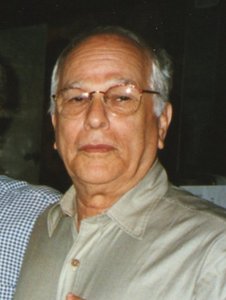
cícero alves dos santos
1948 - , Brazil
Quick Facts
- Birth Date: 1948
- Birth Place: Nossa Senhora da Glória, Brazil
- Influenced By: Popular tradition, wood sculpture
- Movement: Folk Art, Contemporary Brazilian Art
- Name: Cícero Alves dos Santos
- Nationality: Brazilian
- Notable Works: Cultural Turtle
Related Articles

Bronze Sculptures That Defined Art History | ArtsDot
Journey through art history with our Top 10 bronze sculptures! Explore masterpieces by Rodin, Michelangelo & more. Discover stories behind iconic statues and find museum-quality reproductions for your home decor at ArtsDot.com.

The Enduring Form: Exploring Themes & Techniques in Sculpture Across Historical Periods
Explore the rich history of sculpture from ancient masterpieces to contemporary innovations. Discover key techniques, influential artists & investment potential for discerning art collectors.

The Enduring Form: Sculpture Across History, Technique & Emotional Resonance
Explore the rich history of sculpture with ArtsDot. Discover key techniques, influential artists & investment potential for discerning collectors. Expert insights into valuing and collecting timeless masterpieces.

Bronze Age to Modern Masters: 10 Sculptures That Redefined Art | ArtsDot
Journey through art history with 10 legendary bronze sculptures – from Michelangelo's David to Rodin’s Thinker. Explore the stories, techniques & timeless beauty of these masterpieces. Find museum-quality reproductions & elevate your home decor on ArtsDot.com.
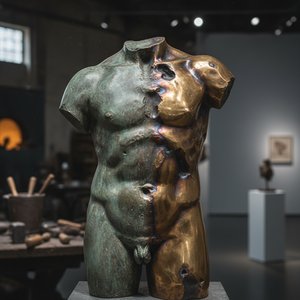
The Enduring Legacy of Bronze Sculpture: History, Techniques & Contemporary Interpretations
Explore the rich history & enduring appeal of bronze sculpture. Learn about casting techniques, iconic artists, collecting tips, & contemporary interpretations. Expert insights for discerning art collectors.