

A Tapestry of Northeast Brazil: The Museum of the Man of the Northeast
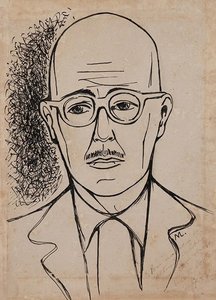
Nestled in the heart of Recife, the Museum of the Man of the Northeast is far more than a mere repository of artifacts; it is a vibrant, living narrative woven from the complex threads of Indigenous heritage, African resilience, and European influence. Founded in 1979 under the visionary guidance of the anthropologist Gilberto Freyre, this institution emerged from the soulful merger of three distinct legacies: Anthropology, Popular Art, and Sugar History. To step through its doors is to embark on a profound journey through time, where the echoes of colonial plantation life mingle with the spiritual whispers of ancient traditions and the playful, enduring spirit of regional folk art. It stands as a powerful testament to the cultural anthropology that defines Brazil’s Northeast—a land steeped in history, artistry, and a deeply profound human experience.
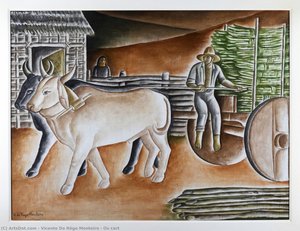
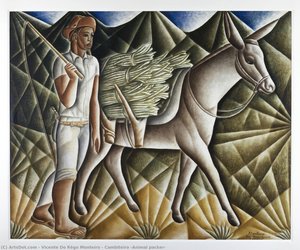
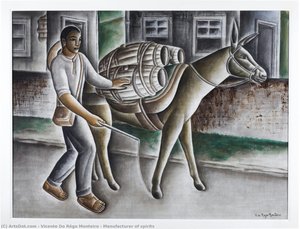
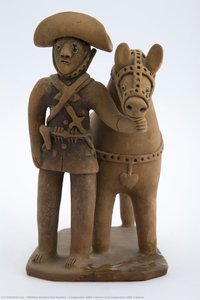
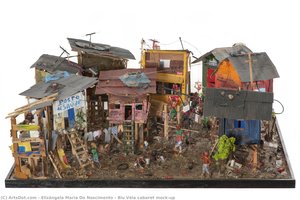
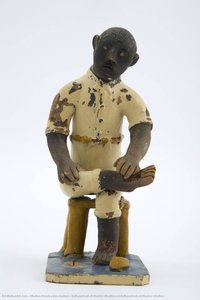
The museum’s collection serves as a panoramic window into the soul of the region, boasting an astonishing array of nearly 16,600 items that illuminate the plurality of Brazilian identity. Within its halls, one finds the ethnographic treasures of Indigenous communities—intricate textiles and ritualistic objects that offer invaluable insights into a pre-colonial past. These are juxtaposed with the captivating beauty of popular art, where vibrant murals, ceramics, and the iconic popular cloth dolls showcase the creative pulse of the people. Perhaps most evocative is the Sugar Museum wing, which meticulously chronicles the transformative, often turbulent impact of sugarcane cultivation. Here, detailed reconstructions of Casa Grandes and Senzalas allow visitors to walk through the architectural manifestations of a social hierarchy that shaped the nation, presenting a raw and honest look at the daily lives of those who lived through this pivotal era.
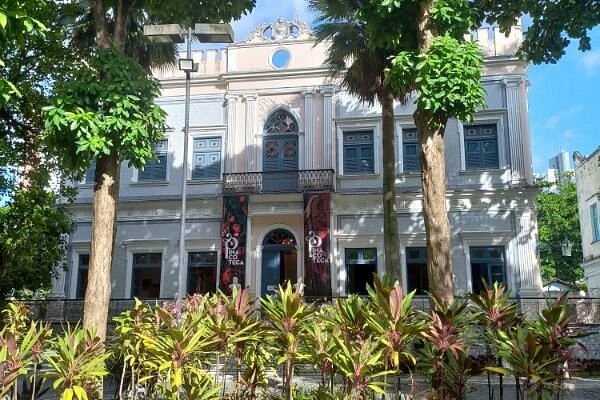
The architecture of the museum, designed by Carlos Antônio Falcão Correia Lima in the historic Casa Forte neighborhood, acts as a physical reflection of its thematic depth. The building achieves a masterful harmony between historical colonial Baroque influences and contemporary design principles. Large, sweeping windows flood the galleries with natural light, creating an immersive atmosphere that invites quiet contemplation and illuminates the textures of the exhibits. This architectural dialogue reinforces the museum's central theme of cultural continuity, bridging the gap between the ancestral and the modern. It is a space where the structural elegance of the past meets the transparency of the present, much like the very culture it seeks to preserve.
What truly distinguishes the Museum of the Man of the Northeast is its commitment to a nuanced, localized understanding of history, prioritizing regional voices over grand nationalistic narratives. The museum does not merely observe; it actively participates in the preservation of intangible heritage, such as oral traditions and artisanal crafts, ensuring that the artistry of the Northeast continues to thrive. Through rotating exhibitions that explore themes of migration, identity, and social transformation, the institution fosters a vital dialogue between the past and the present. For the art lover or the collector of cultural history, the museum offers an unparalleled encounter with the authentic essence of Brazil—a place where every object tells a story of survival, creativity, and the enduring strength of the human spirit.