Early Life & Artistic Foundations: A Self-Taught Visionary
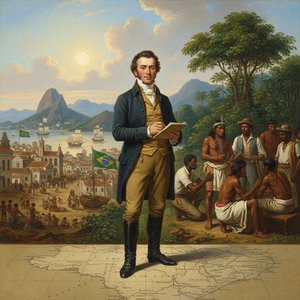
Benedito Calixto de Jesus (14 October 1853 – 31 May 1927) was a Brazilian painter. His works usually depicted figures from Brazil and Brazilian culture, including a famous portrait of the bandeirante Domingos Jorge Velho in 1923, Proclamation of the ...
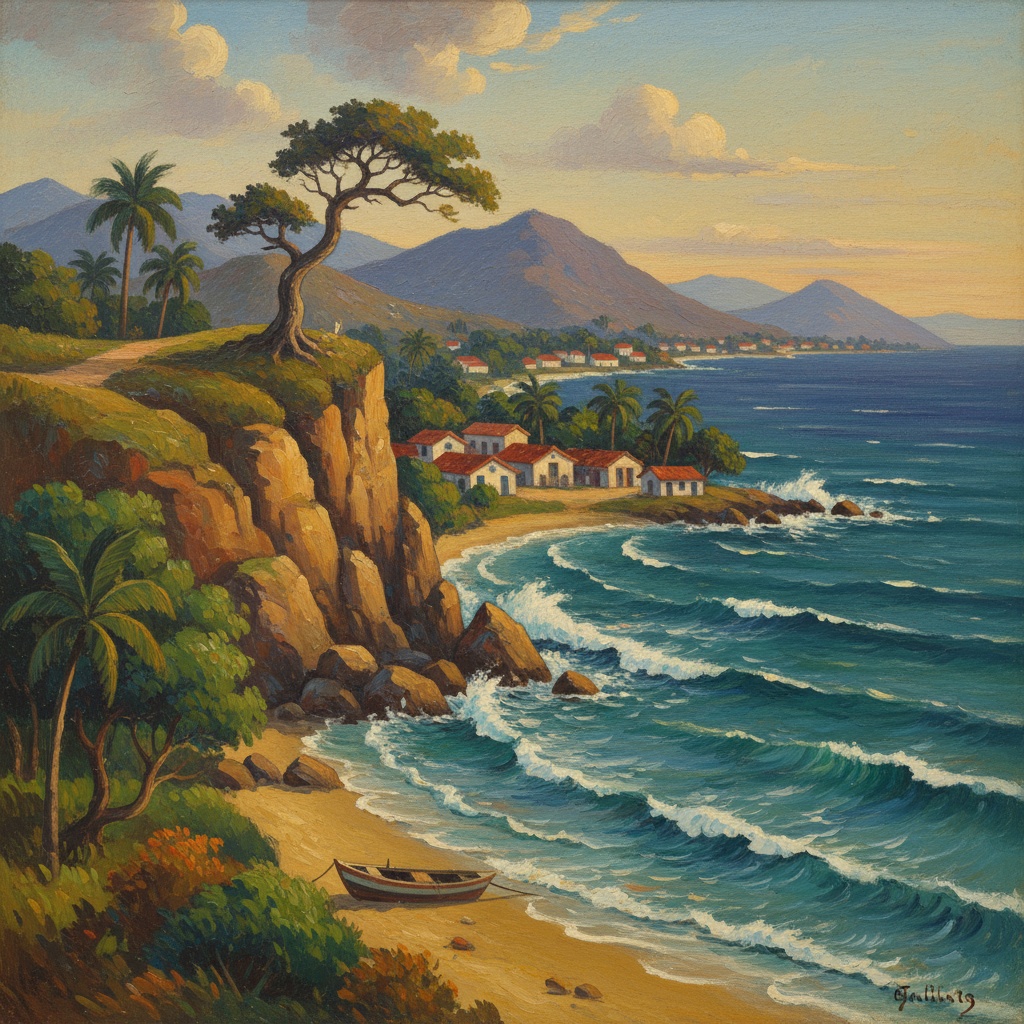
Benedito Calixto de Jesus, born in 1853 in the coastal town of Itanhaém, Brazil, represents a fascinating figure within the burgeoning art scene of late 19th and early 20th century Brazil. Unlike many artists of his era who benefited from formal training – often in European academies – Calixto’s artistic journey was remarkably self-directed. From a young age, he displayed an innate talent for sketching, beginning at the tender age of eight. This early inclination wasn't nurtured within the walls of a school but rather blossomed through observation and dedicated practice. His initial struggles to establish himself in Santos – painting walls and creating advertising signs – speak volumes about his determination and resourcefulness. These humble beginnings, however, laid the groundwork for a unique artistic voice that would eventually capture the essence of Brazilian life and landscape.
The São Paulo Coast & The Rise of Coastal Scenes
 Vincent van Gogh
Discover Benedito Calixto, a Brazilian painter renowned for portraits & coastal scenes. Explore his unique patronage system & iconic works like the Bandeirante portrait.
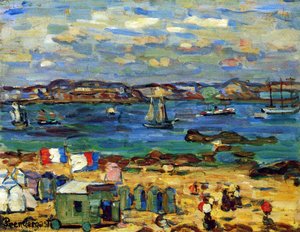
Calixto’s early work centered on the captivating beauty of the São Paulo coastline. Moving to Santos in his late teens, he found inspiration in the bustling port city and its surrounding natural splendor. He quickly gained recognition for his depictions of coastal life – scenes brimming with activity, vibrant colors, and a palpable sense of place. His paintings weren’t merely representations; they were imbued with an emotional resonance that resonated deeply with the local populace. This period saw him undertaking decorative work within the opulent Guarany Theatre in Santos, a commission that not only provided financial stability but also afforded him the opportunity to hone his skills and refine his technique. The success of this project led to a pivotal moment: a scholarship enabling him to study in Paris.
Patronage and the Bandeirante Portrait: Shaping a National Narrative
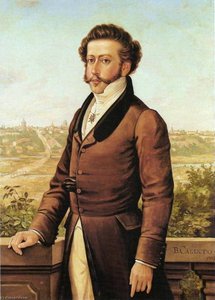
Calixto’s time in Paris, though valuable for exposure to European artistic trends, didn't fundamentally alter his core aesthetic. He returned to Brazil with a renewed sense of purpose, but crucially, he maintained an independent path, largely due to the unusual nature of his patronage. Unlike many artists reliant on state commissions, Calixto cultivated a relationship with a single, dedicated patron who provided consistent support throughout his career. This allowed him artistic freedom and enabled him to pursue projects that aligned with his own vision. Perhaps the most iconic result of this independence is the 1923 portrait of Domingos Jorge Velho, a legendary *bandeirante* – a member of the pioneering explorer-colonists of Brazil’s interior. This painting transcends mere portraiture; it's a powerful symbol of Brazilian history and national identity, depicting the bandeirante as a rugged hero embodying courage and determination. The work is not simply a historical record but an interpretation that helped shape the collective memory of this complex figure.
Calixto's Place within Brazilian Modernism: Tradition and Innovation
Modernism in Brazil was a broad cultural movement that strongly affected the art scene and Brazilian society in the first half of the 20th century, especially in the fields of literature and the plastic arts. It was inspired by the cultural and artis...
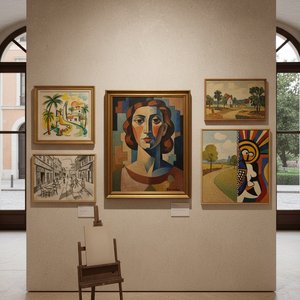
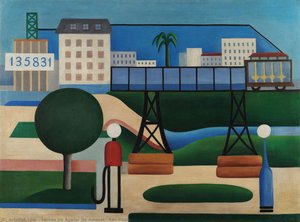
Positioning Calixto within the broader context of Brazilian Modernism requires nuance. While the 1922 Modern Art Week is often cited as the movement’s starting point, Calixto’s work predates this watershed moment and occupies a fascinating space between tradition and innovation. He wasn't an avante-garde radical in the same vein as some of his contemporaries; instead, he synthesized European influences with distinctly Brazilian themes and techniques. His commitment to depicting recognizable scenes – landscapes, portraits, everyday life – contrasted with the more abstract explorations favored by other Modernists. However, his use of light, color, and composition demonstrated a sophisticated understanding of artistic principles, and his focus on national subjects aligned perfectly with the movement’s broader goal of valorizing Brazilian culture. He embraced photography as an aid to painting, pioneering its use in Brazil and demonstrating a willingness to experiment with new technologies.
Os Falquejadores and the Depiction of Rural Life
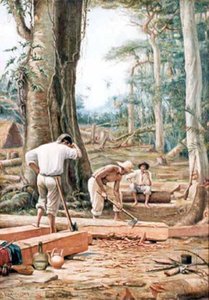 Os Falquejadores
Discover 'Os Falquejadores' by Benedito Calixto – a captivating 1905 Brazilian painting of forest workers. Explore this evocative work & the artist’s legacy.
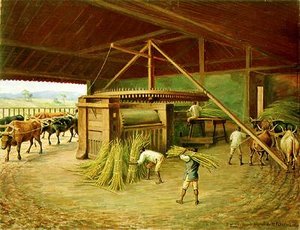
Paintings like “Os Falquejadores” (The Forest Workers), created in 1905, offer a compelling glimpse into Calixto’s ability to capture the realities of rural Brazilian life. The scene depicts a group of men engaged in the arduous task of felling trees – a physically demanding and often dangerous occupation. What sets this work apart is not simply its subject matter but also the artist's empathetic portrayal of these laborers. He doesn’t romanticize their existence; instead, he presents them with dignity and respect, highlighting their strength and resilience. The painting’s evocative atmosphere—the dense forest, the play of light and shadow—creates a sense of immersion, drawing the viewer into the world of these workers. It's a testament to Calixto’s skill as a storyteller and his ability to imbue even seemingly mundane scenes with profound meaning.
Legacy and Enduring Influence: A Painter of Brazil’s Soul
Benedito Calixto de Jesus left behind an impressive body of work – approximately 1,700 paintings, of which over 700 are catalogued. His dedication to depicting Brazilian figures, landscapes, and culture cemented his place as a significant figure in the nation's artistic history. He was more than just a painter; he was a historian, a writer, and a photographer – a true polymath who sought to capture the essence of Brazil through multiple mediums. His paintings continue to resonate with audiences today, offering a window into a bygone era and a powerful reminder of the country’s rich cultural heritage. His legacy extends beyond his individual works; he inspired generations of Brazilian artists to embrace their national identity and celebrate the beauty and complexity of their homeland. ArtsDot offers high-quality reproductions of Calixto's masterpieces, allowing art enthusiasts worldwide to experience the captivating vision of this remarkable painter.