 Preview
 Send
Send Share
Share
 Details

 Download
 Similars
 X-Ray
X-Ray Diaporama
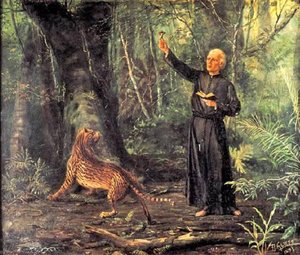
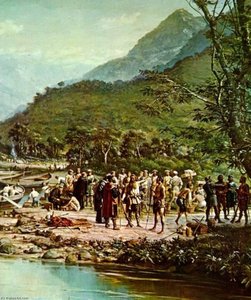
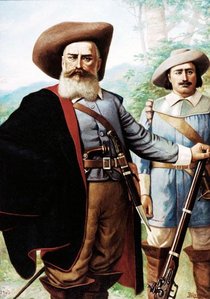
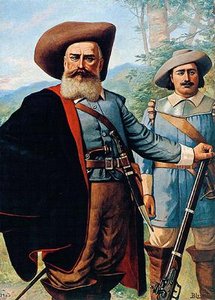
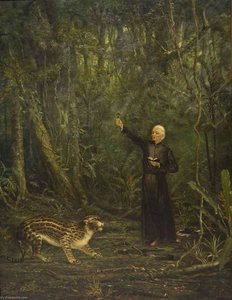
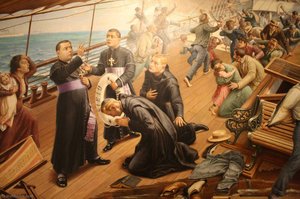
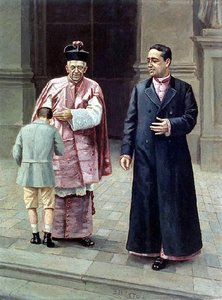
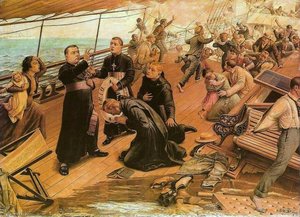
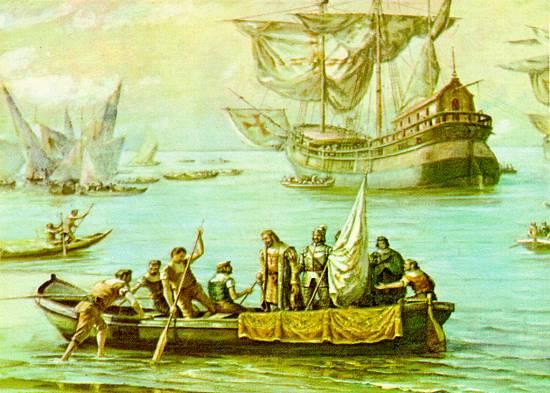
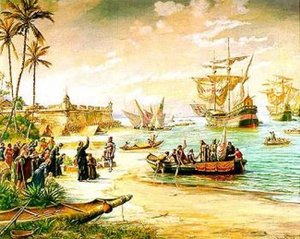
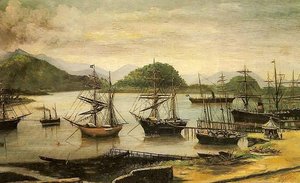
Português Estácio de Sá em São Vicente, 1565 (detalhe) English Estácio de Sá in São Vicente, 1565 (detail)

 Read More
Hand Made Oil Reproduction
Hand-painted oil on canvas in your size and frame, made to order by our artists. ( Buy Print Buy Image)




































Pick from our preset sizes that match the artwork's original proportions.

You may enter your own dimensions to fit a specific frame or space. If your selected size does not match the original image's proportions, we will either crop the artwork or extend the painting with additional hand-painted elements. A digital mockup will be sent for your approval before production begins.
Please note that the on-screen preview does not reflect the actual cropping or extension. Only the mockup will accurately show the final composition.
While custom sizes are available, we recommend selecting a dimension from the predefined list to preserve the original proportions.
After order, ArtsDot.com team will email client for instructions and provide a mockup preview
Worldwide Delivery () in 3/4 weeks instead of standard 5 weeks. (16 August). No compromise on quality.

Free Worldwide Express Shipping

High-Quality Linen Canvas

Full Shipping Insurance

Customs Tax Refund Guarantee

True Color Matching Guarantee

60-Day Return Policy (Defects Only)

100% Money-Back Guarantee

Bulk Discount Offer
 Glass option is only available in size under 110 CM

Português Estácio de Sá em São Vicente, 1565 (detalhe) English Estácio de Sá in São Vicente, 1565 (detail)
Reproduction Medium
Reproduction Size
-


Total Price
$ 288
Related Artworks
Artist Biography
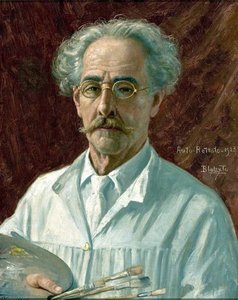
A Brushstroke of Brazilian Identity: The Life and Legacy of Benedito Calixto
Benedito Calixto de Jesus, born in Itanhaém, Brazil, on October 14th, 1853, was more than just a painter; he was a chronicler of a nation undergoing profound transformation. His life unfolded during a period of immense social and political upheaval in Brazil – the waning years of the Empire, the proclamation of the Republic, and the burgeoning stirrings of modernism. Unlike many artists of his time who relied on state patronage, Calixto forged an independent path, securing support from private collectors who recognized the unique power of his vision. This autonomy allowed him to pursue subjects deeply rooted in Brazilian culture and history, free from the constraints of official narratives. His canvases became windows into a world often overlooked by academic circles – the lives of ordinary people, the landscapes of São Paulo’s coastline, and the heroic tales of the *bandeirantes*, the pioneering explorers who shaped the country's interior.Early Years and Artistic Formation
Details surrounding Calixto’s formal artistic training remain somewhat elusive. He did not benefit from extensive schooling in European academies, a common trajectory for Brazilian artists of the 19th century. Instead, his skills were honed through diligent self-study and observation. Early works reveal a fascination with realism, meticulously capturing details of everyday life. This early period was marked by portraits of local figures and scenes depicting rural Brazil. He quickly developed a distinctive style characterized by vibrant colors, dynamic compositions, and an almost palpable sense of atmosphere. While influenced by European artistic trends, Calixto’s work never fully succumbed to foreign aesthetics; it retained a distinctly Brazilian sensibility, reflecting the unique light, textures, and spirit of his homeland.The Coastal Scenes: A Celebration of São Paulo
Calixto is perhaps best known for his evocative depictions of the São Paulo coastline. These paintings are not merely topographical representations; they are imbued with a romantic sensibility that captures the beauty and vitality of the region. Works like “English Itararé Beach (São Vicente)” showcase his mastery of light and color, depicting boats gently bobbing on the waves, birds soaring overhead, and figures enjoying the simple pleasures of coastal life. He wasn’t simply painting *what* he saw but *how* it felt to be present in these spaces – the warmth of the sun, the salty air, the rhythmic sound of the ocean. These scenes resonated deeply with a growing sense of national pride, offering a glimpse into the natural beauty and cultural richness of Brazil.The Bandeirante Portraits: Myth and History
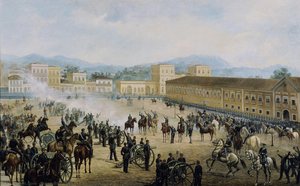
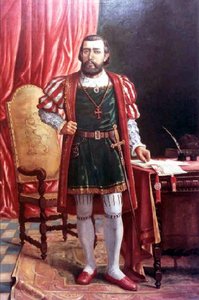
Calixto’s most iconic work is undoubtedly his 1923 portrait of Domingos Jorge Velho, a legendary *bandeirante*. This painting transcends mere representation; it's an attempt to capture the very essence of Brazilian heroism. The figure of Velho is depicted as a rugged and determined explorer, embodying courage, resilience, and a pioneering spirit. However, Calixto’s portrayal wasn’t uncritical. He acknowledged the complex legacy of the *bandeirantes*, recognizing their role in both exploration and exploitation. This nuanced approach – celebrating national heroes while acknowledging historical complexities – is a hallmark of his artistic vision. The portrait became a powerful symbol of Brazilian identity, adorning public spaces and shaping popular perceptions of the country’s past. He also painted “Proclamation of the Brazilian Republic” in 1893, another important work that shows his interest in key moments of Brazil's history.Legacy and Historical Significance
Benedito Calixto passed away on May 31st, 1927, leaving behind a rich artistic legacy. His paintings continue to captivate audiences with their vibrant colors, dynamic compositions, and evocative depictions of Brazilian life. He stands as a pivotal figure in the transition from academic realism to modernism, bridging the gap between traditional techniques and a distinctly national aesthetic. His unique patronage system, relying on private collectors rather than state commissions, allowed him artistic freedom and enabled him to pursue subjects that resonated deeply with his own vision. Calixto’s work is not simply a record of the past; it's an enduring celebration of Brazilian identity, culture, and history. His paintings offer a glimpse into a world often overlooked by official narratives, reminding us of the power of art to shape our understanding of ourselves and our place in the world.- His work is displayed at several museums including Belém Museum of Art
- He painted scenes from São Paulo’s coastline.
- He was a Brazilian painter born in 1853.
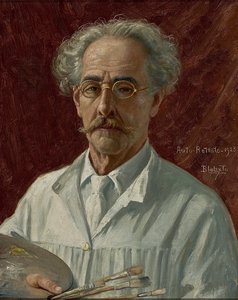
Benedito Calixto
1853 - 1927 , Brazil
Quick Facts
- Artistic Movement Or Style: Post-Impressionism
- Artists Or Movements Influenced By This Artist:
- Fauves
- Expressionism
- Artists Who Influenced This Artist: ['Jean-François Millet']
- Date Of Birth: March 30, 1853
- Date Of Death: July 29, 1890
- Full Name: Vincent Willem van Gogh
- Nationality: Dutch
- Notable Artworks:
- Sunflowers
- Bedroom in Arles
- Starry Night
- Wheatfield with Crows
- Place Of Birth: Ghent, Netherlands
Related Articles
Benedito Calixto: A Brazilian Modernist's Landscape of Memory & National Identity
Explore the captivating world of Benedito Calixto, a pivotal Brazilian Modernist painter. Discover his iconic landscapes, the story behind the famous Bandeirante portrait, and his lasting impact on Brazilian national identity. Learn more at ArtsDot.
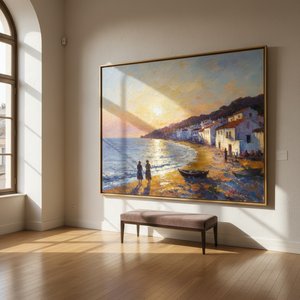
Manuel Benedito Vives: A Study of Light, Color & Emotional Resonance in Contemporary Spanish Painting
Explore the captivating world of Manuel Benedito Vives, a celebrated Spanish painter influenced by Sorolla. Discover his masterful portraits, luminous landscapes & enduring legacy – a favorite of the Spanish Royal Family. Art collectors will appreciate this in-depth study.
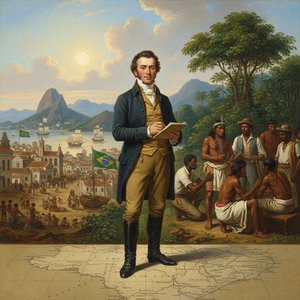
Jean-Baptiste Debret: Witnessing Brazil’s Emergence Through Art & Identity
Explore the captivating art of Jean-Baptiste Debret, a key witness to Brazil’s imperial era. Discover his iconic portraits, historical scenes & insightful depictions of Brazilian life. Learn about his legacy and find museum-quality reproductions at ArtsDot.
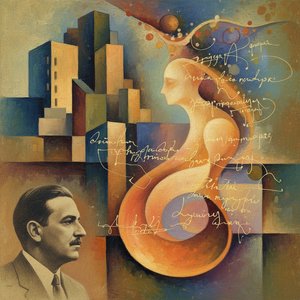
Alceu de Paula Penna: A Synthesis of Brazilian Modernism & Poetic Abstraction
Explore the captivating world of Alceu de Paula Penna, a pivotal figure in Brazilian Modernism. Discover his innovative concrete poetry & influence on Latin American art history. Expert insights for collectors.
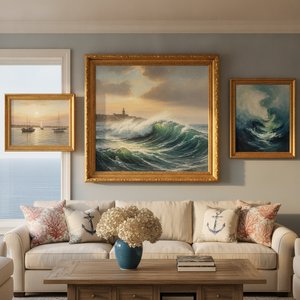
Bring the Ocean Home: Captivating Maritime Paintings to Transform Your Space with Timeless Elegance
Transform your home with breathtaking maritime oil paintings. From serene seascapes to dramatic nautical scenes, discover hand-painted reproductions that bring the ocean's soul to your space. Expertly crafted for collectors seeking timeless elegance and coastal tranquility.