
Debret’s Early Life & Neoclassical Foundations: A Parisian Apprenticeship
Jean-Baptiste Debret, born in Paris in 1768, emerged from a milieu steeped in artistic tradition. Though his name might not resonate with the immediate recognition of a David or Ingres, Debret's journey represents a fascinating intersection of academic rigor and adventurous spirit—a path that ultimately led him to become one of the most important visual chroniclers of Brazil’s formative years. His initial training under Jacques-Louis David, a cousin by marriage, proved foundational. David’s emphasis on precise draftsmanship, historical accuracy, and moralizing narratives instilled in Debret a commitment to classical principles. This early exposure wasn't merely technical; it was an immersion into the prevailing aesthetic of the French establishment, one that valued order, clarity, and civic virtue. Debret excelled, winning second prize at the Salon des Beaux Arts in 1798—a testament to his burgeoning talent. However, the tumultuous political landscape of post-revolutionary France would soon propel him onto an unexpected trajectory, far beyond the familiar studios of Paris.
The French Artistic Mission & Arrival in Brazil: Shaping a New Aesthetic
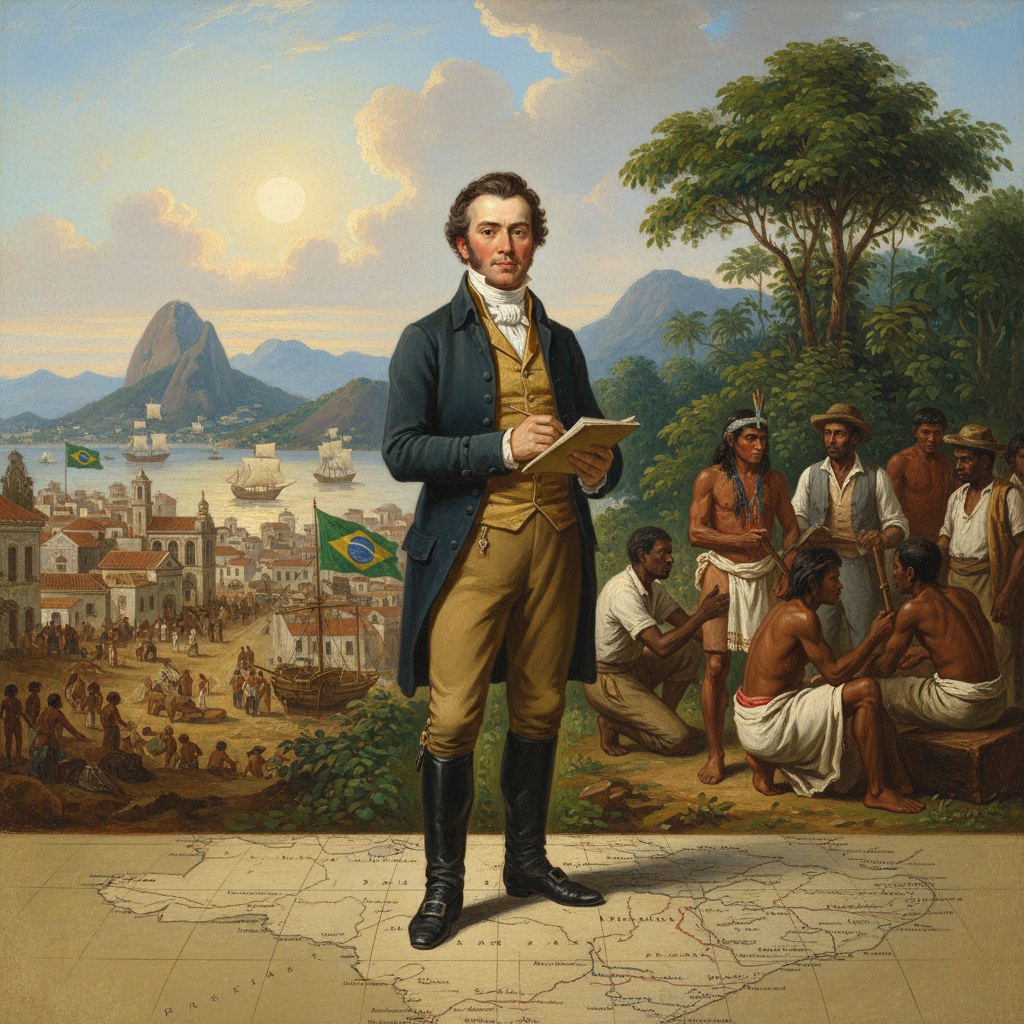
The fall of Napoleon and the subsequent restoration of the Bourbon monarchy brought significant shifts to the artistic world. In 1816, Debret joined the *Missão Artística Francesa* (French Artistic Mission), a carefully curated group dispatched to Rio de Janeiro under the patronage of King João VI. The mission’s stated goal was ambitious: to establish an arts academy and introduce European Neoclassical standards to Brazil. This wasn't simply about exporting artistic styles; it was a deliberate attempt to cultivate a sense of cultural legitimacy for the newly established Brazilian empire. Debret, along with other artists like Rugendas, found himself tasked with not only teaching but also documenting this nascent nation—its landscapes, its people, and its burgeoning identity. The arrival in Rio marked a profound turning point; he was no longer painting scenes from European history but witnessing and recording the unfolding drama of Brazil’s transformation.
Documenting Imperial Grandeur: Debret's Portraits and Ceremonial Scenes
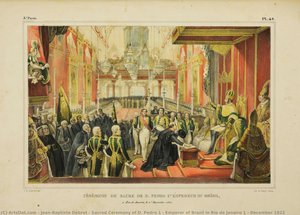 Sacred Ceremony of D. Pedro 1 ° Emperor of Brazil in Rio de Janeiro 1 ° December 1822
1839 lithograph by Debret depicting Emperor Pedro I’s coronation ceremony in Rio de Janeiro. A detailed, formal illustration of Brazilian history & imperial grandeur.
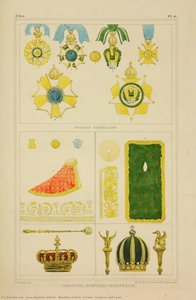
Initially commissioned by the Portuguese court, and later by the imperial regime under Dom Pedro I, Debret became a favored painter of portraits. These weren’t merely likenesses; they were carefully constructed statements of power and prestige. His portrait of King João VI, for example, echoes the grand tradition of Napoleonic iconography—a deliberate attempt to imbue the Brazilian monarchy with similar authority. However, it was his depictions of ceremonial events that truly cemented his reputation. *The Sacred Ceremony of D. Pedro I’s Coronation in Rio de Janeiro* (1839) is a masterpiece of formal composition and meticulous detail. The lithograph captures the opulence and solemnity of the occasion, showcasing the newly crowned emperor surrounded by dignitaries and symbols of imperial power. Similarly, *View of the Largo do Palácio at the day of the acclamation of John VI* offers a vibrant snapshot of public life, revealing the enthusiastic reception afforded to the king. These works weren’t simply historical records; they were carefully crafted narratives designed to legitimize the new order and project an image of stability and prosperity.
Beyond the Elite: Depicting Everyday Life and Brazilian Society
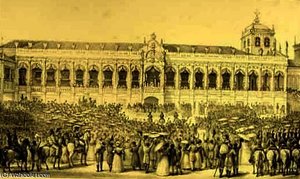 View of the Largo do Palácio at the day of the acclamation of John VI
Witness history! Jean-Baptiste Debret’s "View of Largo do Palácio" captures a vibrant Brazilian acclamation. A stunning 19th-century painting – exquisite detail & historical significance.
While Debret fulfilled his official duties with skill and precision, it was his independent explorations that truly set him apart. He ventured beyond the confines of courtly life, sketching street scenes, local customs, and the lives of ordinary Brazilians. He developed a keen interest in the diverse population—from the indigenous communities to the enslaved Africans who formed a significant part of Brazilian society. This fascination wasn’t without its complexities; his depictions often reflected the prevailing social biases of the time. However, he also sought to capture the dignity and resilience of those marginalized by the empire. His work provides invaluable insights into the daily realities of life in Brazil—the bustling markets, the religious processions, the hardships endured by enslaved people. These scenes, rendered with a remarkable degree of sensitivity and detail, offer a counterpoint to the idealized portrayals of imperial grandeur.
Voyage Pittoresque et Historique au Brésil: Legacy and Lasting Impact
Upon his return to France in 1831, Debret embarked on an ambitious project: *Voyage Pittoresque et Historique au Brésil* (Picturesque and Historical Voyage to Brazil), a three-volume series of engravings published between 1834 and 1839. This monumental work became his defining achievement—a comprehensive visual record of Brazilian life, encompassing portraits, landscapes, scenes of everyday life, and detailed ethnographic studies. Despite the meticulous research and artistic skill evident in the engravings, the publication wasn’t a commercial success. The French public, perhaps preoccupied with its own internal affairs, showed limited interest in this distant empire. Nevertheless, *Voyage Pittoresque* remains an invaluable historical resource—a testament to Debret's dedication to documenting a nation undergoing profound transformation. It provided Europeans with their first detailed glimpses of Brazil and continues to inform our understanding of the country’s complex past.
Debret’s Complex Perspective: Slavery, Indigenous Cultures & Artistic Observation
Debret’s legacy is not without its nuances. While he documented the horrors of slavery—depicting enslaved people subjected to brutal conditions—his perspective was often filtered through a European lens. His illustrations sometimes romanticized indigenous cultures, portraying them as “noble savages” untouched by civilization. It's crucial to acknowledge these complexities when evaluating his work. Debret wasn’t simply an objective observer; he was a product of his time and social context. However, his willingness to depict the realities of slavery—even if imperfectly—was remarkable for its era. His detailed observations of indigenous customs, while sometimes stereotypical, provide valuable insights into their way of life. Ultimately, Debret's art serves as a powerful reminder of the challenges inherent in representing other cultures and the importance of critically examining historical narratives. His work continues to inspire scholars and artists alike, offering a unique window into a pivotal moment in Brazilian history.