

 Preview
 Send
Send Share
Share
 Details

 Download
 Similars
 X-Ray
X-Ray Diaporama
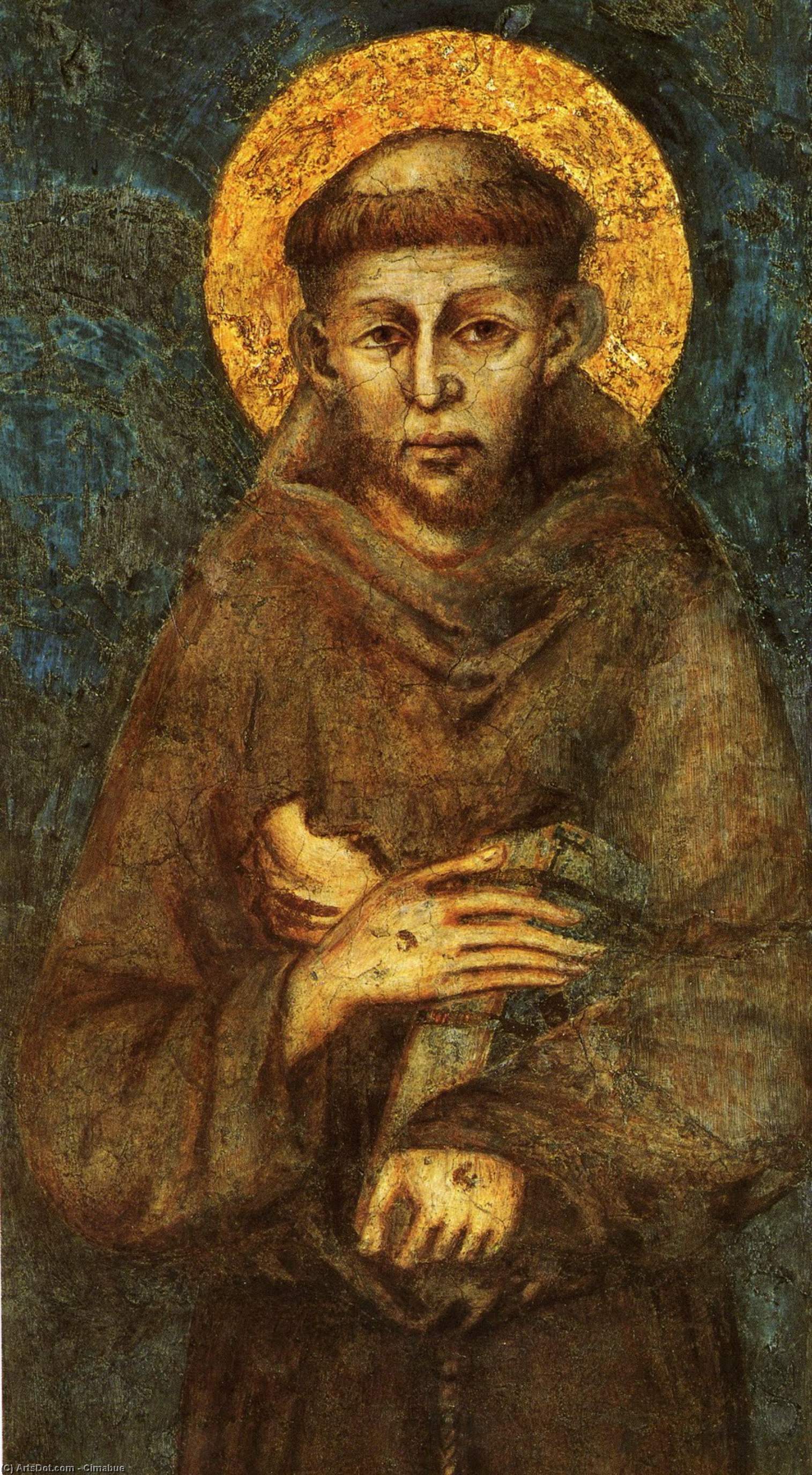
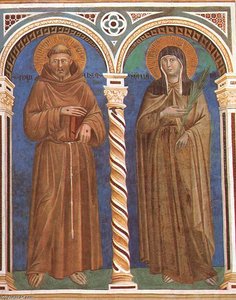
Saint Francis of Assisi (detail)

 Read More
Purchase a high-resolution, enhanced digital image, far superior to the online preview.
Each file is meticulously prepared by our in-house specialists using advanced tools and expert manual retouching. We ensure every image has exceptional clarity, precise color accuracy, and fine detail.
The final file is delivered via email within 72 hours, optimized for immediate use in professional, editorial, and print environments. This is the same quality trusted by top-tier design studios, publishers, and galleries.
Digital Image
Download a high-resolution file for personal display, printing, and creative projects. ( Buy Print Buy Hand Made Painting)
Included in Every Digital Image Order
Expert Digital Delivery, Guaranteed
When you choose ArtsDot.com, you're not just getting an image - you're receiving a professionally enhanced digital artwork, crafted with precision and backed by a satisfaction guarantee. Here's everything that comes with your order, automatically:

Fast Email Delivery
Your high-resolution digital image file will be emailed to you within 72 hours of ordering - ready for immediate use.

AI-Enhanced Digital File
Your artwork is professionally optimized using advanced AI tools and manual editing, ensuring maximum detail, clarity, and color accuracy.

Free Lifetime Re-Delivery
Accidentally deleted or lost your file? No worries - we'll resend it to you anytime, free of charge.

No Import Fees - Ever
Enjoy your artwork instantly with zero customs, duties, or delivery fees - digital downloads are always tax-free.

Color Accuracy Guarantee
We ensure your digital image reflects the original colors as closely as possible using professional tools and color management.

60-Day Satisfaction Guarantee
If you're not satisfied with your digital image, we'll revise it or refund 100% within 60 days - no questions asked.

100% Money-Back Guarantee
Not satisfied? Get a full refund within 60 days of receiving your digital file - no questions asked.

Bulk Order Discounts
Buy 3 images, save 10% - Buy 5, save 15% - Buy 10+, save 20%. Great for creative projects, galleries, and agencies.
Collectible Description
A Moment of Serenity: Unveiling Cimabue’s Saint Francis
Cimabue's “Saint Francis of Assisi (detail)” isn’t merely a depiction of a religious figure; it’s a poignant encapsulation of the burgeoning humanism that would soon define the Italian Renaissance. Painted around 1285-1290, this intimate scene captures a tender moment – the embrace between Saint Francis and a young child, radiating an almost palpable serenity. The work stands as a crucial testament to Cimabue’s role in transitioning Western art away from the rigid formality of Byzantine iconography towards a more naturalistic and emotionally resonant style. It's a deceptively simple composition, yet brimming with subtle complexities that invite prolonged contemplation.

The painting’s foundation lies firmly within the Byzantine tradition, evident in the stylized rendering of Saint Francis himself – his haloed head, the rich brown robe, and the careful attention to detail in his posture. However, even here, Cimabue demonstrates a nascent desire for greater realism. The baby held in his arms isn't rendered with the same idealized perfection as the saint; instead, it possesses a quiet vulnerability that subtly shifts the focus towards human connection. The book he holds – a symbol of Francis’s renunciation of worldly possessions and dedication to scripture – further reinforces this evolving narrative.
Byzantine Roots, Renaissance Seeds
Cimabue's journey as an artist is inextricably linked to his Florentine origins and the legacy of Giotto di Bondone, who had spent time studying in Constantinople. Cimabue’s early works were heavily influenced by Byzantine models, characterized by flattened perspectives, hierarchical scale (where important figures dominate the composition), and a preference for gold leaf and vibrant colors. Yet, he wasn't content to simply replicate these established conventions. He began experimenting with techniques that would eventually pave the way for Giotto’s revolutionary innovations – particularly in his use of space and the depiction of human emotion.
The painting’s color palette is rich and luminous, dominated by deep browns, blues, and golds. Cimabue masterfully employs *tempera*, a fast-drying paint that allowed for meticulous detail work. Notice the intricate brushstrokes – each one contributing to the texture of the robe, the folds of the fabric, and the delicate features of the child. The background is rendered in a characteristic Byzantine style, with receding architectural forms creating a sense of depth, albeit subtly.
Symbolism and Spiritual Resonance
Beyond its aesthetic qualities, “Saint Francis of Assisi (detail)” carries profound symbolic weight. The act of embracing a child represents the core tenets of Francis’s spirituality – compassion, humility, and a deep love for humanity. The book symbolizes his commitment to a life devoted to God and the dissemination of His word. The scene itself embodies the essence of Franciscan ideals: a rejection of material wealth in favor of spiritual devotion and a profound connection with the vulnerable and marginalized.
Furthermore, this particular depiction of Saint Francis is significant because it’s one of the earliest known realistic portrayals of the saint. Prior to Cimabue, Francis was often depicted in an abstract, symbolic manner. Cimabue's decision to capture a recognizable human figure – with his slightly protruding ears and earnest expression – marked a pivotal moment in the artistic representation of this influential religious leader.
A Legacy of Transition
“Saint Francis of Assisi (detail)” is more than just a beautiful painting; it’s a window into a transformative period in Western art history. Cimabue's work represents a crucial bridge between the Byzantine world and the burgeoning innovations of the Renaissance, demonstrating his courage to challenge artistic conventions and lay the groundwork for future generations of artists. Reproductions of this captivating artwork offer a tangible connection to this pivotal moment, allowing us to appreciate both the enduring beauty of Byzantine art and the nascent promise of a new era in Italian painting.
Related Artworks
![Life Of Saint Francis - [01] - Stigmatization Of Saint Francis — Giotto Di Bondone, Early Renaissance](/media/artworks/images/thumbnails/68/e7/68e773fce913428a98b163c2afe68ed8.jpg)
![Legend Of St Francis - [24] - Canonization Of St Francis — Giotto Di Bondone, Gothic](/media/artworks/images/thumbnails/46/25/46258ba5eea24e14b12f138b9d3f90a3.jpg)
![Life Of Saint Francis - [04] - Death And Ascension Of St Francis — Giotto Di Bondone, Italian Renaissance](/media/artworks/images/thumbnails/e8/b6/e8b63a7fcb4a42ab89d26ae343d6f757.jpg)
![Life Of Saint Francis - [06] - St Francis Before The Sultan — Giotto Di Bondone, Proto-renaissance](/media/artworks/images/thumbnails/e8/8e/e88ea137fc8843c6ab4fc916ca4f230d.jpg)
Artist Biography
The Florentine Dawn: Cimabue and the Transition from Byzantium
Giovanni Cimabue, born Cenni di Pepo around 1240 in Florence, stands as a monumental figure—a bridge between the established artistic traditions of the Byzantine world and the burgeoning innovations that would define the Italian Renaissance. His life, though partially obscured by time and romanticized accounts – most notably those penned by Giorgio Vasari centuries later – marks an undeniable turning point in Western art history. Cimabue wasn’t simply a painter; he was a courageous innovator who dared to subtly challenge artistic conventions, laying the groundwork for the revolutionary changes that would soon sweep across Italy. Even his nickname, believed to mean “bull-headed,” hints at a strong will and perhaps a rebellious spirit—qualities demonstrably present in his willingness to experiment with form and expression. He represents a crucial moment where art began to shift from being solely devotional imagery towards something more humanistic and emotionally resonant.Early Influences and Artistic Development
Initially immersed in the Italo-Byzantine style prevalent throughout Florence, Cimabue’s early work adhered closely to established aesthetic principles: flattened figures adorned with shimmering gold leaf, symbolic rather than realistic depictions of space, and a profound focus on religious iconography. However, even within these constraints, a nascent desire for naturalism began to emerge. He wasn't content merely replicating existing forms; he sought to imbue his paintings with a greater sense of life and emotional depth. While the precise nature of his early training remains debated, it’s likely he honed his skills within Florentine workshops, absorbing the techniques and influences of the time while simultaneously developing his own unique artistic voice. The Byzantine style, characterized by its formality and spiritual focus, provided him with a solid foundation, but Cimabue began to subtly introduce elements that would foreshadow the coming Renaissance—a greater attention to volume, more expressive facial features, and a nascent understanding of spatial relationships. This wasn’t a sudden break from tradition, but rather a gradual evolution, a delicate balancing act between honoring the past and embracing new possibilities.Masterpieces and Artistic Innovations
Cimabue's legacy is cemented through a series of breathtaking works that showcase his evolving style. The Maestà (Louvre), originally created for the Church of San Francesco in Pisa, stands as one of his most celebrated masterpieces. This monumental altarpiece exemplifies his mastery of composition and use of color, while simultaneously hinting at the shift away from rigid Byzantine conventions. The figures, though still possessing a degree of formality, exhibit a newfound sense of volume and presence. The Crucifixion (San Domenico, Arezzo), dating around 1270, is particularly significant as an early demonstration of his departure from strict Byzantine norms. Here, the proportions are more realistic, and the emotional weight of the scene is palpable—a stark contrast to the often-distant depictions found in earlier religious art. Further evidence of Cimabue’s innovative spirit can be seen in works like the Flagellation of Christ (Frick Collection), generally attributed to his workshop. This complex composition reveals an evolving understanding of perspective and spatial relationships, showcasing a growing interest in creating more immersive and believable scenes. His contributions weren't limited to panel paintings; Cimabue also excelled as a mosaicist, contributing significantly to the decoration of the Baptistery of Florence—though these mosaics have unfortunately suffered from deterioration over time.A Pivotal Teacher: Giotto and Beyond
Perhaps Cimabue’s most enduring legacy lies in his role as the teacher of Giotto di Bondone. While historical accounts vary regarding the exact nature of their relationship, it is widely accepted that Giotto received crucial training under Cimabue's guidance. However, Giotto would ultimately surpass his master, revolutionizing Italian painting with an even more radical embrace of naturalism and emotional realism. It’s a testament to Cimabue’s skill as a teacher that he fostered such talent, even knowing it might eclipse his own achievements. The story, often recounted by Vasari, of Giotto playfully painting a fly on Cimabue's face speaks volumes about the dynamic between master and pupil—a playful rivalry that ultimately pushed both artists to greater heights. Cimabue’s influence extended beyond Giotto, impacting numerous other artists of the period. He challenged the artistic norms of his time, demonstrating that art could be more than just religious symbolism; it could also reflect human emotion and experience. His willingness to experiment with form, proportion, and expression paved the way for the innovations of the Renaissance, establishing him as a crucial transitional figure in the history of Western art.Enduring Significance
Cimabue passed away in 1302 in Pisa, leaving behind a body of work that continues to captivate and inspire. Despite his significant contributions, details surrounding his later life remain scarce. However, his artistic legacy resonates powerfully through the works of his students and the evolution of Italian art. He represents a crucial step in the development of Western painting, moving away from the stylized conventions of the Byzantine era towards a more humanistic and naturalistic approach. His paintings are not merely historical artifacts; they are windows into a pivotal moment in artistic history—a time when artists began to question established norms and explore new possibilities. He was a pioneer, a visionary who dared to challenge the status quo and lay the foundations for the artistic brilliance that would define the Renaissance. Cimabue’s work reminds us that even within tradition, there is always room for innovation, and that true artistry lies in the courage to push boundaries and explore new horizons.
Cimabue
1240 - 1302 , Italy
Quick Facts
- Artistic Movement Or Style: Byzantine & Renaissance
- Artists Or Movements Influenced By This Artist:
- Giotto
- Duccio
- Artists Who Influenced This Artist:
- Giunta Pisano
- Coppo di Marcovaldo
- Date Of Birth: c. 1240
- Date Of Death: 1302
- Full Name: Giovanni Cimabue
- Nationality: Italian
- Notable Artworks:
- Maestà
- Crucifixion
- Flagellation of Christ
- Place Of Birth: Florence, Italy

