 Preview
 Send
Send Share
Share
 Details

 Download
 Similars
 X-Ray
X-Ray Diaporama
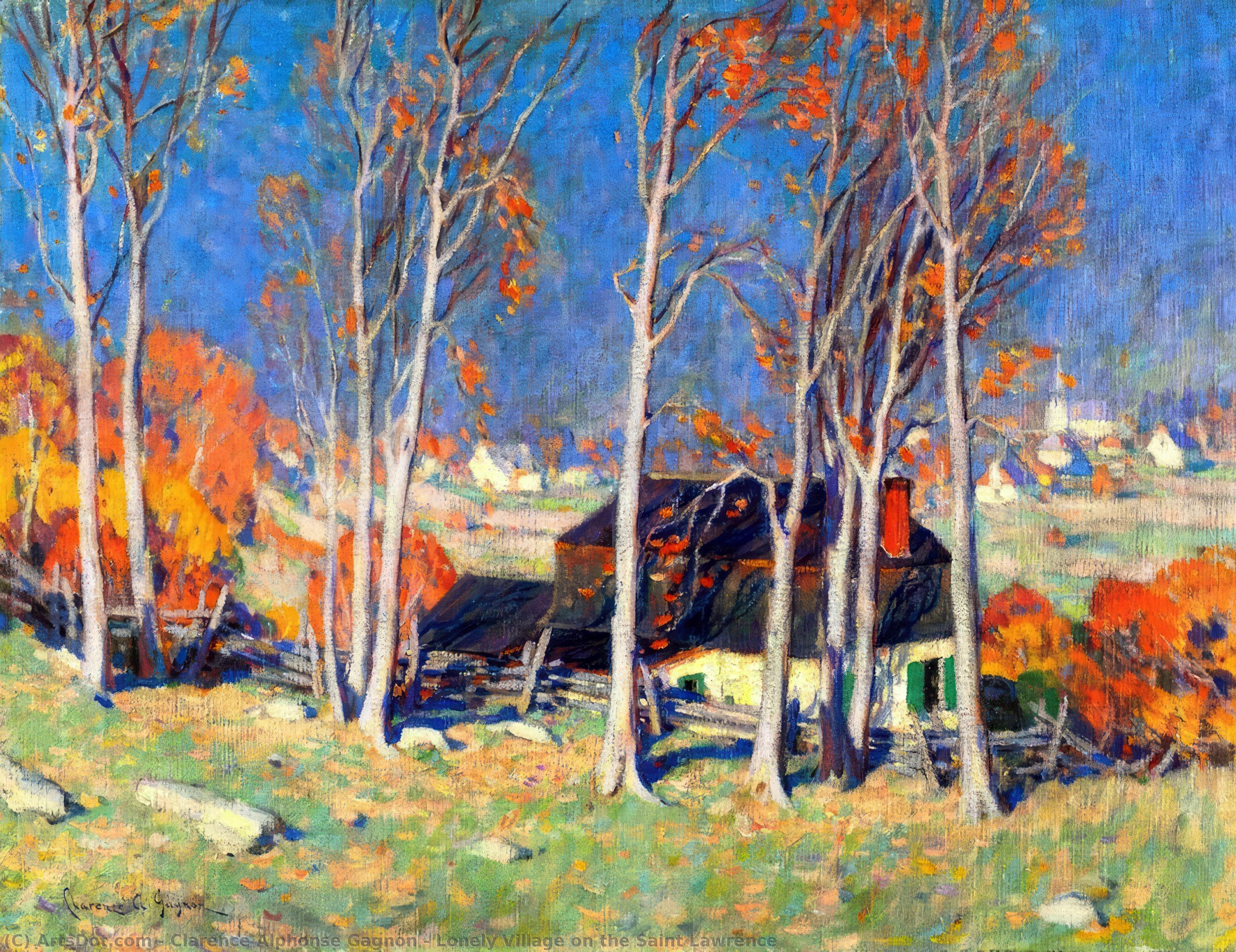
Lonely Village on the Saint Lawrence


 Read More
Giclée / Art Print
Museum-quality giclée or canvas print with fast production and flexible finish options. ( Buy Hand Made Painting Buy Image)




P118B $10

P118H $10

P118W $10

P438Z $10

P508JH $12

P508YH $12

P805H $10

P805Z $10

P919BZ $10

P919G $10

P919XJ $10

P959ZH $10

P968JZ $12

W106C $8

W218G $10

W218JH $8

W218Y $10

W307PJ $10

W316G $10

W316PJ $8

W316Y $10

W398PJ $8

W4111J $10

W500HY $15

W500JH $15

W692G $12

W849H $8

W940BG $15

W953PJ $8




Pick from our preset sizes that match the artwork's original proportions.

You may enter your own dimensions to fit a specific frame or space. If your selected size does not match the original image's proportions, we will either crop the artwork or extend the image with a mirrored or solid-fill edge. A digital mockup will be sent for your approval before production begins.
Please note that the on-screen preview does not reflect the actual cropping or extension. Only the mockup will accurately show the final composition.
While custom sizes are available, we recommend selecting a dimension from the predefined list to preserve the original proportions.
Worldwide Delivery () in 2 weeks instead of standard 4/5 weeks. (26 August)

Free Worldwide Express Shipping

High-Quality Linen Canvas

Full Shipping Insurance

Customs Tax Refund Guarantee

True Color Matching Guarantee

60-Day Return Policy (Defects Only)

100% Money-Back Guarantee

Bulk Discount Offer
 Glass option is only available in size under 110 CM

Lonely Village on the Saint Lawrence
Giclée / Art Print
Reproduction Size
-


Total Price
$ 63
Collectible Description
A Serene Encounter with the Quebecois Landscape
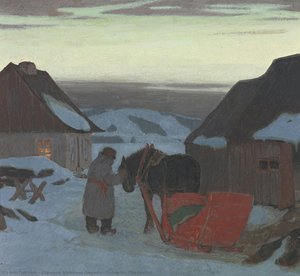
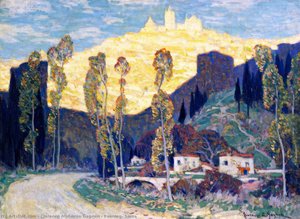
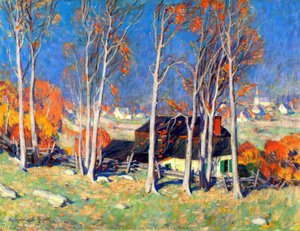
In the quietude of 1922, Clarence Alphonse Gagnon captured a moment of profound stillness in Lonely Village on the Saint Lawrence. This evocative masterpiece invites the viewer into a secluded corner of the Canadian wilderness, where the architecture of human habitation meets the untamed majesty of nature. The focal point of the composition is a stately house, its dark roof anchoring the scene with a sense of permanence and shelter. Surrounded by a lush tapestry of verdant trees, this central structure serves as a silent witness to the passage of time along the Saint Lawrence riverbanks. As one gazes upon the painting, there is an immediate sense of being transported to a bygone era, where the rhythm of life was dictated by the seasons and the gentle flow of the water.
The composition masterfully balances the intimacy of a small community with the vastness of the surrounding landscape. While the primary house commands attention, the subtle presence of other dwellings in the background suggests a shared existence—a quiet, interconnected way of life nestled within the folds of the earth. The artist uses the dense foliage not merely as a backdrop, but as a protective embrace, creating a sanctuary of tranquility. This interplay between the man-made and the organic evokes a deep sense of nostalgia, making it an ideal piece for those looking to introduce a feeling of peace and historical depth into a contemporary living space.
Mastery of Light and Impressionist Spirit
Gagnon’s technique in this work reflects his sophisticated training at the Académie Julian, blending a disciplined approach to form with the luminous qualities of the Impressionist movement. The sky, rendered in a clear, brilliant blue, provides a striking contrast to the deep greens and earthy tones of the village. This use of color is not merely descriptive but emotional; it breathes life into the canvas, suggesting a crisp, bright day where every leaf and roofline is kissed by light. The brushwork, while precise enough to define the structural integrity of the houses, possesses a soft, painterly quality that allows the atmosphere to feel palpable.
For the discerning collector or interior designer, this painting offers more than just visual beauty; it offers an atmospheric experience. The way the light interacts with the textures of the trees and the dark surfaces of the rooftops creates a dynamic visual interest that changes depending on the lighting of the room in which it is displayed. A high-quality reproduction of this work allows the subtle nuances of Gagnon’s palette to shine, bringing a sophisticated touch of Canadian heritage and a calming, pastoral elegance to any gallery wall or study.
A Legacy of Quiet Resilience
Beyond its aesthetic merits, Lonely Village on the Saint Lawrence carries the weight of historical significance. As a pivotal figure in Canadian art history, Gagnon had a unique ability to romanticize the rugged spirit of the Laurentians and Charlevoix regions without sacrificing their raw, honest character. This painting stands as a testament to the resilience of rural life in Quebec, portraying a world that is both solitary and deeply rooted. The "loneliness" suggested by the title is not one of sadness, but of a dignified, peaceful solitude—a retreat from the chaos of the modern world.
Investing in a reproduction of this work means bringing home a piece of the Canadian soul. It serves as a conversation starter, an anchor for room decor, and a window into a landscape that remains as captivating today as it was in 1922. Whether placed in a sunlit breakfast nook or a formal library, Gagnon’s vision of a tranquil village continues to inspire awe and a longing for the quiet beauty of the natural world.
Related Artworks
Artist Biography
A Life Immersed in the Canadian Landscape
Clarence Alphonse Gagnon, born in Montreal on November 8th, 1881, stands as a pivotal figure in Canadian art history—a painter who dedicated his life to capturing the ethereal beauty and rugged spirit of Quebec’s Laurentians and Charlevoix regions. His journey began with encouragement from his cultured English mother, fostering an early passion for drawing that would eventually blossom into a celebrated career. While his father envisioned a more conventional path, Gagnon's artistic inclinations were nurtured by figures like William Brymner at the Art Association of Montreal in 1897, who recognized his talent and urged him to seek further training abroad. This mentorship proved crucial, setting the stage for Gagnon’s formative years in Paris.Parisian Influences and Artistic Development
The allure of Paris beckoned, and from 1904 to 1905, Gagnon immersed himself in the vibrant artistic milieu of the Académie Julian, studying under Jean-Paul Laurens. This period was transformative, exposing him to Impressionism and Post-Impressionism—movements that would profoundly shape his aesthetic vision. He absorbed the techniques of capturing light and atmosphere, experimenting with color palettes and brushstrokes while painting *en plein air* across France. The influence of artists like Eugène Boudin and James Wilson Morrice became apparent in his evolving style, a delicate balance between observation and emotional expression. Before returning to Canada in 1909, Gagnon broadened his horizons further through travels in Spain, Italy, and Norway, sketching landscapes that would later inform his canvases. He initially gained recognition as an etcher but soon gravitated towards painting, recognizing its greater potential for conveying the nuances of light and color he so admired.The Charlevoix Years: A Defining Chapter
Gagnon’s return to Canada in 1907 marked a turning point, leading him to settle in the picturesque region of Baie-Saint-Paul in Charlevoix. This landscape—with its rolling hills, snow-dusted mountains, and rustic villages—became his muse, inspiring some of his most iconic works. He wasn’t merely documenting scenery; he was capturing a way of life, the essence of rural Quebec. The winter months proved particularly captivating, offering dramatic contrasts between light and shadow, and allowing him to explore the emotional resonance of solitude and resilience. In 1913, Gagnon achieved international acclaim with his solo exhibition at Galerie A. M. Reitlinger in Paris—a landmark event as the first such showcase for a living Canadian artist in the French capital. This success solidified his reputation and paved the way for further recognition.Legacy and Enduring Significance
Clarence Alphonse Gagnon’s contribution to Canadian art extends beyond his captivating landscapes. He was a champion of preserving traditional Quebecois crafts, collaborating with local artisans on designs for hooked rugs and *ceintures fléchées* (arrow sashes), thereby supporting their livelihoods and celebrating their cultural heritage. His illustrations for Louis Hémon's novel *Maria Chapdelaine* in 1933 are considered a masterpiece of Canadian book illustration, beautifully complementing the story’s themes of hardship and resilience. Gagnon was also an influential teacher, mentoring artists like René Richard and passing on his knowledge and passion for painting. He became a member of the Royal Canadian Academy of Arts, further solidifying his position within the artistic community. Though he passed away in Montreal on January 5th, 1942, his legacy endures through his evocative paintings, which continue to resonate with audiences today—a testament to his profound connection to the land and its people. His work remains a vital part of Canada’s cultural identity, offering a glimpse into a bygone era and celebrating the enduring beauty of the Canadian landscape.Key Characteristics of Gagnon's Work
- Impressionistic Style: Gagnon masterfully employed Impressionistic techniques, focusing on capturing fleeting moments of light and atmosphere.
- Winter Landscapes: He is particularly renowned for his depictions of winter scenes in the Laurentians and Charlevoix regions, showcasing snow-covered mountains, valleys, and villages.
- Vibrant Color Palette: Despite often painting snowy landscapes, Gagnon utilized a rich and vibrant color palette to evoke emotion and create visual interest.
- Sinuous Lines: His compositions are characterized by flowing, sinuous lines that add movement and dynamism to his paintings.
- Emotional Resonance: Gagnon’s work is not merely representational; it conveys a deep emotional connection to the land and its people, capturing a sense of solitude, resilience, and beauty.
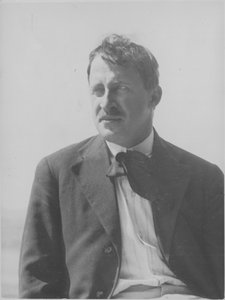
Clarence Alphonse Gagnon
1881 - 1942 , Canada
Quick Facts
- Artistic Movement Or Style: Impressionism
- Artists Or Movements Influenced By This Artist:
- Réné Richard
- Modernist painting in Canada
- Artists Who Influenced This Artist:
- William Brymner
- Jean-Paul Laurens
- Eugène Boudin
- James W. Morrice
- Date Of Birth: November 8, 1881
- Date Of Death: January 5, 1942
- Full Name: Clarence Alphonse Gagnon
- Nationality: Canadian
- Notable Artworks:
- Mont Saint Michel, Morning
- Lac de Charlevoix
- Golden Autumn, Laurentians
- Day
- Place Of Birth: Montreal, Canada
Related Articles
Slate Blue Masterpieces: 10 Iconic Paintings & Timeless Home Decor Ideas
Immerse yourself in the captivating world of slate blue! Explore 10 iconic paintings by Monet, Van Gogh & Renoir. Discover their stories, techniques & find museum-quality art reproductions for your home at .
Monet's Masterpieces: 25 Iconic Artworks to Transform Your Home
Journey through 25 iconic Claude Monet masterpieces! Explore Impressionism’s beauty, from Water Lilies to Rouen Cathedral. Discover stunning art reproductions & curated decor ideas – explore the full collection online at ArtsDot.com.
The Allure of Azure: Exploring the Symbolic & Aesthetic Depths of Blue in Art History
Explore the rich history of blue in art! Discover its symbolism, from ancient pigments to modern masterpieces by Kandinsky & Seurat. Uncover the psychological impact and cultural meanings behind this captivating hue.
Serene Masterpieces: 10 Artworks That Define Tranquility | ArtsDot
Find peace with 10 iconic artworks embodying tranquility! Explore Monet's water lilies, Van Gogh’s starry night & more. Discover the stories behind these serene masterpieces and bring calming art into your home with museum-quality reproductions from ArtsDot.com.
Tranquil Masterpieces: 10 Artworks for Serene Decor & Emotional Well-being |
Find serenity with our Top 10 tranquil artworks! Explore masterpieces by Monet, Van Gogh & more. Discover the stories behind calming Impressionist landscapes and peaceful Japanese art. Museum-quality reproductions at .