 Preview
 Send
Send Share
Share
 Details

 Download
 Similars
 X-Ray
X-Ray Diaporama
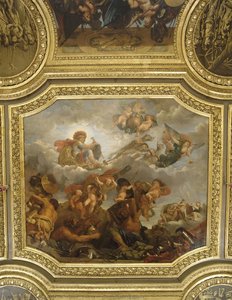
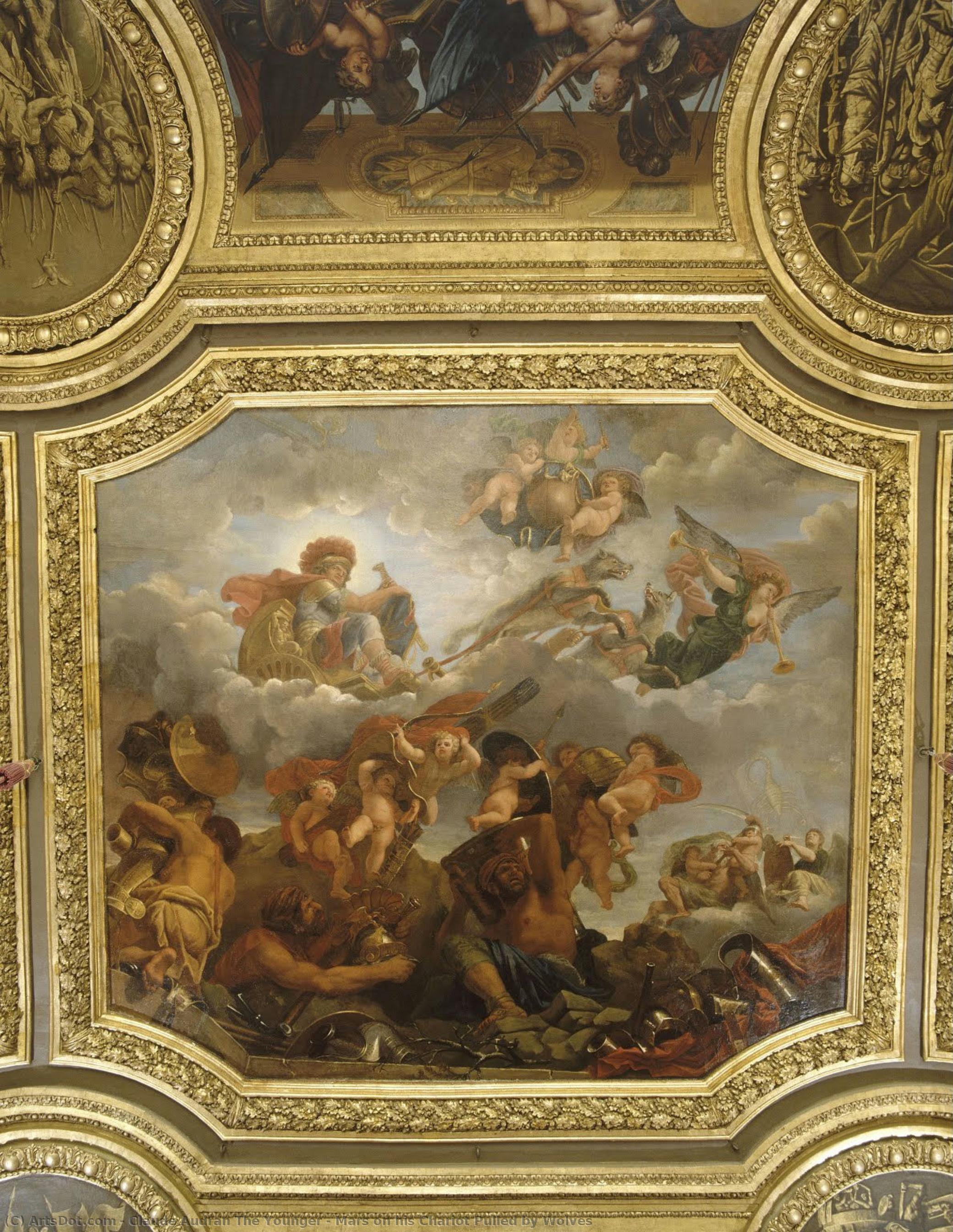
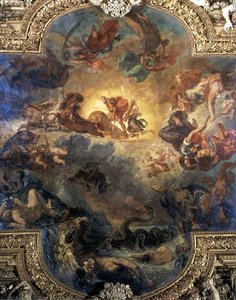
Mars on his Chariot Pulled by Wolves
 Oil On Canvas
- WallArt
- Baroque
 1673
1673 450.0 x 450.0 cm
 Château de Versailles
 Read More
Hand Made Oil Reproduction
Hand-painted oil on canvas in your size and frame, made to order by our artists. ( Buy Print Buy Image)




P118B $10

P118H $10

P118W $10

P438Z $10

P508JH $12

P508YH $12

P805H $10

P805Z $10

P919BZ $10

P919G $10

P919XJ $10

P959ZH $10

P968JZ $12

W106C $8

W218G $10

W218JH $8

W218Y $10

W307PJ $10

W316G $10

W316PJ $8

W316Y $10

W398PJ $8

W4111J $10

W500HY $15

W500JH $15

W692G $12

W849H $8

W940BG $15

W953PJ $8




Pick from our preset sizes that match the artwork's original proportions.

You may enter your own dimensions to fit a specific frame or space. If your selected size does not match the original image's proportions, we will either crop the artwork or extend the painting with additional hand-painted elements. A digital mockup will be sent for your approval before production begins.
Please note that the on-screen preview does not reflect the actual cropping or extension. Only the mockup will accurately show the final composition.
While custom sizes are available, we recommend selecting a dimension from the predefined list to preserve the original proportions.
After order, ArtsDot.com team will email client for instructions and provide a mockup preview
Worldwide Delivery () in 3/4 weeks instead of standard 5 weeks. (16 August). No compromise on quality.

Free Worldwide Express Shipping

High-Quality Linen Canvas

Full Shipping Insurance

Customs Tax Refund Guarantee

True Color Matching Guarantee

60-Day Return Policy (Defects Only)

100% Money-Back Guarantee

Bulk Discount Offer
 Glass option is only available in size under 110 CM

Mars on his Chariot Pulled by Wolves
Reproduction Medium
Reproduction Size
-


Total Price
$ 263
Artwork Description
The Grandeur of War: Claude Audran’s “Mars on His Chariot”
Claude Audran the Younger's "Mars on His Chariot Pulled by Wolves" is not merely a depiction of a mythological scene; it’s a carefully constructed tableau brimming with Roman power, primal energy, and a palpable sense of impending conflict. Painted in 1673, during the height of Louis XIV’s reign and France's ambition on the European stage, this monumental oil-on-canvas work embodies the era’s fascination with classical antiquity and its application to contemporary grandeur. Audran, trained under the meticulous guidance of Charles Le Brun – a leading figure in the French Academy – skillfully absorbed and adapted Le Brun’s style, imbuing it with his own distinctive flair for dramatic lighting and dynamic composition.
A Symphony of Color and Movement
The painting immediately commands attention with its rich, vibrant palette. Deep reds dominate Mars’s chariot and the wolves' fur, conveying both the god’s fiery temperament and the savage nature of his steeds. Contrasting against this intensity are the cooler tones of the palace setting – blues, greens, and golds – suggesting a controlled, almost artificial environment designed to showcase Roman authority. Audran masterfully employs chiaroscuro, utilizing dramatic contrasts between light and shadow to sculpt the figures and heighten the sense of movement. The wolves, rendered with ferocious detail, seem poised for action, their muscular bodies straining against their harnesses, while Mars himself exudes an aura of contained fury.
- Technique: Audran’s brushwork is remarkably fluid and expressive, particularly evident in the depiction of the horses' manes and the swirling drapery.
- Composition: The dynamic arrangement of figures – Mars at the center, flanked by his loyal wolves and a gathering of onlookers – creates a powerful visual narrative.
- Color Palette: A masterful blend of warm reds, cool blues, and shimmering golds establishes a dramatic and visually arresting atmosphere.
Symbolism and Historical Context
The imagery within "Mars on His Chariot" is laden with symbolic meaning. Mars, the Roman god of war, represents not just military might but also leadership, courage, and destiny. The wolves, traditionally associated with Mars, symbolize both his untamed nature and the brutal realities of warfare. The palace setting, reminiscent of Versailles under Louis XIV, underscores the connection between divine authority and earthly power. The presence of onlookers – some engaged in battle, others observing with a mixture of awe and apprehension – highlights the pervasive influence of war on Roman society.
Painted during a period of intense political maneuvering and military expansion for France, this work reflects Louis XIV’s desire to emulate the grandeur of ancient Rome. The depiction of Mars reinforces the monarchy's claim to divine right and its commitment to projecting an image of strength and invincibility on the world stage.
A Legacy of Dramatic Intensity
“Mars on His Chariot Pulled by Wolves” remains a compelling testament to Claude Audran’s artistic skill and his ability to capture the drama and intensity of classical mythology. Reproductions of this magnificent painting continue to captivate viewers with their vibrant colors, dynamic composition, and profound symbolic depth. It serves as a powerful reminder of Rome's enduring legacy – a legacy of military prowess, political ambition, and an unwavering belief in the power of human will.
Related Artworks
![Legend Of St Francis - [08] - Vision Of The Flaming Chariot — Giotto Di Bondone, Gothic And Proto-renaissance](/media/artworks/images/thumbnails/eb/77/eb7783794fc14b45848c95d6a54baff3.jpg)

Artist Biography
early life and training
claude ii audran, also known as claude audran the younger, was a french painter born in lyons in 1639. he was the second son of claude audran the elder and studied drawing with his uncle charles audran in paris. this early training laid the foundation for his future artistic endeavors.artistic influences and collaborations
upon returning from a journey to rome, audran the younger was engaged by charles le brun, a prominent artist of the time, at paris. under le brun's guidance, he assisted in various works and adopted his style, which significantly influenced his own artistic approach.notable works and contributions
some of audran the younger's notable works include:- the chapel of colbert’s château at sceaux: a fresco work that showcases his skill in capturing the essence of french architecture.
- the gallery of the tuileries: this work, also in fresco, demonstrates his ability to adapt to different artistic mediums.
- the grand staircase at the palace of versailles: a testament to his involvement in high-profile projects during the period.
legacy and later life
audran the younger passed away in paris in 1684, leaving behind a legacy of artistic elegance. his contributions to french art, particularly in the realm of fresco painting, remain significant. discover more about claude audran the younger's works on ArtsDot: [https://ArtsDot.com/@/claude-audran-the-younger](https://ArtsDot.com/@/claude-audran-the-younger) | explore the musée des beaux-arts de carcassonne, which features works by artists like audran the younger: /en/art/show/art-d3apq7-en/ learn more about french art and its masters on wabot, the ai assistant of ArtsDot: [https://ArtsDot.com/@@/a@d3crlb-wabot-art-assistant-of-ArtsDot](https://ArtsDot.com/@@/a@d3crlb-wabot-art-assistant-of-ArtsDot)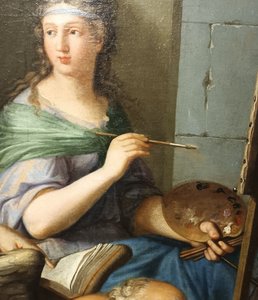
claude audran the younger
1639 - 1684 , France
Quick Facts
- Artistic Movement Or Style: Northern Netherlands
- Artists Or Movements Influenced By This Artist: ['Rembrandt']
- Artists Who Influenced This Artist: ['Ter Borch']
- Date Of Birth: 1639
- Date Of Death: 1684
- Full Name: Caspar Netscher
- Nationality: Dutch
- Notable Artworks:
- Portrait of a Woman
- Oriental Rugs
- Silk and Brocade
- Place Of Birth: Prague, Czech Republic
Related Articles
Simon Vouet: A Baroque Master's Journey from Italian Influence to French Classicism
Explore the life & art of Simon Vouet, a pivotal French Baroque painter who introduced Italian styles to France. Discover his masterpieces and lasting influence on 17th-century art.

Baroque Drama: Bringing Opulence & Emotion into Contemporary Interiors
Explore the opulent world of Baroque interior design! Discover key elements, modern applications & how to bring dramatic elegance into your home with 's authentic reproductions.
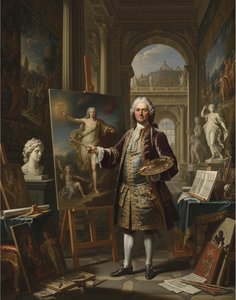
Charles Le Brun: Master of French Baroque Classicism & His Enduring Legacy
Explore the life & art of Charles Le Brun, master of French Baroque Classicism. Discover his royal commissions, influence on Versailles, and enduring legacy through detailed analysis & stunning artworks.

The Dramatic Flourish: Exploring the Baroque Movement's Enduring Legacy in Art History
Explore the dramatic world of Baroque art! Discover iconic artists like Caravaggio & Rubens, defining techniques, and its lasting impact on art history. Expert insights for collectors & enthusiasts at ArtsDot.

Baroque Masterpieces: 10 Paintings That Defined an Era |
Journey through the drama & grandeur of Baroque art! Explore 10 masterpieces by Caravaggio, Rembrandt, Rubens & more. Discover stunning oil paintings, rich colors & timeless stories. Find museum-quality reproductions at .