

 Preview
 Send
Send Share
Share
 Details

 Download
 Similars
 X-Ray
X-Ray Diaporama
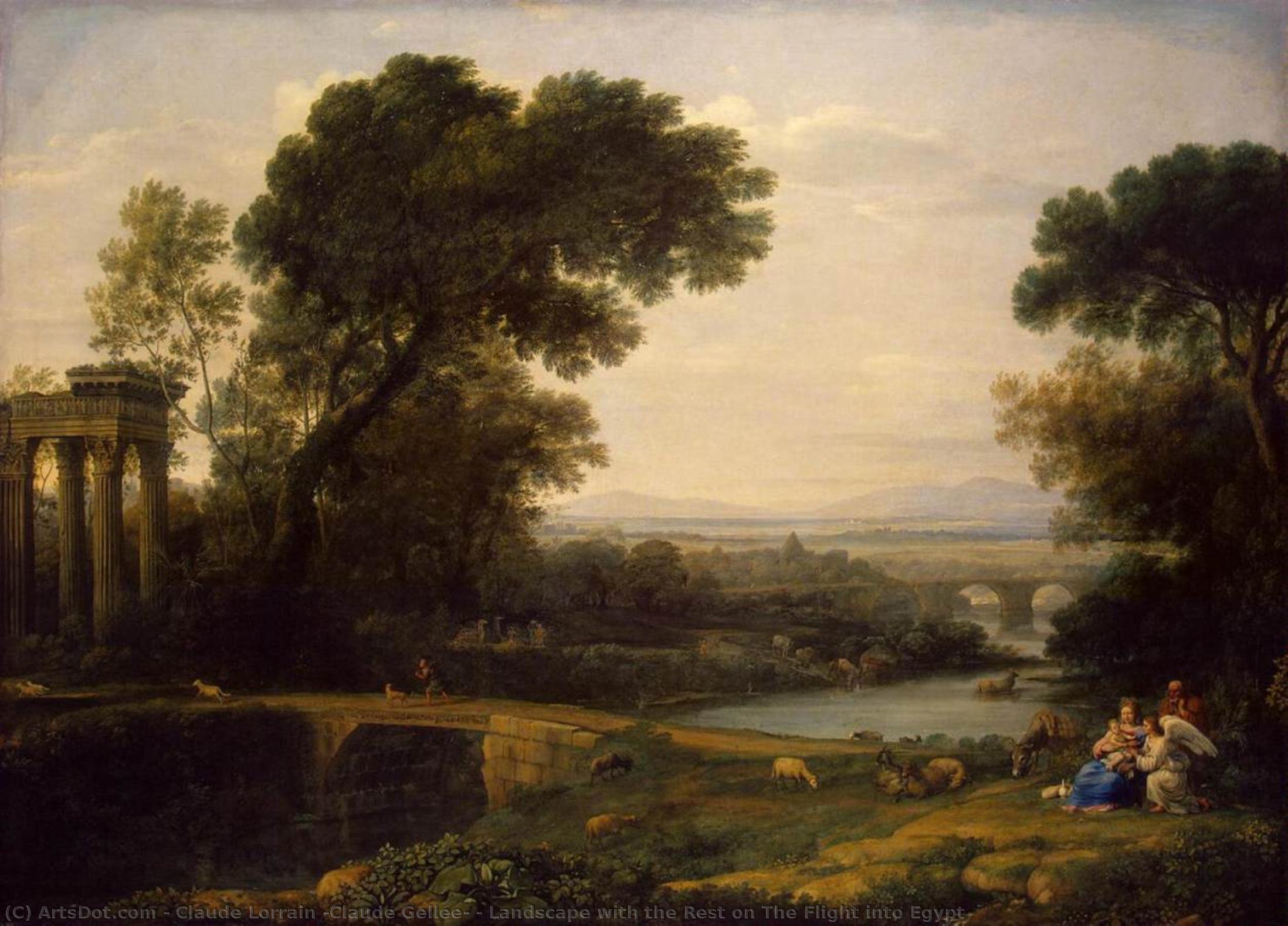
Landscape with the Rest on The Flight into Egypt
 Acrylic On Canvas
- WallArt
- Baroque
 1666
1666 157.0 x 116.0 cm
 Hermitage Museum
 Read More
Purchase a high-resolution, enhanced digital image, far superior to the online preview.
Each file is meticulously prepared by our in-house specialists using advanced tools and expert manual retouching. We ensure every image has exceptional clarity, precise color accuracy, and fine detail.
The final file is delivered via email within 72 hours, optimized for immediate use in professional, editorial, and print environments. This is the same quality trusted by top-tier design studios, publishers, and galleries.
Digital Image
Download a high-resolution file for personal display, printing, and creative projects. ( Buy Print Buy Hand Made Painting)
Included in Every Digital Image Order
Expert Digital Delivery, Guaranteed
When you choose ArtsDot.com, you're not just getting an image - you're receiving a professionally enhanced digital artwork, crafted with precision and backed by a satisfaction guarantee. Here's everything that comes with your order, automatically:

Fast Email Delivery
Your high-resolution digital image file will be emailed to you within 72 hours of ordering - ready for immediate use.

AI-Enhanced Digital File
Your artwork is professionally optimized using advanced AI tools and manual editing, ensuring maximum detail, clarity, and color accuracy.

Free Lifetime Re-Delivery
Accidentally deleted or lost your file? No worries - we'll resend it to you anytime, free of charge.

No Import Fees - Ever
Enjoy your artwork instantly with zero customs, duties, or delivery fees - digital downloads are always tax-free.

Color Accuracy Guarantee
We ensure your digital image reflects the original colors as closely as possible using professional tools and color management.

60-Day Satisfaction Guarantee
If you're not satisfied with your digital image, we'll revise it or refund 100% within 60 days - no questions asked.

100% Money-Back Guarantee
Not satisfied? Get a full refund within 60 days of receiving your digital file - no questions asked.

Bulk Order Discounts
Buy 3 images, save 10% - Buy 5, save 15% - Buy 10+, save 20%. Great for creative projects, galleries, and agencies.
Collectible Description
Claude Lorrain’s Serene Reflection: Landscape with the Rest on The Flight into Egypt
Claude Lorrain (Claude Gellée), born around 1600 in Chamagne, France, stands as one of the titans of Baroque landscape painting—a master who elevated pastoral scenes to an art form itself. His oeuvre is characterized by a profound understanding of light and atmosphere, qualities he relentlessly pursued throughout his prolific career, cementing his legacy as arguably the most influential painter of his time. This particular canvas, “Landscape with the Rest on The Flight into Egypt,” completed in 1666, exemplifies Lorrain’s signature style: an idealized vision of Arcadia—the mythical paradise of shepherds and nymphs—infused with Christian symbolism.A Vision of Tranquility Rooted in Biblical Narrative
The painting depicts a picturesque vista dominated by rolling hills bathed in golden afternoon light. Sheep graze peacefully amongst wildflowers, creating a harmonious tableau that speaks to the grandeur of nature untouched by human intrusion. At the center of this idyllic landscape sits a small group of figures—Mary, Joseph, and Jesus—resting on the grass beside what appears to be a tranquil body of water. This composition draws directly from the biblical narrative of Mary and Joseph’s perilous journey to Egypt after Herod ordered the assassination of infant Jesus. The inclusion of livestock isn't merely decorative; it serves as a deliberate allusion to Old Testament prophecies concerning the Messiah—a subtle layering of religious significance within the natural world. Lorrain skillfully employs chiaroscuro – dramatic contrasts between light and shadow – to sculpt the forms of the figures and landscape, enhancing their emotional impact and conveying a sense of profound serenity.Technique and Artistic Innovation
Lorrain’s technique was revolutionary for its time. He eschewed the gritty realism favored by some contemporaries, opting instead for meticulous observation combined with imaginative embellishment. Lorrain meticulously studied geological formations and atmospheric conditions to accurately depict landscapes, but he wasn't simply copying nature; he transformed it into an embodiment of divine beauty. His brushstrokes are smooth and blended, creating a luminous surface that captures the subtle nuances of light—a hallmark of his approach. He utilized glazing techniques – applying thin layers of translucent paint over underlying colors – to achieve remarkable depth and luminosity, mirroring the ethereal quality of biblical visions. This masterful manipulation of color and texture distinguishes Lorrain’s work from many others produced during the Baroque period.Symbolism Beyond Mere Representation
Beyond its visual splendor, “Landscape with the Rest on The Flight into Egypt” resonates with deeper symbolic meanings. The landscape itself represents Eden—the primordial paradise before the Fall—a space of innocence and divine grace. Mary and Joseph’s repose symbolizes faith and humility amidst adversity; they find solace in God's presence even during their darkest hour. The sheep symbolize purity and obedience, mirroring Jesus’s role as the Lamb of God who sacrifices himself for humanity. Lorrain’s deliberate choice of imagery underscores the biblical story’s central theme: divine providence—God protecting his chosen people despite earthly dangers.Emotional Resonance and Artistic Legacy
Lorrain's paintings evoke a powerful emotional response in viewers, transporting them to a realm of sublime beauty and spiritual contemplation. The painting’s stillness conveys a sense of peace and tranquility that transcends time, capturing the essence of biblical faith and celebrating the majesty of God’s creation. Lorrain’s influence extended far beyond his own lifetime, inspiring generations of landscape artists who sought to emulate his luminous style and profound understanding of nature's spiritual significance. “Landscape with the Rest on The Flight into Egypt” remains a testament to Lorrain’s artistic genius—a masterpiece that continues to captivate audiences today.Related Artworks
Artist Biography
Claude Lorrain (Claude Gellée): A Life in Light and Landscape
Early Life and Training
Born around 1600 in Chamagne, a small village in the Duchy of Lorraine (modern-day France), Claude Lorrain – originally Claude Gellée – remains one of the most celebrated landscape painters of the Baroque period. His early life is shrouded in some mystery, with conflicting accounts of his apprenticeship. One account, by Joachim von Sandrart, suggests a humble beginning as an apprentice to a pastry baker before finding employment with artists in Rome. Another, from Filippo Baldinucci, details earlier training in Naples with Goffredo Wals and later in Rome under Agostino Tassi.
Rise to Prominence
By the 1630s, Claude Lorrain had firmly established himself as the leading landscapist in Italy. His paintings quickly gained recognition for their atmospheric qualities and command high prices. He skillfully blended Italianate landscapes with classical and biblical themes, creating scenes that were both visually stunning and intellectually engaging.
Artistic Style and Key Characteristics
- Luminous Sunlight: A defining feature of Claude’s work is his masterful depiction of light. He was among the first artists to consistently portray sunlight streaming through landscapes, creating a sense of atmosphere and realism previously unseen.
- Classical Influences: His compositions often draw inspiration from classical antiquity, incorporating Roman ruins, mythological figures, and architectural elements.
- Idealized Landscapes: Claude didn’t aim for strict topographical accuracy; instead, he created idealized landscapes that evoked a sense of harmony and tranquility.
- Detailed Drawings: He was a prolific draughtsman, creating numerous sketches and studies in pen, watercolor wash, and chalk – many preserved in his Liber Veritatis.
Influences and Development
Claude’s early influences included the landscape traditions of Northern Europe, particularly those of the Flemish painters. He also studied the works of Italian Renaissance masters like Titian and Raphael. Over time, his style evolved from darker, more dramatic compositions to lighter, airier scenes characterized by a golden glow.
Notable Works
- Landscape with Peasants Returning with their Herds
- Seaport with the Embarkation of the Queen of Sheba
- Sunrise
- Pastoral Landscape: The Roman Campagna
- The Disembarkation of Cleopatra at Tarsus
Historical Significance and Legacy
Claude Lorrain’s impact on landscape painting is immeasurable. He elevated the genre to a level of prestige previously reserved for historical and religious subjects. His works influenced generations of artists, including J.M.W. Turner and Impressionist painters who sought to capture the fleeting effects of light and atmosphere. Today, his paintings are highly valued and can be found in major museums worldwide, particularly the National Gallery (London) and the Art Gallery of South Australia.
Later Life and Death
Claude Lorrain passed away on November 23, 1682, in Rome. His tombstone in the church of San Luigi dei Francesi bears a simple inscription: “Claude / peintre de / rome / mort / le 23 novembre 1682”. He left behind a legacy as one of the most important and influential landscape painters in Western art history.
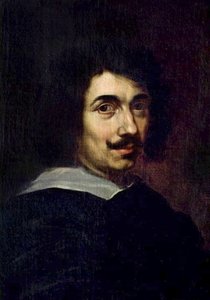
claude lorrain (claude gellée)
1600 - 1682
Quick Facts
- Birth_Date: c. 1600
- Birth_Place: Chamagne, Vosges, Duchy of Lorraine
- Death_Date: November 23, 1682
- Influenced_By:
- Goffredo Wals
- Agostino Tassi
- Movement: Baroque
- Name: Claude Lorrain (Claude Gellée)
- Nationality: French (Lorraine)
- Notable_Works:
- Landscape with Peasants returning with their herds
- Seaport with the Embarkation of the Queen of Sheba

