

 Preview
 Send
Send Share
Share
 Details

 Download
 Similars
 X-Ray
X-Ray Diaporama
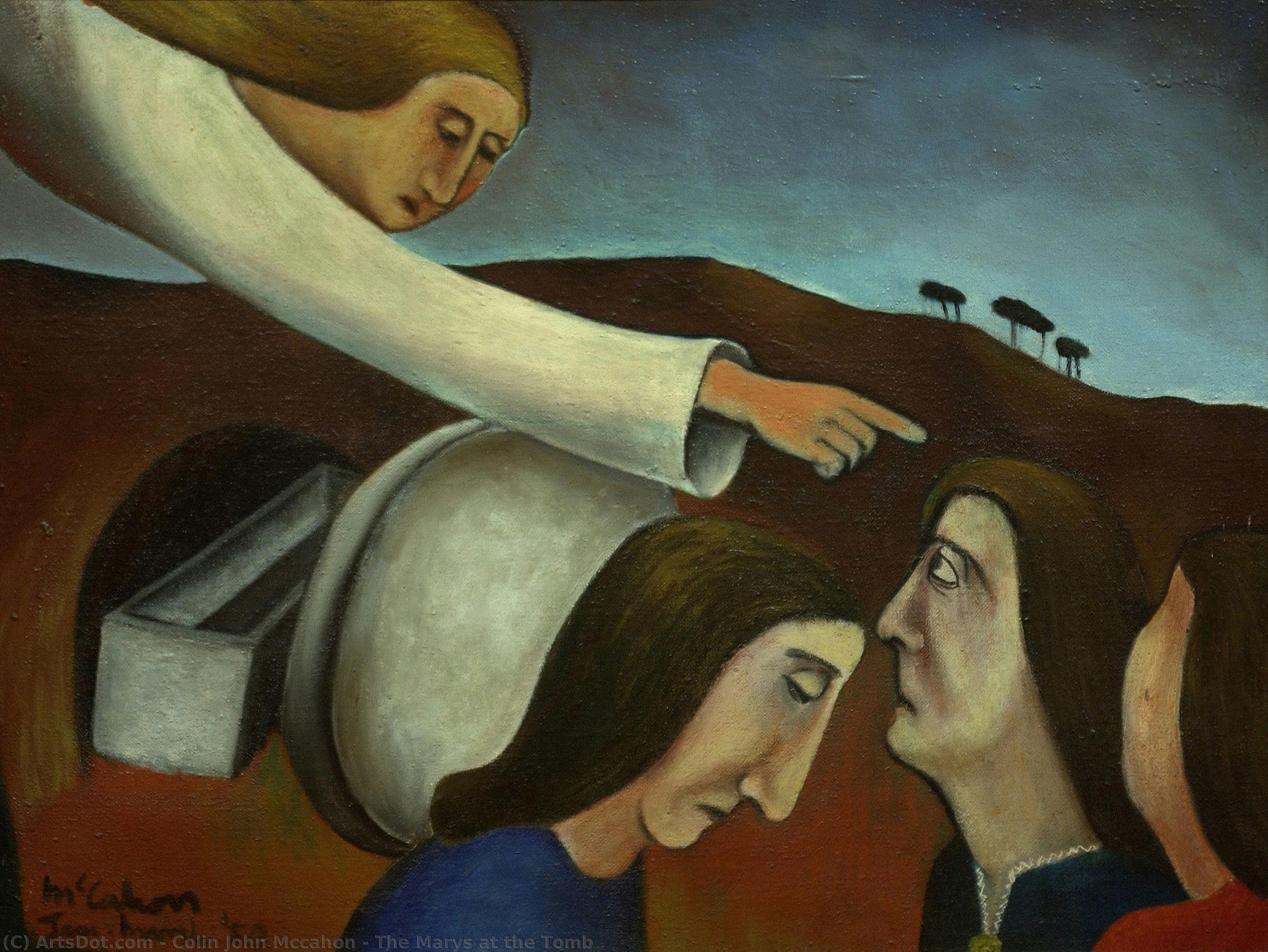
The Marys at the Tomb
 1950
1950- Modern
 5.0 x 80.0 cm
 Auckland Art Gallery Toi o Tāmaki
 Read More
Purchase a high-resolution, enhanced digital image, far superior to the online preview.
Each file is meticulously prepared by our in-house specialists using advanced tools and expert manual retouching. We ensure every image has exceptional clarity, precise color accuracy, and fine detail.
The final file is delivered via email within 72 hours, optimized for immediate use in professional, editorial, and print environments. This is the same quality trusted by top-tier design studios, publishers, and galleries.
Digital Image
Download a high-resolution file for personal display, printing, and creative projects. ( Buy Print Buy Hand Made Painting)
Included in Every Digital Image Order
Expert Digital Delivery, Guaranteed
When you choose ArtsDot.com, you're not just getting an image - you're receiving a professionally enhanced digital artwork, crafted with precision and backed by a satisfaction guarantee. Here's everything that comes with your order, automatically:

Fast Email Delivery
Your high-resolution digital image file will be emailed to you within 72 hours of ordering - ready for immediate use.

AI-Enhanced Digital File
Your artwork is professionally optimized using advanced AI tools and manual editing, ensuring maximum detail, clarity, and color accuracy.

Free Lifetime Re-Delivery
Accidentally deleted or lost your file? No worries - we'll resend it to you anytime, free of charge.

No Import Fees - Ever
Enjoy your artwork instantly with zero customs, duties, or delivery fees - digital downloads are always tax-free.

Color Accuracy Guarantee
We ensure your digital image reflects the original colors as closely as possible using professional tools and color management.

60-Day Satisfaction Guarantee
If you're not satisfied with your digital image, we'll revise it or refund 100% within 60 days - no questions asked.

100% Money-Back Guarantee
Not satisfied? Get a full refund within 60 days of receiving your digital file - no questions asked.

Bulk Order Discounts
Buy 3 images, save 10% - Buy 5, save 15% - Buy 10+, save 20%. Great for creative projects, galleries, and agencies.
Collectible Description
A Visionary Encounter in the Otago Landscape
In the profound and often challenging realm of New Zealand Modernism, few works resonate with as much spiritual gravity as Colin John McCahon’s The Marys at the Tomb. Painted in 1950, this masterpiece serves as a breathtaking intersection between the terrestrial and the divine. The scene captures a pivotal moment of biblical revelation, situating the resurrection of Jesus Christ not within an ancient, distant land, but within the rugged, familiar contours of the Otago landscape. Through McCahon’s lens, the sacred becomes local, and the monumental weight of religious history is anchored to the very earth beneath our feet. The painting presents a dramatic tableau where Mary Magdalene and her companions stand as witnesses to the miraculous, their gazes drawn upward by the presence of an Angel of the Lord, creating a sense of awe that transcends time and geography.
The composition is masterfully orchestrated to guide the viewer’s soul through a journey of discovery. At the heart of the work, the figure of Mary Magdalene acts as our emotional conduit; her upward yearning and rapt attention mirror the viewer's own search for meaning. Surrounding her, other figures emerge from the landscape, their presence adding layers of human witness to the celestial event. Above this solemn gathering, a heavy, clouded sky hangs with dramatic tension, suggesting the turbulent threshold between life and death, known and unknown. The inclusion of two birds in flight provides a delicate, fleeting element of life, a poignant contrast to the profound stillness of the religious encounter. This interplay of movement and stasis creates a rhythmic tension that is characteristic of McCahon’s early, powerful explorations of faith.
The Language of Modernist Symbolism
McCahon was an artist deeply concerned with the complexities of human existence and the elusive nature of spirituality. In The Marys at the Tomb, he utilizes a style that bridges the gap between figuration and a more raw, expressive abstraction. The technique is characterized by a deliberate, almost visceral application of paint that lends the landscape a sense of permanence and weight. By stripping away unnecessary ornamentation, McCahon focuses on the essential symbols: the hill, the sky, and the human reaction to the divine. This minimalist approach ensures that every element—from the tilt of a head to the shape of a distant ridge—carries immense symbolic significance.
For collectors and interior designers, this piece offers more than mere decoration; it provides a profound focal point for spaces that demand depth and intellectual engagement. The painting’s ability to evoke both solitude and communal awe makes it an extraordinary addition to any curated collection. Whether placed in a quiet study or as a commanding centerpiece in a contemporary living space, a high-quality reproduction of this work invites contemplation. It serves as a reminder of the power of art to confront the most challenging questions of our existence, making it an enduring choice for those who seek to surround themselves with works that possess both historical importance and an eternal, emotive resonance.
Related Artworks

![Mexican Landscape \n[paisaije Mexicano] — José Clemente Orozco, Mexican Muralism](/media/artworks/images-thumb/1b/4f/1b4fb08c1150706f7451e9f7b5673180.jpg)

Artist Biography
Colin John McCahon: A Pioneer of New Zealand Modernism
Early Life and Education
- Born on August 1, 1919, in Timaru, New Zealand, Colin John McCahon spent much of his childhood in Dunedin.
- His early artistic inclinations were nurtured by visits to exhibitions and the work of his maternal grandfather, photographer and painter William Ferrier.
- He attended Otago Boys' High School and later enrolled at the Dunedin School of Art (1937-1939), where Robert Nettleton Field proved a significant influence.
- McCahon furthered his studies at King Edward Technical College Art School as a part-time student.
Artistic Development and Influences
- Early influences included Toss Woollaston, whose landscapes inspired McCahon, and Russell Clark, who provided foundational art training.
- His work evolved through various styles – landscape, figuration, abstraction, and the distinctive overlay of painted text.
- A pivotal moment was a visit to Melbourne in 1951, where he studied modernist paintings at the National Gallery of Victoria.
- The book *The Geomorphology of New Zealand*, gifted upon his marriage, profoundly impacted his understanding of the land and its representation.
Key Themes and Artistic Style
- McCahon’s work often explored themes of spirituality, landscape, and national identity.
- He developed a unique visual language characterized by simplified forms, bold colors, and the integration of text.
- His landscapes weren't merely depictions but rather symbolic representations of New Zealand’s spiritual and cultural essence.
- The use of painted text added layers of meaning, often referencing biblical passages or personal reflections.
Major Achievements and Recognition
- McCahon exhibited with *The Group* in Christchurch from 1940 onwards, becoming a member in 1947.
- He held numerous solo exhibitions throughout New Zealand and internationally.
- Significant works include “The Angel of the Annunciation,” “Takaka: Night and Day,” and his series based on texts from Ecclesiastes.
- He taught painting at the Elam School of Fine Arts, University of Auckland (1964-1969), influencing a generation of artists.
Historical Significance and Legacy
- Colin McCahon is widely regarded as New Zealand’s most important modern artist.
- He played a crucial role in introducing Modernism to New Zealand art, alongside Woollaston and Rita Angus.
- His innovative approach challenged conventional artistic norms and paved the way for future generations of artists.
- McCahon's work continues to resonate with audiences today, offering profound insights into the New Zealand landscape and psyche.
- He died on May 27, 1987, leaving behind a rich and enduring legacy.
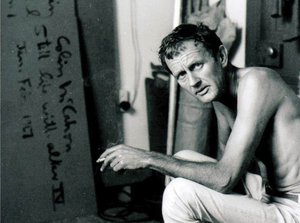
colin john mccahon
1919 - 1987 , New Zealand
Quick Facts
- Birth Date: 1919-08-01
- Birth Place: Timaru, New Zealand
- Death Date: 1987-05-27
- Influenced By: Toss Woollaston, William Ferrier, Russell Clark
- Movement: Modernism
- Name: Colin John McCahon
- Nationality: New Zealander
- Notable Works: The Angel of the Annunciation, Takaka: Night and Day, The Promised Land

