 Preview
 Send
Send Share
Share
 Details

 Download
 Similars
 X-Ray
X-Ray Diaporama
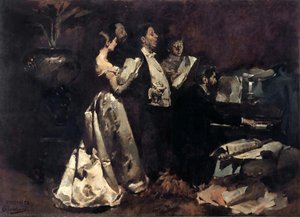
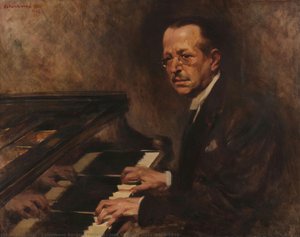
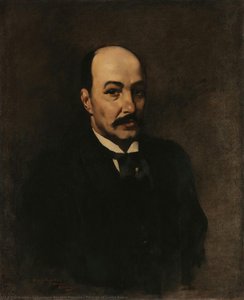
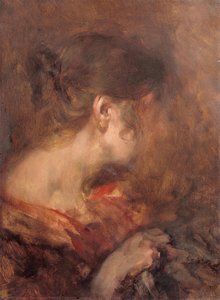
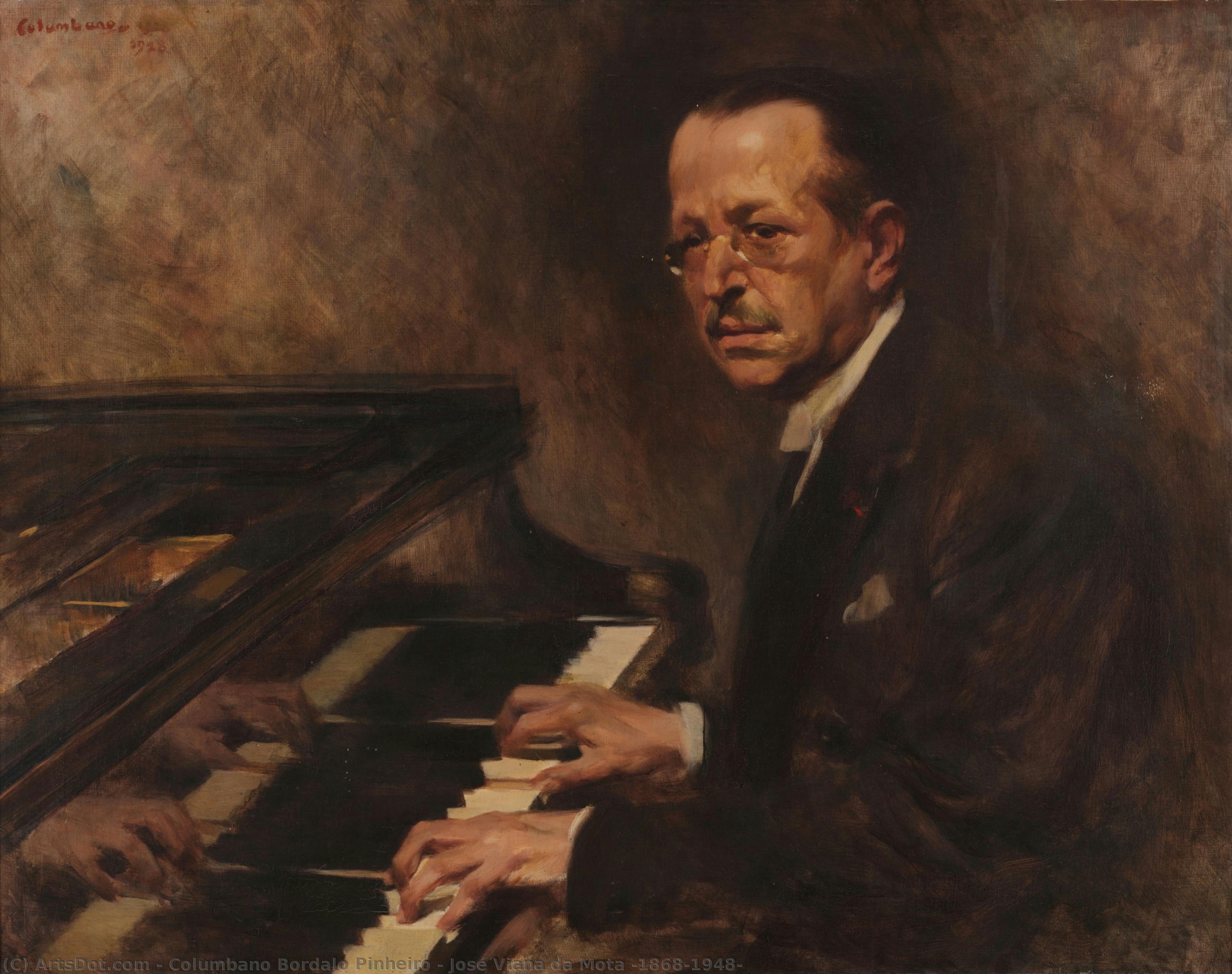
José Viana da Mota (1868-1948)
 1928
1928 70.0 x 90.0 cm
 Museu Nacional da Música
 Read More
Hand Made Oil Reproduction
Hand-painted oil on canvas in your size and frame, made to order by our artists. ( Buy Print Buy Image)




































Pick from our preset sizes that match the artwork's original proportions.

You may enter your own dimensions to fit a specific frame or space. If your selected size does not match the original image's proportions, we will either crop the artwork or extend the painting with additional hand-painted elements. A digital mockup will be sent for your approval before production begins.
Please note that the on-screen preview does not reflect the actual cropping or extension. Only the mockup will accurately show the final composition.
While custom sizes are available, we recommend selecting a dimension from the predefined list to preserve the original proportions.
After order, ArtsDot.com team will email client for instructions and provide a mockup preview
Worldwide Delivery () in 3/4 weeks instead of standard 5 weeks. (16 August). No compromise on quality.

Free Worldwide Express Shipping

High-Quality Linen Canvas

Full Shipping Insurance

Customs Tax Refund Guarantee

True Color Matching Guarantee

60-Day Return Policy (Defects Only)

100% Money-Back Guarantee

Bulk Discount Offer
 Glass option is only available in size under 110 CM

José Viana da Mota (1868-1948)
Reproduction Medium
Reproduction Size
-


Total Price
$ 263
Artwork Description
Related Artworks
Artist Biography
A Portuguese Master of Realism: The Life and Art of Columbano Bordalo Pinheiro
Columbano Bordalo Pinheiro, born in 1857 amidst the artistic ferment of Portugal, stands as a pivotal figure in the nation’s art history. He wasn't merely a painter; he was a chronicler of his time, a psychological portraitist who delved into the very soul of Portuguese society during a period of profound change. Born into an already established artistic lineage – his father, Manuel Maria Bordalo Pinheiro, was a celebrated Romantic painter, and his brother Rafael a renowned caricaturist – Columbano inherited a creative spirit that would blossom into a uniquely compelling vision. His early training under his father, alongside sculptors like Simões de Almeida and Miguel Ângelo Lupi, laid the foundation for a career marked by meticulous observation and technical skill. However, it was a scholarship to study in France in 1881 that truly ignited his artistic trajectory, exposing him to the burgeoning movements of Naturalism, Realism, and Impressionism. While absorbing influences from masters like Courbet, Manet, and Degas, Bordalo Pinheiro never succumbed to imitation; he forged a style distinctly his own—often characterized by a somber palette and an introspective quality that resonated deeply with the Portuguese temperament.The ‘Grupo do Leão’ and the Embrace of Naturalism
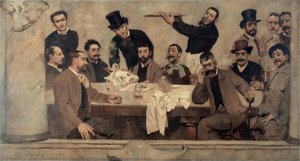
Bordalo Pinheiro wasn't content to remain solely within the confines of his studio. He actively engaged with the intellectual currents of his day, becoming a co-founder of the influential 'Grupo do Leão' (The Lion’s Group). This gathering of artists, writers, and thinkers convened at Lisbon’s ‘Leão de Ouro’ restaurant, serving as a vibrant hub for debate and artistic innovation. It was here that Naturalism was passionately proclaimed as an antidote to the perceived constraints of academic art. This commitment to representing life truthfully, without idealization or romantic embellishment, became a defining characteristic of Bordalo Pinheiro's work. He sought to capture not just the outward appearance of his subjects but also their inner lives, their anxieties, and their complexities. This is particularly evident in his portraits, which are far more than mere likenesses; they are penetrating psychological studies. He wasn’t simply painting *what* people looked like, but *who* they were—their vulnerabilities, their ambitions, and the weight of their experiences etched onto their faces.Portraits as Windows to the Soul
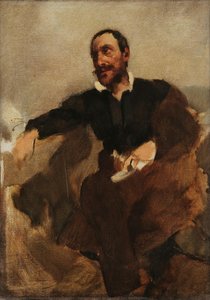
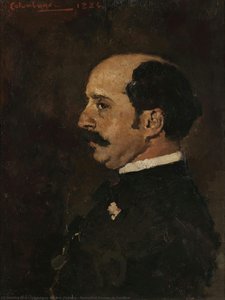
Bordalo Pinheiro's mastery truly shone in his portraiture. He became the favored painter of Portugal’s leading intellectuals, writers, and cultural figures—José Maria de Eça de Queiroz, Teófilo Braga, Raul Brandão all sat for him. These weren’t commissions undertaken lightly; Bordalo Pinheiro approached each subject with a profound sense of responsibility, striving to capture not just their physical features but also the essence of their character. Perhaps his most famous portrait is that of the poet Antero de Quental, completed in 1889. The painting possesses an unsettling premonition, seeming to anticipate Quental’s tragic suicide shortly thereafter—a testament to Bordalo Pinheiro's uncanny ability to perceive and portray the hidden depths of the human psyche. Works like “Portrait of Cunha Vasco” demonstrate his dramatic use of light and shadow, highlighting the subject’s intellectual intensity and inner turmoil. He didn't shy away from portraying flaws or vulnerabilities; instead, he embraced them as integral parts of what made each individual unique.Beyond Portraiture: A Legacy of Republicanism and Artistic Leadership
Bordalo Pinheiro’s influence extended far beyond the canvas. A staunch republican, he actively participated in the political life of Portugal, even designing the flag for the newly proclaimed republic in 1910. His commitment to his nation led to his appointment as director of the National Museum of Contemporary Art (now the Chiado Museum) in Lisbon, a position he held from 1914 to 1927. During his tenure, he championed modern art and worked tirelessly to build a collection that reflected the evolving artistic landscape of Portugal. His own paintings, such as “The Peasant of Fontainebleau” and “Difficult Trial”, showcase not only his technical prowess but also his willingness to engage with social issues and explore themes of labor, introspection, and the human condition. He was a painter who understood that art wasn’t merely about aesthetics; it was about reflecting the world around him—its beauty, its struggles, and its complexities.A Lasting Influence: The Greatest Portuguese Painter of His Century
Columbano Bordalo Pinheiro passed away in 1929, leaving behind a legacy that continues to resonate with art lovers today. He is widely regarded as the greatest Portuguese painter of the 19th century, often compared to masters like Wilhelm Leibl and John Singer Sargent for his technical skill and psychological insight. His work remains on display at the Chiado Museum in Lisbon, along with other significant collections such as Casa-Museu Dr. Anastácio Gonçalves, offering a glimpse into the world he so vividly portrayed. He wasn’t simply a recorder of history; he was an interpreter of the human spirit—a master of realism who captured the essence of his time and left an indelible mark on Portuguese art and culture. His paintings continue to invite viewers to contemplate the complexities of life, the depths of the human soul, and the enduring power of artistic expression.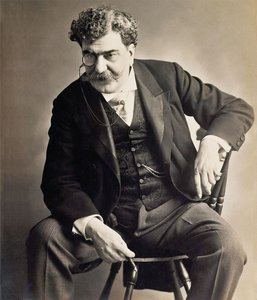
Columbano Bordalo Pinheiro
1857 - 1929 , Portugal
Quick Facts
- Artistic Movement Or Style: Realism, Naturalism
- Artists Who Influenced This Artist:
- Courbet
- Manet
- Degas
- Date Of Birth: November 21, 1857
- Date Of Death: 1929
- Full Name: Columbano Bordalo Pinheiro
- Nationality: Portuguese
- Notable Artworks:
- Antero de Quental portrait
- Cunha Vasco portrait
- The Peasant of Fontainebleau
- Difficult Trial
- Place Of Birth: Faro, Portugal