 Preview
 Send
Send Share
Share
 Details

 Download
 Similars
 X-Ray
X-Ray Diaporama
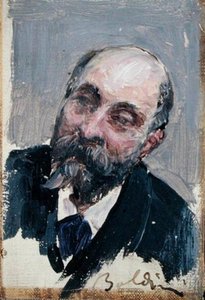
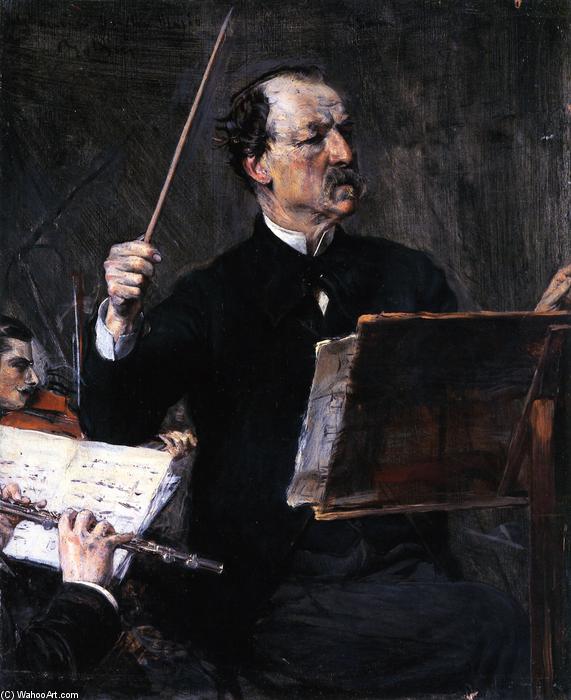
Emanuele Muzio at the Podium
 Oil On Canvas
- WallArt
- Impressionism
 1882
1882 27.0 x 22.0 cm
 Casa di Riposo per Musicisti
 Read More
Hand Made Oil Reproduction
Hand-painted oil on canvas in your size and frame, made to order by our artists. ( Buy Print Buy Image)




P118B $10

P118H $10

P118W $10

P438Z $10

P508JH $12

P508YH $12

P805H $10

P805Z $10

P919BZ $10

P919G $10

P919XJ $10

P959ZH $10

P968JZ $12

W106C $8

W218G $10

W218JH $8

W218Y $10

W307PJ $10

W316G $10

W316PJ $8

W316Y $10

W398PJ $8

W4111J $10

W500HY $15

W500JH $15

W692G $12

W849H $8

W940BG $15

W953PJ $8




Pick from our preset sizes that match the artwork's original proportions.

You may enter your own dimensions to fit a specific frame or space. If your selected size does not match the original image's proportions, we will either crop the artwork or extend the painting with additional hand-painted elements. A digital mockup will be sent for your approval before production begins.
Please note that the on-screen preview does not reflect the actual cropping or extension. Only the mockup will accurately show the final composition.
While custom sizes are available, we recommend selecting a dimension from the predefined list to preserve the original proportions.
After order, ArtsDot.com team will email client for instructions and provide a mockup preview
Worldwide Delivery () in 3/4 weeks instead of standard 5 weeks. (17 August). No compromise on quality.

Free Worldwide Express Shipping

High-Quality Linen Canvas

Full Shipping Insurance

Customs Tax Refund Guarantee

True Color Matching Guarantee

60-Day Return Policy (Defects Only)

100% Money-Back Guarantee

Bulk Discount Offer
 Glass option is only available in size under 110 CM

Emanuele Muzio at the Podium
Reproduction Medium
Reproduction Size
-


Total Price
$ 313
Artwork Description
Giovanni Boldini’s “Emanuele Muzio at the Podium”: A Portrait of Dignity Amidst Artistic Flourish
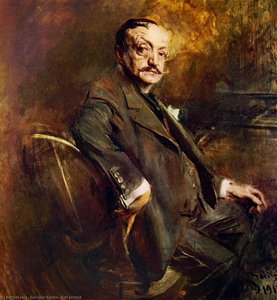
Giovanni Boldini's "Emanuele Muzio at the Podium," painted in 1882, transcends mere representation; it embodies the spirit of the Belle Époque—a period defined by opulent social gatherings and a fervent admiration for artistic achievement. This oil on panel masterpiece resides within the Casa di Riposo per Musicisti in Milan, Italy, serving as a testament to Boldini’s enduring legacy as one of Paris's most celebrated portraitists. Examining this artwork reveals not only technical prowess but also profound symbolic resonance, offering insights into the artist’s vision and the cultural milieu that nurtured it.Subject Matter and Setting: The Stage for Leadership
The painting depicts Emanuele Muzio, a prominent figure in musical circles—likely Giuseppe Verdi's tenor—standing confidently at a podium adorned with a richly textured wooden surface illuminated by warm light. Boldini meticulously captures Muzio’s posture – upright, commanding gaze directed towards the viewer – conveying an aura of authority and poise. Beside him rests a violin, symbolizing artistic expression and serving as a visual anchor within the composition. The subtle inclusion of sheet music further reinforces the central theme: Muzio is presiding over a performance, embodying leadership and artistic excellence. The backdrop is deliberately muted, emphasizing Muzio’s presence and creating an intimate atmosphere conducive to contemplation.Boldini's Style: Realism Infused with Impressionistic Flair
Giovanni Boldini championed Realism blended seamlessly with Impressionistic techniques—a stylistic approach he termed “Swish.” This distinctive style is evident in the painting’s meticulous rendering of Muzio’s facial features and clothing, achieved through careful observation and precise brushstrokes. However, unlike purely realistic depictions, Boldini prioritizes capturing fleeting moments of light and color, utilizing loose brushwork to imbue the canvas with vibrancy and dynamism. The artist skillfully employs chiaroscuro—the interplay between light and shadow—to sculpt Muzio’s form and create depth within the scene, enhancing its dramatic impact.Technique: Mastering Oil on Panel – Texture and Depth
Boldini's mastery of oil paint is palpable throughout “Emanuele Muzio at the Podium.” He skillfully blends pigments to achieve subtle tonal variations, creating a rich tapestry of textures that bring the subject matter to life. The artist’s brushstrokes are visible—a hallmark of Boldini’s style—adding tactile quality and conveying an impression of spontaneity. Furthermore, Boldini's meticulous attention to detail extends beyond Muzio himself; he meticulously portrays the wooden podium surface and violin, demonstrating his commitment to capturing the nuances of materiality. This technique contributes significantly to the painting’s overall visual impact, fostering a sense of immersion for the viewer.Symbolism: Dignity, Leadership, and Artistic Inspiration
Beyond its aesthetic qualities, “Emanuele Muzio at the Podium” carries symbolic weight. Muzio's unwavering gaze symbolizes confidence and conviction—qualities admired during the Belle Époque’s celebration of heroism and intellect. The violin represents artistic passion and creativity, underscoring the importance of music within Verdi’s world and reflecting Boldini’s broader fascination with cultural figures. The podium itself signifies leadership and prestige, encapsulating the grandeur of Verdi's stature as a composer and performer. Ultimately, Boldini’s artwork serves as an emblem of artistic accomplishment and dignified presence—themes that resonate powerfully across time.Emotional Impact: Elegance and Reflection
“Emanuele Muzio at the Podium” evokes feelings of admiration for Muzio’s character and artistry, while simultaneously prompting contemplation on themes of leadership and cultural heritage. Boldini's masterful use of light and color creates an atmosphere of warmth and sophistication—mirroring the opulent ambiance of Verdi’s era. The painting invites viewers to appreciate the beauty of artistic representation and to contemplate the enduring legacy of figures who shaped their time. It remains a captivating portrait not only of a celebrated musician but also of Boldini's profound understanding of human psychology and visual artistry.Related Artworks
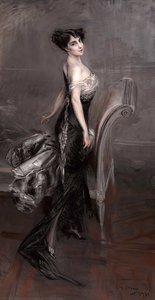
Artist Biography
A Master of Swish: The Life and Art of Giovanni Boldini
Giovanni Boldini, a name synonymous with the elegance and allure of the Belle Époque, was an Italian artist who carved his niche in Parisian society as a celebrated portraitist. Born on December 31, 1842, in Ferrara, Italy, Boldini’s artistic journey began under the guidance of his father, a painter specializing in religious subjects. This early exposure instilled in him a foundational understanding of technique and composition, yet it was his move to Florence in 1862 that truly ignited his creative spirit. There, he encountered the Macchiaioli—a group of Italian realist painters who foreshadowed Impressionism with their emphasis on light, color, and spontaneous execution. This encounter proved pivotal, influencing Boldini’s landscapes with a newfound vibrancy and responsiveness to nature. However, it was in capturing the essence of his subjects through portraiture that he would ultimately achieve lasting renown.From Florence to Parisian Society
Boldini's artistic path led him first to London, where he quickly gained recognition for his portraits of prominent figures like Lady Holland and the Duchess of Westminster. This early success paved the way for his relocation to Paris in 1872—a city that would become both his home and his muse. In Paris, Boldini immersed himself in the artistic milieu, befriending Edgar Degas and navigating the complex social landscape of the French capital. He developed a distinctive style characterized by its fluidity, dynamism, and an almost theatrical flair. His brushstrokes were not merely descriptive; they seemed to capture movement, personality, and the very air surrounding his subjects. This unique approach earned him the moniker “Master of Swish” in 1933, a testament to the graceful energy that permeated his work. He became *the* portraitist for Parisian high society, immortalizing the glamorous lives of actresses, socialites, and members of the aristocracy.Technique and Influences
Boldini’s technique was as captivating as the personalities he portrayed. His canvases were often large in scale, allowing him to convey a sense of grandeur and presence. He employed a loose, expressive brushstroke, building up layers of color to create texture and depth. This approach, combined with his keen eye for detail and ability to capture fleeting expressions, resulted in portraits that were both strikingly realistic and imbued with an undeniable sense of style. While influenced by the Macchiaioli’s emphasis on light and spontaneity, Boldini also drew inspiration from artists like John Singer Sargent and Paul Helleu, whose own dynamic brushwork resonated with his artistic sensibilities. He wasn't simply replicating likenesses; he was creating impressions—evocative representations of character and social standing. His portraits weren’t just images; they were statements.Legacy and Rediscovery
Throughout his career, Boldini exhibited widely, including at the Venice Biennale in 1895, 1903, 1905, and 1912. He received the Légion d'honneur for his contributions to the arts, solidifying his position as a leading figure in the Parisian art world. However, towards the end of his life, Boldini’s popularity waned as artistic tastes shifted. He continued to paint, but his work fell somewhat into obscurity until recent decades have witnessed a remarkable resurgence of interest. The rediscovery of lost works, such as the captivating portrait of Marthe de Florian found hidden away in a Parisian apartment in 2010, has reignited appreciation for Boldini’s artistry and brought renewed attention to his significant contribution to Belle Époque art. The story surrounding this painting—a forgotten treasure unearthed after decades of seclusion—only adds to the mystique that surrounds both the artist and his subjects.A Lasting Impression
Giovanni Boldini passed away in Paris on January 11, 1931, leaving behind a legacy as one of the most fashionable and innovative portrait painters of his time. His work continues to inspire artists and art enthusiasts alike, offering a glimpse into a bygone era of elegance, sophistication, and artistic brilliance. He wasn’t merely documenting society; he was celebrating it—capturing its beauty, its energy, and its enduring allure on canvas. Boldini's portraits remain powerful testaments to his skill, his vision, and his ability to transform the act of painting into a captivating performance.- Boldini’s influence can be seen in contemporary portraiture.
- His work is featured in major museums worldwide.
- The rediscovery of lost works continues to fuel scholarly interest.
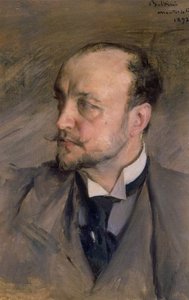
Giovanni Boldini
1842 - 1931 , Italy
Quick Facts
- Artistic Movement Or Style: Impressionism
- Artists Or Movements Influenced By This Artist: ['John Singer Sargent']
- Artists Who Influenced This Artist: ['Macchiaioli painters']
- Date Of Birth: December 31, 1842
- Date Of Death: July 11, 1931
- Full Name: Giovanni Boldini
- Nationality: Italian
- Notable Artworks:
- Countess de Rasty
- The Machine at Marly
- Place Of Birth: Ferrara, Italy
Related Articles
Giovanni Boldini: A Study in Belle Époque Portraiture & the Cult of Personality
Explore the captivating world of Giovanni Boldini, master of Belle Époque portraiture. Discover his signature style, iconic works like 'Miss Bell,' and lasting influence on art history. Expert analysis for collectors.
Echoes of a Turning Century: Artistic Responses to 1902 – A Year of Transition & Innovation
Explore the captivating art of 1902 – a pivotal year bridging Belle Époque elegance & Modernism's dawn. Discover artists like Chéret, Boldini & Luminist masters. Expert insights for collectors at ArtsDot.
Echoes of 1882: Art, Culture & the Belle Époque's Lasting Impression
Explore the art & culture of the Belle Époque! Discover Impressionism, Realism, and iconic Parisian paintings from Degas, Béraud & more. High-quality reproductions at ArtsDot.
Harmonies on Canvas: Exploring the Visual Representation of Music in Art History
Explore the fascinating history of music's visual representation in art! From ancient symbolism to modern abstraction, discover how artists have captured sound and emotion on canvas. Expert insights & stunning examples.
Jean-Georges Béraud: Capturing Parisian Life in the Belle Époque
Explore the captivating world of Jean-Georges Béraud, master painter of Belle Époque Paris. Discover his iconic scenes, artistic evolution, and social commentary. A deep dive into 19th-century French art.