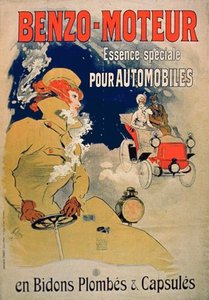

The Belle Époque: A World on the Cusp of Change
The Belle Époque (French pronunciation: [bɛlepɔk]) or La Belle Époque (French for 'The Beautiful Era') was a period of French and European history that began after the end of the Franco-Prussian War in 1871 and continued until the outbreak of World W...
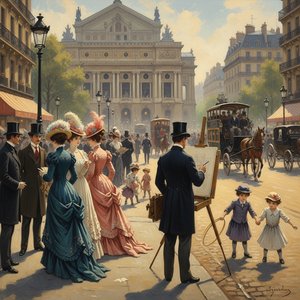
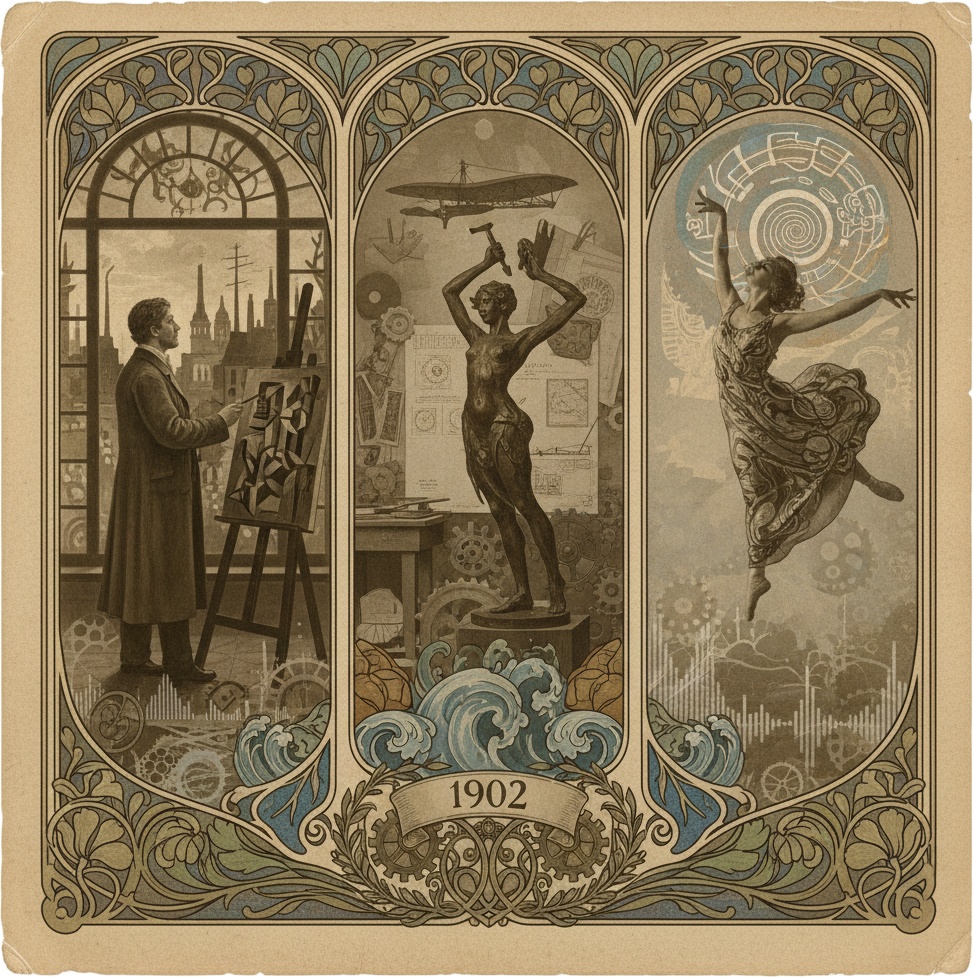
The years surrounding 1902 shimmer with a particular allure, often encapsulated by the French term *La Belle Époque* – “the beautiful era.” Yet to label it simply as ‘beautiful’ risks obscuring the complex currents swirling beneath the surface of this seemingly idyllic period. Following the Franco-Prussian War in 1871, Europe experienced a relative peace and prosperity that fostered an unprecedented flourishing of arts, science, and culture. This wasn't a utopia, however; it was a time of burgeoning nationalism, colonial expansion, and social inequalities – tensions that would ultimately erupt with the outbreak of World War I. Paris stood as the epicenter of this vibrant yet fragile world, a magnet for artists, writers, and intellectuals drawn by its atmosphere of optimism and innovation. The Exposition Universelle of 1900 had left an indelible mark, showcasing technological marvels like electricity and the Eiffel Tower, symbols of progress that simultaneously inspired awe and anxiety about the future.
From Realism to Symbolism: Shifting Artistic Paradigms in 1902
Symbolism or symbolist may refer to: Symbol, any object or sign that represents an idea == Arts == Artistic symbol, an element of a literary, visual, or other work of art that represents an idea Color symbolism, the use of colors within various cu...
The artistic landscape of 1902 was undergoing a profound transformation. While Realism, with its commitment to depicting life as it truly was, still held sway, a new sensibility was emerging – Symbolism. Artists began to reject the objective representation of reality in favor of exploring inner emotions, dreams, and spiritual realms. This shift wasn’t abrupt; rather, it represented a gradual move away from the concrete towards the abstract. Painters like Gustave Moreau and Odilon Redon paved the way for this new aesthetic, employing evocative imagery and ambiguous narratives to convey subjective experiences. The influence of Symbolism extended beyond painting, permeating literature with poets such as Stéphane Mallarmé and Charles Baudelaire, and music with composers like Claude Debussy. This fascination with the intangible reflected a growing disillusionment with materialism and a yearning for something more profound. It was a period where artists questioned established norms and sought new ways to express the complexities of the human condition.
Portraits of an Era: Capturing the Spirit of Belle Époque Society
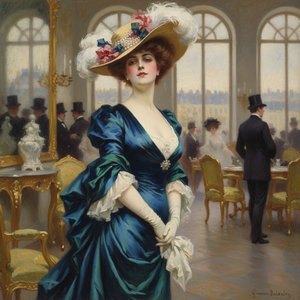 Giovanni Boldini: A Study in Belle Époque Portraiture & the Cult of Personality
Explore the captivating world of Giovanni Boldini, master of Belle Époque portraiture. Discover his signature style, iconic works like 'Miss Bell,' and lasting influence on art history. Expert analysis for collectors.
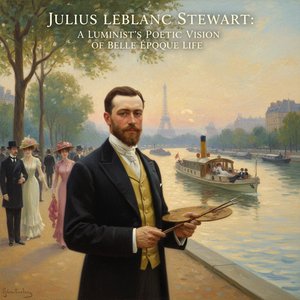
The portraiture of 1902 offers a fascinating glimpse into the lives and aspirations of the era’s elite. Artists like Giovanni Boldini masterfully captured the elegance, sophistication, and often, the underlying anxieties of their subjects. Boldini's signature style – characterized by loose brushstrokes, vibrant colors, and an emphasis on capturing personality – became synonymous with Belle Époque portraiture. His iconic painting ‘Miss Bell’ exemplifies this approach, portraying a woman radiating confidence and allure. Julius Leblanc Stewart, another prominent portraitist, embraced Luminism, employing subtle gradations of light to create portraits that possessed a serene and almost ethereal quality. These weren't merely likenesses; they were carefully constructed representations of social status, wealth, and cultural identity. The fashionable attire, the opulent settings, and the confident poses all spoke volumes about the values and aspirations of Belle Époque society. Even in these seemingly celebratory depictions, however, one can detect a sense of fragility – a premonition of the changes to come.
The Rise of Modernity: Early Seeds of a Revolution
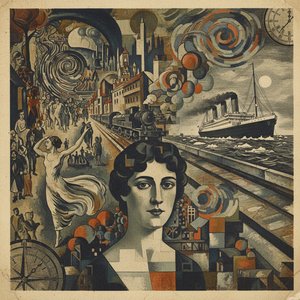
Beneath the surface of Belle Époque elegance lay the nascent seeds of Modernism. The rapid technological advancements and urbanization were profoundly altering the fabric of society, leading to feelings of alienation and fragmentation. Artists began to experiment with new forms of expression that reflected this changing world. While not yet fully formed, elements of abstraction and subjective experience started to appear in paintings and sculptures. The influence of Japanese prints – *ukiyo-e* – became increasingly apparent, inspiring artists to explore flattened perspectives, bold compositions, and unconventional subject matter. Pablo Picasso’s early works from this period demonstrate a growing interest in these new aesthetic possibilities, foreshadowing the revolutionary style he would later develop. This experimentation wasn't limited to painting; it extended to architecture, literature, and music, as artists sought to break free from traditional conventions and forge a new artistic language.
Luminism and Beyond: Exploring Diverse Styles of 1902
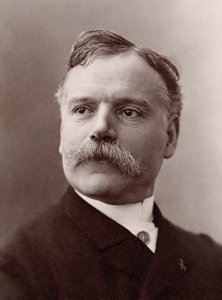 Jules Chéret
Jules Chéret (1836-1932): The 'Father of the Modern Poster'! Explore vibrant Belle Époque art, iconic advertising posters & elegant 'cherettes' capturing Parisian life.
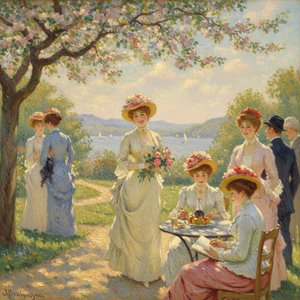
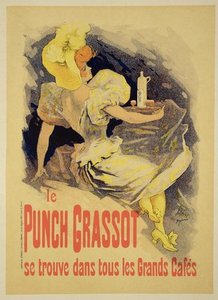
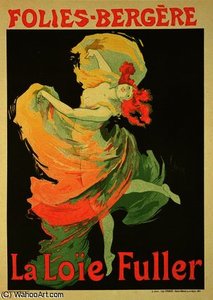
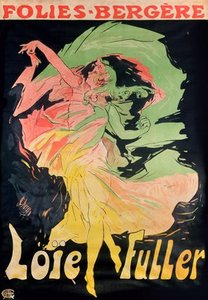
While Symbolism and the early stirrings of Modernism dominated the art world, other styles flourished in 1902. Luminism, with its emphasis on capturing the subtle effects of light and atmosphere, offered a counterpoint to the more subjective approaches of Symbolism. Artists like Julius Leblanc Stewart created landscapes that possessed a serene beauty and a sense of timelessness. The vibrant posters of Jules Chéret, often referred to as the “father of modern poster art,” captured the energy and glamour of Parisian nightlife. His *cherettes* – elegant depictions of women advertising cabarets and theaters – became iconic symbols of the Belle Époque. Alfred Choubrac similarly contributed to this flourishing poster culture, creating dynamic designs that promoted a wide range of entertainment venues. These artists weren’t confined to the traditional boundaries of fine art; they embraced commercial applications, bringing their artistic talents to a wider audience. The diversity of styles in 1902 reflects the era's complex and multifaceted nature – a world grappling with tradition and innovation.
Collecting the Echoes: Investing in Art from a Pivotal Year
Art from 1902 offers collectors a unique opportunity to acquire works that represent a pivotal moment in art history. These paintings, posters, and sculptures capture the spirit of an era on the cusp of change – bridging the elegance of the Belle Époque with the revolutionary ideas of Modernism. Investing in artists like Boldini, Chéret, Stewart, and even early works by Picasso provides not only aesthetic pleasure but also a tangible connection to a fascinating period. At ArtsDot, we specialize in handmade oil paintings and museum-quality prints, allowing you to experience the beauty of these masterpieces firsthand. Our commitment to authenticity and quality ensures that each reproduction is crafted with meticulous attention to detail, capturing the brushstrokes, textures, and colors of the original artwork. Whether you’re a seasoned collector or just beginning your art journey, exploring the art of 1902 offers a rewarding and enriching experience. Discover the echoes of a turning century – and bring a piece of history into your home.