

 Preview
 Send
Send Share
Share
 Details

 Download
 Similars
 X-Ray
X-Ray Diaporama
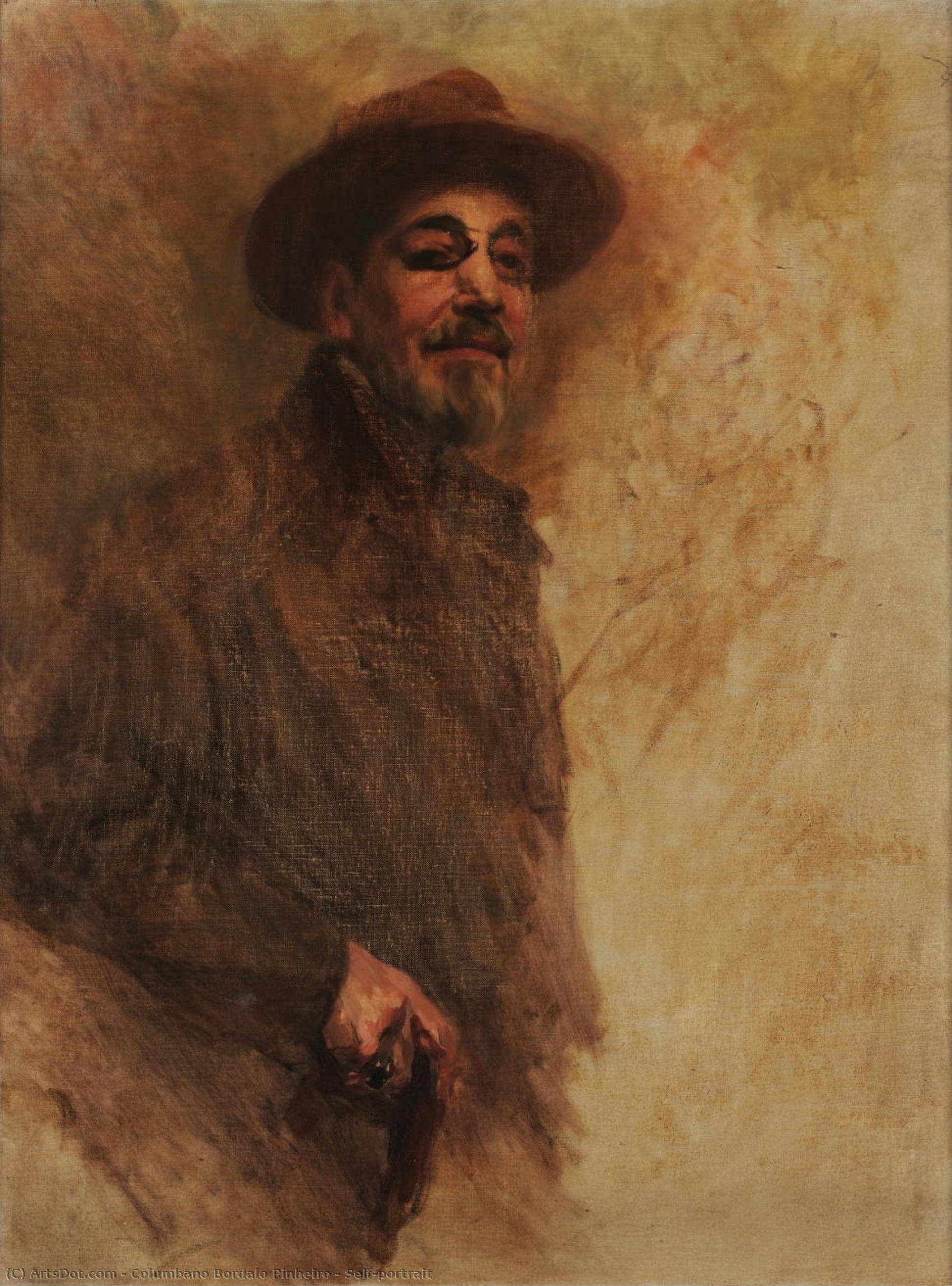
Self-portrait
 Acrylic On Canvas
- WallArt
- Contemporary Realism
 1929
1929 National Museum of Contemporary Art - Museu do Chiado
 Read More
Purchase a high-resolution, enhanced digital image, far superior to the online preview.
Each file is meticulously prepared by our in-house specialists using advanced tools and expert manual retouching. We ensure every image has exceptional clarity, precise color accuracy, and fine detail.
The final file is delivered via email within 72 hours, optimized for immediate use in professional, editorial, and print environments. This is the same quality trusted by top-tier design studios, publishers, and galleries.
Digital Image
Download a high-resolution file for personal display, printing, and creative projects. ( Buy Print Buy Hand Made Painting)
Included in Every Digital Image Order
Expert Digital Delivery, Guaranteed
When you choose ArtsDot.com, you're not just getting an image - you're receiving a professionally enhanced digital artwork, crafted with precision and backed by a satisfaction guarantee. Here's everything that comes with your order, automatically:

Fast Email Delivery
Your high-resolution digital image file will be emailed to you within 72 hours of ordering - ready for immediate use.

AI-Enhanced Digital File
Your artwork is professionally optimized using advanced AI tools and manual editing, ensuring maximum detail, clarity, and color accuracy.

Free Lifetime Re-Delivery
Accidentally deleted or lost your file? No worries - we'll resend it to you anytime, free of charge.

No Import Fees - Ever
Enjoy your artwork instantly with zero customs, duties, or delivery fees - digital downloads are always tax-free.

Color Accuracy Guarantee
We ensure your digital image reflects the original colors as closely as possible using professional tools and color management.

60-Day Satisfaction Guarantee
If you're not satisfied with your digital image, we'll revise it or refund 100% within 60 days - no questions asked.

100% Money-Back Guarantee
Not satisfied? Get a full refund within 60 days of receiving your digital file - no questions asked.

Bulk Order Discounts
Buy 3 images, save 10% - Buy 5, save 15% - Buy 10+, save 20%. Great for creative projects, galleries, and agencies.
Collectible Description
A Window Into Portuguese Soul: Examining Columbano Bordalo Pinheiro’s “Self-Portrait”
Columbano Bordalo Pinheiro stands as Portugal's undisputed champion of Realism during the late 19th and early 20th centuries, a legacy cemented by his profound understanding of human psychology and masterful execution. His oeuvre transcends mere representation; it’s an invitation into the artist’s inner world—a realm meticulously rendered on canvas with unwavering precision.
- Subject Matter: Bordalo Pinheiro's “Self-Portrait,” painted in 1929, is a strikingly honest depiction of his own visage. Unlike many portraits of his era that prioritized idealized beauty, this work confronts viewers with unflinching realism—a gaze directed slightly off camera, hinting at contemplation and introspection.
- Style & Technique: The painting embodies the tenets of Naturalism, championed by artists like Émile Zola and Jules Bastien-Lepage. Bordalo Pinheiro employed a meticulous layering technique—thin glazes applied over underdrawings—to achieve luminous tonal gradations and capture subtle nuances of skin texture. This painstaking process reflects his dedication to capturing the essence of human experience.
- Historical Context: Created during Portugal’s Belle Époque, “Self-Portrait” speaks to a period marked by intellectual ferment and artistic experimentation. Bordalo Pinheiro absorbed influences from Impressionism and Symbolism, blending them into his distinctive style—a testament to the dynamism of European art at the time.
- Symbolism: Beyond its visual qualities, the portrait carries symbolic weight. The artist’s gaze embodies a desire for self-awareness and an acknowledgement of mortality—themes prevalent in Symbolist art. Furthermore, the inclusion of his wife on the right side of the canvas suggests a celebration of domestic harmony and familial bonds.
- Emotional Impact: Viewing Bordalo Pinheiro's “Self-Portrait” evokes a sense of quiet contemplation and empathy. The artist’s gaze invites viewers to consider their own identities and experiences—a powerful reminder that art can transcend mere aesthetics to illuminate the human condition.
The painting itself is displayed on a wall, showcasing its artistic qualities. The background features some trees, adding depth and interest to the composition. Overall, this self-portrait captures the artist’s unique style and character in a visually appealing manner.
Exploring Bordalo Pinheiro's Artistic Vision
Bordalo Pinheiro’s approach to portraiture wasn’t simply about capturing likeness; it was about conveying inner life—a feat accomplished through careful observation and masterful brushwork. His canvases are imbued with a palpable sense of atmosphere, reflecting his belief that art should engage all the senses.
- Influence: Bordalo Pinheiro's work owes considerable debt to Wilhelm Leibl, whose portraits prioritized psychological realism above all else. Leibl’s insistence on capturing the sitter’s emotional state—a characteristic found throughout Bordalo Pinheiro’s oeuvre—demonstrates the artist’s commitment to portraying human vulnerability.
- Materials & Process: Bordalo Pinheiro utilized oil paints mixed with turpentine and linseed oil, applying them in thin glazes over underdrawings. This technique allowed him to achieve remarkable tonal accuracy and luminosity—a hallmark of his artistic style.
A Legacy of Portuguese Realism
Columbano Bordalo Pinheiro’s “Self-Portrait” remains a cornerstone of Portuguese art history, embodying the ideals of Naturalism and Symbolism while simultaneously elevating portraiture to new heights of psychological insight. Its enduring appeal lies in its ability to resonate with viewers across generations—a testament to the artist's timeless vision.
- Museum Display: The painting is housed in the Museu Nacional de Arte Contemporânea – Museu do Chiado, Lisbon, Portugal, where it continues to inspire admiration and scholarly debate. Its prominent position within the museum’s collection underscores its significance as a masterpiece of Portuguese Realism.
The artist's outfit includes a jacket, which adds an element of formality to the scene. The painting itself is displayed on a wall, showcasing its artistic qualities. The background features some trees, adding depth and interest to the composition. Overall, this self-portrait captures the artist’s unique style and character in a visually appealing manner.
Related Artworks

Artist Biography
A Portuguese Master of Realism: The Life and Art of Columbano Bordalo Pinheiro
Columbano Bordalo Pinheiro, born in 1857 amidst the artistic ferment of Portugal, stands as a pivotal figure in the nation’s art history. He wasn't merely a painter; he was a chronicler of his time, a psychological portraitist who delved into the very soul of Portuguese society during a period of profound change. Born into an already established artistic lineage – his father, Manuel Maria Bordalo Pinheiro, was a celebrated Romantic painter, and his brother Rafael a renowned caricaturist – Columbano inherited a creative spirit that would blossom into a uniquely compelling vision. His early training under his father, alongside sculptors like Simões de Almeida and Miguel Ângelo Lupi, laid the foundation for a career marked by meticulous observation and technical skill. However, it was a scholarship to study in France in 1881 that truly ignited his artistic trajectory, exposing him to the burgeoning movements of Naturalism, Realism, and Impressionism. While absorbing influences from masters like Courbet, Manet, and Degas, Bordalo Pinheiro never succumbed to imitation; he forged a style distinctly his own—often characterized by a somber palette and an introspective quality that resonated deeply with the Portuguese temperament.The ‘Grupo do Leão’ and the Embrace of Naturalism
Bordalo Pinheiro wasn't content to remain solely within the confines of his studio. He actively engaged with the intellectual currents of his day, becoming a co-founder of the influential 'Grupo do Leão' (The Lion’s Group). This gathering of artists, writers, and thinkers convened at Lisbon’s ‘Leão de Ouro’ restaurant, serving as a vibrant hub for debate and artistic innovation. It was here that Naturalism was passionately proclaimed as an antidote to the perceived constraints of academic art. This commitment to representing life truthfully, without idealization or romantic embellishment, became a defining characteristic of Bordalo Pinheiro's work. He sought to capture not just the outward appearance of his subjects but also their inner lives, their anxieties, and their complexities. This is particularly evident in his portraits, which are far more than mere likenesses; they are penetrating psychological studies. He wasn’t simply painting *what* people looked like, but *who* they were—their vulnerabilities, their ambitions, and the weight of their experiences etched onto their faces.Portraits as Windows to the Soul
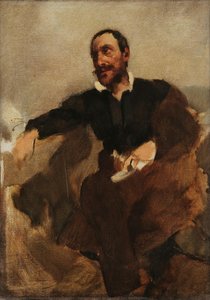
Bordalo Pinheiro's mastery truly shone in his portraiture. He became the favored painter of Portugal’s leading intellectuals, writers, and cultural figures—José Maria de Eça de Queiroz, Teófilo Braga, Raul Brandão all sat for him. These weren’t commissions undertaken lightly; Bordalo Pinheiro approached each subject with a profound sense of responsibility, striving to capture not just their physical features but also the essence of their character. Perhaps his most famous portrait is that of the poet Antero de Quental, completed in 1889. The painting possesses an unsettling premonition, seeming to anticipate Quental’s tragic suicide shortly thereafter—a testament to Bordalo Pinheiro's uncanny ability to perceive and portray the hidden depths of the human psyche. Works like “Portrait of Cunha Vasco” demonstrate his dramatic use of light and shadow, highlighting the subject’s intellectual intensity and inner turmoil. He didn't shy away from portraying flaws or vulnerabilities; instead, he embraced them as integral parts of what made each individual unique.Beyond Portraiture: A Legacy of Republicanism and Artistic Leadership
Bordalo Pinheiro’s influence extended far beyond the canvas. A staunch republican, he actively participated in the political life of Portugal, even designing the flag for the newly proclaimed republic in 1910. His commitment to his nation led to his appointment as director of the National Museum of Contemporary Art (now the Chiado Museum) in Lisbon, a position he held from 1914 to 1927. During his tenure, he championed modern art and worked tirelessly to build a collection that reflected the evolving artistic landscape of Portugal. His own paintings, such as “The Peasant of Fontainebleau” and “Difficult Trial”, showcase not only his technical prowess but also his willingness to engage with social issues and explore themes of labor, introspection, and the human condition. He was a painter who understood that art wasn’t merely about aesthetics; it was about reflecting the world around him—its beauty, its struggles, and its complexities.A Lasting Influence: The Greatest Portuguese Painter of His Century
Columbano Bordalo Pinheiro passed away in 1929, leaving behind a legacy that continues to resonate with art lovers today. He is widely regarded as the greatest Portuguese painter of the 19th century, often compared to masters like Wilhelm Leibl and John Singer Sargent for his technical skill and psychological insight. His work remains on display at the Chiado Museum in Lisbon, along with other significant collections such as Casa-Museu Dr. Anastácio Gonçalves, offering a glimpse into the world he so vividly portrayed. He wasn’t simply a recorder of history; he was an interpreter of the human spirit—a master of realism who captured the essence of his time and left an indelible mark on Portuguese art and culture. His paintings continue to invite viewers to contemplate the complexities of life, the depths of the human soul, and the enduring power of artistic expression.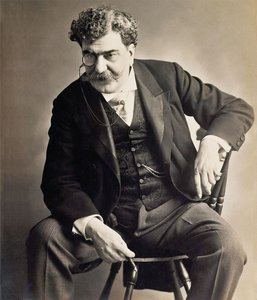
Columbano Bordalo Pinheiro
1857 - 1929 , Portugal
Quick Facts
- Artistic Movement Or Style: Realism, Naturalism
- Artists Who Influenced This Artist:
- Courbet
- Manet
- Degas
- Date Of Birth: November 21, 1857
- Date Of Death: 1929
- Full Name: Columbano Bordalo Pinheiro
- Nationality: Portuguese
- Notable Artworks:
- Antero de Quental portrait
- Cunha Vasco portrait
- The Peasant of Fontainebleau
- Difficult Trial
- Place Of Birth: Faro, Portugal

