 Preview
 Send
Send Share
Share
 Details

 Download
 Similars
 X-Ray
X-Ray Diaporama
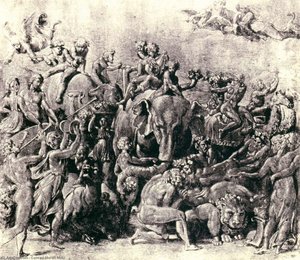
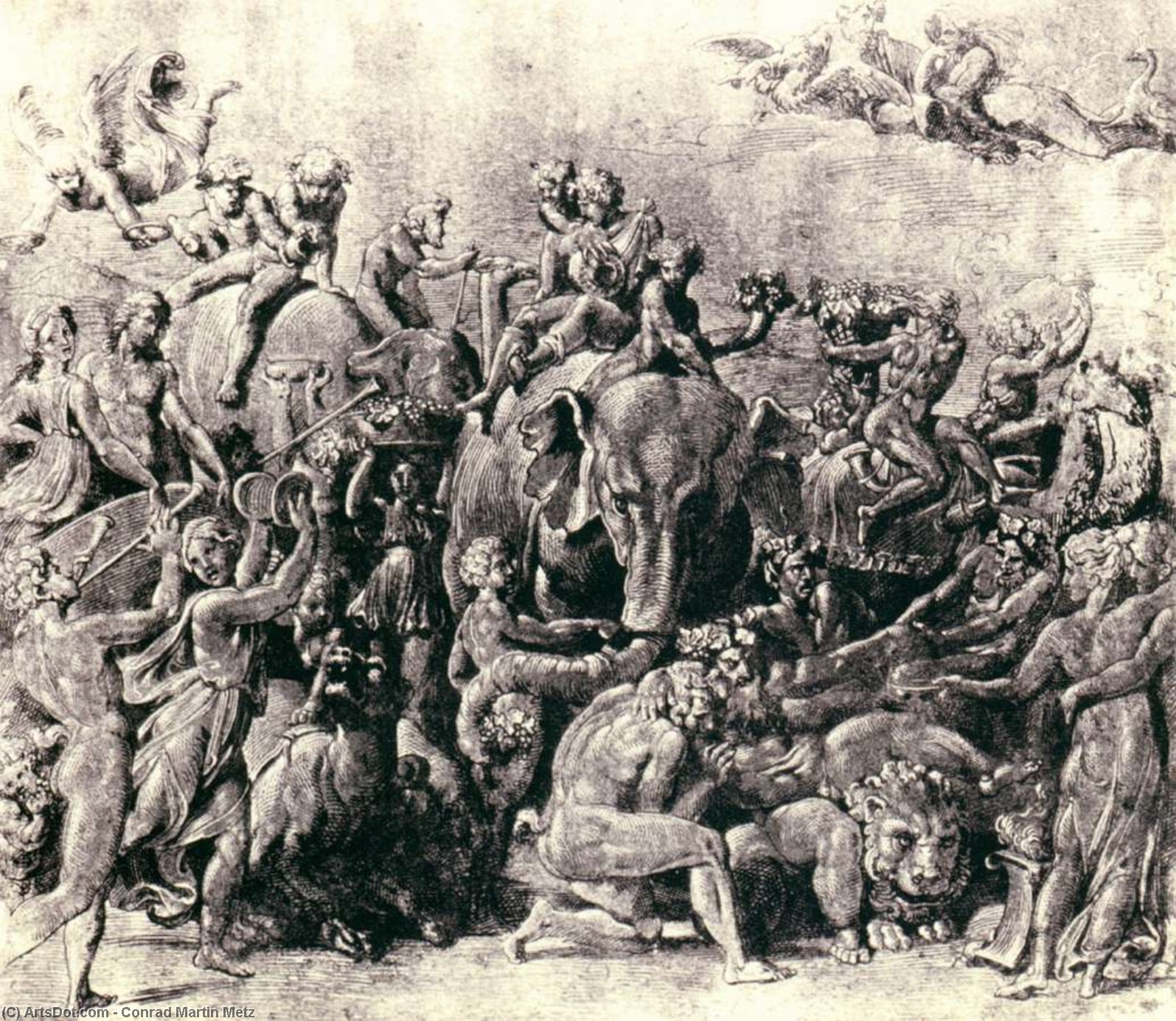
The Triumph of Bacchus in India
 Acrylic On Canvas
- WallArt
- Baroque
 1789
1789 352.0 x 385.0 cm
 British Museum
 Read More
Hand Made Oil Reproduction
Hand-painted oil on canvas in your size and frame, made to order by our artists. ( Buy Print Buy Image)




P118B $10

P118H $10

P118W $10

P438Z $10

P508JH $12

P508YH $12

P805H $10

P805Z $10

P919BZ $10

P919G $10

P919XJ $10

P959ZH $10

P968JZ $12

W106C $8

W218G $10

W218JH $8

W218Y $10

W307PJ $10

W316G $10

W316PJ $8

W316Y $10

W398PJ $8

W4111J $10

W500HY $15

W500JH $15

W692G $12

W849H $8

W940BG $15

W953PJ $8




Pick from our preset sizes that match the artwork's original proportions.

You may enter your own dimensions to fit a specific frame or space. If your selected size does not match the original image's proportions, we will either crop the artwork or extend the painting with additional hand-painted elements. A digital mockup will be sent for your approval before production begins.
Please note that the on-screen preview does not reflect the actual cropping or extension. Only the mockup will accurately show the final composition.
While custom sizes are available, we recommend selecting a dimension from the predefined list to preserve the original proportions.
After order, ArtsDot.com team will email client for instructions and provide a mockup preview
Worldwide Delivery () in 3/4 weeks instead of standard 5 weeks. (26 August). No compromise on quality.

Free Worldwide Express Shipping

High-Quality Linen Canvas

Full Shipping Insurance

Customs Tax Refund Guarantee

True Color Matching Guarantee

60-Day Return Policy (Defects Only)

100% Money-Back Guarantee

Bulk Discount Offer
 Glass option is only available in size under 110 CM

The Triumph of Bacchus in India
Reproduction Medium
Reproduction Size
-


Total Price
$ 313
Artwork Description
A Chaotic Triumph: Conrad Martin Metz’s ‘The Triumph of Bacchus in India’
Conrad Martin Metz’s “The Triumph of Bacchus in India,” completed in 1789, stands as a testament to the Baroque spirit's enduring fascination with mythological grandeur and dramatic visual storytelling. Executed on paper using pen and ink—likely augmented with subtle white chalk highlights—this monumental artwork transports viewers into a whirlwind of action and fervor, capturing a scene steeped in biblical allegory and infused with the stylistic hallmarks of Mannerism.
- Subject Matter & Narrative: The composition depicts an overwhelming battle or celebration featuring figures engaged in a tumultuous struggle. Recurring references to Revelation—angels battling demons amidst a chaotic landscape—underscore its apocalyptic undertones, emphasizing themes of divine triumph over darkness and highlighting the ascent of humanity towards spiritual enlightenment.
- Style & Technique: Metz’s masterful application of Mannerist principles is immediately apparent. Figures are elongated and stylized, gestures exaggerated to convey intense emotion, mirroring the artistic movement's rejection of naturalism in favor of expressive distortion. The technique relies heavily on meticulous cross-hatching—a hallmark of Baroque engraving—creating a textured surface that convincingly simulates stone or marble, lending an air of solemn grandeur to the scene.
- Historical Context: Produced during the late Enlightenment and early Romantic periods, “The Triumph of Bacchus” reflects the intellectual currents of its time – a preoccupation with biblical narratives and a desire to explore profound philosophical concepts. Metz’s work aligns perfectly with the broader artistic revival occurring in Rome at the time, capitalizing on the rediscovery of classical ideals and embracing dramatic visual language.
- Symbolism & Imagery: The artwork is replete with symbolic elements designed to communicate complex theological ideas. The elephant embodies majesty and power—a common motif in royal portraits—while the lion symbolizes courage and nobility. Angels ascend amidst a swirling vortex, representing divine intervention and spiritual ascension, reinforcing the overarching narrative of victory over evil.
- Emotional Impact: “The Triumph of Bacchus” evokes a palpable sense of unease and excitement simultaneously. The monochromatic palette contributes to an atmosphere of solemn contemplation, yet the dynamic composition—characterized by movement and distortion—captures the visceral energy of conflict and celebrates the triumph of faith over adversity. It’s a piece that compels viewers to confront existential questions and appreciate the sublime beauty found within dramatic visual expression.
A reproduction of Metz's “The Triumph of Bacchus in ArtsDot.com offers an unparalleled opportunity to experience this iconic Baroque artwork firsthand, bringing its captivating narrative and masterful technique into your home or studio.
Related Artworks




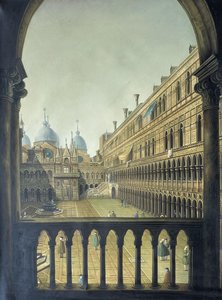
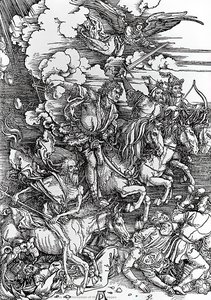
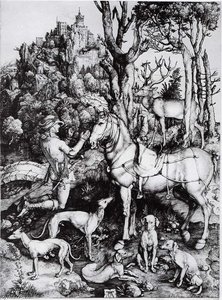

Artist Biography
The Visionary Precision of Conrad Martin Metz
In the grand tapestry of late Enlightenment and early Romantic art, few threads are as intricately woven as those spun by Conrad Martin Metz. Born in Bonn, Germany, in 1749, Metz emerged not merely as a craftsman of lines, but as a storyteller of the classical soul. His life was a journey through the most vibrant intellectual centers of Europe, moving from the rigorous academic traditions of London to the sun-drenched, antiquity-rich streets of Rome. This movement allowed him to bridge the gap between the structured elegance of the late Baroque and the burgeoning emotional depth of Neoclassicism, creating a body of work that resonates with both technical perfection and mythological grandeur.
The foundation of Metz’s mastery was laid through a disciplined education that balanced the precision of mathematics and natural sciences with the profound beauty of classical studies. This humanist approach is evident in every etching and drawing he produced. His artistic trajectory was irrevocably shaped by his mentorship under Francesco Bartolozzi, one of the most celebrated engravers of the era. Under Bartolozzi’s guidance at the Royal Academy Schools in London, Metz mastered the delicate nuances of printmaking, learning to manipulate light and shadow with a virtuosity that would become his hallmark. He adopted and refined advanced techniques such as aquatint and roulette, allowing him to achieve tonal gradations and textures that breathed life into static plates.
A Symphony of Myth and Masterpiece
Metz’s oeuvre is a profound exploration of the ancient world, where Greek and Roman myths are resurrected through ink and paper. His work often serves as a visual dialogue with the Old Masters; he frequently engraved religious and mythological subjects after the likes of Michelangelo and Raphael, effectively acting as a conduit between the Renaissance giants and the contemporary audiences of the eighteenth century. His ability to translate the monumental scale of frescoed ceilings into the intimate medium of printmaking was nothing short of extraordinary. One of his most ambitious undertakings involved a massive fifteen-plate engraving of Michelangelo’s Last Judgment, a project that showcased his capacity for handling complex, crowded compositions and dramatic, divine tension.
Beyond the grand scale of his engravings, Metz possessed a remarkable ability to capture the ephemeral. His drawings—often executed in pen, brown ink, and wash—reveal a sensitive hand capable of rendering the soft curve of a putto or the tragic weight of a mythological catastrophe. In works such as The Death of the Children of Niobe, created during his later years in Rome, one can witness the intersection of his technical skill and his emotional depth. These pieces are not merely illustrations; they are meditations on fate, beauty, and the enduring power of classical tragedy, often incorporating references to ancient sculptures that ground his imagination in the physical reality of Roman antiquity.
Legacy of an International Master
The historical significance of Conrad Martin Metz lies in his role as a pivotal figure in the international Neoclassical style. By settling in Rome in 1801, where he remained until his death in 1827, he became part of the living pulse of classical revivalism. His work helped define the aesthetic standards of an era that sought to find order and nobility in the ruins of the past. Through his prolific output of engravings and illustrations, he disseminated the beauty of classical motifs across Europe, influencing the visual language of both the scholarly elite and the broader public.
Today, the legacy of Metz is preserved in the hallowed halls of the world's greatest institutions, including the British Museum, the Metropolitan Museum of Art, and the National Gallery of Art. His contributions can be summarized through several enduring artistic pillars:
- Technical Innovation: The masterful application of aquatint and soft-ground etching to achieve unprecedented textural depth.
- Classical Preservation: The role of an engraver as a bridge, bringing the monumental works of the Renaissance to a wider, contemporary audience.
- Narrative Depth: A unique ability to imbue mythological scenes with a sense of psychological realism and dramatic movement.
- Cultural Synthesis: The blending of German precision, English academic training, and Italian classical inspiration into a singular, cohesive style.
Conrad Martin Metz remains a testament to the power of meticulous observation. His life’s work stands as a luminous reminder of a time when art sought to harmonize the rigorous logic of science with the boundless reaches of human myth.
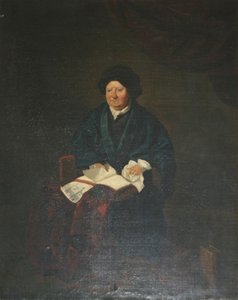
conrad martin metz
1749 - 1827 , Italy
Quick Facts
- Artistic Movement Or Style: Baroque & Rococo
- Artists Or Movements Influenced By This Artist: ['Michelangelo']
- Artists Who Influenced This Artist: ['Francesco Bartolozzi']
- Date Of Birth: Rome, Italy (1749)
- Date Of Death: 1827
- Full Name: Conrad Martin Metz
- Nationality: German
- Notable Artworks:
- The Triumph of Bacchus in India
- Saint-Martin
- Place Of Birth: Rome
Related Articles

Baroque Drama: Bringing Opulence & Emotion into Contemporary Interiors
Explore the opulent world of Baroque interior design! Discover key elements, modern applications & how to bring dramatic elegance into your home with 's authentic reproductions.

The Dramatic Flourish: Exploring the Baroque Movement's Enduring Legacy in Art History
Explore the dramatic world of Baroque art! Discover iconic artists like Caravaggio & Rubens, defining techniques, and its lasting impact on art history. Expert insights for collectors & enthusiasts at ArtsDot.

Baroque Masterpieces: 10 Paintings That Defined an Era |
Journey through the drama & grandeur of Baroque art! Explore 10 masterpieces by Caravaggio, Rembrandt, Rubens & more. Discover stunning oil paintings, rich colors & timeless stories. Find museum-quality reproductions at .
Echoes of Olympus: Mythological Narratives in Western Art Through the Ages
Explore the captivating history of mythological narratives in Western art! From ancient Greece to modern masterpieces, discover iconic artworks & symbolism. Expert analysis and high-quality reproductions at ArtsDot.

The Visceral Stage: Exploring Dramatic Narratives & Emotional Intensity in Baroque Art
Explore the dramatic world of Baroque art! Discover iconic masters like Caravaggio & Rembrandt, their techniques, and the movement's lasting impact. Expert insights for collectors & enthusiasts at ArtsDot.