The Ancient Roots: Mythology's Genesis in Greek & Roman Art
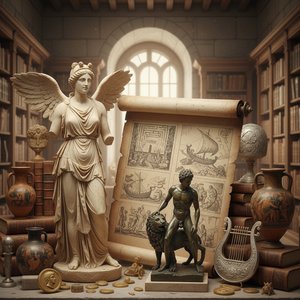
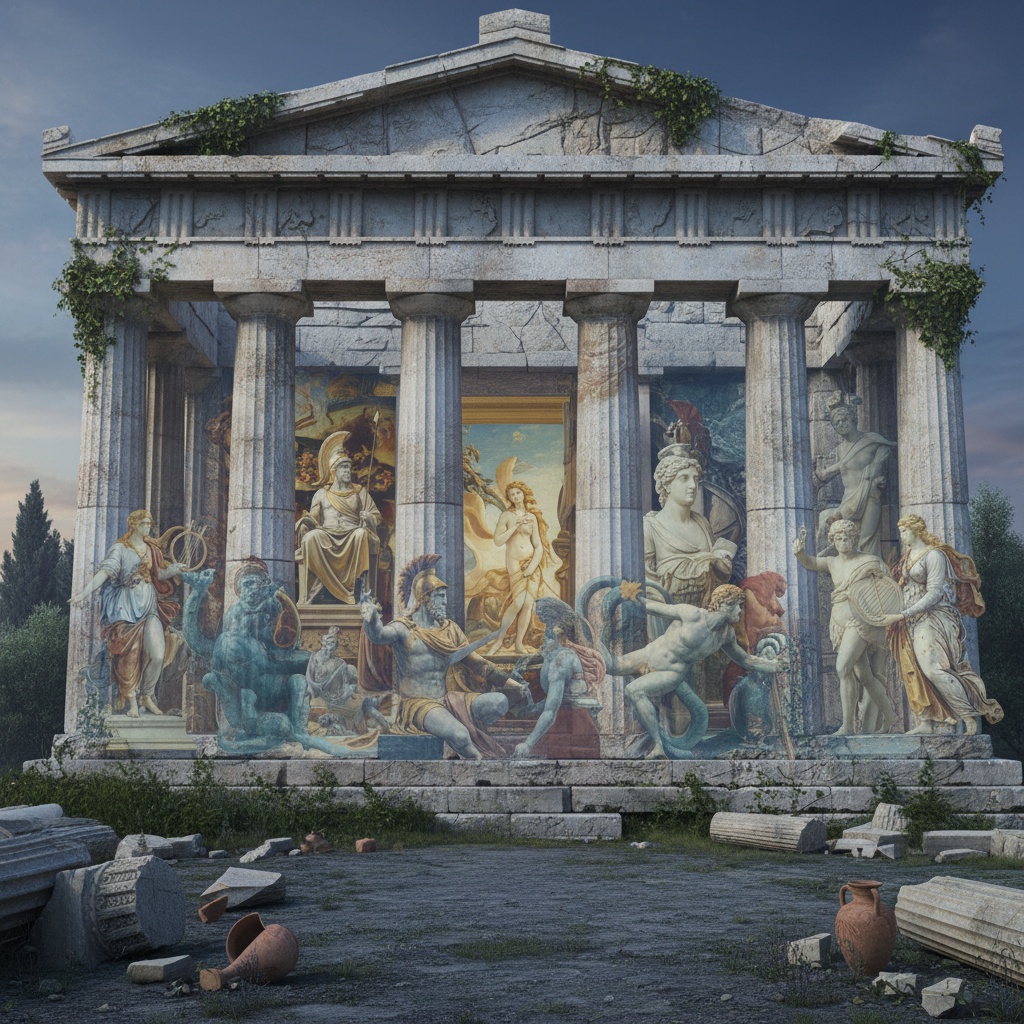
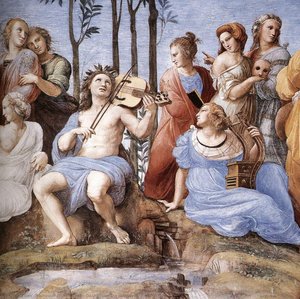
The very foundations of Western artistic expression are inextricably linked to the myths of ancient Greece and Rome. Before history as we know it was meticulously recorded, stories—passed down through oral tradition—served as explanations for the natural world, moral guides, and reflections of human aspirations and fears. These narratives weren’t simply tales; they were a worldview embodied in form, finding their earliest expression in pottery, sculpture, and monumental architecture. The Greeks, with their emphasis on idealized human forms, depicted gods and goddesses not as distant, ethereal beings but as anthropomorphic figures possessing both divine power and relatable flaws. Consider the countless iterations of Zeus, Hera, Poseidon – each statue a testament to the reverence, and sometimes trepidation, felt towards these powerful deities. Early vase paintings, often depicting scenes from Homer’s epics—the Iliad and the Odyssey—offer invaluable insights into the visual culture of the time, showcasing not only the stories themselves but also the evolving artistic techniques used to capture them.
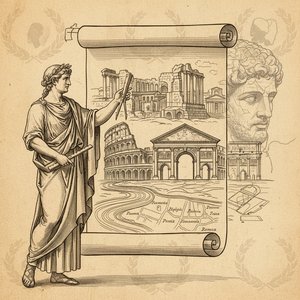
The Romans, inheriting much of Greek mythology (often adapting it with their own unique spin), further solidified its presence in art. While perhaps less focused on pure idealism than their Greek predecessors, Roman artists excelled at narrative storytelling and realism. Frescoes adorning the walls of Pompeii and Herculaneum provide a vivid glimpse into daily life interwoven with mythological motifs – scenes of Dionysian revelry, heroic battles, and domestic rituals all bearing witness to the enduring power of these ancient tales. The emphasis shifted towards celebrating Roman virtues—strength, duty, and piety—often reflected in depictions of founding myths like Romulus and Remus, subtly reinforcing societal values through artistic representation.
Renaissance Rebirth: Humanism, Allegory, and Mythological Revival
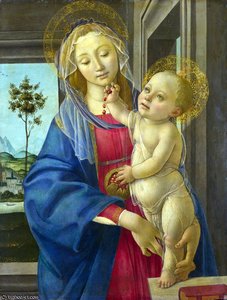 Workshop of Sandro Botticelli - The Virgin and Child with a Pomegranate
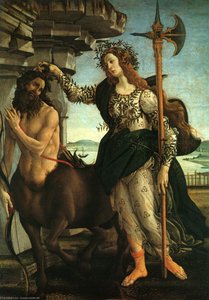
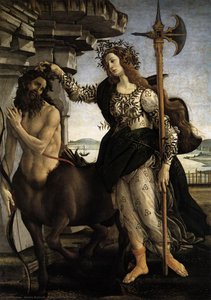
The Renaissance witnessed a profound rediscovery of classical antiquity, sparking an unparalleled flourishing of art and intellectual thought. This wasn’t merely a nostalgic return to past styles; it was a deliberate reimagining of classical ideals through the lens of burgeoning humanism—a philosophical movement that placed emphasis on human potential and achievement. Artists like Sandro Botticelli masterfully blended religious themes with mythological subjects, creating works imbued with layers of symbolic meaning. His “Madonna and Child with Eight Angels,” for example, while ostensibly a devotional piece, subtly incorporates classical allusions, hinting at the harmony between Christian faith and ancient wisdom. The workshop of Botticelli’s “The Virgin and Child with a Pomegranate” exemplifies this delicate balance, using symbolism – the pomegranate representing fertility and resurrection – to enrich the narrative.
However, it was artists like Lorenzo di Bicci who truly captured the spirit of Renaissance storytelling through bright colors and precise execution. His devotional works commissioned by guilds and clergy often featured allegorical representations drawn from classical mythology, serving as visual parables for moral instruction. The 15th century saw a surge in paintings depicting scenes from Ovid’s *Metamorphoses*, providing artists with a rich source of inspiration for exploring themes of love, loss, transformation, and the power of fate. This period wasn't simply about replicating classical forms; it was about imbuing them with new meaning and relevance within a changing cultural landscape.
Baroque Drama & Rococo Frivolity: Myths as Spectacle and Symbol
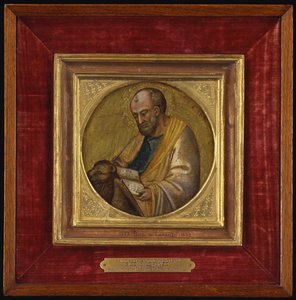 Lorenzo di Bicci
Lorenzo di Bicci (c. 1350-1427) was a pivotal Florentine painter known for bright colors, precise execution & devotional works commissioned by guilds & clergy. A key figure in 14th-century Italian art influencing artists like Jacopo di Cione.
The Baroque era, characterized by its dramatic intensity and emotional exuberance, saw mythology employed as a vehicle for spectacle and grandeur. Artists embraced dynamic compositions, rich colors, and theatrical lighting to create immersive experiences that captivated the senses. Mythological scenes were often used to glorify rulers and celebrate their power, transforming ancient tales into elaborate displays of courtly life and political ambition. The Rococo period, a later offshoot of Baroque aesthetics, took a lighter, more playful approach. While still drawing inspiration from mythology, artists like Fragonard favored themes of love, leisure, and aristocratic indulgence. Mythological figures were often depicted in idyllic settings, engaging in flirtatious encounters and whimsical pursuits—a far cry from the heroic battles and solemn allegories of earlier periods.
The emphasis shifted from moral instruction to pure aesthetic pleasure, with artists prioritizing elegance, grace, and sensuality. However, even within this seemingly frivolous context, mythological narratives retained a symbolic resonance, often serving as veiled commentaries on social conventions and romantic ideals.
Neoclassicism & Romanticism: Idealized Forms vs. Emotional Narratives
The 18th and 19th centuries witnessed a fascinating dichotomy in artistic approaches to mythology. Neoclassicism, inspired by the rediscovery of Pompeii and Herculaneum, sought to revive the purity and order of classical art. Artists like Jacques-Louis David embraced idealized forms, restrained compositions, and moralizing themes, often depicting scenes from Roman history and mythology as exemplars of civic virtue and heroic sacrifice. This was an era of reason and enlightenment, reflected in a preference for clarity, balance, and intellectual rigor.
In stark contrast, Romanticism rejected the constraints of Neoclassicism, embracing emotion, imagination, and individualism. Artists like Eugène Delacroix explored the darker, more turbulent aspects of mythology—the passions, anxieties, and existential struggles of gods and heroes. This period saw a renewed interest in folklore, exoticism, and the sublime power of nature, often depicted alongside mythological figures to create evocative and emotionally charged scenes. The emphasis shifted from objective representation to subjective experience, allowing artists to explore their own inner worlds through the lens of ancient tales.
Modern Interpretations: From Symbolism to Surrealism – Reimagining the Gods
The 20th century witnessed a radical departure from traditional artistic conventions, with artists experimenting with new forms, techniques, and subject matter. Mythology continued to serve as a source of inspiration, but it was often reinterpreted through the lens of modern anxieties, psychological theories, and social critiques. Symbolist painters explored the subconscious meanings embedded within mythological narratives, using evocative imagery and dreamlike compositions to convey complex emotions and ideas. Surrealists, fascinated by the irrational and the unconscious, embraced mythology as a source of archetypal symbols and fantastical imagery.
Even artists outside these specific movements engaged with mythological themes in innovative ways. Stanisław Szukalski, a Polish sculptor and painter known for his “Bent Classicism,” blended Slavic folklore, Aztec motifs, and Art Nouveau influences to create a unique visual language steeped in mythology and Zermatism theory. His work challenges conventional interpretations of classical forms, offering a provocative commentary on cultural identity and the power of myth.
Animal Symbolism in Mythological Art: A Recurring Motif
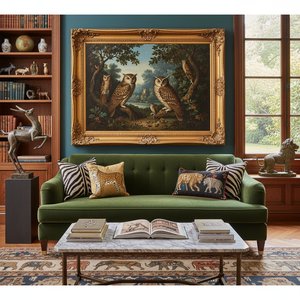 Animalia: Exploring the Enduring Presence of Animals in Art & Interior Design
Explore the rich history of animal symbolism in art, from ancient mythology to modern masterpieces. Discover how animals have inspired artists for centuries and learn how to incorporate these powerful motifs into your home décor.
Throughout Western art history, animals have consistently served as potent symbols within mythological narratives. From the majestic lions associated with strength and royalty to the cunning foxes representing trickery and intelligence, these creatures embody specific attributes and often act as intermediaries between the human and divine realms. Raphael’s “St. George and the Dragon,” for instance, isn't simply a depiction of a heroic battle; it’s a powerful allegory of Christian virtue triumphing over evil, with the dragon representing sin and temptation. The presence of animals in art also reflects humanity’s enduring fascination with the natural world and our attempts to understand its mysteries.
Whether depicted as companions, adversaries, or divine messengers, animals enrich mythological narratives, adding layers of meaning and symbolic resonance. Exploring these motifs provides valuable insights into the cultural values, beliefs, and anxieties of different societies throughout history. At ArtsDot, we offer stunning reproductions of masterpieces that showcase this rich tradition, allowing you to bring the timeless power of mythology into your own home. From iconic paintings to custom creations tailored to your specifications, our team is dedicated to providing high-quality artworks and exceptional customer service. Discover the enduring legacy of mythological art today – explore our collection at ArtsDot.com.