

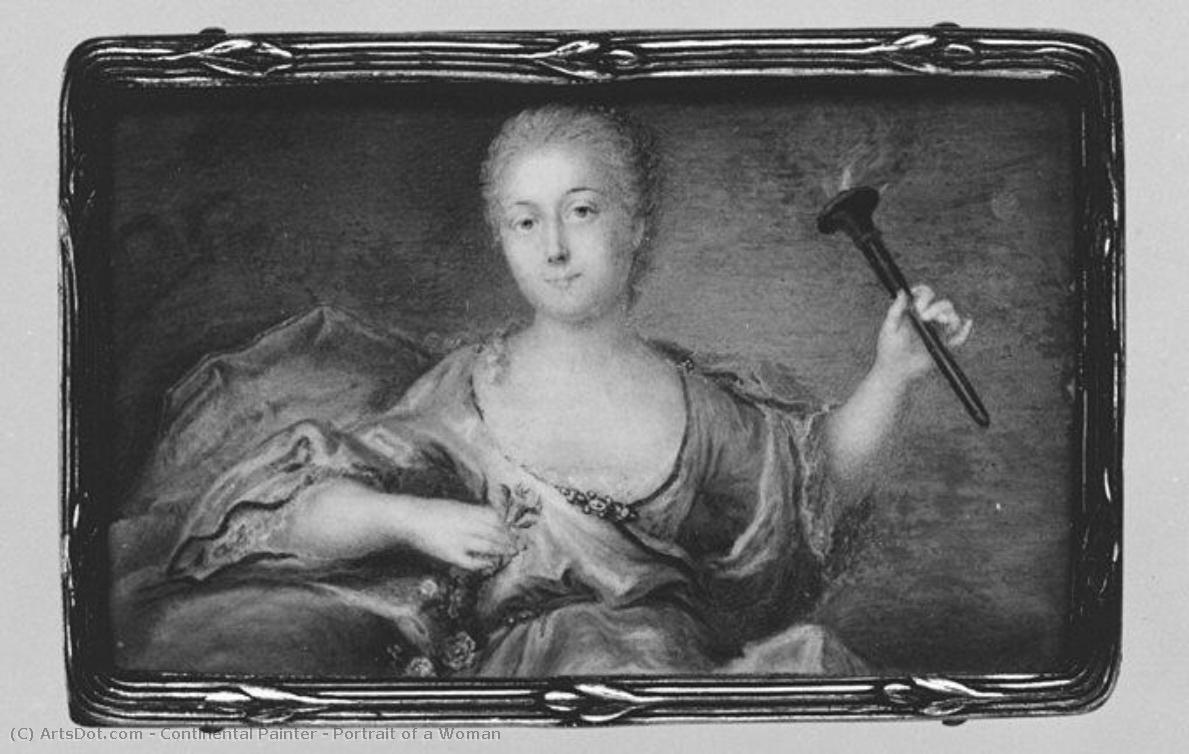
 Preview
 Send
Send Share
Share
 Details

 Download
 Similars
 X-Ray
X-Ray Diaporama
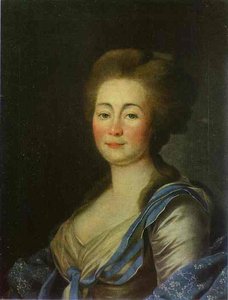
Portrait of a Woman
 Rococo
 4.0 x 6.0 cm
 Read More
Purchase a high-resolution, enhanced digital image, far superior to the online preview.
Each file is meticulously prepared by our in-house specialists using advanced tools and expert manual retouching. We ensure every image has exceptional clarity, precise color accuracy, and fine detail.
The final file is delivered via email within 72 hours, optimized for immediate use in professional, editorial, and print environments. This is the same quality trusted by top-tier design studios, publishers, and galleries.
Digital Image
Download a high-resolution file for personal display, printing, and creative projects. ( Buy Print Buy Hand Made Painting)
Included in Every Digital Image Order
Expert Digital Delivery, Guaranteed
When you choose ArtsDot.com, you're not just getting an image - you're receiving a professionally enhanced digital artwork, crafted with precision and backed by a satisfaction guarantee. Here's everything that comes with your order, automatically:

Fast Email Delivery
Your high-resolution digital image file will be emailed to you within 72 hours of ordering - ready for immediate use.

AI-Enhanced Digital File
Your artwork is professionally optimized using advanced AI tools and manual editing, ensuring maximum detail, clarity, and color accuracy.

Free Lifetime Re-Delivery
Accidentally deleted or lost your file? No worries - we'll resend it to you anytime, free of charge.

No Import Fees - Ever
Enjoy your artwork instantly with zero customs, duties, or delivery fees - digital downloads are always tax-free.

Color Accuracy Guarantee
We ensure your digital image reflects the original colors as closely as possible using professional tools and color management.

60-Day Satisfaction Guarantee
If you're not satisfied with your digital image, we'll revise it or refund 100% within 60 days - no questions asked.

100% Money-Back Guarantee
Not satisfied? Get a full refund within 60 days of receiving your digital file - no questions asked.

Bulk Order Discounts
Buy 3 images, save 10% - Buy 5, save 15% - Buy 10+, save 20%. Great for creative projects, galleries, and agencies.
Related Artworks
Artist Biography
The Enigmatic Continental Painter: A Legacy of Shadows and Light
The identity of the “Continental Painter,” a name adopted by a cluster of German artists spanning the late 18th and early 19th centuries, remains tantalizingly elusive. More than just a pseudonym, it represents a collective effort to establish a distinct artistic voice within the evolving landscape of European painting – a voice often characterized by a subtle melancholy, an appreciation for atmospheric depth, and a remarkable ability to capture fleeting moments of light and shadow. While individual painters utilized the moniker across various styles—portraits, landscapes, and still lifes—the consistent thread uniting them is a shared sensibility, a deliberate cultivation of mood, and a rejection of overtly flamboyant display. Their work, frequently unsigned or undated, has long been relegated to the margins of art history, yet a closer examination reveals an enduring influence on subsequent generations of German artists.
The origins of this artistic movement are somewhat shrouded in mystery, but it’s generally believed to have emerged as a reaction against the prevailing Neoclassical style dominating the early 19th century. Artists seeking a more expressive and emotionally resonant approach found themselves drawn to the atmospheric landscapes of the Romantic era, particularly those of German painters like Caspar David Friedrich. The Continental Painter's work reflects this influence, often depicting solitary figures set within vast, dramatic landscapes—a lone traveler contemplating a distant horizon, a shepherd gazing at a stormy sky, or a woman lost in thought amidst a field of wildflowers. These scenes are not merely representations of nature; they’re imbued with a sense of introspection and longing, inviting the viewer to contemplate the mysteries of existence.
- Early Influences: The Continental Painter's style draws heavily from both German Romanticism and the traditions of Dutch Golden Age painting. Artists like Rembrandt van Rijn, known for his masterful use of chiaroscuro (the dramatic contrast between light and dark), undoubtedly influenced their approach to composition and lighting.
- Portraiture: While landscapes constitute a significant portion of their oeuvre, the Continental Painter also produced numerous portraits—often characterized by a quiet dignity and an understated elegance. These portraits are not merely likenesses; they capture the inner lives of their subjects, revealing glimpses of personality and emotion through subtle gestures and expressions.
- Technical Skill: Despite the emphasis on mood and atmosphere, the Continental Painter’s work is also notable for its technical skill. They were accomplished draughtsmen and colorists, capable of rendering complex textures and intricate details with remarkable precision.
Hans Holbein the Younger: A Shadowy Ancestor
The persistent speculation surrounding the identity of the Continental Painter inevitably leads to comparisons with Hans Holbein the Younger (c. 1497 – 1543), a renowned German-Swiss painter who flourished during the Renaissance. Holbein, famed for his strikingly realistic portraits and his masterful use of perspective, is often cited as a potential influence on the Continental Painter’s style—particularly in their approach to portraiture. The shared emphasis on capturing psychological depth and conveying a sense of inner life is particularly striking. However, it's crucial to note that the Continental Painter’s work developed independently of Holbein, reflecting the unique artistic sensibilities of a later generation.
While the precise nature of their relationship remains uncertain, there are intriguing parallels between the two artists. Both were masters of observation and possessed an uncanny ability to capture the essence of their subjects. Both employed a subtle palette and favored muted tones—creating a sense of atmosphere and mood that is both evocative and deeply affecting. Furthermore, both worked within a period of significant social and political upheaval – Holbein during the Reformation and the Continental Painter amidst the rise of nationalism in 19th-century Germany.
It’s important to acknowledge that attributing direct influence can be problematic when dealing with pseudonymous artists. However, the stylistic similarities between Hans Holbein the Younger and the Continental Painter suggest a shared artistic lineage—a connection rooted in the rich traditions of German painting.The Unsigned Canvas: A Reflection of Artistic Identity
Perhaps the most defining characteristic of the Continental Painter’s work is its frequent lack of attribution. Many of their paintings remain unsigned, and even when identified by name, they are often presented anonymously—a deliberate strategy that underscores the collective nature of this artistic movement. This anonymity reflects a broader trend in 19th-century German art, where individual artists were often reluctant to assert themselves publicly—particularly in a period marked by political repression and social conservatism.
The unsigned canvas can be interpreted as a form of resistance—a way for the Continental Painter to maintain control over their artistic identity. By refusing to sign their work, they asserted their independence from commercial pressures and institutional hierarchies—prioritizing artistic expression above all else. It also speaks to a deeper sense of community among these artists—a shared commitment to a particular aesthetic vision and a willingness to collaborate anonymously.
- The Power of the Collective: The anonymity of the Continental Painter’s work highlights the importance of collective identity in 19th-century German art.
- A Rejection of Individualism: By refusing to sign their paintings, the artists challenged the prevailing emphasis on individual genius—prioritizing collaboration and shared artistic goals.
- Preserving Artistic Integrity: The unsigned canvas served as a safeguard against commercial exploitation—protecting the integrity of the artwork from manipulation by dealers and collectors.
A Lasting Legacy in the Shadows
Despite their relative obscurity, the Continental Painter’s work continues to resonate with contemporary audiences. Their evocative landscapes, poignant portraits, and masterful use of light and shadow evoke a sense of nostalgia for a bygone era—a time when art was valued not for its commercial appeal but for its ability to capture the beauty and mystery of the human experience. The enduring fascination with this enigmatic artistic collective speaks to the power of suggestion—the way that an anonymous artist can create works that are both deeply personal and universally relatable.
The Continental Painter’s legacy is not one of grand pronouncements or revolutionary innovations, but rather a quiet testament to the importance of atmosphere, emotion, and shared artistic vision. Their work serves as a reminder that true artistry lies not in ostentatious displays of skill but in the subtle nuances of observation and expression—a legacy quietly preserved within the shadows of art history.
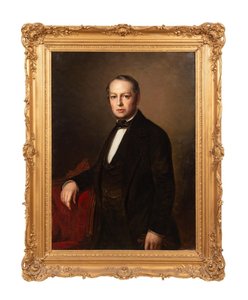
continental painter
Germany
Quick Facts
- Artistic Movement Or Style: Rococo, Portraiture
- Artists Or Movements Influenced By This Artist:
- Reynolds
- Hogarth
- British Rococo
- Artists Who Influenced This Artist:
- Johann Sebastian Bach
- François Boucher
- Date Of Birth: 1733
- Full Name: Johan Zoffany
- Nationality: German-British
- Notable Artworks:
- Marriage Settlement
- The Blue Boy
- Boxer at Prayer
- Place Of Birth: Frankfurt am Main, Germany

