 Preview
 Send
Send Share
Share
 Details

 Download
 Similars
 X-Ray
X-Ray Diaporama
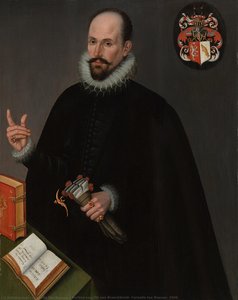
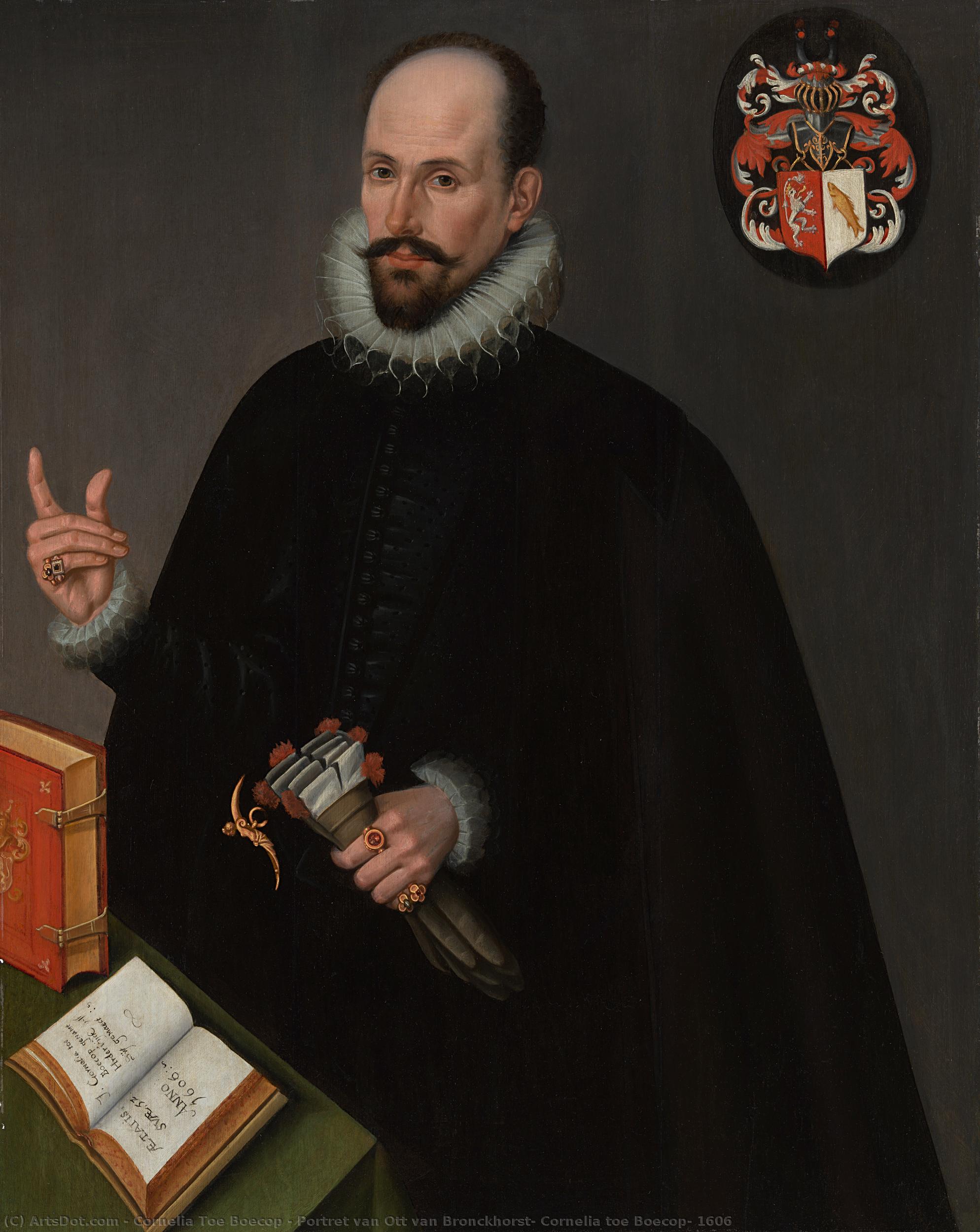
Portret van Ott van Bronckhorst, Cornelia toe Boecop, 1606
 1606
1606 96.0 x 76.0 cm
 Read More
Hand Made Oil Reproduction
Hand-painted oil on canvas in your size and frame, made to order by our artists. ( Buy Print Buy Image)




































Pick from our preset sizes that match the artwork's original proportions.

You may enter your own dimensions to fit a specific frame or space. If your selected size does not match the original image's proportions, we will either crop the artwork or extend the painting with additional hand-painted elements. A digital mockup will be sent for your approval before production begins.
Please note that the on-screen preview does not reflect the actual cropping or extension. Only the mockup will accurately show the final composition.
While custom sizes are available, we recommend selecting a dimension from the predefined list to preserve the original proportions.
After order, ArtsDot.com team will email client for instructions and provide a mockup preview
Worldwide Delivery () in 3/4 weeks instead of standard 5 weeks. (17 August). No compromise on quality.

Free Worldwide Express Shipping

High-Quality Linen Canvas

Full Shipping Insurance

Customs Tax Refund Guarantee

True Color Matching Guarantee

60-Day Return Policy (Defects Only)

100% Money-Back Guarantee

Bulk Discount Offer
 Glass option is only available in size under 110 CM

Portret van Ott van Bronckhorst, Cornelia toe Boecop, 1606
Reproduction Medium
Reproduction Size
-


Total Price
﷼ 957
Artwork Description
Related Artworks
Artist Biography
A Gentle Hand in a Changing World: The Life and Art of Cornelia toe Boecop
Cornelia toe Boecop, born in the Hanseatic city of Kampen, Netherlands, in 1551, occupies a fascinating, if often overlooked, position within the history of Dutch Old Masters. Her story is one of familial artistic legacy and quiet perseverance during a period of immense social and religious upheaval. The daughter of Mechtelt van Lichtenberg, a respected artist herself, Cornelia’s path was not typical for women of her era. While societal expectations largely confined women to domestic roles, the nurturing environment provided by her mother allowed her to cultivate a talent that would blossom into a distinctive artistic voice. Mechtelt, recognizing and fostering Cornelia's aptitude, imparted not only technical skills but also a deep understanding of composition, color theory, and the subtle art of portraiture – knowledge passed down through generations of artists within their circle. The Netherlands in the 16th century was a nation grappling with the Reformation, shifting from Catholic traditions to Protestant beliefs, and this turbulent backdrop undoubtedly influenced the themes and styles present in Cornelia’s work. Her early life would have been steeped in both religious debate and the burgeoning artistic trends of the time, creating a unique context for her development as a painter.The Legacy of Van Lichtenberg: Artistic Influences and Early Style
Cornelia toe Boecop’s artistic foundation is inextricably linked to that of her mother, Mechtelt van Lichtenberg. Mechtelt was known for her detailed miniatures and portraits, often commissioned by local nobility and merchants. This familial connection provided Cornelia with a direct line to established patronage networks and an immediate understanding of the demands of the art market. The influence of Van Lichtenberg is readily apparent in Cornelia’s early works, characterized by meticulous detail, refined brushwork, and a focus on capturing the likeness and character of her sitters. However, Cornelia wasn't merely an imitator; she gradually developed a style that was uniquely her own. While maintaining the precision of her mother’s technique, she introduced a softer palette and a more nuanced approach to portraying emotion. Her paintings often feature a gentle luminosity, achieved through careful layering of glazes and a sensitive use of light and shadow. The prevailing artistic climate also played a role in shaping Cornelia's style. The rise of Humanism emphasized the individual and their inner life, which is reflected in her portraits’ psychological depth. Furthermore, the growing popularity of portraiture as a means of asserting social status and commemorating individuals provided ample opportunities for Cornelia to hone her skills and establish herself as a sought-after artist.Portraits and Piety: Exploring Cornelia toe Boecop's Oeuvre
The majority of Cornelia toe Boecop’s surviving works are portraits, primarily depicting members of the Dutch gentry and military elite. Paintings like ‘Portrait of a Gentleman’ (1606) showcase her mastery of capturing not just physical resemblance but also the sitter's personality and social standing. The gentleman is depicted with dignified composure, his attire meticulously rendered to reflect his wealth and status. However, it is in works such as 'Portret van Ott van Bronckhorst’ (1606) that Cornelia’s artistic skill truly shines. This portrait, commissioned by the prominent military leader Ott van Bronckhorst, reveals a more intimate portrayal of her subject. The subtle expression on Van Bronckhorst's face suggests a man burdened by responsibility and experience, hinting at the complexities beneath his public persona. Beyond portraits, Cornelia also created religious works, though fewer examples survive. These paintings often depict scenes from the Bible or the lives of saints, executed with the same meticulous detail and sensitivity that characterize her secular work. The inclusion of religious themes suggests a personal faith and a desire to contribute to the devotional art market, even as Dutch society underwent significant religious change.A Quiet Legacy: Historical Significance and Rediscovery
Despite her evident talent and established patronage, Cornelia toe Boecop remained largely absent from mainstream art historical narratives for centuries. This is not uncommon for female artists of the period, whose work was often attributed to male relatives or dismissed as secondary in importance. However, recent scholarship has begun to redress this imbalance, recognizing Cornelia’s unique contribution to Dutch Old Master painting. Her paintings offer a valuable glimpse into the lives and social structures of 16th and 17th century Netherlands, providing insights into the clothing, customs, and values of the time. Moreover, her work challenges traditional notions about female artistic agency, demonstrating that women were capable of producing sophisticated and emotionally resonant art despite societal constraints. The rediscovery of Cornelia toe Boecop’s oeuvre is a testament to the importance of re-examining established canons and acknowledging the contributions of overlooked artists. Her paintings are not merely historical artifacts; they are windows into a world shaped by faith, ambition, and the quiet determination of a woman who dared to pursue her artistic passion in a time of profound change. Her legacy continues to inspire as a symbol of resilience and creativity within a complex and evolving society.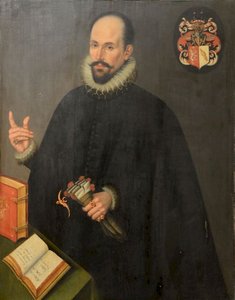
cornelia toe boecop
1551 - 1630 , Netherlands