

 Preview
 Send
Send Share
Share
 Details

 Download
 Similars
 X-Ray
X-Ray Diaporama
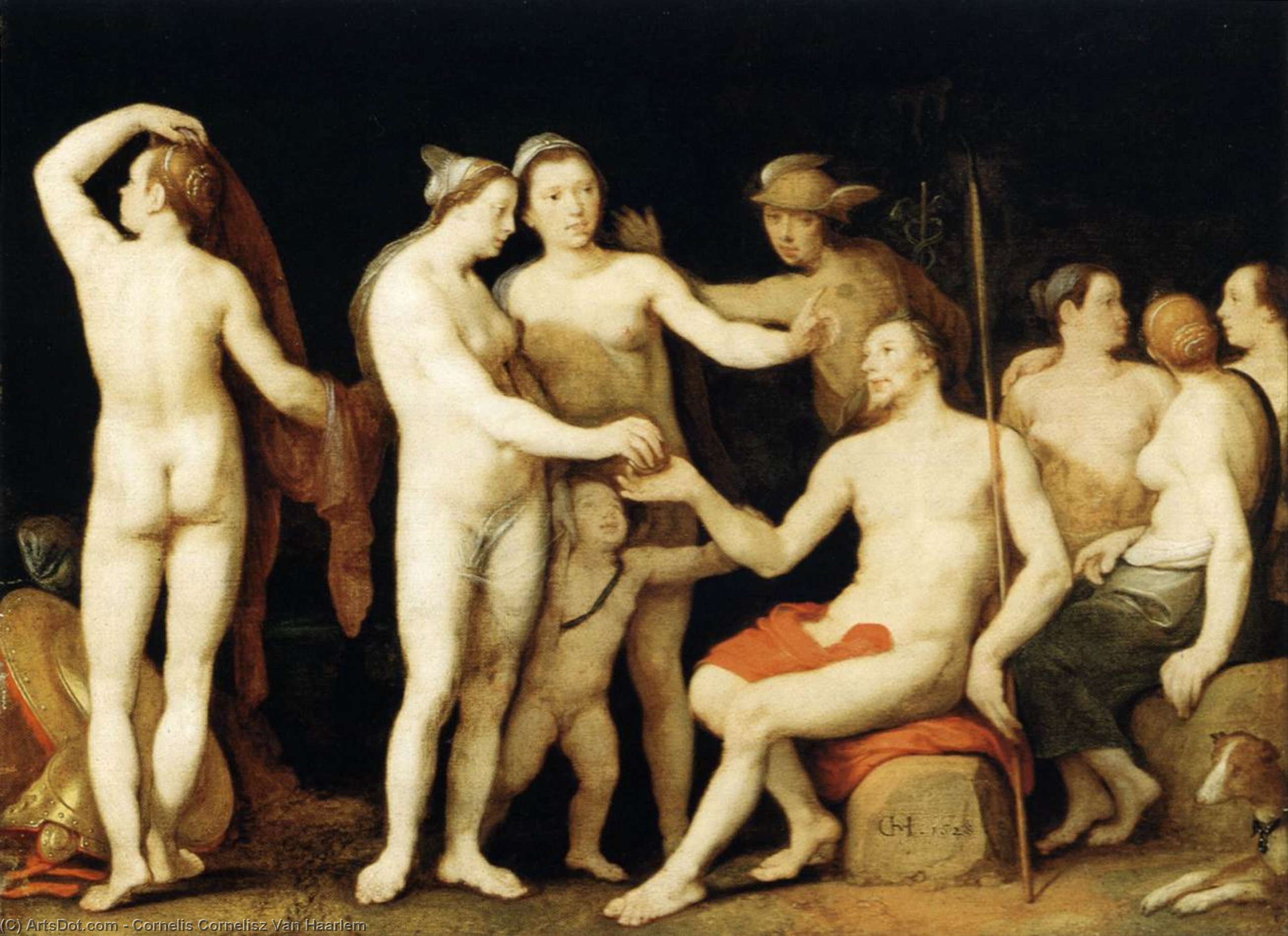
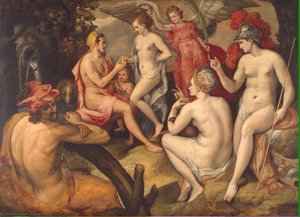
The Judgment of Paris
 Oil On Panel
- Northern Mannerism
 1628
1628 40.0 x 52.0 cm
 Szépmûvészeti Múzeum
 Read More
Purchase a high-resolution, enhanced digital image, far superior to the online preview.
Each file is meticulously prepared by our in-house specialists using advanced tools and expert manual retouching. We ensure every image has exceptional clarity, precise color accuracy, and fine detail.
The final file is delivered via email within 72 hours, optimized for immediate use in professional, editorial, and print environments. This is the same quality trusted by top-tier design studios, publishers, and galleries.
Digital Image
Download a high-resolution file for personal display, printing, and creative projects. ( Buy Print Buy Hand Made Painting)
Included in Every Digital Image Order
Expert Digital Delivery, Guaranteed
When you choose ArtsDot.com, you're not just getting an image - you're receiving a professionally enhanced digital artwork, crafted with precision and backed by a satisfaction guarantee. Here's everything that comes with your order, automatically:

Fast Email Delivery
Your high-resolution digital image file will be emailed to you within 72 hours of ordering - ready for immediate use.

AI-Enhanced Digital File
Your artwork is professionally optimized using advanced AI tools and manual editing, ensuring maximum detail, clarity, and color accuracy.

Free Lifetime Re-Delivery
Accidentally deleted or lost your file? No worries - we'll resend it to you anytime, free of charge.

No Import Fees - Ever
Enjoy your artwork instantly with zero customs, duties, or delivery fees - digital downloads are always tax-free.

Color Accuracy Guarantee
We ensure your digital image reflects the original colors as closely as possible using professional tools and color management.

60-Day Satisfaction Guarantee
If you're not satisfied with your digital image, we'll revise it or refund 100% within 60 days - no questions asked.

100% Money-Back Guarantee
Not satisfied? Get a full refund within 60 days of receiving your digital file - no questions asked.

Bulk Order Discounts
Buy 3 images, save 10% - Buy 5, save 15% - Buy 10+, save 20%. Great for creative projects, galleries, and agencies.
Collectible Description
The Judgment of Paris: A Renaissance Tableau of Divine Discontent
Cornelis Cornelisz van Haarlem’s “The Judgment of Paris,” painted in 1628, isn't merely a depiction of a classical myth; it’s a vibrant, psychologically rich tableau brimming with the anxieties and ambitions of its time. This oil-on-panel masterpiece, currently residing within the Szépmûvészeti Múzeum in Budapest, offers a captivating glimpse into the burgeoning artistic landscape of the Dutch Golden Age, foreshadowing the dramatic realism that would soon define Frans Hals’s legacy. Van Haarlem, a pivotal figure bridging the Mannerist and Baroque periods, masterfully captures not just the narrative of Paris's fateful decision – choosing Aphrodite’s gift of beauty over Athena’s wisdom or Hera’s power – but also the palpable tension and underlying drama within the scene itself.
The composition is a dynamic swirl of figures, arranged around a lavishly appointed dining table. At its center, Paris, youthful and undeniably captivated, holds aloft the golden apple, the object of contention. The goddesses—Aphrodite, radiating sensual allure; Athena, embodying strategic intellect; and Hera, projecting regal authority—are rendered with a striking blend of idealized beauty and subtly unsettling expressions. Each figure is meticulously detailed, showcasing van Haarlem’s technical skill in capturing texture – from the shimmering fabrics adorning the table to the delicate folds of the goddesses' garments. Notice particularly the way he uses light and shadow to sculpt their forms, creating a sense of depth and volume that draws the viewer into the scene.
Mannerist Roots and Dutch Innovation
Van Haarlem’s style is firmly rooted in the Mannerist tradition, evident in the elongated figures, complex poses, and heightened emotionality. However, he departs from the purely stylized approach of his Italian predecessors, injecting a distinctly Dutch sensibility into the work. The scene feels less like a distant, idealized allegory and more grounded in a recognizable human drama. This shift reflects a broader trend within Dutch art during this period – a move towards greater realism and naturalism, while retaining the elegance and sophistication characteristic of Mannerism.
The influence of Carel van Mander’s drawings, brought to Haarlem from Italy in 1585, played a crucial role in shaping van Haarlem's artistic vision. Van Mander’s meticulous studies of classical mythology provided a wealth of inspiration for the Haarlem Mannerists, including van Haarlem himself. The artist skillfully adapts these influences, imbuing them with his own unique perspective and technical prowess.
Symbolism and Emotional Resonance
Beyond the literal narrative, “The Judgment of Paris” is laden with symbolic meaning. The golden apple itself represents desire, temptation, and the pursuit of fleeting pleasures – themes that resonated deeply within the context of 17th-century Dutch society, grappling with issues of wealth, status, and moral decay. Paris’s youthful enthusiasm contrasts sharply with the goddesses' guarded expressions, suggesting a subtle critique of vanity and the dangers of prioritizing superficial beauty over wisdom or power. The inclusion of the dog, often interpreted as representing loyalty and fidelity, adds another layer of complexity to the scene.
The overall mood is one of restrained drama and underlying tension. Van Haarlem doesn’t simply depict a mythological event; he captures the psychological complexities of human choice and the consequences of our desires. The painting evokes a sense of unease, prompting viewers to contemplate the nature of beauty, power, and the choices we make in pursuit of happiness.
A Legacy of Artistic Influence
“The Judgment of Paris” stands as a testament to Cornelis van Haarlem’s artistic genius and his pivotal role in bridging the gap between Mannerism and the Dutch Golden Age. His masterful composition, technical skill, and insightful portrayal of human psychology have ensured its place as a significant work within the history of art. Furthermore, it served as an important influence on artists like Frans Hals, demonstrating how classical themes could be reinterpreted through a distinctly Dutch lens. Reproductions of this captivating artwork continue to inspire and delight audiences today, offering a window into the artistic and cultural landscape of 17th-century Holland.
Related Artworks

Artist Biography
A Forerunner of the Dutch Golden Age: The Life and Art of Cornelis Cornelisz van Haarlem
Cornelis Cornelisz van Haarlem, born in 1562 within the burgeoning artistic hub of Haarlem, Netherlands, stands as a pivotal figure bridging the late Mannerist period with the dawn of the Dutch Golden Age. His journey was one of stylistic evolution and significant influence, particularly on the celebrated portraitist Frans Hals. Initially steeped in the highly stylized conventions prevalent at the time, van Haarlem’s early training under Pieter Pietersz in his native city and later Gillis Coignet in Antwerp laid a foundation for a career marked by both technical prowess and an eventual embrace of more naturalistic representation. The political turmoil of the Eighty Years' War cast a long shadow over his youth; when Spanish forces besieged Haarlem in 1573, his parents fled, leaving young Cornelis to be raised by Pieter Pietersz, solidifying his artistic path. This early experience likely instilled within him a sense of resilience and a deep connection to the cultural identity of his hometown, themes that would subtly permeate his later work.From Mannerist Grandeur to Netherlandish Realism
Van Haarlem’s initial artistic output was characterized by large-scale compositions featuring dramatically posed figures—often Italianate nudes—with an emphasis on artifice and exaggerated anatomy. These works, while demonstrating considerable skill, reflected the prevailing Northern Mannerist aesthetic heavily influenced by artists like Bartholomeus Spranger whose drawings were introduced to Haarlem by Carel van Mander in 1585. However, a distinct shift began to emerge as van Haarlem matured. He gradually moved away from these highly stylized forms towards a more grounded and realistic approach rooted in the Netherlandish tradition. This transformation wasn’t abrupt but rather a considered evolution, reflecting not only his artistic growth but also a broader cultural movement within the Netherlands toward greater naturalism and emotional depth. His evolving style mirrored a changing society—one increasingly focused on individual expression and observable reality.Key Works and Civic Recognition
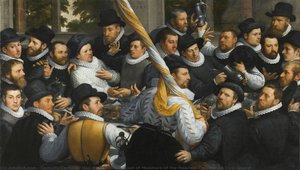
Throughout his career, van Haarlem secured numerous commissions that attest to his growing reputation and skill. One of his earliest significant works, The Banquet of the Haarlem Civic Guard (1583), showcased his emerging talent as a portraitist and ability to capture group dynamics with impressive detail. This piece, along with subsequent civic commissions, cemented his position within the community and established him as a reliable and capable artist. The Fall of the Titans (1588-1590), a monumental mythological scene, demonstrates his mastery of complex compositions and narrative storytelling. These large-scale paintings weren’t merely displays of technical skill; they were statements of civic pride and artistic ambition. He became deeply involved in the Haarlem art community, participating in informal drawing groups with Hendrick Goltzius and Carel van Mander—a collective often referred to as the “Haarlem Mannerists” or the "Haarlem Academy"—where ideas were exchanged and new artistic directions explored.A Lasting Legacy: Influence on Frans Hals and Beyond
Cornelis van Haarlem’s influence extended far beyond his own prolific output. He is particularly remembered for his profound impact on Frans Hals, one of the most celebrated portrait painters of the Dutch Golden Age. While the exact nature of their relationship remains a subject of scholarly debate, it's clear that van Haarlem served as an important mentor and source of inspiration for the younger artist. His emphasis on capturing individual character and psychological depth in his portraits likely paved the way for Hals’s groundbreaking approach to portraiture—an approach characterized by spontaneity, vitality, and a remarkable ability to convey personality. Van Haarlem's role as city painter of Haarlem further solidified his legacy, ensuring that his artistic vision continued to shape the cultural landscape of the region. His students included Salomon de Bray, Cornelis Jacobsz Delff, and Gerrit Pietersz Sweelink, continuing his influence into subsequent generations. His work can be found in prominent museum collections today, including the Rijksmuseum in Amsterdam and the Frans Hals Museum in Haarlem, ensuring that his artistic contributions continue to inspire and captivate audiences worldwide.Exploring Van Haarlem’s World Today
The enduring appeal of Cornelis van Haarlem's art is readily accessible through various online resources. Platforms like ArtsDot.com offer a comprehensive collection of his paintings, allowing enthusiasts to delve into the breadth and depth of his oeuvre. Detailed biographical information and critical analyses can be found on Wikipedia, providing valuable context for understanding his artistic development and historical significance. The Getty Museum and National Gallery websites also provide insights into specific works within their collections. Through these digital avenues, van Haarlem’s legacy is preserved and shared with a global audience, ensuring that this important forerunner of the Dutch Golden Age continues to receive the recognition he deserves. His paintings remain powerful testaments to an era of artistic innovation and cultural transformation.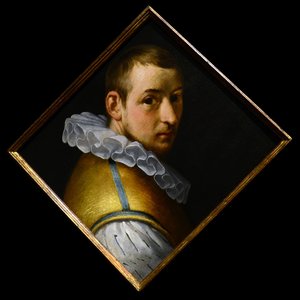
Cornelis Cornelisz van Haarlem
1562 - 1638 , Netherlands
Quick Facts
- Artistic Movement Or Style: Northern Mannerism
- Artists Or Movements Influenced By This Artist: ['Frans Hals']
- Artists Who Influenced This Artist:
- Pieter Pietersz
- Gillis Coignet
- Date Of Birth: 1562
- Date Of Death: 1638
- Full Name: Cornelis Cornelisz van Haarlem
- Nationality: Dutch
- Notable Artworks:
- Banquet of the Haarlem Civic Guard
- The Fall of the Titans
- Place Of Birth: Haarlem, Netherlands

