 Preview
 Send
Send Share
Share
 Details

 Download
 Similars
 X-Ray
X-Ray Diaporama
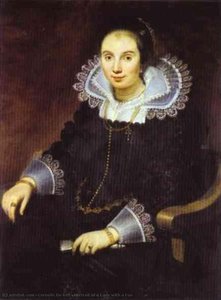
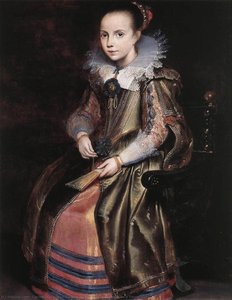
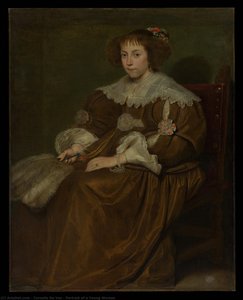
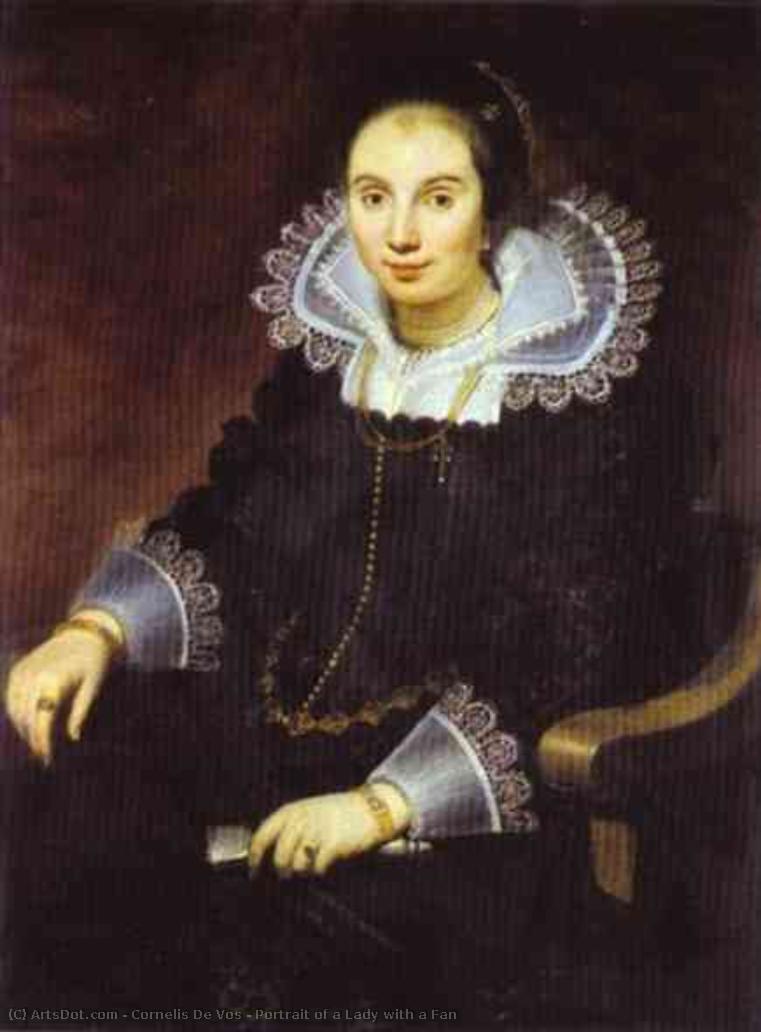
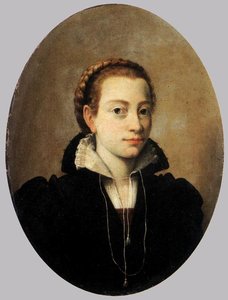
Portrait of a Lady with a Fan
 Oil On Canvas
- WallArt
- Baroque
 98.0 x 73.0 cm
 Palazzo Pitti
 Read More
Hand Made Oil Reproduction
Hand-painted oil on canvas in your size and frame, made to order by our artists. ( Buy Print Buy Image)




P118B $10

P118H $10

P118W $10

P438Z $10

P508JH $12

P508YH $12

P805H $10

P805Z $10

P919BZ $10

P919G $10

P919XJ $10

P959ZH $10

P968JZ $12

W106C $8

W218G $10

W218JH $8

W218Y $10

W307PJ $10

W316G $10

W316PJ $8

W316Y $10

W398PJ $8

W4111J $10

W500HY $15

W500JH $15

W692G $12

W849H $8

W940BG $15

W953PJ $8




Pick from our preset sizes that match the artwork's original proportions.

You may enter your own dimensions to fit a specific frame or space. If your selected size does not match the original image's proportions, we will either crop the artwork or extend the painting with additional hand-painted elements. A digital mockup will be sent for your approval before production begins.
Please note that the on-screen preview does not reflect the actual cropping or extension. Only the mockup will accurately show the final composition.
While custom sizes are available, we recommend selecting a dimension from the predefined list to preserve the original proportions.
After order, ArtsDot.com team will email client for instructions and provide a mockup preview
Worldwide Delivery () in 3/4 weeks instead of standard 5 weeks. (16 August). No compromise on quality.

Free Worldwide Express Shipping

High-Quality Linen Canvas

Full Shipping Insurance

Customs Tax Refund Guarantee

True Color Matching Guarantee

60-Day Return Policy (Defects Only)

100% Money-Back Guarantee

Bulk Discount Offer
 Glass option is only available in size under 110 CM

Portrait of a Lady with a Fan
Reproduction Medium
Reproduction Size
-


Total Price
$ 263
Artwork Description
A Portrait Steeped in Dignity and Shadow
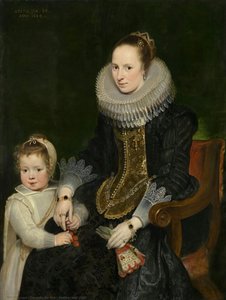
- Subject Matter The artwork portrays a lady—likely of considerable social standing—seated gracefully within a richly adorned interior. Her gaze is direct, conveying an air of composure and introspection, capturing the essence of aristocratic femininity during the Baroque period.
- Style & Technique Cornelis de Vos’s masterful execution exemplifies the Baroque style, prioritizing realism combined with dramatic chiaroscuro—the skillful manipulation of light and shadow—to heighten emotional impact. The artist employs meticulous brushwork, layering paint to build up form and texture on canvas, resulting in a surface that subtly suggests oil paints.
- Historical Context Created sometime between 1585 and 1651, this portrait reflects the artistic fervor of Antwerp during its Golden Age. The city served as a hub for Flemish Baroque painting, attracting talent from across Europe and fostering an environment conducive to innovation and stylistic experimentation.
- Symbolism The inclusion of a fan is significant—a gesture emblematic of elegance, refinement, and perhaps veiled reserve. It speaks to the social conventions of the time, highlighting the lady’s status within her milieu and inviting contemplation on unspoken emotions.
- Emotional Impact The subdued palette of browns, creams, and blacks contributes to a mood of solemn dignity—a visual testament to the grandeur and formality characteristic of Baroque portraiture. De Vos's masterful use of light and shadow draws the viewer’s eye inward, fostering a connection with the subject’s inner life and eliciting feelings of quiet contemplation.
Detailed Examination: Composition and Lighting
The canvas is dominated by a dark background—a deliberate choice that amplifies the luminosity of the lady's face and upper body. Linear perspective subtly recedes into the distance, creating depth without overwhelming the central figure. Careful attention to detail—evident in the folds of her dress and jewelry—underscores De Vos’s commitment to realism. The dramatic chiaroscuro technique skillfully sculpts form and emphasizes textures, conveying a palpable sense of volume.Material Considerations: Canvas and Oil Paint
The artwork is executed on canvas—a durable material favored by Baroque artists for its ability to accommodate large-scale paintings. Cornelis de Vos utilized oil paints—known for their rich pigmentation and blending capabilities—to achieve the desired tonal range and textural nuances. This technique allowed for painstaking layering of paint, resulting in a surface that retains remarkable luminosity and depth over time.A Legacy of Baroque Grandeur
Portrait of a Lady with a Fan stands as an enduring exemplar of Flemish Baroque artistry—a testament to De Vos’s skill and vision. Its meticulous craftsmanship and evocative symbolism continue to inspire admiration among art historians and collectors alike, cementing its place within the canon of Western painting.Related Artworks
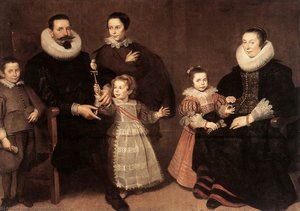
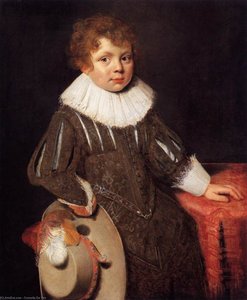
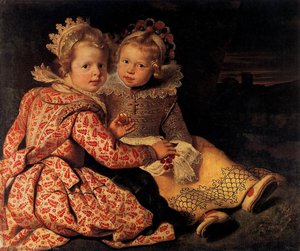
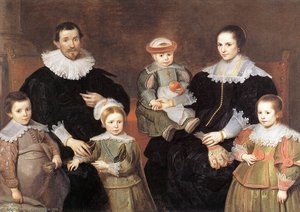
Artist Biography
A Master of Flemish Portraiture: The Life and Art of Cornelis de Vos
Cornelis de Vos, a prominent figure in 17th-century Antwerp, stands as one of the leading portraitists of the Flemish Baroque. Born in Hulst around 1584, his artistic journey began within a family deeply rooted in the art world, relocating to the bustling city of Antwerp in 1596. There, he apprenticed under David Remeeus, a lesser-known painter who nonetheless provided a solid foundation for de Vos’s burgeoning talent. By 1604, he had risen to become Remeeus' chief assistant, demonstrating an aptitude that extended beyond mere technical skill. A petition to the Antwerp city council in the same year reveals his ambition – a desire to travel abroad and further hone his craft, though whether this journey materialized remains uncertain. What is clear is that de Vos quickly established himself as a skilled artist, joining the Guild of Saint Luke in 1608 and becoming a citizen of Antwerp eight years later, simultaneously registering as an art dealer—a testament to his multifaceted engagement with the art world. His marriage to Susanna Cock, sister-in-law to landscape painter Jan Wildens, further cemented his position within Antwerp’s vibrant artistic community, as did his sister Margaretha's union with the celebrated animal painter Frans Snyders.Navigating a Flourishing Artistic Landscape
De Vos’s career unfolded during a period of immense artistic activity in Antwerp. He wasn’t merely a passive observer; he actively participated in and shaped this landscape, serving as dean of the Guild of Saint Luke in 1619 and high dean in 1620—positions that underscored his respected standing among his peers. His professional life extended beyond the studio and guildhall to include art dealing, with frequent trips to the Saint-Germain market in Paris. This commercial acumen provided him with valuable insights into artistic tastes and trends, influencing his own work and allowing him to cater to a diverse clientele. While adept at history, religious, and genre painting, it was portraiture that truly defined de Vos’s legacy. He received commissions from prominent local patrons, including Joris Vekemans, for whom he created an entire family portrait cycle in 1624. His skill even attracted royal attention, resulting in portraits of Philip IV of Spain, the Archdukes Albert and Isabella, and various French monarchs—a clear indication of his rising reputation and artistic prowess. He collaborated with Peter Paul Rubens on several significant projects, including the decorations for the Joyous Entry of Cardinal-Infante Ferdinand into Antwerp in 1635 and the extensive decorative scheme at Torre de la Parada near Madrid between 1636 and 1638, where he painted mythological scenes based on Rubens’s sketches.Style and Influences: A Synthesis of Tradition and Innovation
De Vos's artistic style evolved over time, initially bearing the strong imprint of Peter Paul Rubens—evident in his subject matter, compositional motifs, and a certain Caravaggesque dramatic flair. His early works are characterized by a warm palette, meticulous attention to detail, particularly in rendering fabrics and jewelry, and a generally robust physicality. However, de Vos wasn’t simply an imitator; he developed a distinctive voice marked by a lucid plasticity of flesh tones and a bright tactility in his highlights. He employed a fluid, transparent technique with fine brushstrokes, creating surfaces that seemed to shimmer with life. As his career progressed, particularly during the 1630s, de Vos’s style became looser and more painterly, with less emphasis on precise detailing—a shift visible in works like the portrait of a young woman now housed at the Metropolitan Museum of Art. This later phase reveals a growing confidence and willingness to prioritize capturing character and texture over strict adherence to formal conventions. Even lighting and subtle chiaroscuro effects were crucial tools in his arsenal, allowing him to portray not just physical likeness but also the inner lives of his sitters.A Legacy Defined by Sensitivity and Skill
Following Antony van Dyck’s departure for England in 1621 and Rubens' frequent absences, Cornelis de Vos stepped into a prominent role as Antwerp’s leading portraitist, catering to the burgeoning upper bourgeoisie and patrician society. His portraits reflect Van Dyck’s influence but diverge from the aristocratic grandeur favored by his predecessor, instead focusing on portraying middle-class values of prosperity and domesticity. De Vos possessed an exceptional ability to capture the personalities of his sitters—their vulnerabilities, their aspirations, and their quiet dignity. He wasn't merely recording appearances; he was creating intimate psychological portraits that resonated with viewers then and continue to captivate audiences today. His legacy extends beyond his individual masterpieces to encompass the numerous pupils who studied under him, including Jan Cossiers, Alexander Daemps, and Simon de Vos (who was unrelated). De Vos signed many of his works with the monogram “CDVF,” a subtle yet enduring mark of his artistic identity. He died in Antwerp in 1651, leaving behind a body of work that continues to be celebrated for its sensitivity, skill, and insightful portrayal of Flemish society during the Baroque period—a testament to a life dedicated to the art of capturing the human spirit on canvas.Major Works & Lasting Impact
De Vos’s oeuvre is rich with compelling portraits and significant collaborative projects. Among his most celebrated works are:- Portrait of Abraham Grapheus (1620): A prime example of de Vos’s early style, showcasing meticulous detail and a warm palette.
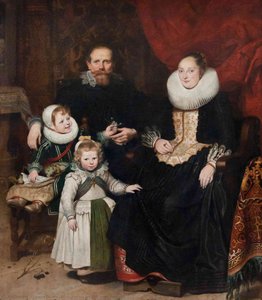
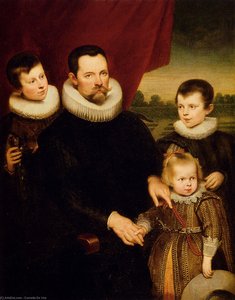
- Portrait of a Nobleman and Three Children: Demonstrates his skill in capturing familial bonds and individual personalities.
- Two Daughters of the Painter: An intimate portrayal revealing de Vos’s ability to convey tenderness and affection.
- Collaborations with Rubens at Torre de la Parada: Highlights his versatility and willingness to work within a larger artistic vision.
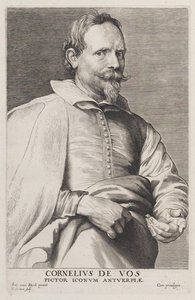
Cornelis de Vos
1585 - 1651 , Belgium
Quick Facts
- Artistic Movement Or Style: Baroque
- Artists Or Movements Influenced By This Artist: ['Jan Cossiers']
- Artists Who Influenced This Artist: ['Peter Paul Rubens']
- Date Of Birth: 1585
- Date Of Death: 1651
- Full Name: Cornelis de Vos
- Nationality: Flemish
- Notable Artworks:
- Abraham Grapheus
- Two Daughters...
- Nobleman & Children
- Place Of Birth: Antwerp, Belgium
Related Articles

Demandes Commerciales
APS ofrece reproducciones de bellas artes y encargos personalizados desde 2004. Confían en nosotros corporaciones, hoteles y coleccionistas selectos para obras de arte de calidad museística, servicio discreto y soluciones artísticas completas. ¡Póngase en contacto con nosotros para obtener un presupuesto personalizado!

Goya's Masterpieces: Explore 25 Iconic Paintings & Art Prints | ArtsDot
Delve into the world of Francisco Goya with ArtsDot. Explore 25 iconic paintings – from 'The Third of May' to his haunting Black Paintings. Discover the stories, techniques & emotions behind these Spanish masterpieces. Find museum-quality art reproductions for your home at ArtsDot.com!
Decoding Baroque Grandeur: A Guide to the Drama and Emotion of 17th-Century Art
Explore the breathtaking drama of 17th-century Baroque art. Our expert guide decodes the use of chiaroscuro, emotional intensity, and historical grandeur to help you appreciate and curate timeless masterpieces for your collection.

A riguardo di noi
Découvrez notre histoire ! Nous apportons l'art de classe mondiale dans votre vie grâce à une sélection experte, des créations personnalisées et des aperçus gratuits. Approuvé par les particuliers et les entreprises depuis 2000.

Baroque Masterpieces: 10 Paintings That Defined an Era |
Journey through the drama & grandeur of Baroque art! Explore 10 masterpieces by Caravaggio, Rembrandt, Rubens & more. Discover stunning oil paintings, rich colors & timeless stories. Find museum-quality reproductions at .