

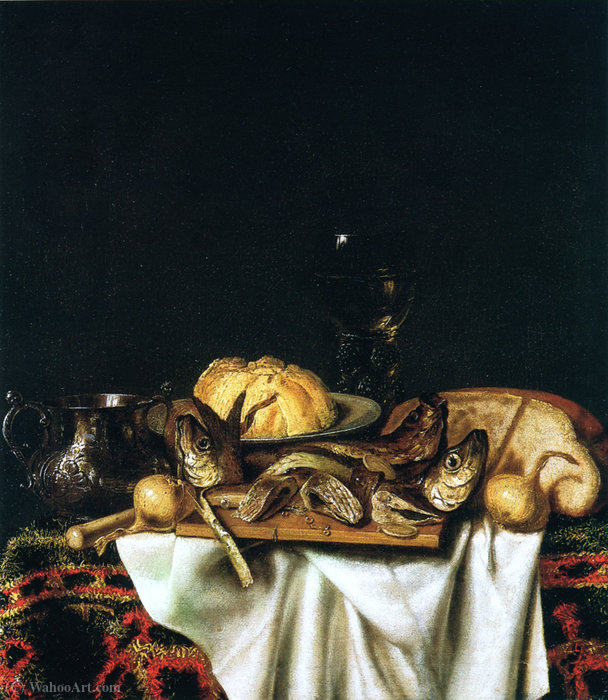
 Preview
 Send
Send Share
Share
 Details

 Download
 Similars
 X-Ray
X-Ray Diaporama
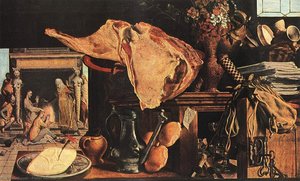
Nature morte aux poissons
 Read More
Purchase a high-resolution, enhanced digital image, far superior to the online preview.
Each file is meticulously prepared by our in-house specialists using advanced tools and expert manual retouching. We ensure every image has exceptional clarity, precise color accuracy, and fine detail.
The final file is delivered via email within 72 hours, optimized for immediate use in professional, editorial, and print environments. This is the same quality trusted by top-tier design studios, publishers, and galleries.
Digital Image
Download a high-resolution file for personal display, printing, and creative projects. ( Buy Print Buy Hand Made Painting)
Included in Every Digital Image Order
Expert Digital Delivery, Guaranteed
When you choose ArtsDot.com, you're not just getting an image - you're receiving a professionally enhanced digital artwork, crafted with precision and backed by a satisfaction guarantee. Here's everything that comes with your order, automatically:

Fast Email Delivery
Your high-resolution digital image file will be emailed to you within 72 hours of ordering - ready for immediate use.

AI-Enhanced Digital File
Your artwork is professionally optimized using advanced AI tools and manual editing, ensuring maximum detail, clarity, and color accuracy.

Free Lifetime Re-Delivery
Accidentally deleted or lost your file? No worries - we'll resend it to you anytime, free of charge.

No Import Fees - Ever
Enjoy your artwork instantly with zero customs, duties, or delivery fees - digital downloads are always tax-free.

Color Accuracy Guarantee
We ensure your digital image reflects the original colors as closely as possible using professional tools and color management.

60-Day Satisfaction Guarantee
If you're not satisfied with your digital image, we'll revise it or refund 100% within 60 days - no questions asked.

100% Money-Back Guarantee
Not satisfied? Get a full refund within 60 days of receiving your digital file - no questions asked.

Bulk Order Discounts
Buy 3 images, save 10% - Buy 5, save 15% - Buy 10+, save 20%. Great for creative projects, galleries, and agencies.
Related Artworks
Artist Biography
Peter Paul Rubens: A Baroque Titan of Color and Emotion
Peter Paul Rubens, a name synonymous with the exuberant dynamism of the Baroque era, remains one of the most influential and prolific artists in European history. Born on June 28th, 1577, in Siegen, Germany – though he spent his childhood in Antwerp, Belgium – Rubens’s life was a tapestry woven with artistic brilliance, diplomatic service, personal tragedy, and an unwavering dedication to capturing the richness of human experience. His legacy extends far beyond simply producing stunning paintings; he fundamentally reshaped the visual language of art, establishing new standards for composition, color theory, and emotional intensity that continue to inspire artists today. Rubens’s early artistic development was shaped by a unique confluence of influences. Initially apprenticed to Otto van Veen, a local painter known for his realistic depictions of everyday life, Rubens quickly surpassed his master's style, absorbing the lessons of Italian Renaissance masters like Raphael and Michelangelo during an extended sojourn in Rome between 1600 and 1608. This formative period instilled within him a deep appreciation for classical ideals – harmony, proportion, and the celebration of human beauty – while simultaneously exposing him to the dramatic intensity and emotionalism championed by Venetian painters such as Titian and Tintoretto. Returning to Antwerp, he established his workshop, quickly gaining recognition for his ability to synthesize these diverse influences into a distinctly personal style characterized by vibrant colors, dynamic movement, and an almost palpable sense of energy. Rubens’s artistic output was remarkably varied, encompassing altarpieces for grand churches, mythological scenes that explored themes of love, power, and virtue, portraits capturing the personalities of nobility and patrons, and elaborate designs for tapestries and prints. He wasn't merely a painter; he was a master orchestrator, meticulously controlling every aspect of his work – from the selection of pigments to the arrangement of figures within the composition. His approach to painting was deeply rooted in humanist principles, reflecting a belief in the inherent dignity and potential of humankind. His works frequently depicted scenes of heroic struggle, divine intervention, and moments of profound emotional revelation, often imbued with a sense of theatrical grandeur. The sheer scale of many of his paintings – particularly his monumental altarpieces – further amplified their impact, creating immersive experiences for viewers. A significant portion of Rubens’s career was dedicated to diplomatic service on behalf of the Archduke Albert and Isabella of Austria, rulers of the Southern Netherlands. This role demanded considerable travel throughout Europe, including extended periods in Italy, Spain, England, and France. During these travels, he continued to paint prolifically, establishing connections with influential patrons and further expanding his artistic network. His diplomatic endeavors were not merely a means of securing commissions; they also provided him with invaluable insights into the political landscape of the era, informing his understanding of power dynamics and human nature – themes that frequently emerged in his art. His time in England, particularly during the reign of Charles I, proved especially fruitful, resulting in numerous portraits of the king and his court, many of which are considered masterpieces of English portraiture. Despite his professional success, Rubens’s personal life was marked by profound sorrow. The loss of his first wife, Isabella Brandt, in 1629 – a devastating blow compounded by the subsequent death of their daughter – plunged him into deep mourning. He later remarried to Charlotte de Veuzemunt in 1630, but the joy of this union was short-lived; she too succumbed to illness just three years later. These personal tragedies undoubtedly influenced his artistic output, contributing to a heightened sense of melancholy and introspection that occasionally surfaces in his later works. Yet, even amidst these sorrows, Rubens continued to produce some of his most powerful and emotionally resonant paintings, demonstrating an extraordinary capacity for resilience and creative expression. Rubens’s influence on subsequent generations of artists is immeasurable. His emphasis on color, movement, and dramatic composition revolutionized the Baroque style, inspiring countless painters across Europe. Artists like Anthony van Dyck, Rembrandt, and Diego Velázquez all drew inspiration from his techniques and approach to painting. Furthermore, Rubens's innovative use of printmaking – particularly his *Iconography*, a series of engravings depicting the lives of the Virgin Mary – established a new precedent for artists seeking to disseminate their work beyond the confines of the studio. Peter Paul Rubens died on May 30th, 1640, in Antwerp, leaving behind a vast and enduring legacy as one of the greatest masters of Western art. His paintings continue to captivate audiences with their vibrant colors, dynamic compositions, and profound exploration of human emotion – a testament to his genius and artistic vision.Rubens’s Techniques and Artistic Innovations
- Color Theory:** Rubens was a pioneer in the use of color, employing a sophisticated understanding of hue, saturation, and value to create paintings that shimmered with vitality. He often layered translucent glazes over dark underpaintings to achieve luminous effects, maximizing the impact of his colors.
- Dynamic Composition:** Unlike the static compositions favored by some of his contemporaries, Rubens’s paintings are characterized by a sense of movement and energy. Figures are frequently depicted in dramatic poses, caught in moments of action or emotion, creating a powerful visual narrative.
- Chiaroscuro:** While influenced by Caravaggio's use of *chiaroscuro* (the contrast between light and dark), Rubens developed his own distinctive approach to this technique, employing it not merely for dramatic effect but also to model forms and create a sense of depth.
- Large-Scale Painting:** Rubens was renowned for his ability to execute large-scale paintings with remarkable skill and precision. His monumental altarpieces, such as *The Descent from the Cross*, demonstrate his mastery of composition, color, and technique on an unprecedented scale.
- Workshop System:** Recognizing that he could not complete all commissions himself, Rubens established a large workshop in Antwerp, employing numerous assistants to help him produce a vast output of paintings. This system allowed him to maintain a steady stream of work while also training young artists in his distinctive style.
Major Works
- The Raising of the Cross (1601-1608):** A monumental altarpiece depicting the crucifixion of Christ, showcasing Rubens’s mastery of color and composition.
- Descent from the Cross (1612-1613):** Another significant altarpiece, renowned for its dramatic portrayal of the Virgin Mary descending to retrieve the body of Christ.
- The Judgement of Paris (1630-1634):** A mythological painting depicting the judgment of Paris, showcasing Rubens’s ability to capture the beauty and drama of classical themes.
- Peter Paul Rubens Self Portrait (1624):** A rare self-portrait that offers a glimpse into the artist's personality and artistic process.
- Charles I with a Hunting Dog (1637):** A portrait of King Charles I, demonstrating Rubens’s skill in capturing the likeness and character of his subjects.
Historical Significance
Rubens's work is not just aesthetically pleasing; it provides valuable insights into the cultural and political landscape of 17th-century Europe. His diplomatic activities exposed him to a wide range of artistic styles and intellectual currents, contributing to the development of his own unique vision. His paintings often reflect themes of power, faith, and human emotion – subjects that were central to the debates and concerns of his time. Furthermore, Rubens’s innovative use of printmaking helped to democratize access to art, making it available to a wider audience than ever before. His legacy continues to resonate today, reminding us of the enduring power of art to inspire, challenge, and transform our understanding of the world.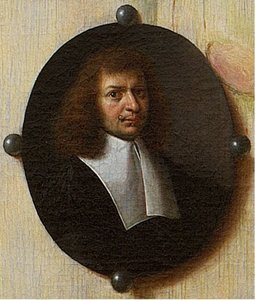
cornelis norbertus gysbrechts (cornelius gijsbrechts)
1640 - 1675 , Belgium
Quick Facts
- Artistic Movement Or Style: Baroque
- Artists Or Movements Influenced By This Artist: ['Anthony van Dyck']
- Artists Who Influenced This Artist:
- Tobias Verhaecht
- Adam van Noort
- Date Of Birth: 28 June 1577
- Date Of Death: 30 May 1640
- Full Name: Peter Paul Rubens
- Nationality: Flemish
- Notable Artworks:
- The Raising of the Cross
- Descent from the Cross
- Venus and Adonis
- Place Of Birth: Siegen, Germany

