

 Preview
 Send
Send Share
Share
 Details

 Download
 Similars
 X-Ray
X-Ray Diaporama
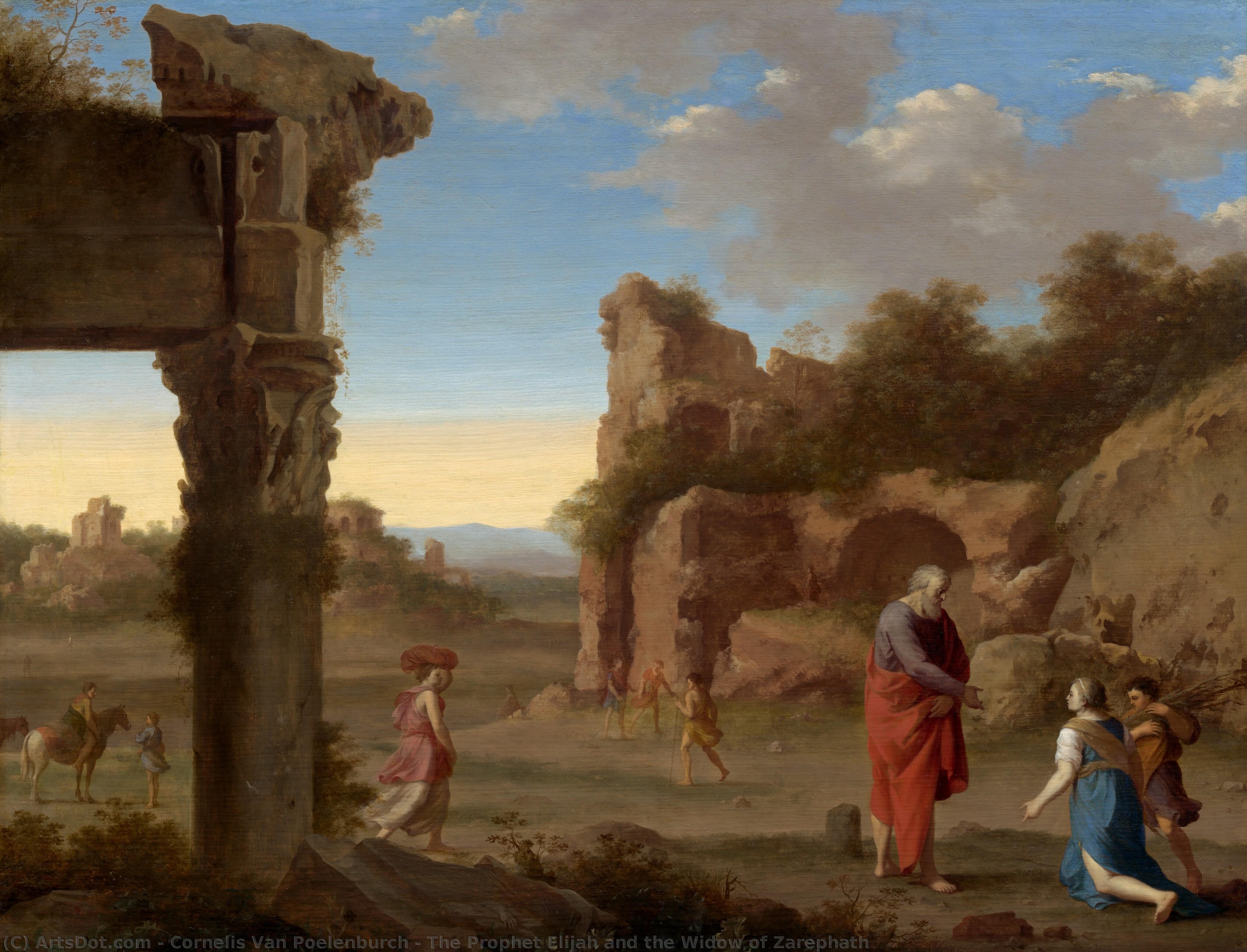
The Prophet Elijah and the Widow of Zarephath
 Oil
Oil- WallArt
- Baroque
 1630
1630- Early Modern
 51.0 x 62.0 cm
 Read More
Purchase a high-resolution, enhanced digital image, far superior to the online preview.
Each file is meticulously prepared by our in-house specialists using advanced tools and expert manual retouching. We ensure every image has exceptional clarity, precise color accuracy, and fine detail.
The final file is delivered via email within 72 hours, optimized for immediate use in professional, editorial, and print environments. This is the same quality trusted by top-tier design studios, publishers, and galleries.
Digital Image
Download a high-resolution file for personal display, printing, and creative projects. ( Buy Print Buy Hand Made Painting)
Included in Every Digital Image Order
Expert Digital Delivery, Guaranteed
When you choose ArtsDot.com, you're not just getting an image - you're receiving a professionally enhanced digital artwork, crafted with precision and backed by a satisfaction guarantee. Here's everything that comes with your order, automatically:

Fast Email Delivery
Your high-resolution digital image file will be emailed to you within 72 hours of ordering - ready for immediate use.

AI-Enhanced Digital File
Your artwork is professionally optimized using advanced AI tools and manual editing, ensuring maximum detail, clarity, and color accuracy.

Free Lifetime Re-Delivery
Accidentally deleted or lost your file? No worries - we'll resend it to you anytime, free of charge.

No Import Fees - Ever
Enjoy your artwork instantly with zero customs, duties, or delivery fees - digital downloads are always tax-free.

Color Accuracy Guarantee
We ensure your digital image reflects the original colors as closely as possible using professional tools and color management.

60-Day Satisfaction Guarantee
If you're not satisfied with your digital image, we'll revise it or refund 100% within 60 days - no questions asked.

100% Money-Back Guarantee
Not satisfied? Get a full refund within 60 days of receiving your digital file - no questions asked.

Bulk Order Discounts
Buy 3 images, save 10% - Buy 5, save 15% - Buy 10+, save 20%. Great for creative projects, galleries, and agencies.
Collectible Description
A Divine Encounter Amidst the Ruins
In the quiet, sun-drenched landscape of Cornelis van Poelenburch’s 1630 masterpiece, The Prophet Elijah and the Widow of Zarephath, time seems to suspend itself between the ancient past and a moment of profound spiritual revelation. The scene unfolds within a world of classical decay, where crumbling Roman-style entablatures and weathered stone columns rise from a verdant, scrubby earth. Here, amidst the ruins of a forgotten era, a sacred drama takes center stage. The elderly Prophet Elijah, distinguished by his steel-gray beard and a regal scarlet-red cloak, reaches out toward a kneeling young woman. Her posture—arms spread in a gesture of both supplication and awe—captures the very essence of faith meeting providence. Beside her, a small boy clutches a bundle of sticks, a poignant reminder of the humble, earthly struggles that underpin this divine interaction.
Van Poelenburch, a master of the Dutch Italianate style, breathes life into this biblical narrative through a sophisticated use of color and light. The palette is a rich tapestry of jewel tones: the sapphire-blue of the widow’s dress contrasts brilliantly against the thistle-purple of Elijah’s tunic, while the distant landscape glows with the warmth of honey-browns, rose-pinks, and golden yellows. This vibrant chromatic harmony does more than please the eye; it directs the viewer's soul through the composition, leading the gaze from the intimate foreground encounter toward the hazy, slate-blue mountains and the pale yellow horizon. The sky, transitioning from a soft dawn-like glow to a deep lapis blue, suggests an atmosphere of eternal significance, as if the heavens themselves are witnessing this miraculous meeting.
The Artistry of the Italianate Landscape
As a leading figure of the first generation of Dutch landscape painters active in Italy, Van Poelenburch brings a unique, cosmopolitan elegance to this work. His training under Abraham Bloemaert and his formative years in Rome allowed him to blend the meticulous detail characteristic of Dutch art with the idealized, classical beauty of the Italian countryside. In this painting, the technique is nothing short of exquisite. The artist employs fine, delicate brushwork to render the textures of weathered stone, soft foliage, and the heavy folds of draped fabric. This attention to detail creates a sense of tangible reality, making the presence of the two horses and the distant figures moving through the field feel like an organic part of a living, breathing world.
For the discerning collector or interior designer, this piece offers much more than mere decoration; it provides a window into a period of profound artistic synthesis. The way the light catches the edges of the ruins and illuminates the faces of the figures creates a sense of depth and luminosity that can transform any space. Whether placed in a grand gallery or a sophisticated private study, the painting serves as a focal point of contemplation. It invites the viewer to reflect on themes of resilience, hospitality, and the intersection of the human condition with the divine. Owning a high-quality reproduction of such a work allows one to bring this sense of historical grandeur and emotional depth into the modern home, offering a timeless piece of heritage that resonates with both classical beauty and spiritual grace.
Related Artworks

Artist Biography
early life and training
cornelis van poelenburgh, a prominent dutch landscape painter, was born in utrecht, netherlands in 1594. he initially trained with abraham bloemaert, a renowned artist of the time. this foundational training laid the groundwork for van poelenburch's future success.artistic career and influences
van poelenburch's travels to rome in the early 17th century significantly influenced his work, making him a leading representative of the first generation of dutch landscape painters active in italy. his small-scale paintings, often featuring italianate landscapes with small figures enacting biblical or mythological scenes, showcased his unique style. notable works:- satyrs spying on nymphs (after 1627), a characteristic example of van poelenburch's work, featuring archaic landscapes with figures bathing. (view on ArtsDot)
- council of the gods (c. 1630), a painting showcasing van poelenburch's idealized hilly landscape and roman-inspired goddesses, now housed in the mauritshuis (the hague, netherlands). (view on ArtsDot)
legacy and later life
van poelenburch's work was highly regarded by his contemporaries, including the grand duke of tuscany and the dutch stadholder. he later returned to utrecht, where he passed away in 1667, just a few years after his old teacher abraham bloemaert. key points:- born in utrecht, netherlands in 1594
- trained with abraham bloemaert
- influenced by his time in rome
- known for small-scale italianate landscapes with figures
- died in utrecht in 1667 view cornelis van poelenburch's artworks on ArtsDot learn more about cornelis van poelenburgh on wikipedia
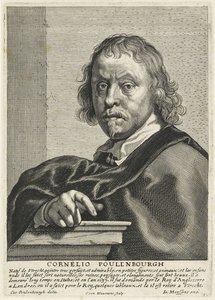
cornelis van poelenburch
1594 - 1667 , Netherlands
Quick Facts
- Artistic Movement Or Style: Dutch Landscape, Romanate
- Artists Or Movements Influenced By This Artist: ['Claude Lorraine']
- Artists Who Influenced This Artist: ['Abraham Bloemaert']
- Date Of Birth: 1594, Utrecht, Netherlands
- Date Of Death: 1667, Utrecht, Netherlands
- Full Name: Cornelis van Poelenburgh
- Nationality: Dutch
- Notable Artworks:
- Satyrs spying on nymphs
- Council of the gods
- Place Of Birth: Utrecht, Netherlands

