

 Preview
 Send
Send Share
Share
 Details

 Download
 Similars
 X-Ray
X-Ray Diaporama
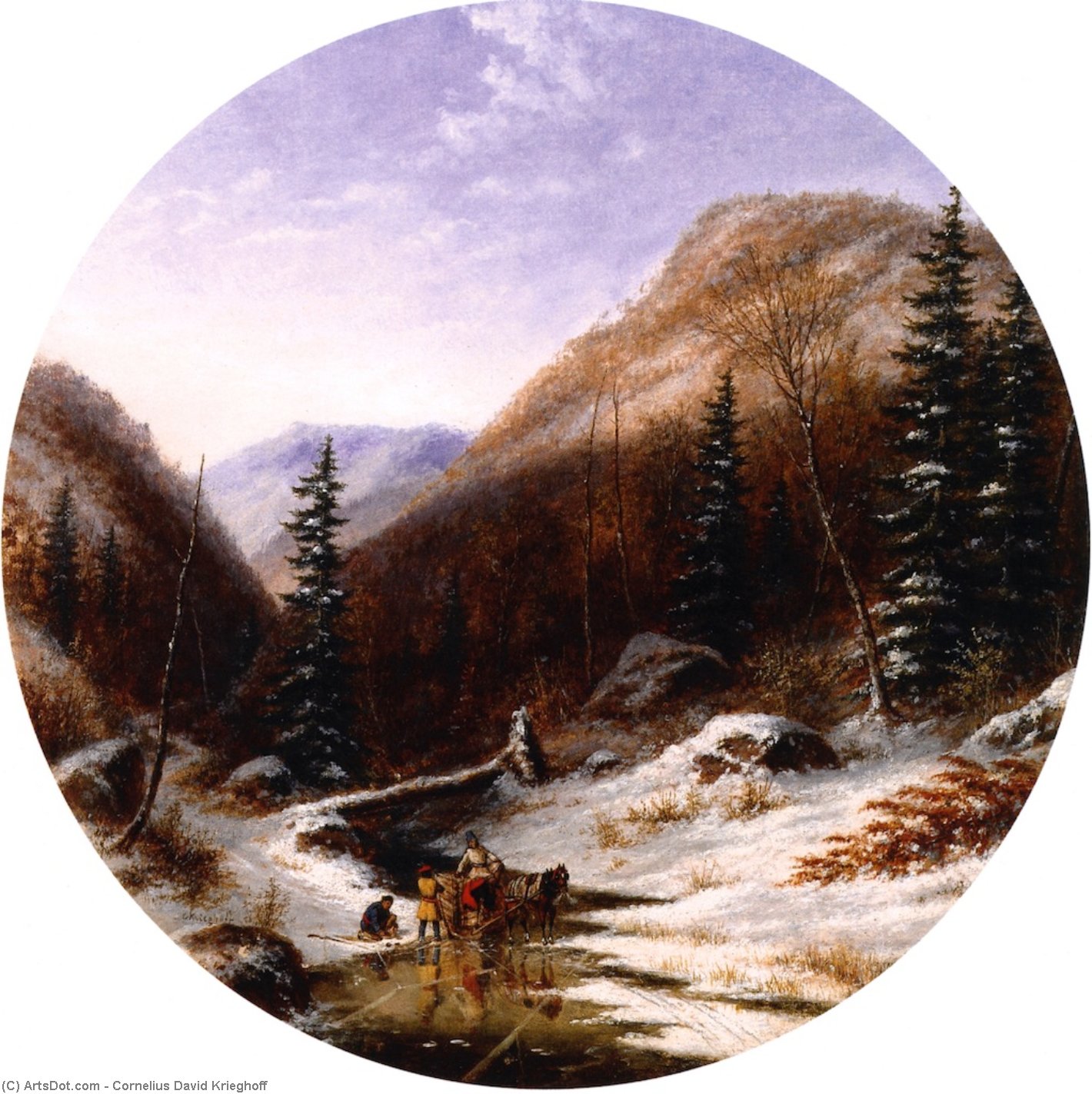
In the Jardin de Caribou, below Quebec


 Read More
Purchase a high-resolution, enhanced digital image, far superior to the online preview.
Each file is meticulously prepared by our in-house specialists using advanced tools and expert manual retouching. We ensure every image has exceptional clarity, precise color accuracy, and fine detail.
The final file is delivered via email within 72 hours, optimized for immediate use in professional, editorial, and print environments. This is the same quality trusted by top-tier design studios, publishers, and galleries.
Digital Image
Download a high-resolution file for personal display, printing, and creative projects. ( Buy Print Buy Hand Made Painting)
Included in Every Digital Image Order
Expert Digital Delivery, Guaranteed
When you choose ArtsDot.com, you're not just getting an image - you're receiving a professionally enhanced digital artwork, crafted with precision and backed by a satisfaction guarantee. Here's everything that comes with your order, automatically:

Fast Email Delivery
Your high-resolution digital image file will be emailed to you within 72 hours of ordering - ready for immediate use.

AI-Enhanced Digital File
Your artwork is professionally optimized using advanced AI tools and manual editing, ensuring maximum detail, clarity, and color accuracy.

Free Lifetime Re-Delivery
Accidentally deleted or lost your file? No worries - we'll resend it to you anytime, free of charge.

No Import Fees - Ever
Enjoy your artwork instantly with zero customs, duties, or delivery fees - digital downloads are always tax-free.

Color Accuracy Guarantee
We ensure your digital image reflects the original colors as closely as possible using professional tools and color management.

60-Day Satisfaction Guarantee
If you're not satisfied with your digital image, we'll revise it or refund 100% within 60 days - no questions asked.

100% Money-Back Guarantee
Not satisfied? Get a full refund within 60 days of receiving your digital file - no questions asked.

Bulk Order Discounts
Buy 3 images, save 10% - Buy 5, save 15% - Buy 10+, save 20%. Great for creative projects, galleries, and agencies.
Collectible Description
A Frozen Canvas: Exploring Cornelius David Krieghoff’s “In the Jardin de Caribou, Below Quebec”
Cornelius David Krieghoff's "In the Jardin de Caribou, Below Quebec," painted in 1856, transcends mere landscape depiction; it embodies a pivotal moment in Canadian artistic history and captures the spirit of exploration that defined the era. Housed within the McCord Museum’s collection, this oil on canvas masterpiece isn’t simply a visual record of a snowy mountain scene—it's an invitation to delve into the cultural anxieties and aspirations of a nation forging its identity.The Artist’s Vision: Romanticism Rooted in Observation
Krieghoff emerged from Amsterdam’s artistic milieu, inheriting a passion for both painting and music from his father. His formative years were nurtured by a supportive familial connection—specifically, accommodations provided by Sattler, a wallpaper factory owner—allowing him to pursue formal training at the Academy of Fine Arts in Germany. This grounding in European Romanticism profoundly influenced his approach, prioritizing detailed observation alongside emotive expression. Unlike purely fantastical landscapes favored by some contemporaries, Krieghoff’s vision remained firmly tethered to the Canadian wilderness, reflecting a burgeoning interest in documenting and celebrating the nation's natural beauty.Technique and Atmosphere: Mastering Light and Texture
The painting’s remarkable realism stems from Krieghoff’s masterful technique. He meticulously rendered the snow-covered mountains with painstaking attention to texture—the crispness of the drifts, the subtle variations in shade—creating an immersive atmosphere that transports the viewer directly into the scene. Warm hues strategically employed throughout the composition offer a counterpoint to the dominant whites and blues of the landscape, conveying a sense of comfort and tranquility amidst the rugged terrain. The artist’s brushstrokes are visible yet controlled, contributing to the painting's overall dynamism and capturing the movement of horses traversing the snow.Symbolism Within the Landscape: Resilience and Progress
Beyond its aesthetic qualities, “In the Jardin de Caribou” carries symbolic weight. The depiction of horseback riders symbolizes Canada’s ambition for expansion and progress—a desire to tame and harness the wilderness for economic benefit and national glory. The inclusion of a dog embodies loyalty and companionship, mirroring the values cherished by Canadian settlers as they established their foothold in this challenging environment. Furthermore, the serene beauty of the Jardin de Caribou itself speaks to an underlying optimism about Canada’s future—a belief that despite hardships, its natural splendor would endure.A Legacy Enduring Through Reproduction
Today, a high-quality reproduction of “In the Jardin de Caribou” offers art lovers and interior designers alike the opportunity to experience Krieghoff's evocative vision firsthand. Available at ArtsDot.com, these reproductions faithfully recreate the painting’s luminous colors and textural detail, allowing viewers to appreciate the artist’s skill and capture a timeless glimpse into Canada’s formative years. Consider framing it alongside other landscapes from Krieghoff’s oeuvre—Dery's Bridge, Salmon Leap, Jacques Cartier River and A Lorette Indian—to create a cohesive collection that celebrates the grandeur of the Canadian wilderness.Related Artworks
Artist Biography
A Life Bridging Worlds: The Story of Cornelius David Krieghoff
Cornelius David Krieghoff, a name intrinsically linked to the vibrant portrayal of 19th-century Canadian life, was an artist whose journey mirrored the evolving identity of a nation. Born in Amsterdam in 1815 to Johann Ernst Krieghoff and Isabella Ludivica Wauters, his early years were steeped in artistic influence; his father instilled within him both a love for music and painting – foundational elements that would later lead him towards formal training at the Academy of Fine Arts in Germany around 1830. Details from this period remain somewhat elusive, yet a fortunate connection through family—accommodations provided by Sattler, a wallpaper factory owner at Schloss Mainberg—offered a stable environment during his formative artistic development. However, Krieghoff’s path was not destined to remain within the confines of European tradition; adventure and a new life beckoned across the Atlantic. The seeds of a restless spirit were sown early, hinting at a destiny that would unfold far from his Dutch origins.From Soldier to Scenery: An Artistic Awakening
In 1836, Krieghoff embarked on a significant chapter by emigrating to New York. The following year saw him enlist in the United States Army, participating in the Second Seminole War. This experience proved pivotal, not for military glory, but for the sketches he diligently produced—early glimpses of his observational skills and nascent artistic voice. These weren’t merely battlefield studies; they were explorations of a new landscape, a different culture, and the beginnings of a unique visual language. Discharged as a corporal in 1840, Krieghoff's wanderlust continued to pull him towards cultural centers. A sojourn to Paris in 1844 provided invaluable exposure; under the tutelage of Michel Martin Drolling at the Louvre, he honed his technique by meticulously copying masterpieces. This period was crucial in solidifying his understanding of composition, color, and form—skills that would later define his distinctive style. It wasn’t merely imitation, however, but a process of absorption and adaptation, preparing him for the landscapes and people he would soon encounter in Canada. He absorbed the lessons of the Old Masters, not to replicate them, but to forge his own path.Finding a Home: Artistic Flourishing in Quebec
Around 1846, Krieghoff settled with his wife, Louise Gauthier (dit Saint-Germain), and daughter Emily in Longueuil, Quebec. This marked the beginning of his most prolific period and his deep connection to Canadian identity. He quickly became a founding member of the Montreal Society of Artists in 1847, demonstrating his commitment to fostering an artistic community. Yet, Krieghoff’s approach was unconventional; rather than relying on galleries or patronage, he famously sold his paintings door-to-door for modest sums—between $5 and $10. This direct engagement with the public allowed him to connect with a broad audience and capture the essence of everyday Canadian life. His subjects were diverse: local scenery, portraits, and particularly compelling depictions of Indigenous life, especially through interactions with the Mohawk community at Kahnawake. A move to Quebec City in 1853 ushered in an era of intense artistic output, solidifying his reputation as a chronicler of the Canadian landscape and its people. He briefly returned to Europe between 1863-1868 before finally settling in Chicago for retirement in 1870. This constant movement reflects not only a search for artistic inspiration but also a deep engagement with the changing world around him.Style, Legacy, and Enduring Appeal
Krieghoff’s style is characterized by a remarkable realism combined with an attention to detail that brings his scenes to life. His winter landscapes are particularly renowned—snow-covered fields, frozen rivers, and figures bundled against the cold rendered with a masterful understanding of light and atmosphere. Influences from German genre painting, notably Wilhelm von Schadow, are evident in his focus on everyday scenes, while echoes of the Hudson River School landscape tradition can be seen in his expansive vistas and dramatic skies. Indian Trapper on Snowshoes, Caughnawaga Indian Encampment at a Portage, A Caughnawage Woman, and various versions of The Toll Gate exemplify his dedication to capturing the spirit of Canada. Krieghoff is now rightfully considered one of Canada’s most important 19th-century artists, not merely for his technical skill but also for his contribution to a distinctly Canadian artistic identity. His paintings offer invaluable insights into the social, cultural, and geographical landscape of a nation undergoing profound change in the pre-Confederation era. He moved beyond purely European influences, forging a visual language that resonated with Canadians and continues to captivate audiences today. His work stands as a testament to the power of art to document history, celebrate culture, and evoke a sense of place.Major Works
- Indian Trapper on Snowshoes: A quintessential Krieghoff scene showcasing the rugged beauty of the Canadian wilderness and the resilience of its inhabitants.
- Caughnawaga Indian Encampment at a Portage: A detailed depiction of Mohawk life, offering a glimpse into their traditions and connection to the land.
- A Caughnawage Woman: A sensitive portrait capturing the dignity and grace of an Indigenous woman.
- The Toll Gate (various versions): A recurring motif representing a common scene in 19th-century Canada, often depicted with lively figures and atmospheric detail.
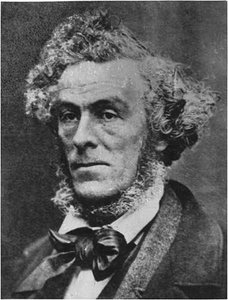
Cornelius David Krieghoff
1815 - 1872 , Netherlands
Quick Facts
- Artistic Movement Or Style: Genre painting, Realism
- Artists Who Influenced This Artist: ['Wilhelm von Schadow']
- Date Of Birth: June 19, 1815
- Date Of Death: March 5, 1872
- Full Name: Cornelius David Krieghoff
- Nationality: Dutch-Canadian
- Notable Artworks:
- Indian Trapper on Snowshoes
- Caughnawaga Encampment
- A Caughnawage Woman
- The Toll Gate
- Place Of Birth: Amsterdam, Netherlands

