 Preview
 Send
Send Share
Share
 Details

 Download
 Similars
 X-Ray
X-Ray Diaporama
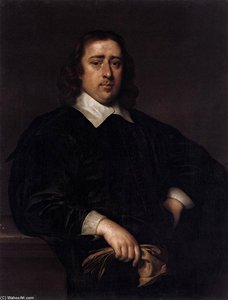
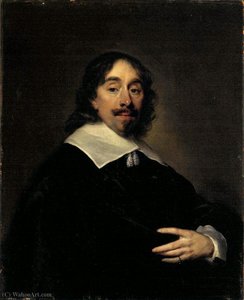
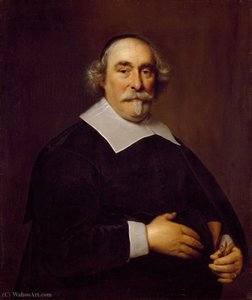
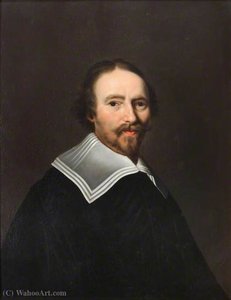
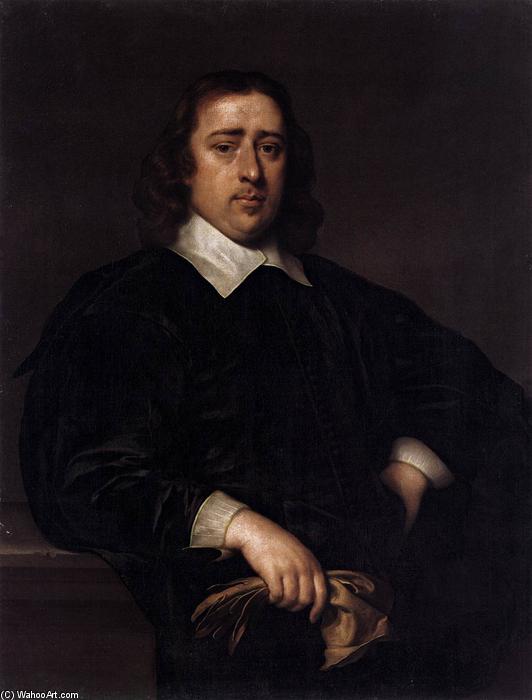
Portrait of a Man
 Oil On Canvas
- WallArt
- Baroque Realism
 1648
1648 104.0 x 80.0 cm
 Metropolitan Museum of Art
 Read More
Hand Made Oil Reproduction
Hand-painted oil on canvas in your size and frame, made to order by our artists. ( Buy Print Buy Image)




P118B $10

P118H $10

P118W $10

P438Z $10

P508JH $12

P508YH $12

P805H $10

P805Z $10

P919BZ $10

P919G $10

P919XJ $10

P959ZH $10

P968JZ $12

W106C $8

W218G $10

W218JH $8

W218Y $10

W307PJ $10

W316G $10

W316PJ $8

W316Y $10

W398PJ $8

W4111J $10

W500HY $15

W500JH $15

W692G $12

W849H $8

W940BG $15

W953PJ $8




Pick from our preset sizes that match the artwork's original proportions.

You may enter your own dimensions to fit a specific frame or space. If your selected size does not match the original image's proportions, we will either crop the artwork or extend the painting with additional hand-painted elements. A digital mockup will be sent for your approval before production begins.
Please note that the on-screen preview does not reflect the actual cropping or extension. Only the mockup will accurately show the final composition.
While custom sizes are available, we recommend selecting a dimension from the predefined list to preserve the original proportions.
After order, ArtsDot.com team will email client for instructions and provide a mockup preview
Worldwide Delivery () in 3/4 weeks instead of standard 5 weeks. (22 August). No compromise on quality.

Free Worldwide Express Shipping

High-Quality Linen Canvas

Full Shipping Insurance

Customs Tax Refund Guarantee

True Color Matching Guarantee

60-Day Return Policy (Defects Only)

100% Money-Back Guarantee

Bulk Discount Offer
 Glass option is only available in size under 110 CM

Portrait of a Man
Reproduction Medium
Reproduction Size
-


Total Price
$ 263
Artwork Description
A Window into the Dutch Golden Age: The Enigmatic Portrait of a Man
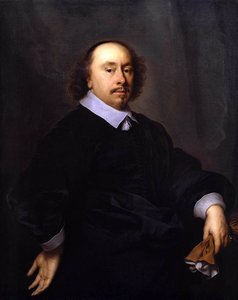
Cornelius Jonson van Ceulen’s “Portrait of a Man,” painted in 1648, is more than just a likeness; it's a meticulously crafted window into the sophisticated world of 17th-century Dutch society. Housed within the esteemed Metropolitan Museum of Art in New York City, this oil on canvas painting immediately commands attention with its dramatic chiaroscuro lighting and an almost palpable sense of contemplative seriousness. Van Ceulen, a pivotal figure in the Baroque movement, masterfully employed his training under Frans Hals to create a work that transcends mere representation, offering a glimpse into the mind and status of its subject.
The painting depicts a man of considerable presence, rendered with an astonishing level of detail. His attire – a dark, richly textured coat and crisp white collar – speaks volumes about his wealth and social standing. The subtle variations in shading across his face and hands reveal Van Ceulen’s profound understanding of texture and form; the fabric appears weighty and luxurious, while the skin possesses a delicate softness. The subject's gaze, directed slightly to the side, is particularly arresting—it suggests introspection rather than direct engagement, inviting the viewer to ponder his thoughts and motivations.
Masterful Technique: Light, Shadow, and the Illusion of Depth
Van Ceulen’s technical prowess is evident in every brushstroke. The painting's composition relies heavily on the principles of chiaroscuro – a dramatic contrast between light and dark – to create a powerful three-dimensional effect. Light falls primarily upon the man’s face and hands, highlighting these areas against the enveloping darkness of the background. This technique not only draws attention to key features but also establishes a sense of depth and volume, making the portrait feel remarkably lifelike. The artist's skillful blending of colors and meticulous rendering of details—from the intricate folds of the coat to the subtle nuances of the subject’s expression—demonstrate his mastery of oil painting.
Furthermore, Van Ceulen utilizes atmospheric perspective – a technique where distant objects appear paler and less distinct – to create a believable sense of space. The dark background recedes into the distance, subtly diminishing details and reinforcing the impression that the subject is positioned within a larger world. The sharp lines delineating the collar and cuffs provide a counterpoint to the softer transitions in the face and hands, adding visual interest and structure to the composition.
Symbolism and Context: A Portrait of Status and Thought
Beyond its technical brilliance, “Portrait of a Man” is rich in symbolic meaning. The subject’s left hand resting upon a table, holding what appears to be a book or small box, suggests scholarly pursuits or perhaps a symbol of status – a common motif in portraits of the wealthy and educated during this period. The overall mood is one of dignified seriousness, reflecting the values and aspirations of the Dutch Golden Age. The painting offers a glimpse into a world where intellect, wealth, and social standing were highly valued.
Considering its creation in 1648, during the height of the Dutch Republic’s prosperity, this portrait embodies the confidence and artistic flourishing of the era. Cornelius Jonson van Ceulen's work stands as a testament to the period's commitment to realism, detail, and psychological insight – qualities that continue to captivate viewers centuries later. Reproductions of this iconic piece offer an accessible way to experience the beauty and sophistication of Dutch Baroque art.
Related Artworks

Artist Biography
A Legacy of Light and Line: The Life of Cornelius Jonson van Ceulen
In the vibrant tapestry of the Dutch Golden Age, few threads are woven with as much precision and psychological depth as those left by Cornelius Jontsen van Ceulen. Born in London in 1593 to a Dutch diplomat, his very origins reflect the cosmopolitan spirit of the era, bridging the gap between English courtly life and the burgeoning artistic mastery of the Low Countries. As the son of Willem van Ceulen, a man deeply embedded in European political circles, Cornelius was raised amidst an atmosphere of cultural exchange that would later define his aesthetic sensibilities. His early exposure to Flemish traditions provided a foundation of richness and detail, yet it was his formal training that truly ignited his genius.
The trajectory of his career was irrevocably altered by his apprenticeship under the legendary Frans Hals. Under the watchful eye of this master of the Dutch school, Ceulen did not merely learn to apply pigment to canvas; he learned to capture the ephemeral nature of human emotion. From Hals, he inherited a profound command of chiarosc de lum and a dedication to naturalism that eschewed stiff formality in favor of breathing, living subjects. This period of development was crucial, as it instilled in him the ability to use light not just as a tool for visibility, but as a narrative force capable of sculpting faces and imbuing skin tones with a lifelike warmth.
Mastery of the Human Spirit and Sacred Narrative
Ceulen’s body of work is characterized by an extraordinary versatility that allowed him to move seamlessly between the intimate confines of portraiture and the grand, sweeping drama of biblical storytelling. In his portraits, he achieved a level of technical mastery that made him a sought-after chronicler of the era's notable figures. His ability to render the delicate textures of lace, the heavy weight of velvet, and the subtle sheen of silk served to elevate his subjects, yet he never allowed material wealth to overshadow the individual’s character. Works such as the Portrait of Carew Gorges and the Portrait of Ann Fanshawe stand as testaments to this balance, showcasing a remarkable ability to capture nuanced expressions and a sense of enduring dignity.
Beyond the secular realm, Ceulen found profound expression in religious iconography. His biblical scenes are far more than mere illustrations of scripture; they are immersive experiences imbued with spiritual resonance. By employing atmospheric perspective, he could transport the viewer from the domestic intimacy of a portrait to the vast, tranquil landscapes of a sacred narrative. This skill allowed him to create a sense of spatial realism that made the divine feel tangibly present. His religious works often utilized a sophisticated interplay of shadow and light to guide the eye through complex compositions, ensuring that the theological weight of the subject matter was felt as much as it was seen.
Historical Significance and Artistic Enduring Impact
The historical significance of Cornelius Jonson van Ceulen lies in his role as a bridge between the late Renaissance and the full flowering of the Baroque. He took the foundational principles of his predecessors and infused them with a new, palpable vitality. His achievements can be summarized through several key artistic contributions:
- The Refinement of Portraiture: He elevated the genre by integrating the psychological realism of the Hals tradition with an unparalleled attention to textural detail.
- Narrative Depth in Sacred Art: He successfully utilized landscape and light to bring biblical stories to life, making religious themes accessible and emotionally resonant for his contemporary audience.
- Technical Innovation: His mastery of oil painting techniques allowed for a level of precision in skin tones and fabric rendering that set a high standard for 17th-century Dutch painters.
Though the passage of centuries has weathered many works of art, the legacy of Ceulen remains preserved in the prestigious collections of Amsterdam’s museums. He remains a pivotal figure whose work continues to fascinate scholars and art lovers alike, serving as a window into a period of unparalleled human creativity and cultural flourishing. His ability to capture the fleeting essence of a moment—be it a subtle smile or a divine light breaking through clouds—ensures his place in the pantheon of the great masters of the Dutch Golden Age.
cornelius the elder jonson van ceulen
1593 - 1661 , United Kingdom
Quick Facts
- Artistic Movement Or Style: Dutch Golden Age Art
- Artists Or Movements Influenced By This Artist: ['Baroque']
- Artists Who Influenced This Artist: ['Jan van Goyen']
- Date Of Birth: 1593
- Full Name: Cornelius the Elder Jonson Van Ceulen
- Nationality: Dutch
- Notable Artworks:
- Portrait of a Man with a Watch
- Portrait of a Woman
- Place Of Birth: London, United Kingdom
Related Articles

Golden Age Reflections: Dutch Baroque Painting & Cultural Innovation
Explore the Dutch Golden Age of painting! Discover key artists like Vermeer & ter Borch, their innovative techniques, and the rich cultural context behind these Baroque masterpieces. Learn about collecting & appreciating this iconic art period.

Dutch Baroque Masters: 10 Paintings That Shaped an Era | ArtsDot
Journey through the Golden Age with our guide to the Top 10 Dutch Baroque masterpieces! Explore iconic paintings by Rembrandt, Vermeer & Frans Hals. Find museum-quality art reproductions and elevate your home decor at ArtsDot.com.

Dutch Masters: 10 Golden Age Paintings That Still Inspire |
Journey into the Dutch Golden Age! Explore 10 iconic paintings by Rembrandt, Vermeer & Hals. Discover the stories behind these Baroque masterpieces and find museum-quality art reproductions to elevate your home decor on .

Rembrandt's Masterpieces: Explore 25 Iconic Paintings & Prints | ArtsDot
Journey through Rembrandt van Rijn's 25 most iconic paintings & etchings. Explore Dutch Golden Age masterpieces, dramatic chiaroscuro, and timeless portraits. Find museum-quality art reproductions to elevate your home decor on ArtsDot.com.

Illuminating Innovation: Exploring the Dutch Golden Age of Painting
Explore the Dutch Golden Age of painting with ArtsDot. Discover Rembrandt, Vermeer & other Masters. Learn about key characteristics, iconic artworks, and lasting influence. Expert insights for collectors & enthusiasts.