 Preview
 Send
Send Share
Share
 Details

 Download
 Similars
 X-Ray
X-Ray Diaporama
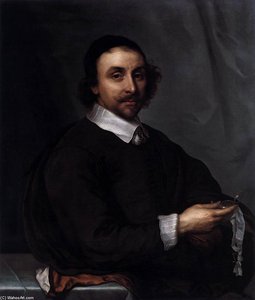
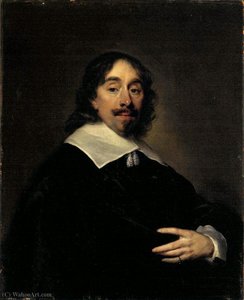
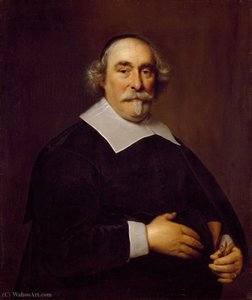
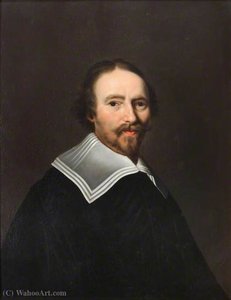
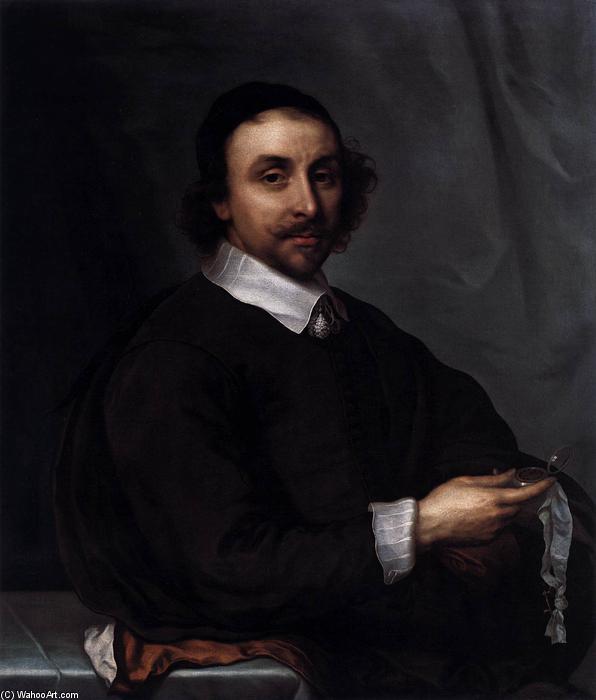
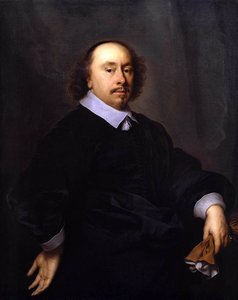
Portrait of a Man with a Watch
 Oil On Canvas
- WallArt
- Baroque
 1657
1657 84.0 x 71.0 cm
 Metropolitan Museum of Art
 Read More
Giclée / Art Print
Museum-quality giclée or canvas print with fast production and flexible finish options. ( Buy Hand Made Painting Buy Image)




P118B $10

P118H $10

P118W $10

P438Z $10

P508JH $12

P508YH $12

P805H $10

P805Z $10

P919BZ $10

P919G $10

P919XJ $10

P959ZH $10

P968JZ $12

W106C $8

W218G $10

W218JH $8

W218Y $10

W307PJ $10

W316G $10

W316PJ $8

W316Y $10

W398PJ $8

W4111J $10

W500HY $15

W500JH $15

W692G $12

W849H $8

W940BG $15

W953PJ $8




Pick from our preset sizes that match the artwork's original proportions.

You may enter your own dimensions to fit a specific frame or space. If your selected size does not match the original image's proportions, we will either crop the artwork or extend the image with a mirrored or solid-fill edge. A digital mockup will be sent for your approval before production begins.
Please note that the on-screen preview does not reflect the actual cropping or extension. Only the mockup will accurately show the final composition.
While custom sizes are available, we recommend selecting a dimension from the predefined list to preserve the original proportions.
Worldwide Delivery () in 2 weeks instead of standard 4/5 weeks. (27 August)

Free Worldwide Express Shipping

High-Quality Linen Canvas

Full Shipping Insurance

Customs Tax Refund Guarantee

True Color Matching Guarantee

60-Day Return Policy (Defects Only)

100% Money-Back Guarantee

Bulk Discount Offer
 Glass option is only available in size under 110 CM

Portrait of a Man with a Watch
Giclée / Art Print
Reproduction Size
-


Total Price
$ 63
Collectible Description
A Glimpse into Time: The Allure of Baroque Portraiture
To stand before this magnificent portrait is to step directly into the richly textured atmosphere of the 17th century. It is an encounter with dignity, meticulous craftsmanship, and the profound weight of passing moments. This oil on canvas captures a man whose very bearing speaks of status and deep contemplation. The style is unequivocally Baroque—a period defined by drama, emotional intensity, and an almost overwhelming attention to visual detail. One cannot help but feel enveloped by the scene, drawn into the interplay between light and shadow that gives the figure such startling three-dimensionality.
Mastery in Shadow and Light: Technical Brilliance
The technical execution displayed here is nothing short of masterful. The artist employed chiaroscuro with breathtaking skill; notice how the illumination seems to emanate from an unseen source, catching the planes of the man's face and the gleam of his accoutrements while allowing the background to recede into velvety darkness. This dramatic contrast does more than simply illuminate; it sculpts the subject out of the void, giving him a palpable volume that transcends the flat surface of the canvas. From the soft, flowing lines suggested by the curtain drapery to the crisp, defined folds of his doublet, every texture—the roughness of aged fabric against the smoothness of skin—has been rendered with painstaking fidelity.
The Weight of Moments: Symbolism and Subject
At the heart of this portrait lies not merely a likeness, but a meditation on existence itself. The inclusion of the pocket watch is the painting's most potent symbolic element. It serves as a tangible reminder of time’s relentless passage, grounding the sitter in a moment that feels both eternal and fleeting. His expression, serious and introspective, suggests a man accustomed to making weighty decisions—a reflection of his societal position and perhaps the very burden of awareness. The composition itself, centered and formal, reinforces this sense of enduring presence.
A Timeless Addition to Any Collection
For those who appreciate the confluence of history, artistry, and profound symbolism, this reproduction offers an unparalleled decorative statement. Whether adorning a library wall that speaks of scholarly pursuits or lending gravitas to a formal drawing-room, its dark, rich palette anchors any interior design scheme with undeniable sophistication. Owning a piece echoing the grandeur of 17th-century Dutch portraiture connects the modern viewer directly to the skilled hands and intellectual currents of the Baroque age. It is more than decoration; it is an heirloom in waiting.
Related Artworks





Artist Biography
A Legacy of Light and Line: The Life of Cornelius Jonson van Ceulen
In the vibrant tapestry of the Dutch Golden Age, few threads are woven with as much precision and psychological depth as those left by Cornelius Jontsen van Ceulen. Born in London in 1593 to a Dutch diplomat, his very origins reflect the cosmopolitan spirit of the era, bridging the gap between English courtly life and the burgeoning artistic mastery of the Low Countries. As the son of Willem van Ceulen, a man deeply embedded in European political circles, Cornelius was raised amidst an atmosphere of cultural exchange that would later define his aesthetic sensibilities. His early exposure to Flemish traditions provided a foundation of richness and detail, yet it was his formal training that truly ignited his genius.
The trajectory of his career was irrevocably altered by his apprenticeship under the legendary Frans Hals. Under the watchful eye of this master of the Dutch school, Ceulen did not merely learn to apply pigment to canvas; he learned to capture the ephemeral nature of human emotion. From Hals, he inherited a profound command of chiarosc de lum and a dedication to naturalism that eschewed stiff formality in favor of breathing, living subjects. This period of development was crucial, as it instilled in him the ability to use light not just as a tool for visibility, but as a narrative force capable of sculpting faces and imbuing skin tones with a lifelike warmth.
Mastery of the Human Spirit and Sacred Narrative
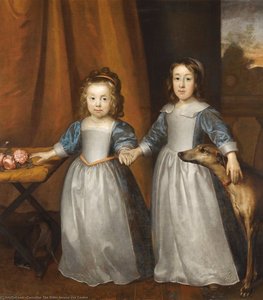
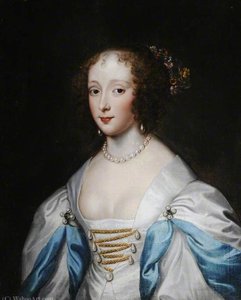
Ceulen’s body of work is characterized by an extraordinary versatility that allowed him to move seamlessly between the intimate confines of portraiture and the grand, sweeping drama of biblical storytelling. In his portraits, he achieved a level of technical mastery that made him a sought-after chronicler of the era's notable figures. His ability to render the delicate textures of lace, the heavy weight of velvet, and the subtle sheen of silk served to elevate his subjects, yet he never allowed material wealth to overshadow the individual’s character. Works such as the Portrait of Carew Gorges and the Portrait of Ann Fanshawe stand as testaments to this balance, showcasing a remarkable ability to capture nuanced expressions and a sense of enduring dignity.
Beyond the secular realm, Ceulen found profound expression in religious iconography. His biblical scenes are far more than mere illustrations of scripture; they are immersive experiences imbued with spiritual resonance. By employing atmospheric perspective, he could transport the viewer from the domestic intimacy of a portrait to the vast, tranquil landscapes of a sacred narrative. This skill allowed him to create a sense of spatial realism that made the divine feel tangibly present. His religious works often utilized a sophisticated interplay of shadow and light to guide the eye through complex compositions, ensuring that the theological weight of the subject matter was felt as much as it was seen.
Historical Significance and Artistic Enduring Impact
The historical significance of Cornelius Jonson van Ceulen lies in his role as a bridge between the late Renaissance and the full flowering of the Baroque. He took the foundational principles of his predecessors and infused them with a new, palpable vitality. His achievements can be summarized through several key artistic contributions:
- The Refinement of Portraiture: He elevated the genre by integrating the psychological realism of the Hals tradition with an unparalleled attention to textural detail.
- Narrative Depth in Sacred Art: He successfully utilized landscape and light to bring biblical stories to life, making religious themes accessible and emotionally resonant for his contemporary audience.
- Technical Innovation: His mastery of oil painting techniques allowed for a level of precision in skin tones and fabric rendering that set a high standard for 17th-century Dutch painters.
Though the passage of centuries has weathered many works of art, the legacy of Ceulen remains preserved in the prestigious collections of Amsterdam’s museums. He remains a pivotal figure whose work continues to fascinate scholars and art lovers alike, serving as a window into a period of unparalleled human creativity and cultural flourishing. His ability to capture the fleeting essence of a moment—be it a subtle smile or a divine light breaking through clouds—ensures his place in the pantheon of the great masters of the Dutch Golden Age.
cornelius the elder jonson van ceulen
1593 - 1661 , United Kingdom
Quick Facts
- Artistic Movement Or Style: Dutch Golden Age Art
- Artists Or Movements Influenced By This Artist: ['Baroque']
- Artists Who Influenced This Artist: ['Jan van Goyen']
- Date Of Birth: 1593
- Full Name: Cornelius the Elder Jonson Van Ceulen
- Nationality: Dutch
- Notable Artworks:
- Portrait of a Man with a Watch
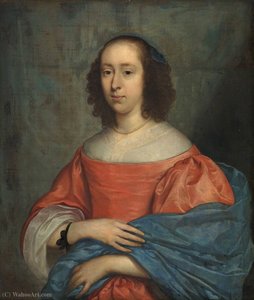
- Portrait of a Woman
- Place Of Birth: London, United Kingdom
Related Articles

Rembrandt's Masterpieces: Explore 25 Iconic Paintings & Prints | ArtsDot
Journey through Rembrandt van Rijn's 25 most iconic paintings & etchings. Explore Dutch Golden Age masterpieces, dramatic chiaroscuro, and timeless portraits. Find museum-quality art reproductions to elevate your home decor on ArtsDot.com.
Sir Anthony van Dyck: Courtly Portraiture & the Shaping of Baroque Identity
Explore the life & legacy of Sir Anthony van Dyck, the leading court painter of his era. Discover his innovative portraiture, Baroque masterpieces, and investment potential for discerning collectors. Learn more at ArtsDot.

Dutch Baroque Masters: 10 Paintings That Shaped an Era | ArtsDot
Journey through the Golden Age with our guide to the Top 10 Dutch Baroque masterpieces! Explore iconic paintings by Rembrandt, Vermeer & Frans Hals. Find museum-quality art reproductions and elevate your home decor at ArtsDot.com.

Baroque Masterpieces: 10 Paintings That Defined an Era |
Journey through the drama & grandeur of Baroque art! Explore 10 masterpieces by Caravaggio, Rembrandt, Rubens & more. Discover stunning oil paintings, rich colors & timeless stories. Find museum-quality reproductions at .

Baroque Drama: Bringing Opulence & Emotion into Contemporary Interiors
Explore the opulent world of Baroque interior design! Discover key elements, modern applications & how to bring dramatic elegance into your home with 's authentic reproductions.