 Send
Send Share
Share
 Details

 Download
 Similars
 Diaporama
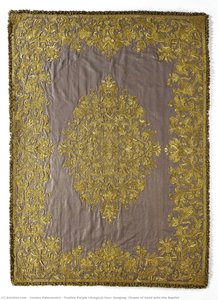
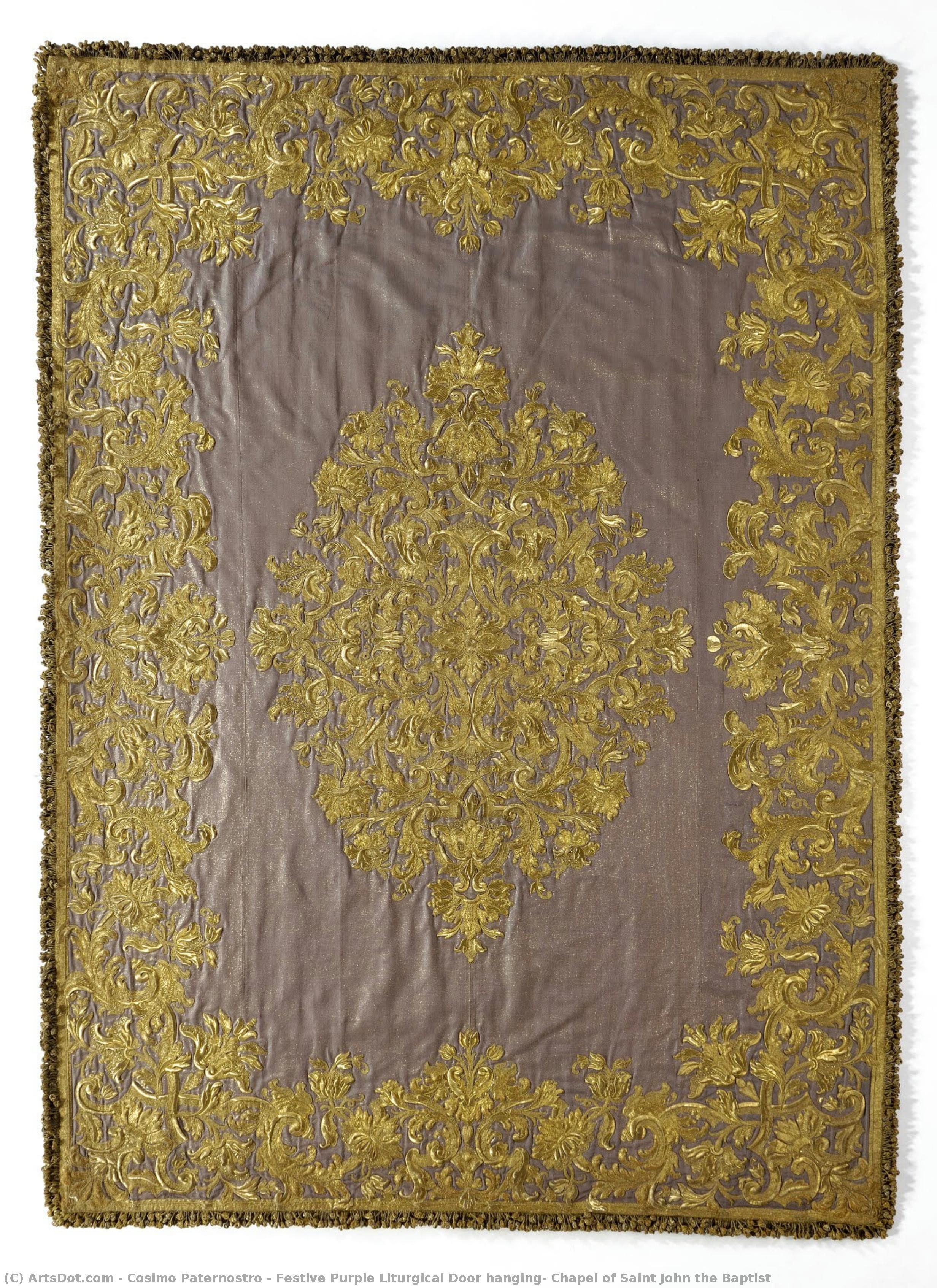
Festive Purple Liturgical Door hanging, Chapel of Saint John the Baptist


 Read More
Giclée / Art Print
Museum-quality giclée or canvas print with fast production and flexible finish options. ( Buy Hand Made Painting Buy Image)




































Pick from our preset sizes that match the artwork's original proportions.

You may enter your own dimensions to fit a specific frame or space. If your selected size does not match the original image's proportions, we will either crop the artwork or extend the image with a mirrored or solid-fill edge. A digital mockup will be sent for your approval before production begins.
Please note that the on-screen preview does not reflect the actual cropping or extension. Only the mockup will accurately show the final composition.
While custom sizes are available, we recommend selecting a dimension from the predefined list to preserve the original proportions.
Worldwide Delivery () in 2 weeks instead of standard 4/5 weeks. (29 August)

Free Worldwide Express Shipping

High-Quality Linen Canvas

Full Shipping Insurance

Customs Tax Refund Guarantee

True Color Matching Guarantee

60-Day Return Policy (Defects Only)

100% Money-Back Guarantee

Bulk Discount Offer
 Glass option is only available in size under 110 CM

Festive Purple Liturgical Door hanging, Chapel of Saint John the Baptist
Giclée / Art Print
Reproduction Size
-


Total Price
$ 63
A Tapestry of Devotion: The Sacred Elegance of Paternostro
In the quiet, hallowed atmosphere of the Chapel of Saint John the Baptist, there exists a fragment of textile history that transcends mere decoration, serving instead as a profound window into the Baroque soul. The Festive Purple Liturgical Door Hanging, attributed to the masterful hand of Cosimo Paternostro, is not simply an object of craft but a rhythmic dance of color and light. Created in 1749, this piece embodies the height of liturgical splendor, where every thread and golden motif is woven with the intention of elevating the spirit toward the divine. The deep, regal purple—a hue traditionally associated with penitence, preparation, and royalty—provides a somber yet majestic canvas for the intricate goldwork that dances across its surface.
The visual language of this hanging is one of celestial geometry. At its heart lies a commanding central circle, an ancient symbol of eternity and the infinite nature of God, which acts as a focal point for the viewer's meditation. This primary orb is surrounded by a constellation of smaller, scattered circles, creating a sense of cosmic order and movement. The technique reflects the meticulous precision characteristic of the Italian Baroque tradition; the interplay between the heavy, saturated purple fabric and the shimmering gold designs creates a tactile depth that catches the flickering candlelight of a chapel setting. For the discerning collector or interior designer, this piece offers a masterclass in how texture and pattern can command a room, bringing a sense of historical weight and sophisticated grandeur to any space.
To behold this work is to experience the intersection of artistry and liturgy. The craftsmanship speaks to an era where art was the primary vessel for storytelling and spiritual instruction. The repetitive, circular motifs suggest the cyclical nature of faith and the unending loop of prayer. Beyond its historical significance, the hanging possesses a transformative emotional impact; it evokes a sense of stillness and reverence. Whether reimagined as a centerpiece in a curated gallery or used as an inspiring element in a luxurious, classically-inspired interior, this reproduction allows the timeless elegance of Paternostro’s era to breathe within a modern context, offering a touch of the sacred to the contemporary home.
Related Artworks


Artist Biography
Cosimo Paternostro: A Corleonese Baroque Visionary
Cosimo Paternostro emerged from the vibrant artistic landscape of Corleone, Italy, circa 1661—a son of Nicolo’ Paternostro and Girolama Cardella—and established himself as a prominent figure in the Italian Baroque movement. While biographical details remain somewhat sparse, his legacy resides primarily within his captivating paintings, particularly those imbued with religious fervor and steeped in historical grandeur. His marriage to Felicia Triolo brought forth three children, shaping his familial life alongside his artistic pursuits. Paternostro’s passing occurred before 1725, marking the end of a productive career dedicated to capturing the spirit of his era.- Early Life and Training: Precise information regarding Paternostro's formative years is elusive. However, it is believed he honed his artistic skills under the tutelage of influential Baroque masters prevalent in Sicily during his youth—a tradition that ensured a grounding in classical principles blended seamlessly with dramatic expressive techniques.
- Style and Technique: Paternostro’s distinctive style embodies the hallmarks of Sicilian Baroque, characterized by rich color palettes, meticulous detailing, and an unwavering commitment to conveying emotion. He skillfully employed chiaroscuro—the interplay of light and shadow—to sculpt figures within his canvases, creating a palpable sense of depth and realism. His brushstrokes were deliberate yet fluid, capturing both grandeur and intimacy with equal grace.
Notable Works: Illuminating Faith and History
Paternostro’s artistic output focused predominantly on religious subjects—primarily depictions of saints and biblical narratives—reflecting the profound spiritual convictions characteristic of his time. Among his most celebrated creations is “Festive Purple Liturgical Door Hanging,” a monumental altar piece commissioned for Saint John the Baptist Chapel in Corleone. This masterpiece exemplifies Paternostro’s mastery of color and composition, transporting viewers into a realm of solemn beauty and divine contemplation. The intricate drapery folds and luminous pigments demonstrate an exceptional understanding of Baroque artistic conventions.- “Festive Purple Liturgical Door Hanging” – This monumental work showcases Paternostro’s ability to convey spiritual emotion through masterful use of color and light, solidifying his reputation as a leading artist of the Baroque period.
Influences and Artistic Legacy
Paternostro's artistic sensibilities were undoubtedly shaped by the prevailing stylistic currents of his milieu—particularly those championed by Caravaggio and Pietro Paolo Veronese. These masters instilled in him a conviction that art should serve as a conduit for conveying moral truths and eliciting profound emotional responses. Paternostro’s dedication to realism combined with theatrical grandeur established him as a pivotal voice within Sicilian Baroque, leaving an indelible mark on the artistic heritage of Corleone.Historical Significance
Cosimo Paternostro's contribution to Italian art history extends beyond his individual masterpieces. He represents a crucial link between classical ideals and Baroque dynamism—a testament to the enduring power of artistic innovation within a period defined by religious fervor and cultural transformation. His work continues to inspire admiration for its technical brilliance and emotive resonance, ensuring that Paternostro’s vision persists as an emblem of Corleone's artistic legacy.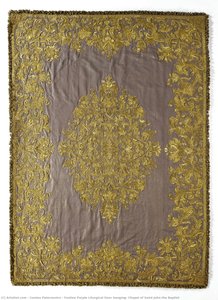
cosimo paternostro
Italy
Quick Facts
- Artistic Movement Or Style: Baroque
- Date Of Birth: Circa 1661
- Date Of Death: Before 1725
- Full Name: Cosimo Paternostro
- Nationality: Italian
- Notable Artworks: ['Festive Purple Liturgical Door hanging']
- Place Of Birth: Corleone, Italy
Related Articles
Golden Glow: How to Use Metallic Gold Artworks to Elevate Your Home Decor with Timeless Luxury
Discover how to elevate your home with the timeless elegance of metallic gold artworks. From sculptural metal pieces to gilded oil paintings, learn expert interior design tips for integrating luxurious gold accents into your space with sophistication and grace.

Baroque Drama: Bringing Opulence & Emotion into Contemporary Interiors
Explore the opulent world of Baroque interior design! Discover key elements, modern applications & how to bring dramatic elegance into your home with 's authentic reproductions.

The Dramatic Flourish: Exploring the Baroque Movement's Enduring Legacy in Art History
Explore the dramatic world of Baroque art! Discover iconic artists like Caravaggio & Rubens, defining techniques, and its lasting impact on art history. Expert insights for collectors & enthusiasts at ArtsDot.

Baroque Masterpieces: 10 Paintings That Defined an Era |
Journey through the drama & grandeur of Baroque art! Explore 10 masterpieces by Caravaggio, Rembrandt, Rubens & more. Discover stunning oil paintings, rich colors & timeless stories. Find museum-quality reproductions at .
The Allure of Gold in Art History: Symbolism, Technique & Cultural Significance
Explore the rich history of gold in art! Discover symbolism, techniques & cultural significance from ancient civilizations to Klimt's masterpieces. Expert insights for collectors at ArtsDot.