

 Preview
 Send
Send Share
Share
 Details

 Download
 Similars
 X-Ray
X-Ray Diaporama
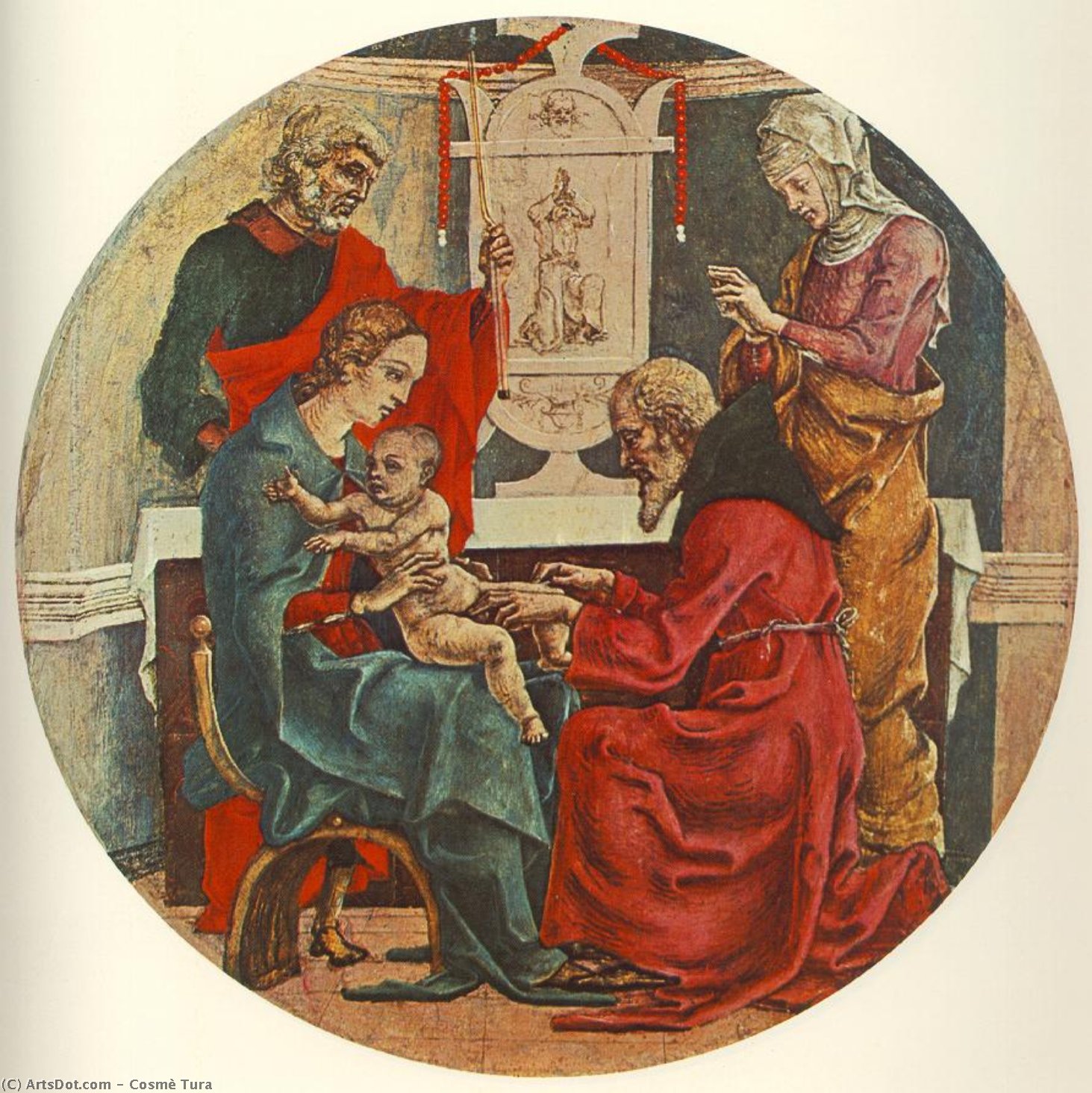
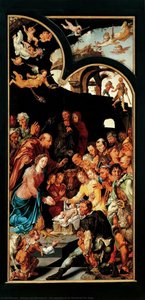
Circumcision (from the predella of the Roverella Polyptych)
 Acrylic On Canvas
- WallArt
- Early Renaissance
 1474
1474 38.0 x 38.0 cm
 Isabella Stewart Gardner Museum
 Read More
Purchase a high-resolution, enhanced digital image, far superior to the online preview.
Each file is meticulously prepared by our in-house specialists using advanced tools and expert manual retouching. We ensure every image has exceptional clarity, precise color accuracy, and fine detail.
The final file is delivered via email within 72 hours, optimized for immediate use in professional, editorial, and print environments. This is the same quality trusted by top-tier design studios, publishers, and galleries.
Digital Image
Download a high-resolution file for personal display, printing, and creative projects. ( Buy Print Buy Hand Made Painting)
Included in Every Digital Image Order
Expert Digital Delivery, Guaranteed
When you choose ArtsDot.com, you're not just getting an image - you're receiving a professionally enhanced digital artwork, crafted with precision and backed by a satisfaction guarantee. Here's everything that comes with your order, automatically:

Fast Email Delivery
Your high-resolution digital image file will be emailed to you within 72 hours of ordering - ready for immediate use.

AI-Enhanced Digital File
Your artwork is professionally optimized using advanced AI tools and manual editing, ensuring maximum detail, clarity, and color accuracy.

Free Lifetime Re-Delivery
Accidentally deleted or lost your file? No worries - we'll resend it to you anytime, free of charge.

No Import Fees - Ever
Enjoy your artwork instantly with zero customs, duties, or delivery fees - digital downloads are always tax-free.

Color Accuracy Guarantee
We ensure your digital image reflects the original colors as closely as possible using professional tools and color management.

60-Day Satisfaction Guarantee
If you're not satisfied with your digital image, we'll revise it or refund 100% within 60 days - no questions asked.

100% Money-Back Guarantee
Not satisfied? Get a full refund within 60 days of receiving your digital file - no questions asked.

Bulk Order Discounts
Buy 3 images, save 10% - Buy 5, save 15% - Buy 10+, save 20%. Great for creative projects, galleries, and agencies.
A Window into Ferrara’s Renaissance Soul
Cosmè Tura's “Circumcision,” part of the magnificent Roverella Polyptych, stands as a testament to the artistic fervor that gripped Ferrara during its golden age. Painted in 1474, this tempera on wood tondo offers more than just visual beauty; it embodies the humanist ideals and spiritual contemplation characteristic of the Early Renaissance – specifically, the fervent devotion of Lorenzo Roverella, Bishop of Ferrara.
The Painter’s Vision: Cosmè Tura and His Artistic Legacy
Born around 1430 in Ferrera, Italy, Cosmè Tura wasn't merely a craftsman; he was a visionary artist who helped establish the Ferrara School. While biographical details remain somewhat sparse – his father was a shoemaker – scholarly consensus suggests an apprenticeship with Galasso Galassi, a figure shrouded in mystery linked to Piero della Francesca’s workshop. This formative experience instilled in Tura a profound understanding of classical influences alongside emerging Renaissance innovations like linear perspective and robust form.
Technique and Style: A Delicate Balance
Tura's masterful technique is immediately apparent. The painting utilizes tempera on wood, a medium known for its luminosity and durability—attributes that allowed for exceptional detail and tonal subtlety. Observe the meticulous layering of pigments, creating a rich tapestry of color that captures the solemn atmosphere of the religious ceremony depicted. Linear perspective subtly guides the viewer’s gaze, anchoring the figures within a carefully constructed space.
Symbolism and Narrative Depth
The scene portrays a pivotal moment in Christian tradition: the circumcision of Jesus Christ. The composition is deliberately restrained yet powerfully expressive. St George, depicted prominently on the left panel, embodies courage and righteousness—values central to Renaissance humanist thought. The figures surrounding the infant Jesus convey compassion and reverence, reflecting the spiritual significance of the event. The artist’s skillful rendering captures not only the physical likenesses but also the emotional essence of the participants.
A Fragment of Ferrara's Artistic Glory
Though tragically incomplete due to a devastating bomb during World War II, “Circumcision” remains an invaluable relic of Ferrara’s artistic heritage. Its inclusion in the Roverella Polyptych underscores Tura’s ambition to create a monumental artwork that would elevate its patron and inspire contemplation. Today, high-quality reproductions allow art enthusiasts worldwide to appreciate the enduring beauty and intellectual depth of this masterpiece—a poignant reminder of Ferrara's contribution to the Renaissance.
Related Artworks
![Stanze Vaticane - The School Of Athens (detail) [05] — Raphael, Renaissance](/media/artworks/images-thumb/ca/a9/caa9f9be8f76fbc617e906bfcb543fad.jpg)
Artist Biography
A Ferrarese Visionary: The Life and Art of Cosmè Tura
Born around 1430 in the vibrant ducal city of Ferrara, Italy, Cosmè Tura emerged from humble beginnings – his father was a shoemaker named Domenico – to become one of the most distinctive and influential painters of the Early Renaissance. While details surrounding his initial training remain somewhat elusive, art historians suggest a possible apprenticeship with Galasso Galassi, a shadowy figure connected to the renowned Piero della Francesca. This early exposure likely laid the groundwork for Tura’s developing artistic sensibilities, though it was a period of travel, potentially encompassing Venice and Padua between 1452 and 1456, that truly ignited his creative spark. In Padua, he would have encountered the workshop of Francesco Squarcione, a pivotal center for artistic innovation where the study of classical antiquity flourished alongside emerging Renaissance techniques like linear perspective and robust form. These influences were not merely absorbed but synthesized into something uniquely Tura’s own – a style characterized by its sharp lines, decorative exuberance, and an almost obsessive attention to detail.The Court Painter and His Innovative Style
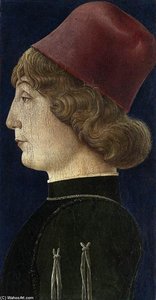
Tura's career blossomed within the Este court, first under Duke Borso d'Este and later Ercole I d’Este. He wasn’t simply a painter; he was a versatile artisan employed in creating not only frescoes and panel paintings but also designs for tournaments, decorated furniture, and even clothing. This multifaceted role speaks to the breadth of artistic skill valued within the Este household and allowed Tura ample opportunity to experiment with materials and techniques. His innovative use of oil paint stands out particularly – he masterfully manipulated its properties to render a remarkable range of textures, from the shimmering sheen of metal armor to the delicate folds of luxurious fabrics. This technical prowess was coupled with an artistic vision deeply informed by a diverse array of influences: the serene spirituality of Fra Angelico, Piero della Francesca’s geometric precision, Andrea Mantegna's dramatic foreshortening and classical references, and the meticulous realism of Flemish painters. However, Tura didn’t simply imitate these masters; he forged them into a distinctly Ferrarese aesthetic – one defined by expressive lines, intricate ornamentation, and a captivating sense of dynamism. Notable works from this period include A Muse (Detail) from 1460, showcasing his delicate rendering of form and symbolism, the early Portrait of a Young Man from around 1450, and the later St Anthony of Padua Reading, completed in 1475. His Pietà (1474) is another testament to his skill with tempera paint.A Legacy Forged in Ferrara
Cosmè Tura’s impact extended far beyond the confines of the Este court. He is rightfully considered a founder of the School of Ferrara, an artistic movement that flourished in the late 15th century and exerted considerable influence on subsequent generations of Italian painters. His style – often described as idiosyncratic and even somewhat unsettling – captivated his contemporaries and continues to intrigue art historians today. The expressive energy of his lines, the almost fantastical quality of his decorative elements, and his willingness to push the boundaries of artistic convention set him apart from many of his peers. He influenced artists such as Giovanni Andrea Ghirardoni, who continued to develop the Ferrarese style after Tura’s death in 1495. Today, examples of his work can be found in museums and collections around the world, but a significant concentration remains in Ferrara itself, particularly at the Museo del Duomo and Palazzo Schifanoia – the latter boasting magnificent frescoes where Tura's hand is prominently visible.Influences and Enduring Significance
To understand Cosmè Tura’s artistic achievements, it’s crucial to recognize the complex web of influences that shaped his vision. His debt to Fra Angelico is evident in the devotional intensity of his religious works, while Piero della Francesca's mastery of perspective and geometric form provided a structural foundation for his compositions. The dramatic power and classical allusions found in the art of Andrea Mantegna also resonated deeply with Tura, inspiring him to explore innovative approaches to depicting space and anatomy. Furthermore, exposure to Flemish artists likely encouraged his adoption of oil paint as a medium, allowing for greater detail and textural nuance. The possible mentorship of Galasso Galassi, though shrouded in mystery, may have provided an initial grounding in artistic principles. Cosmè Tura’s legacy lies not only in the beauty and originality of his paintings but also in his contribution to the development of Italian Renaissance art. He demonstrated a remarkable ability to synthesize diverse influences into a cohesive and compelling style, establishing Ferrara as a significant center for artistic innovation and leaving an indelible mark on the history of painting.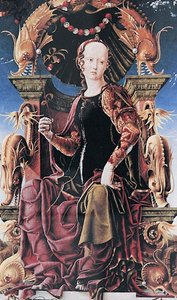
Cosmè Tura
1430 - 1495 , Italy
Quick Facts
- Artistic Movement Or Style: Early Renaissance
- Artists Or Movements Influenced By This Artist: ['Giovanni Andrea Ghirardoni']
- Artists Who Influenced This Artist:
- Fra Angelico
- Piero della Francesca
- Andrea Mantegna
- Flemish Artists
- Date Of Birth: c. 1430
- Date Of Death: 1495
- Full Name: Cosmè Tura
- Nationality: Italian
- Notable Artworks:
- A Muse (Detail)
- Portrait of a Young Man
- St Anthony of Padua Reading
- Saint Peter
- Pietà
- Place Of Birth: Ferrara, Italy

