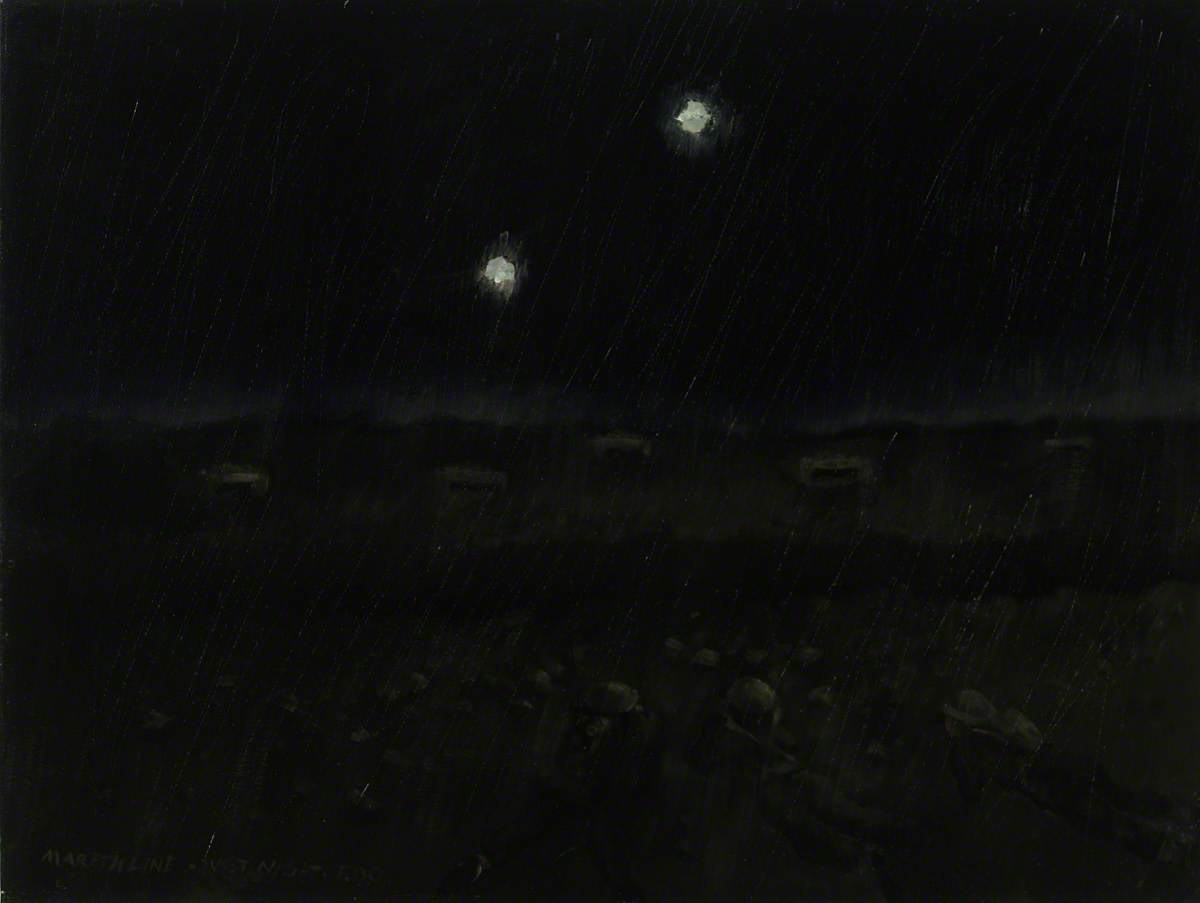
 Preview
 Send
Send Share
Share
 Details

 Download
 Similars
 X-Ray
X-Ray Diaporama
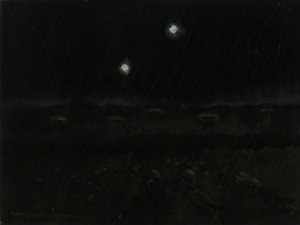
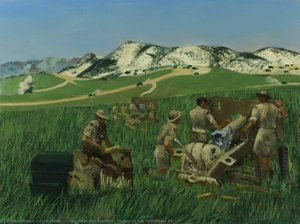
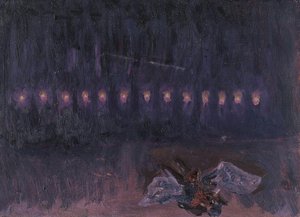
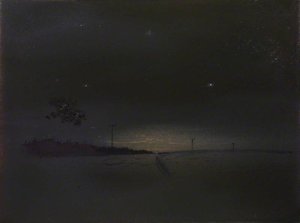
Mareth Line – Wet Night, F. O. O., March 1943
 2008
2008 46.0 x 61.0 cm
 Read More
Giclée / Art Print
Museum-quality giclée or canvas print with fast production and flexible finish options. ( Buy Hand Made Painting Buy Image)




































Pick from our preset sizes that match the artwork's original proportions.

You may enter your own dimensions to fit a specific frame or space. If your selected size does not match the original image's proportions, we will either crop the artwork or extend the image with a mirrored or solid-fill edge. A digital mockup will be sent for your approval before production begins.
Please note that the on-screen preview does not reflect the actual cropping or extension. Only the mockup will accurately show the final composition.
While custom sizes are available, we recommend selecting a dimension from the predefined list to preserve the original proportions.
Worldwide Delivery () in 2 weeks instead of standard 4/5 weeks. (24 August)

Free Worldwide Express Shipping

High-Quality Linen Canvas

Full Shipping Insurance

Customs Tax Refund Guarantee

True Color Matching Guarantee

60-Day Return Policy (Defects Only)

100% Money-Back Guarantee

Bulk Discount Offer
 Glass option is only available in size under 110 CM

Mareth Line – Wet Night, F. O. O., March 1943
Giclée / Art Print
Reproduction Size
-


Total Price
$ 63
Related Artworks
Artist Biography
Cyril Mount: A Painter of War and Peace
Cyril Mount (1920-2013) was an artist whose career spanned decades, marked by a unique ability to capture the raw energy of conflict alongside a profound commitment to peace. Born in Ireland and later establishing himself as a prominent figure in the American art scene, Mount’s work is characterized by bold brushstrokes, dynamic compositions, and a distinctive blend of realism and impressionism—a style deeply influenced by his experiences during World War II and his subsequent advocacy for social justice. His paintings aren't merely depictions; they are visceral narratives that invite viewers to contemplate the complexities of human experience.Early Life and Artistic Beginnings
Information about Mount’s early life is somewhat fragmented, though he spent his formative years in Ireland before relocating to England. Details regarding his formal artistic training remain scarce, suggesting a largely self-taught approach—a characteristic that arguably contributed to the directness and immediacy of his later work. It's documented that he was involved with Peace Studies at the University of Bradford, where he donated a significant collection of his artwork, including pieces reflecting his strong pacifist beliefs. This connection highlights a recurring theme in his oeuvre: a persistent dialogue between violence and reconciliation. The influence of Carmelite monks, particularly through his association with Mount St Bernard Abbey, is also notable, potentially shaping his contemplative approach to subject matter and his dedication to spiritual themes interwoven within his artistic practice.World War II Commissions and the Rise of Realism
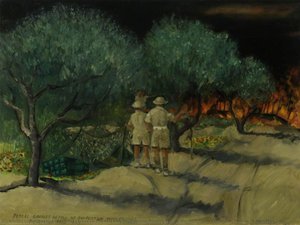
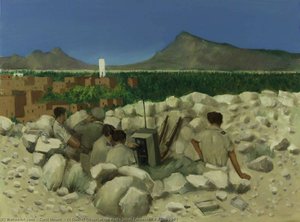
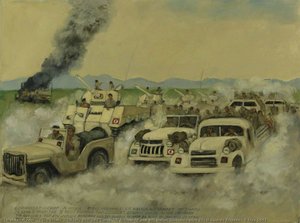
Mount’s artistic trajectory dramatically shifted during World War II. He was commissioned by the British Army to document scenes from the war effort, a period that profoundly impacted his artistic vision. Paintings like “Victory Roll into Tunis” (1943) and "El Oudref Observation Post, Jebel Fatnassa" (1943) exemplify this shift towards stark realism. These works aren’t romanticized accounts of heroism; instead, they present the brutal realities of combat—the dust, the heat, the exhausted faces of soldiers, and the mechanical precision of armored vehicles. The use of color is deliberately muted, reflecting the grim atmosphere of war, while dynamic brushwork conveys a sense of urgency and movement. These paintings demonstrate a remarkable ability to translate complex military operations into compelling visual narratives.Beyond War: Exploring Human Connection
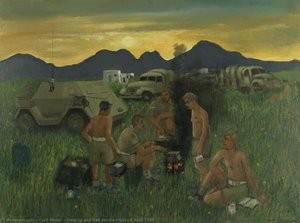
Following the war, Mount’s artistic focus broadened beyond purely military subjects. He continued to explore themes of human connection and social justice, often incorporating elements of everyday life alongside his more dramatic historical scenes. Works like “Brew Up and Halt for the Night” (1943) offer glimpses into the lives of ordinary people caught in extraordinary circumstances—a stark contrast to the grand narratives of war. His later paintings frequently featured portraits, capturing the dignity and vulnerability of individuals from diverse backgrounds. This evolution suggests a deepening engagement with the human condition and a desire to portray a more nuanced understanding of society.Legacy and Critical Reception
Cyril Mount’s artistic legacy is one of quiet intensity and unwavering conviction. While he didn't achieve widespread fame during his lifetime, his work has gained increasing recognition in recent years, particularly among collectors interested in historical art and social commentary. His paintings are valued for their raw emotional power, technical skill, and the enduring relevance of their themes. The donation of his artwork to the University of Bradford underscores a commitment to sharing his vision with future generations. The influence of his work can be seen in contemporary artists who grapple with issues of war, peace, and social justice—a testament to Mount’s lasting impact on the art world. His life and career offer a poignant reminder that art can serve as both a mirror reflecting the complexities of our times and a catalyst for positive change.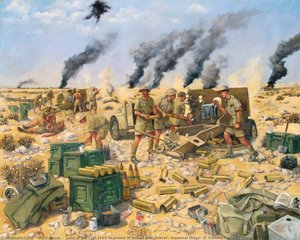
cyril mount
1920 - 2013
Quick Facts
- Artistic Movement Or Style: Figurative Art Style
- Artists Or Movements Influenced By This Artist: ['']
- Artists Who Influenced This Artist: ['']
- Date Of Birth: 1920
- Date Of Death: 2013
- Full Name: Cyril Mount
- Nationality: Irish
- Notable Artworks:
- Victory Roll Tunis
- El Oudref Observation
- Brew Up Halt Night
- Place Of Birth: Ireland